What are the key bioactive compounds in Green Tea Extract Polyphenols?
2025-10-31 16:34:24
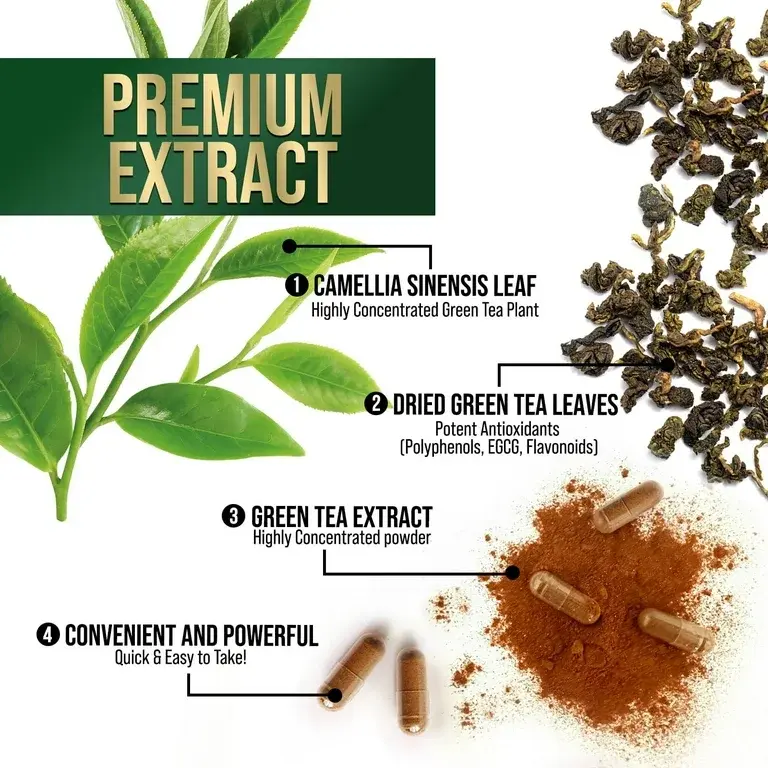
Green Tea Extract Polyphenols have garnered significant attention in recent years due to their potent health-promoting properties. These bioactive compounds, derived from the leaves of Camellia sinensis, are a rich source of antioxidants and have been associated with numerous health benefits. The key bioactive compounds in green tea extract polyphenols are primarily catechins, a class of flavonoids that contribute to the unique chemical composition and therapeutic potential of green tea. Among these catechins, epigallocatechin gallate (EGCG) stands out as the most abundant and biologically active component, accounting for approximately 50-80% of the total catechin content. Other important catechins include epicatechin gallate (ECG), epigallocatechin (EGC), and epicatechin (EC). These compounds work synergistically to provide a wide array of health benefits, including antioxidant, anti-inflammatory, and anti-carcinogenic effects. Understanding the key bioactive compounds in green tea extract polyphenols is crucial for harnessing their full potential in various applications, from nutritional supplements to pharmaceutical formulations.
Exploring the Role of EGCG, ECG, EGC, and EC in Green Tea Extract Polyphenols
EGCG: The Powerhouse of Green Tea Catechins
Epigallocatechin gallate (EGCG) is the most abundant and potent catechin in green tea extract polyphenols, accounting for up to 80% of the total catechin content. This powerful antioxidant has been extensively studied for its numerous health benefits, including its ability to protect against oxidative stress, reduce inflammation, and potentially inhibit the growth of cancer cells. EGCG has also shown promise in supporting cardiovascular health by improving blood lipid profiles and enhancing endothelial function. Furthermore, research suggests that EGCG may play a role in weight management by boosting metabolism and promoting fat oxidation. The unique molecular structure of EGCG allows it to interact with various cellular targets, making it a versatile compound with wide-ranging therapeutic potential.
ECG and EGC: Supporting Players with Significant Impact
While EGCG takes center stage, epicatechin gallate (ECG) and epigallocatechin (EGC) are also important components of green tea extract polyphenols. These catechins work in synergy with EGCG to enhance the overall health benefits of green tea extract. ECG has been shown to possess strong antioxidant properties and may contribute to the anti-cancer effects of green tea polyphenols. EGC, on the other hand, has demonstrated potential in improving insulin sensitivity and glucose metabolism, making it a promising compound for diabetes management. Both ECG and EGC also exhibit antimicrobial properties, which may help explain the traditional use of green tea in promoting oral health and preventing infections. The combined action of these catechins contributes to the diverse health-promoting effects of green tea extract polyphenols.
EC: The Foundational Catechin
Epicatechin (EC) is the simplest catechin found in green tea extract polyphenols and serves as a building block for the more complex catechins. Although present in lower concentrations compared to EGCG, EC plays a crucial role in the overall bioactivity of green tea extract. Research has shown that EC may improve cardiovascular health by enhancing nitric oxide production and promoting vasodilation. Additionally, EC has been associated with neuroprotective effects, potentially reducing the risk of neurodegenerative diseases such as Alzheimer's and Parkinson's. The presence of EC in green tea extract polyphenols contributes to the comprehensive health benefits of this natural product, highlighting the importance of maintaining the full spectrum of catechins in green tea extracts for maximum efficacy.

Understanding the Chemical Composition and Health Benefits of Green Tea Catechins
Molecular Structure and Bioavailability
The chemical composition of green tea catechins is characterized by their polyphenolic structure, which consists of multiple hydroxyl groups attached to aromatic rings. This unique molecular arrangement is responsible for the potent antioxidant properties of green tea extract polyphenols. The galloyl group, present in EGCG and ECG, enhances their biological activity and contributes to their superior antioxidant capacity compared to other catechins. However, the bioavailability of green tea catechins can be influenced by various factors, including intestinal absorption, metabolism, and excretion. Research has shown that the bioavailability of EGCG can be improved by consuming green tea extract with food or by using specific formulations that enhance absorption. Understanding the chemical composition and bioavailability of green tea catechins is crucial for optimizing their therapeutic potential in various applications.
Antioxidant and Anti-inflammatory Properties
One of the most well-known health benefits of green tea extract polyphenols is their powerful antioxidant activity. Catechins, particularly EGCG, act as free radical scavengers, neutralizing harmful reactive oxygen species and protecting cells from oxidative damage. This antioxidant effect is closely linked to the anti-inflammatory properties of green tea catechins, as oxidative stress and inflammation are interconnected processes. Studies have shown that green tea extract polyphenols can modulate various inflammatory pathways, reducing the production of pro-inflammatory cytokines and inhibiting the activation of inflammatory enzymes. These combined antioxidant and anti-inflammatory effects contribute to the potential of green tea extract polyphenols in preventing and managing chronic diseases associated with oxidative stress and inflammation, such as cardiovascular diseases, diabetes, and certain types of cancer.
Metabolic and Cardiovascular Benefits
Green tea extract polyphenols have demonstrated significant potential in supporting metabolic health and cardiovascular function. Research suggests that catechins, particularly EGCG, can enhance fat oxidation and energy expenditure, potentially aiding in weight management and obesity prevention. Additionally, green tea catechins have been shown to improve insulin sensitivity and glucose metabolism, making them promising compounds for diabetes management. In terms of cardiovascular health, green tea extract polyphenols may help lower blood pressure, reduce LDL cholesterol levels, and improve endothelial function. These effects are attributed to the ability of catechins to modulate various physiological processes, including lipid metabolism, vascular tone, and platelet aggregation. The multifaceted benefits of green tea extract polyphenols on metabolic and cardiovascular health highlight their potential as natural therapeutic agents for promoting overall well-being.
Analyzing the Antioxidant Properties of Green Tea Extract Polyphenols
Free Radical Scavenging Activity
The antioxidant properties of green tea extract polyphenols are primarily attributed to their ability to scavenge free radicals. Catechins, particularly EGCG, act as electron donors, neutralizing reactive oxygen species (ROS) and other harmful free radicals that can damage cellular components such as DNA, proteins, and lipids. This free radical scavenging activity is crucial in preventing oxidative stress, which is implicated in various chronic diseases and aging processes. Studies have shown that green tea extract polyphenols exhibit superior antioxidant capacity compared to many other natural antioxidants, including vitamin C and vitamin E. The presence of multiple hydroxyl groups in the catechin structure allows for efficient hydrogen atom transfer, enabling these compounds to effectively neutralize a wide range of free radicals. This potent antioxidant activity contributes to the overall health-promoting effects of green tea extract polyphenols.
Metal Chelation and Pro-oxidant Effects
In addition to their direct free radical scavenging activity, green tea extract polyphenols also exhibit metal chelation properties. Catechins can bind to metal ions such as iron and copper, which are known to catalyze the formation of harmful free radicals through Fenton reactions. By chelating these metal ions, green tea polyphenols can indirectly reduce oxidative stress and prevent cellular damage. However, it is important to note that under certain conditions, particularly at high concentrations or in the presence of transition metals, green tea catechins can also exhibit pro-oxidant effects. This dual antioxidant/pro-oxidant nature of green tea extract polyphenols highlights the importance of understanding their mechanisms of action and optimizing their use in various applications. The balance between these effects may contribute to the complex biological activities of green tea catechins, including their potential anti-cancer properties.
Synergistic Effects and Bioavailability Enhancement
The antioxidant properties of green tea extract polyphenols are further enhanced by the synergistic effects between different catechins and other bioactive compounds present in green tea. For example, the combination of EGCG with other catechins has been shown to result in a more potent antioxidant effect than EGCG alone. Additionally, the presence of other compounds such as vitamin C in green tea can help regenerate oxidized catechins, prolonging their antioxidant activity. To maximize the antioxidant benefits of green tea extract polyphenols, researchers have explored various strategies to enhance their bioavailability. These include the use of nanoencapsulation techniques, co-administration with other compounds that improve absorption, and the development of novel formulations that protect catechins from degradation in the gastrointestinal tract. By improving the bioavailability and stability of green tea extract polyphenols, it is possible to harness their full antioxidant potential for various health applications.
Conclusion
Green tea extract polyphenols, particularly catechins like EGCG, ECG, EGC, and EC, are potent bioactive compounds with diverse health benefits. Their antioxidant, anti-inflammatory, and metabolic properties make them valuable ingredients in nutritional supplements, pharmaceuticals, and functional foods. As research continues to uncover new applications and mechanisms of action, the importance of green tea extract polyphenols in promoting health and preventing chronic diseases becomes increasingly evident. With ongoing advancements in extraction techniques and formulation strategies, the potential of these natural compounds to improve human health and well-being continues to grow.
At Shaanxi Hongda Phytochemistry Co., Ltd., we have been at the forefront of green tea extract production since 2001. Our state-of-the-art facilities and rigorous quality control ensure the highest standards in producing green tea extract polyphenols. With our extensive experience and commitment to innovation, we offer customized solutions to meet diverse industry needs. For more information about our green tea extract products or other plant-based extracts, please Contact Us at duke@hongdaherb.com.
FAQ
What is the most abundant catechin in green tea extract polyphenols?
Epigallocatechin gallate (EGCG) is the most abundant catechin, accounting for 50-80% of the total catechin content in green tea extract polyphenols.
How do green tea extract polyphenols benefit cardiovascular health?
Green tea extract polyphenols may lower blood pressure, reduce LDL cholesterol levels, improve endothelial function, and enhance overall cardiovascular health.
Can green tea extract polyphenols help with weight management?
Yes, green tea extract polyphenols, particularly EGCG, may enhance fat oxidation and energy expenditure, potentially aiding in weight management and obesity prevention.
What are the antioxidant mechanisms of green tea catechins?
Green tea catechins act as free radical scavengers, metal chelators, and can indirectly reduce oxidative stress through various cellular pathways.
Are there any potential side effects of consuming green tea extract polyphenols?
While generally safe, high doses of green tea extract polyphenols may cause mild side effects in some individuals. It's best to consult with a healthcare professional before starting any new supplement regimen.
References
1. Khan, N., & Mukhtar, H. (2019). Tea polyphenols in promotion of human health. Nutrients, 11(1), 39.
2. Suzuki, T., Pervin, M., Goto, S., Isemura, M., & Nakamura, Y. (2016). Beneficial effects of tea and the green tea catechin epigallocatechin-3-gallate on obesity. Molecules, 21(10), 1305.
3. Gan, R. Y., Li, H. B., Sui, Z. Q., & Corke, H. (2018). Absorption, metabolism, anti-cancer effect and molecular targets of epigallocatechin gallate (EGCG): An updated review. Critical reviews in food science and nutrition, 58(6), 924-941.
4. Rothenberg, D. O., & Zhang, L. (2019). Mechanisms underlying the anti-depressive effects of regular tea consumption. Nutrients, 11(6), 1361.
5. Xing, L., Zhang, H., Qi, R., Tsao, R., & Mine, Y. (2019). Recent advances in the understanding of the health benefits and molecular mechanisms associated with green tea polyphenols. Journal of agricultural and food chemistry, 67(4), 1029-1043.
6. Steinmann, J., Buer, J., Pietschmann, T., & Steinmann, E. (2013). Anti-infective properties of epigallocatechin-3-gallate (EGCG), a component of green tea. British journal of pharmacology, 168(5), 1059-1073.