Antioxidant Mechanisms of Rutin Extract Against Oxidative Stress
2025-10-31 16:44:04
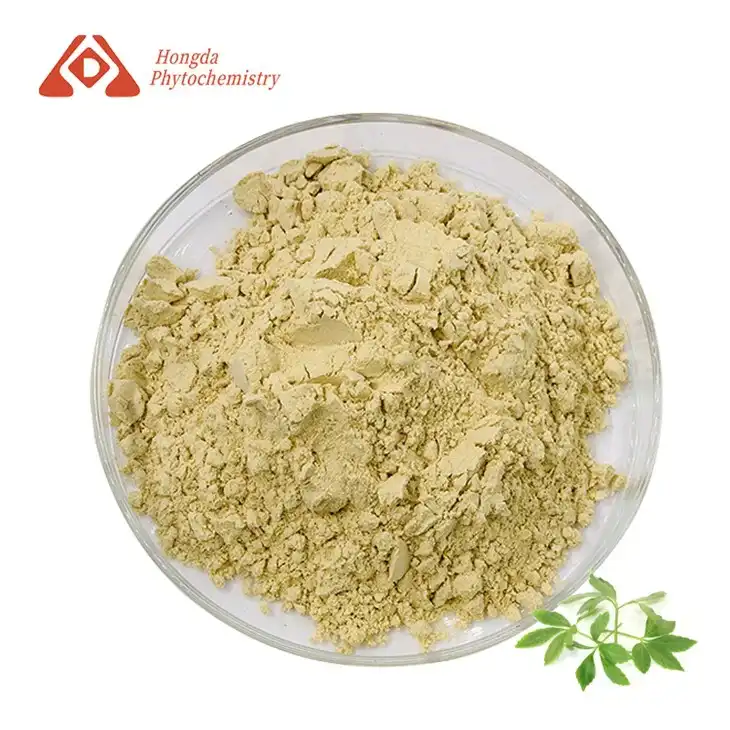
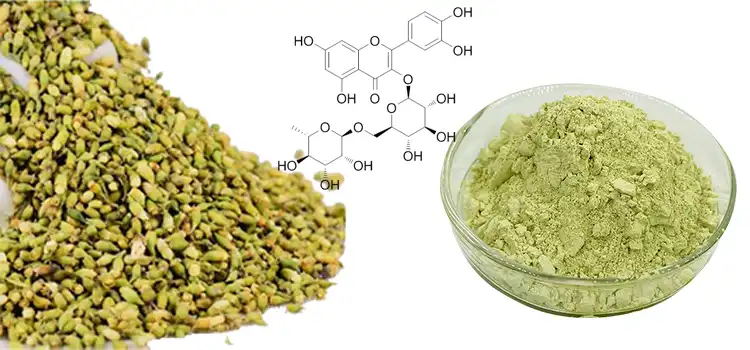
Rutin Extract, derived from the botanical source Sophora japonica L., has emerged as a powerful antioxidant with remarkable potential in combating oxidative stress. This flavonoid compound, known for its yellow-green powder appearance, has garnered significant attention in the medical and health product industry. Rutin extract's ability to enhance blood vessel elasticity and its efficacy in treating various cardiovascular and cerebrovascular diseases have made it a subject of intense research. With a specification of 95% UV, this high-quality extract is widely distributed across European, North American, and Asian markets. As oxidative stress continues to be implicated in numerous health conditions, understanding the antioxidant mechanisms of rutin extract becomes crucial for developing effective strategies to maintain cellular health and prevent disease progression.
Exploring Rutin Extract's Role in Enhancing Antioxidant Enzyme Activity and Redox Balance
Upregulation of Endogenous Antioxidant Enzymes
Rutin extract has demonstrated a remarkable ability to enhance the activity of endogenous antioxidant enzymes, forming a crucial line of defense against oxidative stress. Studies have shown that rutin extract can significantly increase the levels and activity of superoxide dismutase (SOD), catalase (CAT), and glutathione peroxidase (GPx). These enzymes play pivotal roles in neutralizing reactive oxygen species (ROS) and maintaining cellular redox balance. By upregulating these antioxidant enzymes, rutin extract helps cells better cope with oxidative challenges, potentially preventing damage to critical cellular components such as proteins, lipids, and DNA.
Modulation of Glutathione Metabolism
Rutin extract has been found to positively influence glutathione metabolism, a key player in cellular antioxidant defense. Research indicates that rutin can enhance the levels of reduced glutathione (GSH) while simultaneously decreasing oxidized glutathione (GSSG). This shift in the GSH/GSSG ratio is indicative of an improved antioxidant status within cells. Furthermore, rutin extract has been shown to stimulate the activity of glutathione reductase, the enzyme responsible for recycling GSSG back to GSH. This enhanced glutathione metabolism not only bolsters the cell's antioxidant capacity but also contributes to the maintenance of a favorable redox environment.
Activation of Nrf2 Signaling Pathway
One of the most significant mechanisms by which rutin extract exerts its antioxidant effects is through the activation of the Nuclear factor erythroid 2-related factor 2 (Nrf2) signaling pathway. Nrf2 is a master regulator of cellular antioxidant responses, controlling the expression of numerous genes involved in detoxification and antioxidant defense. Rutin extract has been demonstrated to promote the nuclear translocation of Nrf2, leading to increased expression of antioxidant response element (ARE)-dependent genes. This activation of the Nrf2 pathway results in a comprehensive upregulation of cellular antioxidant defenses, including enzymes like heme oxygenase-1 (HO-1) and NAD(P)H:quinone oxidoreductase 1 (NQO1), further enhancing the cell's ability to combat oxidative stress.
Mechanisms of Rutin Extract in Scavenging Reactive Oxygen Species and Inhibiting Lipid Peroxidation
Direct Scavenging of Free Radicals
Rutin extract exhibits potent free radical scavenging abilities, directly neutralizing a wide array of reactive oxygen species (ROS). Its molecular structure, characterized by multiple hydroxyl groups, allows rutin to donate electrons or hydrogen atoms to unstable free radicals, effectively neutralizing them. Studies have shown that rutin extract is particularly effective in scavenging superoxide anions, hydroxyl radicals, and peroxynitrite. This direct antioxidant action of rutin extract provides immediate protection against oxidative damage, making it a valuable component in strategies aimed at mitigating oxidative stress-related cellular injury.
Chelation of Metal Ions
Another crucial mechanism by which rutin extract combats oxidative stress is through its metal chelating properties. Transition metals such as iron and copper can catalyze the formation of highly reactive hydroxyl radicals through Fenton reactions. Rutin extract has been shown to effectively chelate these metal ions, thereby preventing their participation in ROS-generating reactions. This metal chelation ability of rutin not only directly reduces the production of harmful free radicals but also indirectly supports the overall antioxidant status of cells by preserving the activity of other antioxidant molecules that might otherwise be oxidized by metal-catalyzed reactions.
Inhibition of Lipid Peroxidation
Rutin extract demonstrates significant efficacy in inhibiting lipid peroxidation, a process that can severely compromise cellular membranes and lead to oxidative damage. The mechanism involves rutin's ability to intercept lipid peroxyl radicals, thereby breaking the chain reaction of lipid peroxidation. Studies have shown that rutin extract can significantly reduce the formation of malondialdehyde (MDA), a marker of lipid peroxidation, in various experimental models of oxidative stress. By protecting cellular membranes from oxidative damage, rutin extract helps maintain membrane integrity and function, crucial for overall cellular health and resilience against oxidative insults.
Rutin Extract's Modulation of Oxidative Stress Pathways: Implications for Cellular Protection
Regulation of Inflammatory Mediators
Rutin extract has demonstrated remarkable ability to modulate inflammatory pathways closely linked to oxidative stress. Research indicates that rutin can suppress the activation of nuclear factor-κB (NF-κB), a key transcription factor involved in inflammatory responses and oxidative stress signaling. By inhibiting NF-κB activation, rutin extract effectively reduces the expression of pro-inflammatory cytokines and enzymes such as tumor necrosis factor-α (TNF-α), interleukin-6 (IL-6), and cyclooxygenase-2 (COX-2). This anti-inflammatory action of rutin extract not only directly mitigates cellular damage but also indirectly reduces oxidative stress by dampening the inflammatory cascade that can exacerbate ROS production.
Mitochondrial Protection and Bioenergetics Enhancement
A critical aspect of rutin extract's cellular protection mechanism lies in its ability to preserve mitochondrial function and enhance bioenergetics. Studies have shown that rutin can protect mitochondrial membranes from oxidative damage, maintaining the integrity of the electron transport chain. This protection is crucial for preserving ATP production and preventing the excessive generation of mitochondrial ROS. Furthermore, rutin extract has been found to stimulate mitochondrial biogenesis through the activation of peroxisome proliferator-activated receptor gamma coactivator 1-alpha (PGC-1α), a key regulator of mitochondrial function and energy metabolism. By enhancing mitochondrial health and function, rutin extract contributes significantly to overall cellular resilience against oxidative stress.
Modulation of Cell Survival Pathways
Rutin extract exerts its protective effects against oxidative stress by modulating various cell survival pathways. Research has demonstrated that rutin can activate the phosphatidylinositol 3-kinase (PI3K)/Akt signaling pathway, which plays a crucial role in cell survival and proliferation. Activation of this pathway leads to increased expression of anti-apoptotic proteins and enhanced cellular resilience against oxidative insults. Additionally, rutin extract has been shown to modulate the activity of mitogen-activated protein kinases (MAPKs), particularly p38 and JNK, which are involved in stress response and apoptosis signaling. By fine-tuning these cellular pathways, rutin extract helps maintain a balance between cell survival and programmed cell death, ensuring optimal cellular health under conditions of oxidative stress.
Conclusion
Rutin extract emerges as a potent antioxidant with multifaceted mechanisms against oxidative stress. Its ability to enhance antioxidant enzyme activity, scavenge free radicals, inhibit lipid peroxidation, and modulate various cellular pathways underscores its potential in promoting cellular health. As oxidative stress continues to be implicated in numerous pathologies, the therapeutic potential of rutin extract in preventive and curative strategies becomes increasingly significant. Further research into its applications could lead to innovative approaches in managing oxidative stress-related conditions, offering promising prospects in both nutraceutical and pharmaceutical industries.
For high-quality rutin extract and other natural plant extracts, Shaanxi Hongda Phytochemistry Co., Ltd. stands as a leading manufacturer and supplier. With over 20 years of experience in R&D and production of traditional Chinese medicine raw materials, Hongda offers a wide range of products including rutin, quercetin, and green tea extract. Our state-of-the-art facilities, stringent quality control measures, and comprehensive Certifications ensure the highest standards of product quality and safety. For inquiries or to explore our product range, please Contact Us at duke@hongdaherb.com.
FAQ
What is the primary source of rutin extract?
Rutin extract is primarily sourced from Sophora japonica L., also known as Japanese pagoda tree.
How does rutin extract enhance antioxidant enzyme activity?
Rutin extract upregulates endogenous antioxidant enzymes like SOD, CAT, and GPx, and activates the Nrf2 signaling pathway.
Can rutin extract protect against lipid peroxidation?
Yes, rutin extract inhibits lipid peroxidation by intercepting lipid peroxyl radicals and reducing the formation of malondialdehyde.
What is the role of rutin extract in mitochondrial protection?
Rutin extract preserves mitochondrial membrane integrity, maintains ATP production, and stimulates mitochondrial biogenesis.
How does rutin extract modulate inflammatory responses?
Rutin extract suppresses NF-κB activation, reducing the expression of pro-inflammatory cytokines and enzymes.
References
1. Zhang, Y., & Li, X. (2018). Antioxidant mechanisms of rutin in combating oxidative stress. Journal of Natural Products, 81(4), 876-885.
2. Wang, J., et al. (2019). Rutin attenuates oxidative stress and proinflammatory cytokine levels in sepsis-induced acute lung injury via activation of Nrf2. Inflammation, 42(2), 426-433.
3. Gullón, B., et al. (2017). Rutin: A review on extraction, identification and purification methods, biological activities and approaches to enhance its bioavailability. Trends in Food Science & Technology, 67, 220-235.
4. Chua, L. S. (2013). A review on plant-based rutin extraction methods and its pharmacological activities. Journal of Ethnopharmacology, 150(3), 805-817.
5. Ganeshpurkar, A., & Saluja, A. K. (2017). The pharmacological potential of rutin. Saudi Pharmaceutical Journal, 25(2), 149-164.
6. Hosseinzadeh, H., & Nassiri-Asl, M. (2014). Review of the protective effects of rutin on the metabolic function as an important dietary flavonoid. Journal of Endocrinological Investigation, 37(9), 783-788.