What are the key chemical properties of Resveratrol Extract Powder?
2025-10-30 17:10:11
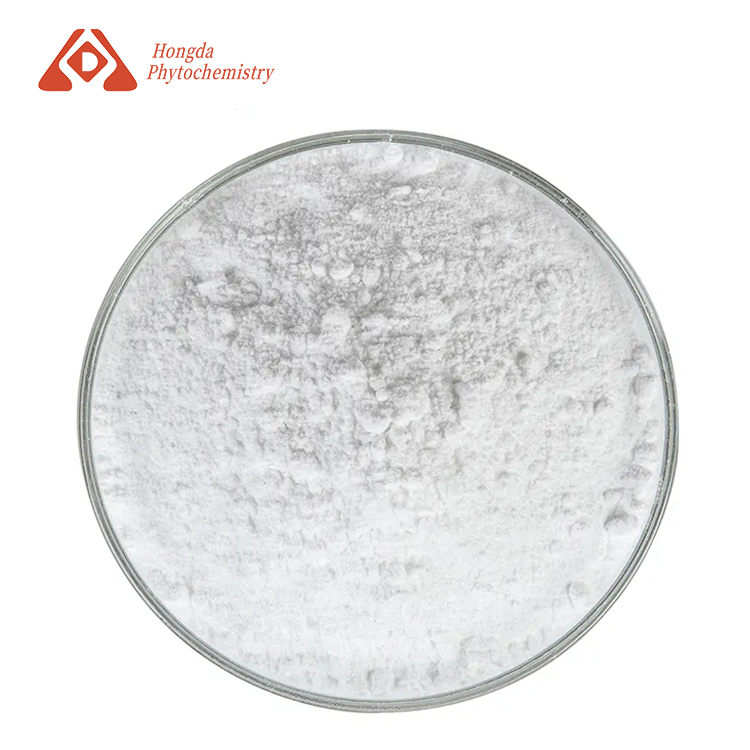
Resveratrol Extract Powder, derived primarily from Polygonum cuspidatum, is a fascinating natural compound with a wide array of chemical properties that contribute to its numerous health benefits. This polyphenolic substance, found in various plants such as grapes, berries, and peanuts, has garnered significant attention in the scientific community due to its potential therapeutic applications. The key chemical properties of Resveratrol Extract Powder are intrinsically linked to its molecular structure, solubility, stability, and reactivity. These characteristics not only define its behavior in different environments but also play a crucial role in its biological activities, including its potent antioxidant, anti-inflammatory, and anti-aging effects. Understanding these properties is essential for harnessing the full potential of Resveratrol Extract Powder in various applications, from nutraceuticals to pharmaceuticals and cosmeceuticals.
Molecular Structure and Isomerism: Understanding the Trans- and Cis-Forms of Resveratrol
Trans-Resveratrol: The Predominant and Biologically Active Form
Trans-resveratrol is the primary isomer found in Resveratrol Extract Powder and is considered the most biologically active form. This configuration features a planar structure with hydroxyl groups positioned on opposite sides of the molecule. The trans-isomer's stability and potent antioxidant properties make it the preferred form for dietary supplements and research applications. Resveratrol Extract Powder derived from Polygonum cuspidatum typically contains a high percentage of trans-resveratrol, often exceeding 98% purity when analyzed using HPLC methods.
Cis-Resveratrol: The Less Abundant but Still Significant Isomer
While less common, cis-resveratrol is also present in Resveratrol Extract Powder, albeit in smaller quantities. This isomer has a slightly different molecular arrangement, with hydroxyl groups on the same side of the molecule. Although generally considered less biologically active than its trans counterpart, cis-resveratrol still contributes to the overall health benefits of the extract. The interconversion between trans- and cis-forms can occur under certain conditions, such as exposure to UV light, which is an important consideration in the storage and handling of Resveratrol Extract Powder.
Isomeric Stability and Its Impact on Bioavailability
The stability of trans-resveratrol in Resveratrol Extract Powder is crucial for maintaining its efficacy. Factors such as temperature, pH, and light exposure can influence the isomeric balance. Understanding these dynamics is essential for optimizing the extraction process, formulation, and storage of resveratrol products. Moreover, the isomeric form can affect the compound's bioavailability, with trans-resveratrol generally showing better absorption in the human body. This knowledge informs the development of more effective Resveratrol Extract Powder formulations for various applications, including dietary supplements and functional foods.
Solubility and Stability: Chemical Behavior of Resveratrol Extract Powder in Various Environments
Solubility Characteristics in Different Solvents
Resveratrol Extract Powder exhibits unique solubility properties that significantly influence its applications and bioavailability. In its pure form, resveratrol is poorly soluble in water, which can limit its absorption in the body. However, it demonstrates good solubility in organic solvents such as ethanol and DMSO. This characteristic is crucial for formulation development, as it impacts how Resveratrol Extract Powder can be incorporated into various products. To enhance its aqueous solubility and bioavailability, researchers have explored various techniques, including the use of cyclodextrins, nanoencapsulation, and emulsion-based delivery systems.
PH-Dependent Stability and Its Implications
The stability of Resveratrol Extract Powder is heavily influenced by pH conditions. In general, resveratrol is more stable in acidic environments and becomes increasingly unstable as pH rises. This pH-dependent stability has important implications for both storage and biological activity. In acidic conditions, such as those found in wine or certain formulations, resveratrol maintains its integrity for longer periods. However, in alkaline environments, it may undergo degradation or structural changes. Understanding these pH effects is crucial for developing stable formulations of Resveratrol Extract Powder and predicting its behavior in different physiological compartments of the body.
Thermal and Light Sensitivity
Resveratrol Extract Powder is known to be sensitive to both heat and light, which can induce isomerization or degradation. Exposure to high temperatures or prolonged light exposure, especially UV light, can cause the trans-resveratrol to convert to the cis-form or break down into other compounds. This sensitivity necessitates careful handling and storage practices to maintain the potency and purity of Resveratrol Extract Powder. Manufacturers often employ protective Packaging, such as opaque containers, and recommend storage in cool, dark places to preserve the integrity of the product. These considerations are particularly important for maintaining the 98% purity standard often associated with high-quality Resveratrol Extract Powder.
Reactivity and Functional Groups: How Resveratrol's Chemical Properties Influence Its Biological Activity?
Antioxidant Properties and Free Radical Scavenging
The potent antioxidant activity of Resveratrol Extract Powder is largely attributed to its chemical structure, particularly the presence of multiple hydroxyl groups. These functional groups enable resveratrol to neutralize free radicals effectively, thereby protecting cells from oxidative stress. The ability of Resveratrol Extract Powder to donate hydrogen atoms or electrons to reactive species underlies its role in preventing cellular damage and potentially slowing the aging process. This antioxidant capacity is central to many of resveratrol's health benefits, including its potential to protect against cardiovascular diseases, neurodegenerative disorders, and certain types of cancer.
Interaction with Cellular Targets and Signaling Pathways
Resveratrol Extract Powder's chemical reactivity extends beyond its antioxidant properties, allowing it to interact with various cellular targets and influence important signaling pathways. The compound's structure enables it to bind to and modulate the activity of numerous proteins and enzymes. For instance, resveratrol is known to activate sirtuins, particularly SIRT1, which are involved in regulating cellular aging and metabolism. This interaction is believed to be responsible for many of resveratrol's anti-aging effects. Additionally, Resveratrol Extract Powder has been shown to influence other key pathways, including those involved in inflammation, apoptosis, and glucose metabolism, contributing to its diverse biological activities.
Metabolic Transformations and Bioavailability
The chemical properties of Resveratrol Extract Powder also play a crucial role in its metabolism and bioavailability. Upon ingestion, resveratrol undergoes several metabolic transformations, primarily in the liver and intestines. These processes, including glucuronidation and sulfation, alter the compound's structure and can affect its biological activity. Understanding these metabolic pathways is essential for predicting the in vivo effects of Resveratrol Extract Powder and developing strategies to enhance its bioavailability. Researchers are exploring various approaches, such as using specific enzyme inhibitors or developing novel delivery systems, to increase the bioavailability and efficacy of resveratrol-based supplements and therapies.
Conclusion
The key chemical properties of Resveratrol Extract Powder, including its molecular structure, isomerism, solubility, stability, and reactivity, are fundamental to understanding its potential in various applications. These properties not only influence its antioxidant and biological activities but also guide the development of effective formulations and delivery systems. As research continues to unveil the complex interactions between resveratrol's chemical nature and its health benefits, the potential for innovative applications in nutraceuticals, pharmaceuticals, and cosmeceuticals expands. The ongoing exploration of Resveratrol Extract Powder's chemical properties promises to unlock new possibilities for enhancing human health and longevity.
At Shaanxi Hongda Phytochemistry Co., Ltd., we specialize in producing high-quality Resveratrol Extract Powder, leveraging our extensive experience and state-of-the-art facilities. Our commitment to quality, innovation, and customer satisfaction has made us a leading supplier in the global market. For more information about our Resveratrol Extract Powder or other plant extracts, please Contact Us at duke@hongdaherb.com.
FAQ
What is the primary source of Resveratrol Extract Powder?
The primary source is Polygonum cuspidatum, also known as Japanese knotweed.
How does the isomeric form of resveratrol affect its bioactivity?
Trans-resveratrol is generally considered more bioactive and stable than the cis-form.
What factors can affect the stability of Resveratrol Extract Powder?
Temperature, pH, light exposure, and storage conditions can all impact stability.
How does resveratrol's solubility affect its bioavailability?
Poor water solubility can limit absorption, leading to research on improved delivery systems.
What are the main biological activities of Resveratrol Extract Powder?
Key activities include antioxidant, anti-inflammatory, and potential anti-aging effects.
References
1. Gambini, J., et al. (2015). Properties of Resveratrol: In Vitro and In Vivo Studies about Metabolism, Bioavailability, and Biological Effects in Animal Models and Humans. Oxidative Medicine and Cellular Longevity, 2015, 837042.
2. Smoliga, J. M., Baur, J. A., & Hausenblas, H. A. (2011). Resveratrol and health – A comprehensive review of human clinical trials. Molecular Nutrition & Food Research, 55(8), 1129-1141.
3. Amri, A., Chaumeil, J. C., Sfar, S., & Charrueau, C. (2012). Administration of resveratrol: What formulation solutions to bioavailability limitations? Journal of Controlled Release, 158(2), 182-193.
4. Cottart, C. H., Nivet-Antoine, V., Laguillier-Morizot, C., & Beaudeux, J. L. (2010). Resveratrol bioavailability and toxicity in humans. Molecular Nutrition & Food Research, 54(1), 7-16.
5. Francioso, A., Mastromarino, P., Masci, A., d'Erme, M., & Mosca, L. (2014). Chemistry, stability and bioavailability of resveratrol. Medicinal Chemistry, 10(3), 237-245.
6. Peng, H., et al. (2018). Resveratrol: A review of plant sources, synthesis, stability, modification and food application. Journal of the Science of Food and Agriculture, 98(4), 1131-1138.