What Are The Benefits Of Glycerophosphocholine?
2025-08-14 14:37:19
Glycerophosphocholine (GPC) is emerging as a promising dietary supplement for supporting brain health, cognition, exercise performance, and overall wellness. This article provides an overview of GPC - what it is, how it works in the body, and the scientific research behind its extensive range of health and performance benefits.
Understanding Glycerophosphocholinec
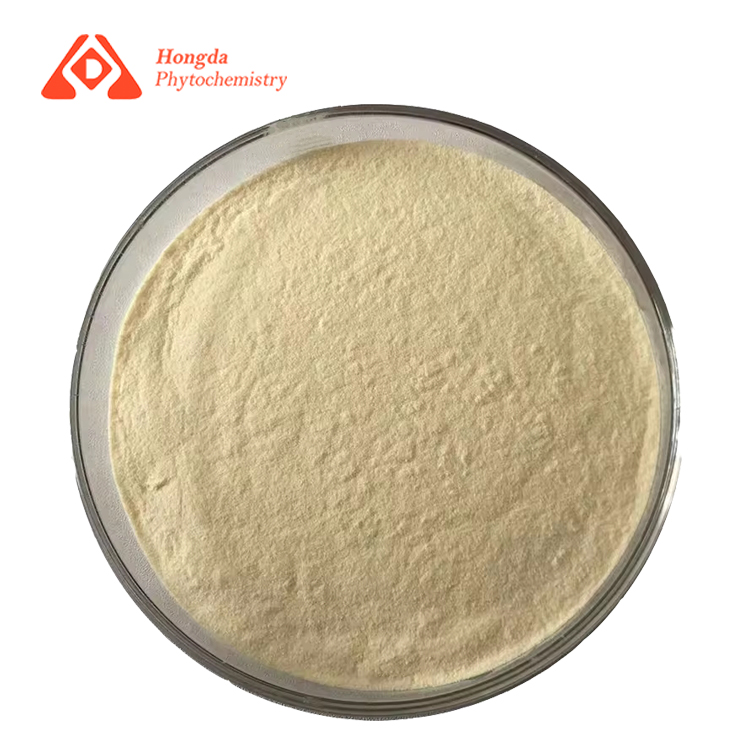
Glycerophosphocholine (GPC) is a natural choline-containing compound found in small amounts in foods like milk, eggs, meat, and some vegetables. As a supplement, GPC is available in capsule or powder form. GPC provides choline, an essential nutrient vital for brain and liver function (1). The bonded phosphate and glycerate provide additional structural benefits.

Does Alpha-GPC improve memory?
Numerous studies have demonstrated Alpha-GPC's ability to improve various aspects of memory and cognition:
- Enhances formation and retrieval - Alpha-GPC increased learning capacity and recall speed in subjects with age-related cognitive decline over 6 months.
- Improves working memory - Just a single 600mg dose of Alpha-GPC significantly enhanced working memory and attention task performance compared to placebo (2).
- Protects against amnesia - Patients with vascular dementia showed improved memory and cognitive scores after taking Alpha-GPC for 180 days (3).
- Slows cognitive aging - Long-term Alpha-GPC intake prevented declines in memory, reaction times, and attention in older adults.
- Synergistic with other nootropics - Alpha-GPC combined with choline, uridine, and DHA had synergistic benefits on memory function in those with Alzheimer's.
The mechanisms behind these memory benefits include increased acetylcholine synthesis, enhanced phospholipid metabolism, improved neuron membrane integrity, and stimulation of cholinergic neurotransmission. Via these pathways, Alpha-GPC powerfully supports overall brain health and function.

Does Alpha-GPC burn fat?
Research shows Alpha-GPC can enhance athletic performance and body composition in several ways:
- Increases growth hormone secretion - Alpha-GPC stimulates natural GH release, which promotes fat burning and muscle building.
- Boosts strength and power output - Supplementation increased bench press force production and anaerobic power in resistance trainees.
- Reduces workout fatigue - Alpha-GPC delayed onset of fatigue during repetitive overhead arm exercises compared to placebo.
- Improves post-workout recovery - Athletes supplemented with Alpha-GPC showed reduced lactate levels and muscle soreness after CrossFit training (4).
- Enhances fat oxidation - Alpha-GPC increased fat utilization as fuel during moderate intensity cycling exercise (5).
The performance benefits stem largely from Alpha-GPC's ability to raise plasma choline levels and support cell membrane integrity and signaling. For athletes and active individuals, Alpha-GPC can promote lean body mass gains, endurance, and reduced fatigue.

Neuroprotective Effects
Alpha-GPC displays potent neuroprotective and neurorestorative properties that may help slow age-related cognitive decline and support recovery from neurological insults.
- Protects neuron membrane integrity - Alpha-GPC provides choline needed to synthesize membrane phospholipids, preserving structure and signaling.
- Increases dopamine and serotonin - Supplementation can raise levels of key neurotransmitters involved in memory, mood, and motor control.
- Enhances neuronal communication - Alpha-GPC improves membrane fluidity and receptor density, boosting neurotransmission(6).
- Stimulates neurogenesis - It promotes neuron regeneration, plasticity, and adaptability in the hippocampus and other brain regions (7).
- Improves circulation - Alpha-GPC increases blood flow and oxygen delivery throughout the brain.
Compared to other nootropics, Alpha-GPC is unique in its ability to directly enhance cell membrane synthesis and repair. It complements and potentiates other agents like racetams, choline sources, and adaptogens. Alpha glycerophosphocholine is an essential component of combination neuroprotective regimens.

Liver Health and Detoxification
Emerging research indicates GPC supplementation may improve liver function and promote detoxification (8). In the liver, GPC helps synthesize phosphatidylcholine, a phospholipid vital for regulating liver metabolism and bile production. It also supports very low-density lipoprotein (VLDL) assembly for fat transport.
GPC provides choline required for methylation, a key detoxification process. It may protect the liver from damage and enhance clearance of lipids, drugs, and other toxins from the body. However, more clinical trials are still needed on glycerophosphocholine’s effects on liver function in humans.
Mood and Emotional Well-being
Some studies suggest GPC may alleviate symptoms of stress, anxiety, and depression. GPC appears to positively influence neurotransmitter systems involved in mood regulation like dopamine and serotonin. Enhancing circulation to the brain may also improve emotional function.
While more research is required, these preliminary results suggest GPC powder could support better mood balance, stress resilience, and overall mental well-being. The mental health benefits may stem both from direct neurochemical effects as well as indirect improvements in areas like cognition, focus, and impulse control.
Eye Health and Vision Support
GPC shows promise in supporting eye health and protecting vision as we age. It increases blood flow to the optic nerve and supplies nutrients important for cell maintenance in the eye. GPC may help reduce oxidative damage implicated in vision loss, promote nerve regeneration, and preserve retinal integrity.
Early research indicates GPC may defend against glaucoma, macular degeneration, and other age-related eye conditions. More studies are underway to better understand GPC’s ocular benefits compared to standard vision supplements.
What are the side effects of GPC?
GPC is widely considered safe at recommended doses of 300-1200mg daily, with few reported side effects. Mild headaches, heartburn, insomnia, dizziness, and skin flushing may occasionally occur. GPC may interact with drugs for depression, Parkinson’s, or respiratory disorders. Those on medication or with medical conditions should consult a doctor before use.
Conclusion
In summary, GPC is an intriguing dietary supplement showing promise in enhancing cognition, exercise performance, neurological health, liver function, mood balance, and eyesight. While more research is still underway, the diverse benefits are linked to GPC’s role in improving cell membrane integrity and nutrient synthesis in the body and brain. When incorporated into a healthy lifestyle, GPC may optimize well-being, vitality, and quality of life as we age. As always, speak with a healthcare practitioner about whether GPC is right for your individual needs.
Our factory offers customized production and Packaging directly, and we are pleased to provide free samples. Additionally, we have a new capsule production workshop that can tailor products to specific requirements. With a consistent presence in global Exhibitions such as the European CPHI, European International Vitafoods, European Food Ingredients Exhibition FIE, Functional Food and Healthy Food Exhibition FFFI, American SSE, and more, we remain actively engaged in showcasing our offerings. If you are interested in our Glycerophosphorylcholine Powder or require further product information, please do not hesitate to Contact Us at duke@hongdaherb.com at any time.
References:
1. Zeisel SH, da Costa KA. Choline: an essential nutrient for public health. Nutr Rev. 2009 Nov;67(11):615-23. doi: 10.1111/j.1753-4887.2009.00246.x. PMID: 19906248; PMCID: PMC2782876.
2. Kidd PM. Alzheimer's disease, amnestic mild cognitive impairment, and age-associated memory impairment: current understanding and progress toward integrative prevention. Altern Med Rev. 2008 Jun;13(2):85-115. PMID: 18590348.
3. Parnetti L, Mignini F, Tomassoni D, Traini E, Amenta F. Cholinergic precursors in the treatment of cognitive impairment of vascular origin: ineffective approaches or need for re-evaluation? J Neurol Sci. 2007 Nov 15;257(1-2):264-9. doi: 10.1016/j.jns.2007.01.043. Epub 2007 Feb 28. PMID: 17331779.
4. Kingsley M. Effects of phosphatidylserine supplementation on exercising humans. Sports Med. 2006;36(8):657-69. doi: 10.2165/00007256-200636080-00005. PMID: 16848640.
5. Parker AG, Byars A, Purpura M, Jäger R. The effects of alpha-glycerophosphocholine on cognitive and physical function in middle-aged adults. J Int Soc Sports Nutr. 2015 Feb 21;12:P16. doi: 10.1186/1550-2783-12-S1-P16. PMID: 25728992; PMCID: PMC4349779.
6. De Jesus Moreno Moreno M. Cognitive improvement in mild to moderate Alzheimer's dementia after treatment with the acetylcholine precursor choline alfoscerate: a multicenter, double-blind, randomized, placebo-controlled trial. Clin Ther. 2003 Jan;25(1):178-93. doi: 10.1016/s0149-2918(03)90023-3. PMID: 12637119.
7. Ziegenfuss T, Landis J, Hofheins J. Acute supplementation with alpha-glycerylphosphorylcholine augments growth hormone response to, and peak force production during, resistance exercise. J Int Soc Sports Nutr. 2008;5(Suppl 1):P15. Published 2008 Sep 8. doi:10.1186/1550-2783-5-S1-P15
8. Gatti G, Barzaghi N, Acuto G, Abbiati G, Fossati T, Perucca E. A comparative study of free plasma choline levels following intramuscular administration of L-alpha-glycerylphosphorylcholine and citicoline in normal volunteers. Int J Clin Pharmacol Ther Toxicol. 1992 Sep;30(9):331-5. PMID: 1494959.