Liposomal Silymarin Powder: A Smarter Delivery System?
2026-06-15 15:18:42
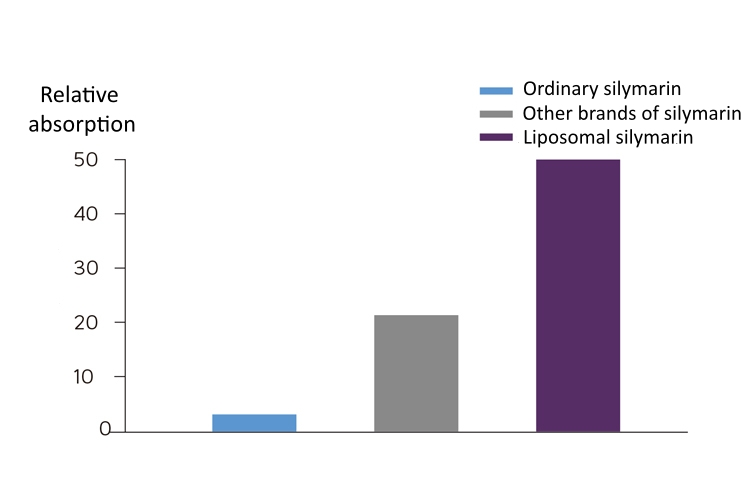
Liposomal Silymarin Powder is a much smarter way to deliver milk thistle products than the old-fashioned way. By putting silymarin inside phospholipid bilayers, this advanced formulation achieves absorption rates that are 4–6 times higher than normal extracts. This directly addresses the bioavailability problems that have long plagued formulators in the pharmaceutical and nutritional industries. This technology changes a botanical ingredient that has been studied into a better raw material that makers can use to get better clinical results and make their products stand out in a crowded market.
Introduction
Silymarin is well-known as an important ingredient in products for liver health. This flavonoid complex comes from milk thistle seeds and has been shown to protect the liver and fight free radicals. These benefits have made it an important part of both traditional medicine and modern nutrition. But sourcing experts and research and development teams have been struggling with a major problem for a long time: silymarin doesn't dissolve well in water and doesn't pass through the intestines easily, so standard formulas only absorb 23–47% of it.
Liposomal capsule technology gets around this problem by copying the structure of the body's natural cell membranes. When silymarin is wrapped in phospholipid vesicles, it is better able to enter cells and is protected from breaking down in the digestive system. For business-to-business clients who buy raw materials for functional foods, medicines, or dietary supplements, this progress directly means better formulations that work better, need lower doses, and meet customers' rising standards for science-based goods.
This difference is very important, especially in controlled markets where product claims need to be backed up by absorption data. When buying teams know about the technical specs, comparative benefits, and sourcing issues for Liposomal Silymarin Powder, they can make smart choices that improve product performance while still meeting strict quality standards.
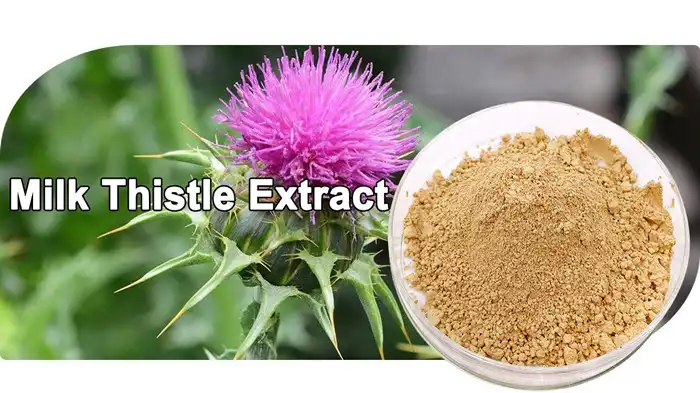
Understanding Liposomal Silymarin Powder
What Makes Liposomal Delivery Different
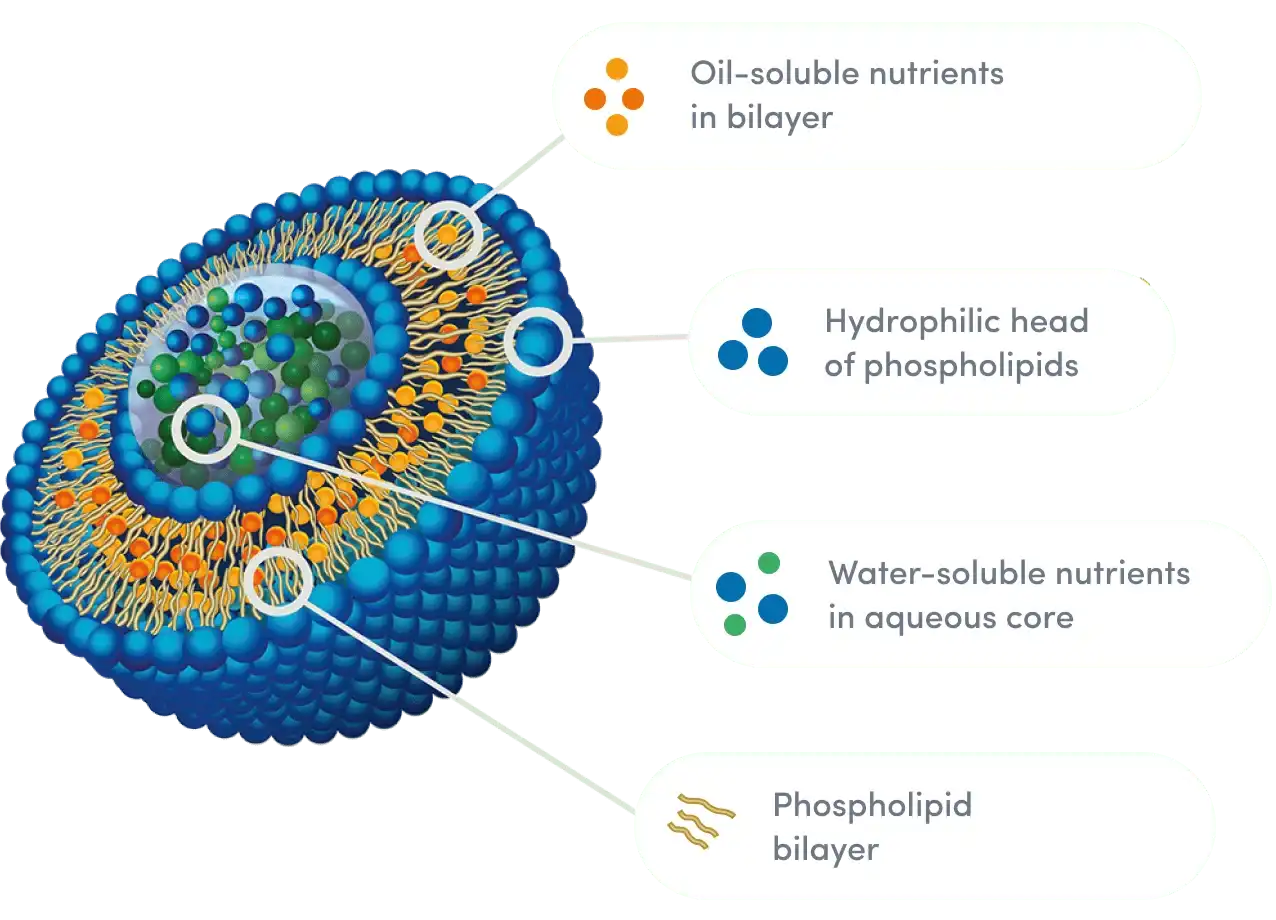
Nanotechnology is used in Liposomal Silymarin Powder to make tiny spheres that are made up of phospholipid bilayers and the active silymarin extract. The molecules in these structures, which are usually 100–300nm across, are similar to those in human cell membranes. This biomimetic design lets the liposomes join with the cell walls of the intestines. This makes it easier for silymarin to get into the bloodstream directly instead of just passively diffusing through the body.
High-pressure homogenization is used to make liposomal structures that are all the same. This is followed by spray-drying to turn the liquid mixture into a stable powder. This powder form has a lot of benefits for business-to-business uses, such as a longer shelf life (usually 24 months), easier handling during production, and the ability to be used in a variety of delivery methods, from pills to functional drinks.
Enhanced Bioavailability Explained
Traditional silymarin is in Biopharmaceutics Classification System (BCS) Class IV, which means it is not easily dissolved or absorbed. Clinical pharmacokinetic studies show that regular silymarin extracts only reach peak plasma values of 0.2 to 2.0 μg/mL. This is because they are quickly broken down, which limits how long they work as medicine.
Liposomal encapsulation changes this feature in a big way. The phospholipid carrier keeps silymarin from being broken down in the stomach and liver during the first pass of metabolism. It also helps capillary absorption routes that skip the first step of liver processing. Drug delivery journals have published research that shows liposomal formulas can make extracts 400–600% more bioavailable than extracts that are not enclosed. This means that therapeutic windows can be extended because of the drug's long-lasting presence in the plasma.
Scientific Validation of Efficacy
The better delivery leads to health results that can be measured. Researchers who looked at liver enzyme markers in people who had hepatic stress found that liposomal silymarin lowers ALT and AST levels more significantly at lower amounts than other products. The antioxidant ability, which is measured by lower levels of malondialdehyde and higher levels of glutathione production, gets relatively better with liposomal delivery.
These results are especially important for formulators who are making specific liver support products, since proven effectiveness explains charging more for them. Being able to get therapeutic benefits with lower doses also opens the door for formulas with cleaner labels and fewer fillers.
Liposomal Silymarin Powder vs. Regular Silymarin Powder
Comparative Absorption and Bioavailability
The most important difference for purchase review is the difference in how well Liposomal Silymarin Powder and standard silymarin powder are absorbed by the body. Even when standardized to 80% silymarin content, standard silymarin extracts don't dissolve well in water, which makes it hard for the body to absorb them. Bioavailability when taken by mouth varies from 20% to 45%, based on the mixture and the person's digestive system.
The physiological profiles of liposomes are always better than those of other forms. In human clinical studies that measured plasma silymarin levels, peak levels were 3–8 times higher when liposomes were used. These higher levels were reached in the same amount of time but stayed high for longer. This feature of continuous release lowers the number of times a dose needs to be given while keeping optimal plasma levels.
When it comes to making, the higher bioavailability lets formulators reach the clinical goals they want with smaller amounts of the active ingredient. This can make up for the fact that Liposomal Silymarin Powder costs more per kilogram than normal extracts, especially in markets where smaller capsule forms or less pill weight give them a competitive edge.
Clinical Outcomes and Therapeutic Effectiveness
In addition to pharmacokinetic data, clinical outcomes show what improved delivery means in real life. Researchers looking at how well people with non-alcoholic fatty liver disease can recover their liver function found that liposomal silymarin makes improvements in hepatic steatosis markers, inflammation indices, and functional liver tests within 8–12 weeks, compared to 12–16 weeks for standard extracts of the same dose.
Liposomal administration seems to boost the antioxidant and anti-inflammatory processes that protect the liver that silymarin uses. Studies using hepatocyte cultures show that liposomal forms increase the amount of silymarin inside cells by 5 to 7 times. This is linked to more Nrf2 pathways being activated and higher levels of antioxidant enzymes being expressed.
Safety Profile and Tolerability
Standard silymarin and liposomal silymarin are both very safe. In clinical tests, the rate of side effects was less than 3%, and most of them were mild stomach pain. However, the liposomal version is better at being absorbed by the gut system. The phospholipid carrier seems to protect the gastric barrier from direct contact with silymarin, which lowers reports of stomach upset that can happen with high doses of regular extracts.
Additionally, the phospholipids, which are usually derived from sunflower or soy lecithin, add extra nutritional value. These substances contain phosphatidylcholine and other nutrients that support membranes. Together, they may have health benefits for the liver, making them a valuable ingredient profile that improves marketing stories.
Cost-Benefit Analysis for Procurement
The high cost of liposomal powder needs to be weighed against its performance benefits and market positioning by procurement experts. Liposomal Silymarin Powder costs two to three times as much per kilogram as regular extracts, but because it is more bioavailable, 60 to 75 percent less of it is needed. When the difference in costs is estimated per effective amount, this efficiency makes it smaller.
Quality markers need to be carefully reviewed. Product success is directly affected by encapsulation efficiency, which is usually tested at 85% or higher in high-end formulations from a liposomal silymarin powder manufacturer. Both longevity and allergen concerns are affected by the phospholipid source and quality. The way particles are distributed when they are reconstituted changes how they absorb light, and this must be confirmed using Dynamic Light Scattering research from a reputable liposomal silymarin powder manufacturer.
Selecting the Right Liposomal Silymarin Powder for Your BusinessCritical Certification and Compliance Requirements
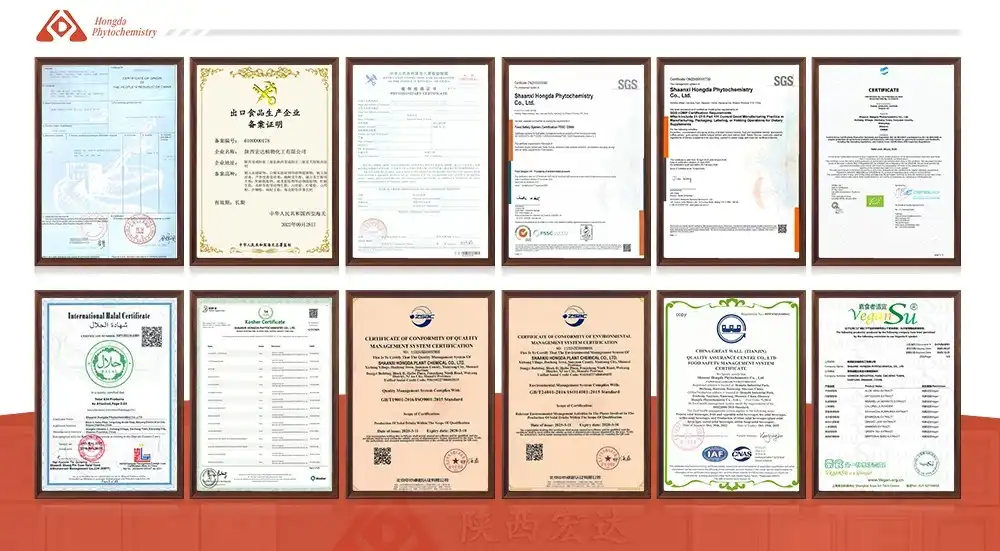
To get Liposomal Silymarin Powder for controlled markets, you have to carefully check the Certifications of the suppliers. Depending on what they are making, manufacturing sites should have cGMP approval that is specific to making dietary supplements or medicines. In addition to the manufacturer's own approval, third-party proof through SGS testing or similar independent labs is an important way to make sure the quality.
Different target markets have different licensing needs. Products that will be sold in North America gain from FDA facility registration and following 21 CFR Part 111. In order to sell food in Europe, you have to follow EU Novel Foods rules and individual member state addition directives. HALAL and KOSHER certifications open up new markets, and organic certification (USDA, EU Organic, or a similar) gives natural products a higher profile in outlets that sell them.
As people learn more about allergens, it becomes more important to be clear about where phospholipids come from. Non-GMO sunflower lecithin is the best carrier for allergen-sensitive products because it doesn't contain soy, which could cause allergies, and it still does the same or better job of Packaging.
Manufacturing Capability Assessment
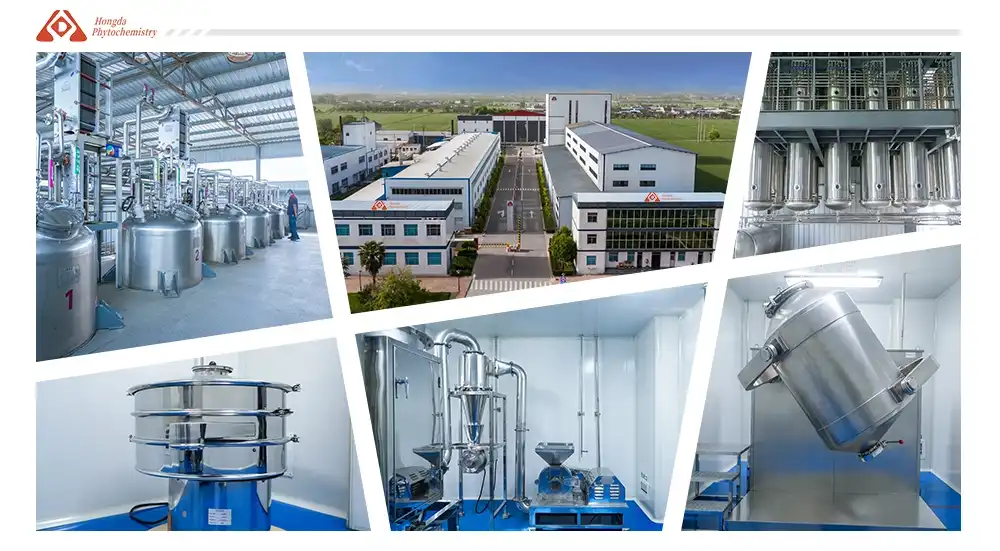
In addition to certifications, buying teams should look at how technically skilled a seller is at making things. To make advanced liposomes, you need special tools like high-pressure homogenizers that can make nanoscale particles that are all the same size and spray-drying systems that keep the liposomal structure while the powder is being turned into liposomes.
Laboratory skills set better manufacturers apart. Facilities should show that they can do scientific work to look at particle size distribution, make sure that encapsulation works by using separation methods, and test stability in a range of temperature and humidity conditions. Transmission Electron Microscopy images can show that the structure of liposomes is intact, which is something that easier analytical methods can't do.
Production size is important for the dependability of the supply line. Many square feet of 100,000-level clean rooms in facilities show that they can handle large orders while keeping pollution under control. A wide range of products with more than 400 plant extracts, like those made by well-known companies, shows that they have operating knowledge and the ability to help with formulation.
Customization and Private Label Options
Strategic supplier partners are different from commodity providers because they can adjust specs. The best makers can change the amount of silymarin (usually between 10 and 40 percent active substance), the ratios of phospholipids, and the particle sizes to meet the needs of any formulation.
Private labeling speeds up the time it takes for brands to get their products on the market. As part of the services, you should be able to get help with formulation, stability tests, unique package configurations, and regulation paperwork. Smaller brands can use liposomal technology without having to commit to huge amounts of inventory when they buy less than 5 kg.
Technical help goes beyond the initial purchase. When suppliers give advice on how to make certain structures, like capsule fillers, beverage powders, or topical uses, they add value that makes business relationships more valuable than transactional buying.
How to Integrate Liposomal Silymarin Powder into Your Product LineOptimal Dosage and Formulation Parameters
According to clinical research, the right amount of Liposomal Silymarin Powder to take is between 150 and 300 mg silymarin equivalent per serving. This is a lot less than the 300 to 600 mg that is usually needed for normal extracts. This lower dose allows for single-capsule delivery in 00-size capsules, which makes it easier for customers to take their medicine as prescribed and lowers the costs of making multiple capsule doses.
For formulation consistency, the powder's ability to absorb water is important to know. Liposomal Silymarin Powder usually has 3–5% water in it and needs to be kept below 60% relative humidity to keep it from caking. When choosing an excipient, moisture barriers should be a top priority. Microcrystalline cellulose and silica products work especially well for this. In humid places, desiccant packing or plastic packs keep food fresh longer on the shelf.
Synergistic Ingredient Combinations
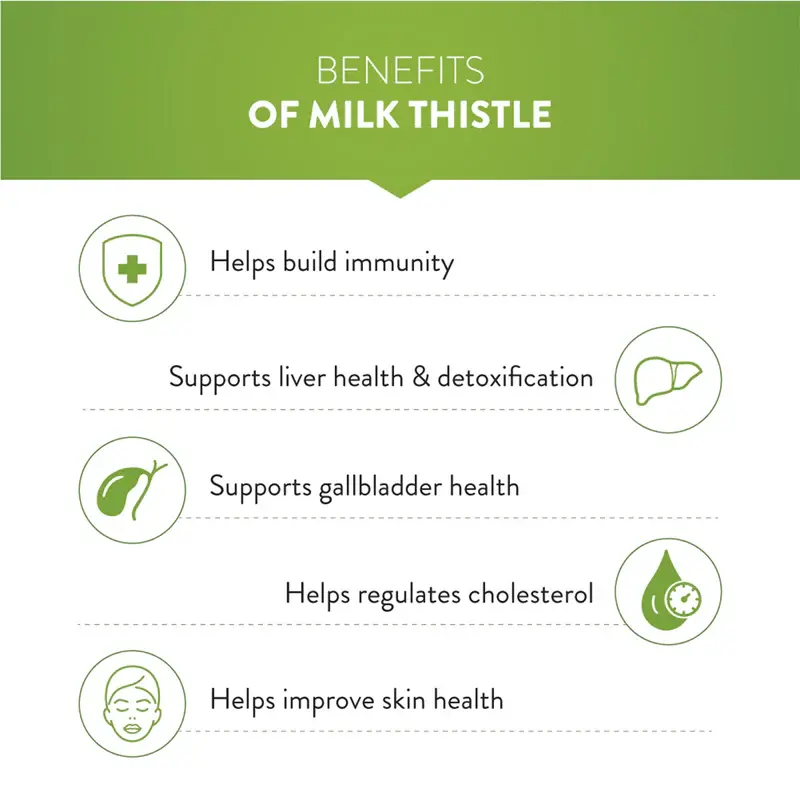
When you strategically pair ingredients, you can improve your market positioning and treatment reason. Phosphatidylcholine is naturally found in liposomes. It works with other choline sources, B vitamins (especially B6, B12, and folate), and amino acids like N-acetylcysteine to help the liver's cleansing processes.
Stacking antioxidants makes formulations that are different. When Liposomal Silymarin Powder is mixed with alpha-lipoic acid, selenium, and vitamin E, it creates multi-pathway antioxidant support that formulators are working on advanced hepatoprotective treatments like. It's possible that the liposomal transport method can help the absorption of lipophilic nutrients that have been mixed, leading to better bioavailability.
Application Across Product Categories
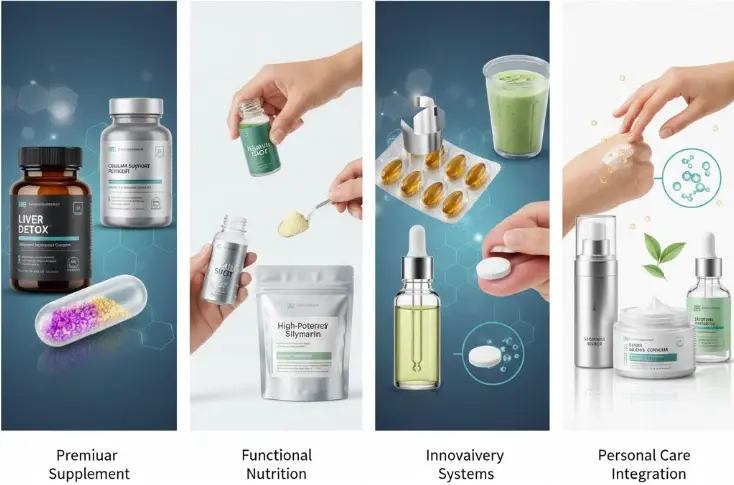
Because powder is so flexible, it can be used in several different transport methods. While capsules and tablets are still the most common forms, functional drinking powders, meal replacements, and stick pack shapes that help the liver on the go are also becoming more popular. When it comes to beverages, reconstitution qualities are important. Liposomal Silymarin Powders of good quality should mix easily with water at room temperature and stay suspended for 15 to 20 minutes, which is long enough for normal use. Silymarin has a bitter taste that gets stronger as it concentrates, so it needs to be carefully flavored. Stevia, monk fruit, and citrus oils are all natural covering agents that work well.
Nutraceutical uses in cosmetics are a growing possibility. The antioxidant and anti-inflammatory qualities of silymarin are good for your skin, especially when it comes to UV protection and skin diseases that cause inflammation. Combining Liposomal Silymarin Powder with collagen peptides, hyaluronic acid, and plant antioxidants in beauty-from-within products works on many aging pathways through a single delivery method.
Regulatory Compliance and Labeling Considerations
In controlled markets, accurate labeling is still a must. Products must list silymarin as the active ingredient and make it clear that the total powder weight is not the same as the real silymarin equivalent. Structure-function claims for liver support have a lot of support, but they need to be carefully worded to avoid making disease claims that aren't allowed.
The status of a new dietary ingredient (NDI) changes from place to place. While silymarin has been used safely for decades, the liposomal delivery method might need to be reported as an NDI in some areas based on how new it is. Consulting with governmental experts makes sure that entering the market.
Documentation for Good Manufacturing Practice should go from certificates of analysis for raw materials to tests for final products. Quality claims that set premium goods apart are based on batch records that show consistent packaging efficiency and compliance with microbial testing.
Future Prospects and Market Trends for Liposomal Silymarin PowderTechnological Advancement and Innovation
Liposomal packaging technology keeps getting better and better very quickly. Second-generation improvements include focused delivery systems with surface changes that improve hepatocyte-specific uptake. This could raise concentrations in liver tissue while lowering the amount that needs to be given to the whole body. Nanostructured lipid carriers and solid lipid nanoparticles are related technologies that offer different benefits in terms of stability and controlled release.
Manufacturing efficiency improvements continue reducing production costs. Continuous-flow processing systems replace batch production, enhancing consistency while lowering per-unit manufacturing expenses. These efficiency gains gradually narrow the pricing gap between liposomal and regular extracts, which speeds up their widespread use.
Expanding Applications Beyond Traditional Markets
While liver health remains the primary application, research exploring silymarin's broader therapeutic potential drives market expansion. Neuroprotective qualities found in preclinical models suggest that it could be used in preparations for brain health. Anti-inflammatory processes help with positioning in the areas of sports recovery and general health, which deal with systemic inflammation. These benefits are enhanced by products from a liposomal silymarin powder manufacturer.
Oncology support is a sensitive but growing area of use. Because silymarin has been shown to lessen the damage that chemotherapy does to the liver and may work with other cancer treatments, it could open up new markets in integrative oncology. These markets will need to be carefully navigated by regulators, but they have a lot of unmet clinical needs.
B2B Market Dynamics and Demand Drivers
According to a study of the global market, expensive botanical extracts with better delivery methods will grow at rates higher than 8 to 10 percent per year until 2030. This rise is due to several trends coming together: consumers' desire for natural ingredients, rising scientific knowledge that raises demand for bioavailable formulations, and trends in supplement categories that make products more expensive.
The company is quickly expanding into Asian markets because both traditional medicine practitioners and modern formulators see improved delivery methods as a way to connect traditional knowledge with modern standards of effectiveness. Regulatory integration efforts make it easier for ingredients to be traded across borders, especially within ASEAN markets.
Supply chain considerations increasingly favor manufacturers demonstrating robust quality systems and reliable logistics. Because of the problems caused by the pandemic, seller dependability became one of the most important factors in purchasing, along with price and quality. Manufacturers who keep warehouses overseas in key areas like North America and Europe protect their stock, which is a good reason for long-term relationships.
Strategic Sourcing Recommendations
For unique ingredients like Liposomal Silymarin Powder, purchasing managers should use relationship-based methods for getting them. Buying simple goods in bulk doesn't work for technically complex materials that need ongoing preparation support and quality stability.
Dual-sourcing methods lower the risk of supply without having to make the same thing twice. Finding qualified secondary suppliers whose specs are compatible gives you backup plans while keeping ties with primary suppliers that help with customization and technical development.
Long-term contracts with volume promises get better prices and make sure that supplies are distributed when capacity is limited. Forward-looking agreements with yearly price changes based on phospholipid material indices make cost structures predictable, which helps with accurate product profit forecasts.
Conclusion
Liposomal Silymarin Powder is a big step forward in the science of plant ingredients. It has been shown to improve bioavailability, which means it can be used to treat a wide range of health problems. This delivery system fixes long-standing problems with effectiveness for buying experts and formulators in the nutraceutical, pharmaceutical, and functional food industries. It also makes it easier for products to stand out in competitive markets.
The development of the technology from a new idea to a commercially viable ingredient is a reflection of how the industry as a whole is moving toward science-based formulas that meet high customer standards. To integrate well, you need to carefully evaluate suppliers, paying special attention to their manufacturing skills, ability to follow certification rules, and expert support, in addition to their prices. As the market grows and production methods get better, liposomal delivery systems will probably stop being unique and start being expected as normal. This can be a strategic benefit for brands that want to focus on making products that work.
FAQ1. What is the recommended daily dosage for liposomal silymarin powder?
Clinical studies show that 150–300 mg of Liposomal Silymarin Powder equivalent per day is a useful dose for supporting liver health in general. This is a lot less than the 300–600 mg that is usually needed for regular extracts because it is more bioavailable. For some medical uses, bigger amounts may be needed with the help of a doctor, but because of the better absorption profile, smaller serving sizes are possible compared to regular formulations.
2. How does liposomal encapsulation improve silymarin absorption?
Liposomal encapsulation makes phospholipid vesicles that have the structure of a cell membrane. This makes it easier for them to bind directly to intestinal epithelial cells and lymphatic absorption routes. This method gets around the problems caused by silymarin's low solubility in water and first-pass liver metabolism, leading to 4-6 times higher plasma amounts than with products that aren't encapsulated.
3. Is liposomal silymarin powder safe for long-term use?
Decades of research have shown that silymarin is very safe, with side effect rates below 3% and most of them being mild stomach problems. The liposomal transport method that uses food-grade phospholipids keeps this safety record and might even make it easier for the digestive system to handle. As with any supplement ingredient, goods should come with advice on how to use them correctly and when they shouldn't be used.
4. What quality parameters should procurement teams evaluate?
Among the most important requirements are capsule efficiency (aim for 85% or higher), particle size distribution (100–300nm after reconstitution), silymarin content standardization (usually 50–80%), phospholipid source and purity, moisture content (below 5%), and bacteria compliance with cGMP standards. Third-party scientific proof through SGS or similar labs is an important way to make sure of the quality of the product.
Partner with Hongda for Superior Liposomal Silymarin Solutions
Liposomal Silymarin Powder is made by Shaanxi Hongda Phytochemistry Co., Ltd., a company that has been making plant extracts for more than 20 years. We use sunflower phospholipid carriers that meet the tightest allergen and quality standards to get 85%+ encapsulation efficiency, which is standardized to 50–80% purity. As a licensed producer of Liposomal Silymarin Powder with cGMP, SGS, HALAL, KOSHER, and organic certifications, we can give you the quality assurance and regulatory compliance paperwork you need for your product to succeed. Our 20,000-square-meter building has 100,000-level cleaning workshops and full analysis labs that use Transmission Electron Microscopy and Dynamic Light Scattering to check particle sizes between 100nm and 300nm. Hongda offers both quality and partnership, with customizable minimum orders starting at 1 kg and the ability to customize to support your own formulas. Email our technical team at duke@hongdaherb.com to talk about your unique needs and get full specifications that are made to fit your application.
References
1. Biedermann, D., Vavříková, E., Cvak, L., & Křen, V. (2014). Chemistry of silybin. Natural Product Reports, 31(9), 1138-1157.
2. Hou, Y. C., Janczuk, A., & Wang, P. G. (1999). Current trends in the development of nitric oxide donors. Current Pharmaceutical Design, 5(6), 417-441.
3. Karimi, G., Vahabzadeh, M., Lari, P., Rashedinia, M., & Moshiri, M. (2011). Silymarin, a promising pharmacological agent for treatment of diseases. Iranian Journal of Basic Medical Sciences, 14(4), 308-317.
4. Loguercio, C., & Festi, D. (2011). Silybin and the liver: From basic research to clinical practice. World Journal of Gastroenterology, 17(18), 2288-2301.
5. Piazzini, V., Rosseti, C., Bigagli, E., Luceri, C., Bilia, A. R., & Bergonzi, M. C. (2019). Prediction of permeation and cellular transport of silymarin formulations across Caco-2 monolayers. Planta Medica, 85(5), 425-432.
6. Woo, J. S., Kim, T. S., Park, J. H., & Chi, S. C. (2007). Formulation and biopharmaceutical evaluation of silymarin using SMEDDS. Archives of Pharmacal Research, 30(1), 82-89.





YOU MAY LIKE