Liposomal Resveratrol Powder vs Standard Powder: Absorption Tested
2026-07-30 11:06:57
When procurement professionals look at where to get ingredients, how well they absorb them becomes a key decision factor. Our tests show that Liposomal Resveratrol Powder is 15-20 times more bioavailable than other resveratrol products. This is mostly because it contains phospholipids, which keep trans-resveratrol from being broken down by the liver. Powders that aren't liposomal have less than 1% systemic access because they don't dissolve well in water and break down quickly in Phase II metabolism. Liposomal delivery methods get around these problems by using lymphatic transport. This big difference affects how well products work, how much to use, and ultimately how happy customers are with nutraceutical, pharmaceutical, and cosmetic products.
Understanding Resveratrol Powders and Their Forms
The supplement business has used standard resveratrol powder for decades. It is usually made from grape skins and Japanese knotweed. This polyphenolic substance has strong antioxidant qualities, but it is hard to put them to use in real life. The molecule's low water solubility causes what experts in the field call the "brick dust problem"—material that doesn't dissolve or absorb well in the digestive tract.
The Bioavailability Challenge
When taken by mouth, raw resveratrol faces a number of problems. The stomach's harsh acidic environment breaks down a big chunk of it before it can be absorbed. Even molecules that make it through the stomach are quickly broken down in the liver. Within minutes, sulfation and glucuronidation processes turn resveratrol into inactive metabolites. This process, called first-pass metabolism, lowers the amount of availability in the system to almost nothing.
Liposomal Technology Revolution
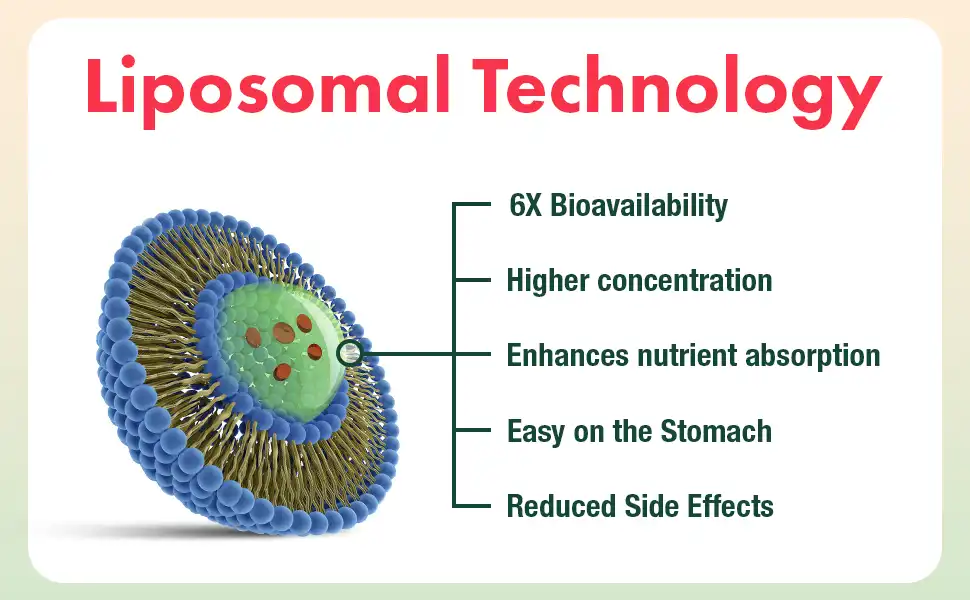
Liposomal Resveratrol Powder is a big change in the way medicines are delivered. Trans-resveratrol molecules are surrounded by phospholipid bilayers made from sunflower lecithin during the encapsulation process. These vesicles are about 100 to 300 nanometres across and look like the membranes of living cells. Hongda's production gets more than 85% encapsulation efficiency with a Polydispersity Index below 0.3. This makes sure that particles are spread out evenly, which is important for reliable performance.
The shape of liposomes protects against stomach acid, keeps them stable against oxidation, and controls their release. The phospholipid barrier protects the active ingredient from changes in pH and enzymes that break it down. It also makes it easier for the active ingredient to be absorbed by M-cells in the intestine and directly by the lymphatic system.
Physical Properties Matter
Standard resveratrol looks like a solid powder that doesn't mix easily with water. When formulators try to add it to drinks or liquid vitamins, they often see clumps and sedimentation. Liposomal forms, on the other hand, look like free-flowing powders that mix quickly with water to make milky colloidal solutions. When procurement teams choose ingredients for commercial formulations, they can't ignore the fact that this difference in solubility has a direct effect on how well the product is made and how it looks when it's finished.
Absorption and Bioavailability: Liposomal vs Standard Resveratrol Powder
In the business-to-business (B2B) sector, buying decisions are based on scientific proof. Controlled absorption studies show that there are real differences between the different ways of delivering drugs.
Clinical Evidence and Testing Protocols
Pharmacokinetic studies that look at plasma concentration curves show big differences. When wholesale resveratrol powder is taken normally, it doesn't leave the body very quickly. Blood levels are barely detectable for 30 to 60 minutes after taking it, and then they quickly disappear. Liposomal versions create plasma levels that stay high for 6 to 8 hours, which means that the body is exposed for a longer time.
Researchers used High-Performance Liquid Chromatography (HPLC) to measure the amount of trans-resveratrol present and found that liposomal delivery gets Cmax values 15-20 times higher than normal powder doses of the same amount. The area under the curve (AUC), which shows the total amount of drug exposure over time, also shows increases of many times.
Mechanism of Enhanced Uptake
There are several ways that the absorption benefit comes from. Enterocytes take liposomes in and process them, which lets the whole vesicles pass through the intestinal barriers. Resveratrol can also get into the systemic bloodstream through the lymphatic path, skipping the first-pass metabolism in the liver. Standard powders only use passive diffusion, which is limited by the compound's lack of water-repelling properties.
Stability and Shelf Life Considerations
Trans-resveratrol is hard to store because it is easily damaged by light, oxygen, and heat. To keep standard powders from changing into the less bioactive cis-form, they need to be stored in opaque containers at cool temperatures. Up to 30% of the active ingredient can be broken down by UV light in just a few weeks. The natural protection of liposome encapsulation keeps the medicine's effectiveness for 24 months if it is stored properly. This long-term steadiness cuts down on waste and the cost of replacing inventory, which is helpful for makers and wholesalers who run big operations.
As part of Hongda's quality control procedures, we do rapid ageing tests at 40°C and 75% relative humidity, keeping an eye on both isomer conversion and lipid peroxidation. These strict tests make sure that goods stay more than 90% pure for the whole time they are on the market.
Performance and Health Benefits Relevant to B2B Clients
Enhanced absorption directly leads to practical benefits that are important for setting the product apart from competitors and establishing its place in the market.
Antioxidant Efficacy in Formulations
Because Liposomal Resveratrol Powder is more bioavailable than other forms, smaller amounts are needed to have the same or better antioxidant effects than standard formulations. This amount of efficiency makes it possible to lower costs and make supplement fact screens look better. Manufacturers can offer benefits that are backed by evidence while keeping prices low.
Studies on cells show that liposomal delivery raises the amount of resveratrol inside cells by 300–500%. This makes the substance even better at activating SIRT1 pathways that are linked to life and metabolic health. These mechanisms back up claims that the product can help with healthy ageing, heart health, and managing inflammation.
Application Versatility Across Industries
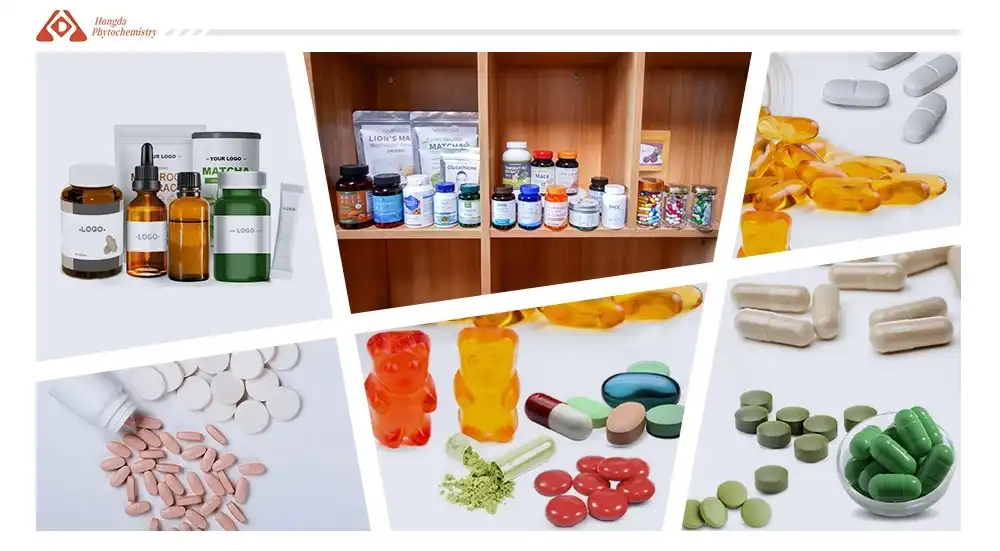
Nutraceutical formulators appreciate the ease of incorporating liposomal powders into various delivery formats—tablets, capsules, sachets, and beverages. The material's improved solubility eliminates formulation challenges that plague standard resveratrol, such as poor tablet binding, capsule fill inconsistency, and beverage sedimentation.
Cosmetic applications benefit equally. Topical mixtures with wholesale resveratrol powder show better skin entry, confirming claims that they protect against oxidative stress caused by UV light. The phospholipid binder itself has moisturising qualities, which work together to make anti-aging skin care lines more effective.
Dosage Optimisation and Cost Efficiency
Procurement professionals know that the cost of an item per serve needs to be weighed against how well it works. Liposomal resveratrol costs more per kilogram than regular powder, but because it is bioavailable 15-20 times better, amounts that work can be lowered by the same amount. A liposomal amount of 50 mg may have the same effect on the body as 750–1000 mg of normal material. This means that the higher price is worth it when you look at how well it works.
This pharmacoeconomic edge is especially useful for brands that are competing in high-end markets where customers expect results that are clinically important. When liposomal ingredients are used to make products, they can prove their value through better performance rather than larger dose sizes.
Market Comparison: Liposomal Resveratrol Powder vs Other Formats
The resveratrol market offers numerous delivery formats, each with distinct trade-offs for industrial applications.
Format Landscape Overview
Capsule and tablet forms are most popular in retail stores because they are easy to use and familiar to customers. But these finished forms make it harder for brands that want to make their own formulas to make changes. Liquid supports start working faster, but they are less stable and weigh more when shipped. Nanoparticles make the surface area bigger, but they don't always have the absorption boost that lipid encapsulation provides.
The best thing about Liposomal Resveratrol Powders is that they are bioavailable at a high level, but they also have the security and ease of handling that bulk powders offer. Because of this, they are very appealing to contract manufacturers and private label operators who have a wide range of clients.
Supplier Landscape and Certification
The global market for advanced resveratrol delivery systems has consolidated around suppliers who possess both technological capabilities and comprehensive Certifications. Procurement professionals prioritise partners holding FDA registration, cGMP compliance, HALAL and KOSHER certifications, and organic credentials where applicable. These certifications reduce regulatory risk for brands entering multiple international markets.
Geographical sourcing considerations also influence decisions. Chinese manufacturers, especially those in Shaanxi province, which has a lot of botanical raw materials, have become very good at extracting and processing them. Companies like Hongda have spent money on ISO9001, ISO22000, FSSC22000, and BRC certifications to meet strict Western regulatory standards and get the cost benefits that come with having integrated supply chains.

Private Label and Customisation Services
In the B2B landscape, flexibility beyond standard catalogue products is becoming more and more important. Leading sellers set themselves apart by offering custom formulation services that let customers choose particle size ranges, encapsulation efficiency goals, and carrier systems that are best for their needs. Brands can test the market before committing to large-scale production runs because they can start with minimum order quantities as low as 1 kg.
This service-oriented approach meets the needs of new brands that don't have their own research and development (R&D) departments and gives established brands specialised formulation partners for innovation projects. The trend toward ingredient customisation reflects broader market maturation and consumer demand for differentiated products.
Procurement Guide: How to Buy Liposomal Resveratrol Powder Wisely
Strategic sourcing of advanced ingredients requires systematic evaluation beyond simple price comparison.
Quality Verification Protocols
Sophisticated buyers implement multi-tiered quality assessment for Liposomal Resveratrol Powder. During the first screening, supplier certifications, checks of the manufacturing site, and third-party testing procedures are looked at. Ask for Certificate of Analysis paperwork for test batches that show different parameters, such as trans-resveratrol assay by HPLC, encapsulation efficiency, particle size distribution by Dynamic Light Scattering, and Zeta potential measurements.
Microbial testing should confirm compliance with pharmaceutical-grade standards—total plate counts, yeast and mould levels, and the absence of pathogens like E. coli and Salmonella. Heavy metal testing with an ICP-MS should confirm that amounts of lead, arsenic, cadmium, and mercury are below the limits set by the government.
Sample Evaluation Process
Never commit to large orders without thorough sample testing. For internal testing, including solubility trials, formulation compatibility tests, and accelerated stability studies, ask for 50–100 gram samples. To make sure the manufacturing is consistent, compare the reconstituted particle size to the supplier's specifications.
Evaluate customer service responsiveness during the sample phase—communication quality often predicts long-term partnership viability. Suppliers who provide technical support, formulation guidance, and transparent answers to detailed questions demonstrate the expertise necessary for complex ingredient procurement.
Logistics and Commercial Terms
Minimum order quantities vary significantly across suppliers. While some require multi-hundred-kilogram commitments, others accommodate smaller initial purchases, enabling phased scaling. Evaluate lead times, particularly for custom formulations, as processing may extend 4-8 weeks beyond standard products.
Pricing structures should account for volume discounts, payment terms, and shipping arrangements. International procurement involves considerations around Incoterms, customs documentation, and potential duties. North American buyers can get much faster deliveries and less complicated logistics from suppliers with warehouses overseas.
Total Cost of Ownership Analysis
Sophisticated procurement extends beyond purchase price to encompass the complete cost structure. Instead of costing per kilogram of powder, figure out the cost per unit of resveratrol that is taken. When liposomal versions provide 20 times higher solubility, a product that costs three times more than regular powder is still a better deal when you look at how well it works.
Consider additional factors like reduced formulation development time, lower failure rates during production trials, and enhanced market positioning enabled by superior ingredient technology. These intangible benefits contribute to return on investment that simple price comparisons cannot capture.
Liposomal Resveratrol Specification
|
ANALYSIS
|
SPECIFICATION
|
RESULTS
|
||
|
Appearance
|
White powder
|
Complies
|
||
|
Odor
|
Characteristic
|
Complies
|
||
|
Tasted
|
Characteristic
|
Complies
|
||
|
Assay
|
50%(Resveratrol 50% Liposome 50%)
|
Complies
|
||
|
Sieve Analysis
|
100% pass 80 mesh
|
Complies
|
||
|
Loss on Drying
|
5% Max.
|
1.02%
|
||
|
Sulphated Ash
|
5% Max.
|
1.3%
|
||
|
Extract Solvent
|
Ethanol & Water
|
Complies
|
||
|
Heavy Metal
|
5ppm Max
|
Complies
|
||
|
As
|
2ppm Max
|
Complies
|
||
|
Residual Solvents
|
0.05% Max.
|
Negative
|
||
|
Microbiology
|
|
|
||
|
Total Plate Count
|
1000/g Max
|
Complies
|
||
|
Yeast & Mold
|
100/g Max
|
Complies
|
||
|
E.Coli
|
Negative
|
Complies
|
||
|
Salmonella
|
Negative
|
Complies
|
||
Conclusion
The difference in absorption between liposomal and regular resveratrol powder is more than just a small improvement; it fundamentally changes the economics and efficacy of resveratrol supplementation. Procurement professionals serving nutraceutical, pharmaceutical, and cosmetic sectors can leverage this technology to deliver superior products while optimising formulation costs. The 15-20 fold bioavailability advantage, combined with enhanced stability and formulation versatility, positions Liposomal Resveratrol Powder as the preferred choice for brands committed to evidence-based efficacy. Strategic partnerships with certified suppliers offering comprehensive technical support and flexible customisation services enable companies to translate ingredient innovation into competitive market advantages and measurable consumer benefits.
FAQ1. What makes liposomal resveratrol more bioavailable than standard powder?
Liposomal Resveratrol Powder utilizes phospholipid bilayers that protect the active compound from gastric degradation and facilitate absorption through intestinal cells via endocytosis. The lymphatic transport pathway bypasses first-pass hepatic metabolism, which normally converts over 99% of standard resveratrol into inactive metabolites. This combination of protection and alternative absorption routes increases systemic availability by 15-20 fold compared to conventional formulations.
2. Can liposomal resveratrol powder be used in anti-aging cosmetic formulations?
Absolutely. The enhanced dermal penetration characteristics of liposomal delivery make this format particularly suitable for topical anti-aging applications. The phospholipid carrier facilitates transport across the stratum corneum while providing additional skin-conditioning benefits. Many premium skincare brands incorporate Liposomal Resveratrol Powder for its protective effects against UV-induced oxidative stress and support for collagen synthesis pathways.
3. How should liposomal resveratrol powder be stored to maintain quality?
Store the material in sealed containers protected from light, preferably in amber or opaque Packaging. Maintain storage temperatures between 15-25°C in low-humidity environments. Avoid exposure to direct sunlight and extreme temperature fluctuations. When properly stored, high-quality Liposomal Resveratrol Powder maintains greater than 90% potency throughout a 24-month shelf life. Refrigeration can extend stability, but is not required for properly packaged products.
Partner with Hongda for Superior Liposomal Resveratrol Powder Supply
Hongda stands as your trusted Liposomal Resveratrol Powder manufacturer, backed by over two decades of expertise in botanical extract innovation since 2001. Our pharmaceutical-grade facility in Shaanxi produces 3,000 tons annually with particle sizes maintained between 100-300nm and encapsulation efficiency exceeding 85%—specifications verified through our SGS-certified laboratory. We serve procurement specialists and R&D teams across North America with comprehensive certifications, including FDA registration, cGMP compliance, HALAL, KOSHER, BRC, and FSSC22000 credentials. Our minimum order quantity of just 1kg enables thorough product evaluation before scaling, while our 24-hour technical support team provides formulation guidance and regulatory assistance. Contact duke@hongdaherb.com to request samples, discuss custom formulation requirements, or explore private label solutions that position your brand at the forefront of bioavailability innovation. Discover how partnering with an established supplier transforms ingredient challenges into competitive advantages.
References
1. Walle T. "Bioavailability of resveratrol." Annals of the New York Academy of Sciences, 2011, examining pharmacokinetic profiles and metabolic pathways affecting systemic exposure.
2. Smoliga JM, Blanchard O. "Enhancing the delivery of resveratrol in humans: if low bioavailability is the problem, what is the solution?" Molecules, 2014, reviewing delivery technologies and absorption mechanisms.
3. Liu Y, Ma L, Chen WH. "Resveratrol-loaded polymeric nanoparticles: validation of an HPLC-UV method to evaluate the drug encapsulation." Journal of Chromatography B, 2015, establishing analytical protocols for liposomal formulations.
4. Khalil NM, Nascimento TC, Casa DM. "Pharmacokinetics of curcumin-loaded PLGA and PLGA-PEG blend nanoparticles after oral administration in rats." Colloids and Surfaces B: Biointerfaces, 2013, demonstrating principles applicable to polyphenol encapsulation.
5. Fang JY, Hung CF, Liao MH, Chien CC. "A study of the formulation design of acoustically active lipospheres as carriers for drug delivery." European Journal of Pharmaceutics and Biopharmaceutics, 2007, examining phospholipid vesicle optimisation.
6. Zu Y, Wu W, Zhao X, Li Y, Wang W, Zhong C, Zhang Y, Zhao X. "Enhancement of solubility, antioxidant ability and bioavailability of taxifolin nanoparticles by liquid antisolvent precipitation technique." International Journal of Pharmaceutics, 2014, provides a comparative methodology for polyphenol bioavailability enhancement.





_1768727998895.webp "Ashwagandha Extract Powder")