Can Liposomal Vitamin C Powder Bulk Replace Regular Ascorbic Acid?
2026-07-30 10:48:17
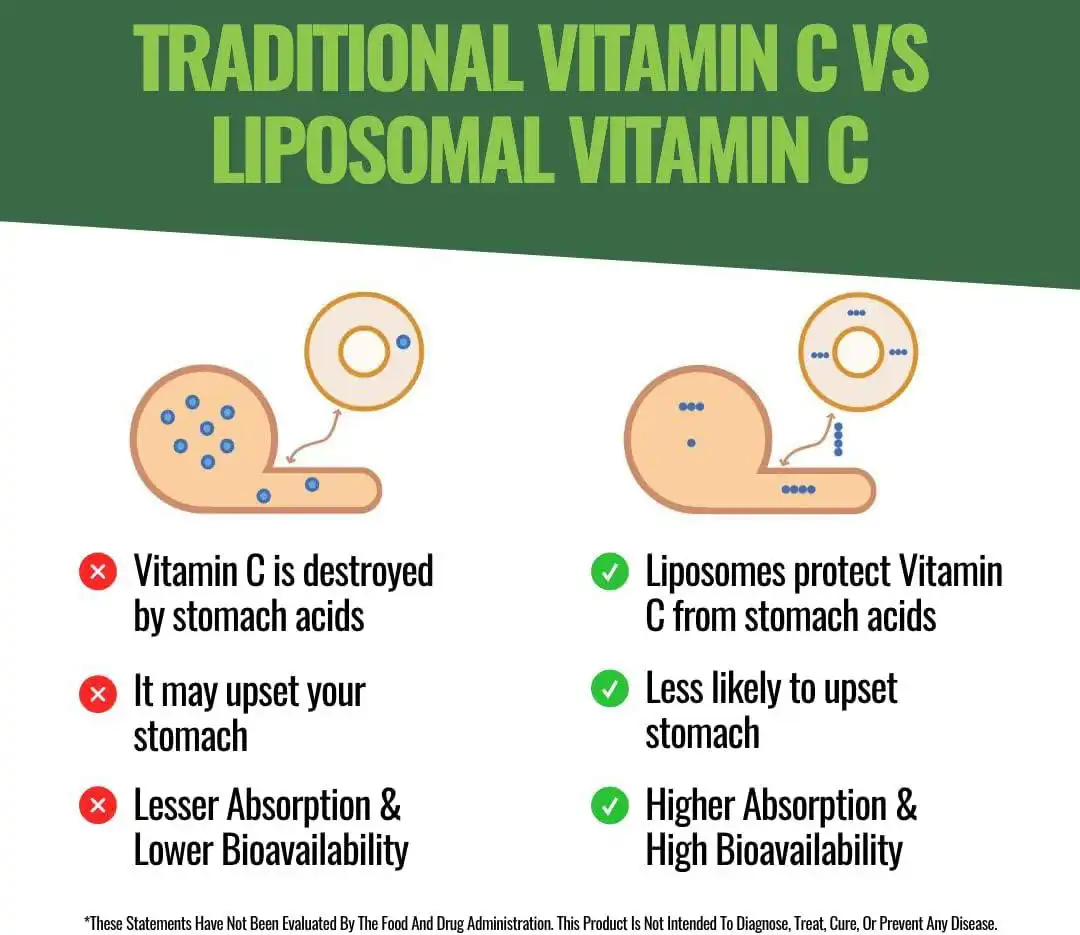
Liposomal Vitamin C Powder Bulk is a big step forward from regular ascorbic acid because it is five to six times more bioavailable thanks to phospholipid encapsulation technology. This improved delivery system lets vitamin C get through intestinal transport channels that are already full, achieving absorption rates of 85–90% compared to 15-20% for regular ascorbic acid. The technology gets rid of the stomach irritation that comes with high doses of vitamin C and makes commercial versions more stable. Because of this, Liposomal Vitamin C Powder Bulk is becoming a more popular raw material for nutrition companies that want to make their products work better while still meeting high-quality standards.
Understanding Liposomal Vitamin C Powder vs Regular Ascorbic Acid
The main difference between these two types is how they are delivered and how the molecules are built. Traditional ascorbic acid is made up of separate crystals that depend on SVCT1 transport pathways in the gut wall to move around. These channels get full very quickly, especially at doses above 200 mg, which makes it harder for the drug to be absorbed and is flushed out of the body inefficiently.
Advanced Encapsulation Technology
Our production process makes circular structures on a nanoscale level. Vitamin C molecules get stuck inside phospholipid bilayers made from non-GMO sunflower or soy lecithin. The diameter of these two layers is between 100 and 400 nm, and their polydispersity index is less than 0.3. They look like the membranes of living cells. This careful engineering makes sure that all production batches work the same way. We're able to encapsulate 85–90% of the vitamin C, which means that almost all of it is protected by the lipid shell instead of being free molecules that could break down.
Absorption Pathway Advantages
When Liposomal Vitamin C Powder Bulk goes into the gut system, it is absorbed in a very different way. Through a process called membrane fusion, the phospholipid coating lets the cells directly connect with the membranes of the intestinal cells. This gets around the saturable transport routes that normally stop vitamin C intake. This leads to sustained plasma concentration levels that stay high for long periods of time. This makes it easier for tissues to get this important nutrient. This process works especially well for formulas that are meant to boost the immune system or make collagen.
Chemical Stability Benefits
Regular ascorbic acid oxidises quickly when it comes in contact with water, heat, or light, which makes it hard for manufacturers to make formulas. When our powder is kept at -20°C, the lipid encapsulation forms a protective layer that keeps the powder fresh for three years, which is a lot longer than before. Because it is stable, there is no need for preservatives or cooling during shipping, which cuts down on transportation costs by a large amount. The fine powder's light yellow colour stays the same while it's being stored, unlike crystalline ascorbic acid, which can change colour over time.
Key Performance and Quality Factors for Bulk Procurement
When purchasing vitamin C ingredients, procurement experts have to look at more than just basic claims about how effective they are. The strict standards needed for pharmaceutical-grade uses are reflected in our product specs.
Quality Certifications and Compliance
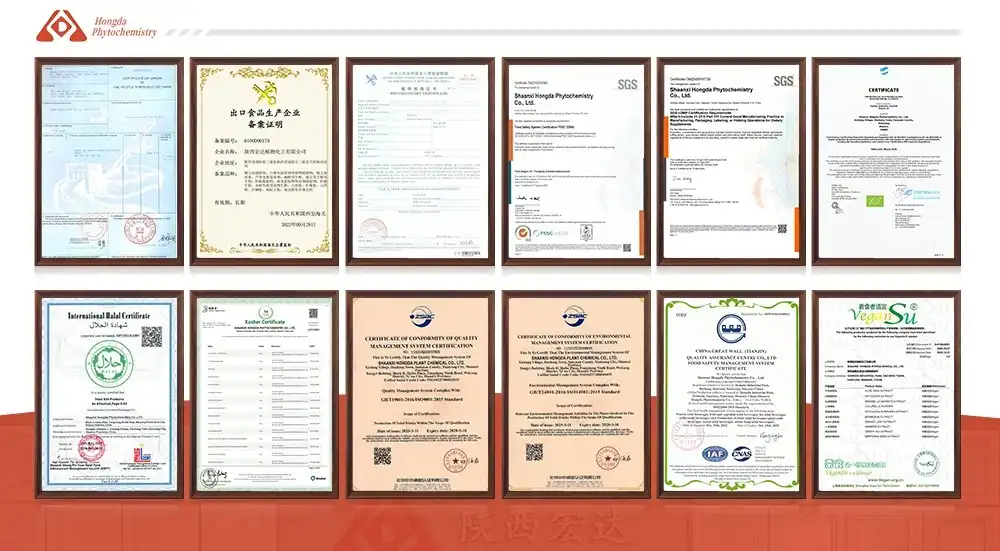
Shaanxi Hongda Phytochemistry has many Certifications, such as being registered with the FDA, being a cGMP factory, being HALAL, KOSHER, BRC, ISO9001, ISO22000, ORGANIC, and FSSC22000. These credentials show that our whole production chain follows foreign quality control systems. Every batch goes through third-party verification testing at our SGS-certified lab, which gives us certificates of analysis that meet the rules in North America, Europe, and Asia. cGMP compliance makes sure that you can track where the raw materials come from, all the way to the final Packaging. This is very important for pharmaceutical and cosmetic applications that need verified supply chains.
Specifications and Technical Parameters
Our normal Liposomal Vitamin C Powder Bulk is made up of 50–55% pure vitamin C, and the rest is made up of pharmaceutical-grade phospholipids and stabilising agents. Microfluidization technology tightly controls the particle size distribution, making liposomes that are all the same size and can be reliably reconstituted in water. Formulators can be sure of the results they will get when they use this consistency in capsule filling or beverage powder applications. The bulk density makes it easy to package things in 12 kg drums, and the fact that there are 27 drums on a pallet makes containerised shipping for international distribution possible.
Shelf Life and Storage Requirements
Powders have a much longer shelf life at -20°C, which is three years longer than liquid liposomal versions, which need to be kept cool. This longer-term steadiness makes managing goods easier and cuts down on waste from old materials. When the powder is spread out at room temperature, it stays intact for a decent amount of time without breaking down. Controlling the humidity while storing keeps the free-flowing qualities that are needed for automated manufacturing processes. For bulk buyers who manage global supply lines, these real factors have a direct effect on the total cost of ownership.
Comparing Liposomal Vitamin C Powder with Alternative Forms
B2B buyers can choose from a number of vitamin C formats, each of which has different effects on production and market placement. Knowing these differences helps you choose ingredients in a way that fits with your product development goals.
Powder Versus Liquid Liposomal Formats
Liquid liposomal vitamin C products are ready to drink right away, which is convenient, but they pose big practical problems. These goods need to be kept cold all the time, which limits their distribution options and raises the risk of spoilage. The Liposomal Vitamin C Powder Bulk form gets rid of these problems while keeping the absorption benefits of liposomal delivery. When our powder is mixed with water, it automatically makes liposomes through self-emulsifying processes. This means that you get fresh liposomal structures when you eat it. This method works great for stick pack sachets and functional drink mixes that people add water to right before drinking.
Encapsulated Powder Versus Standard Capsules
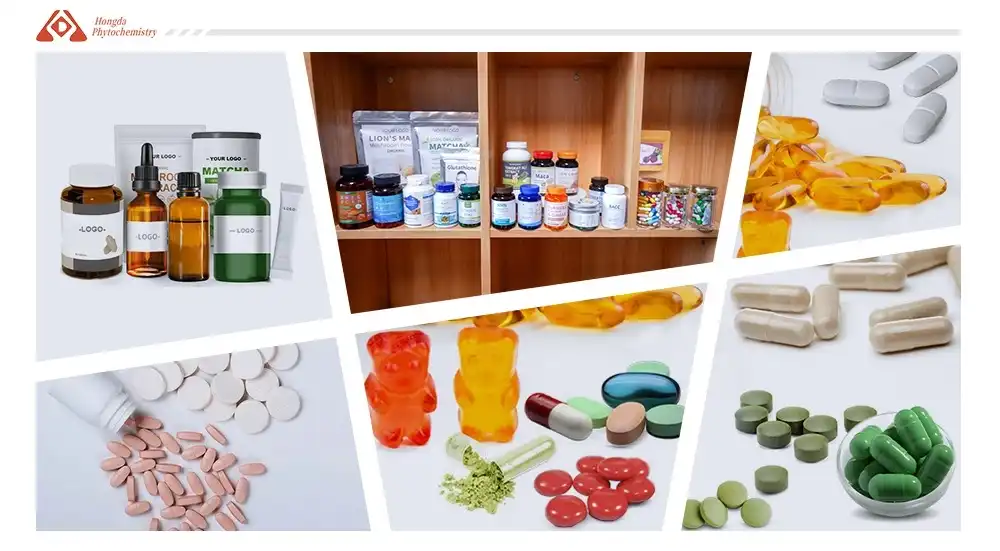
Crystalline ascorbic acid or sodium ascorbate is pressed into gelatin shells in traditional vitamin C capsules. These give you vitamin C in its natural form, but they may not be absorbed completely because of the problems we talked about earlier. Our Liposomal Vitamin C Powder Bulk puts vitamin C already contained inside capsules, changing the way the medicine is delivered while keeping the ease of capsule dosage forms. Liposomal Vitamin C Powder Bulk has a higher bulk density, which makes it possible to fill size 0 or 00 capsules with medically useful amounts. This mix gives you the best bioavailability in formats that people are used to and trust.
Organic Versus Synthetic Phospholipid Sources
The phospholipid carrier part has a big effect on both where the product is placed and how much it costs to make. Organic lecithin from sunflowers costs more, but it's popular in natural product markets that have strict rules about what ingredients can be used. Conventional soy lecithin works just as well and costs less, making it a good choice for mass-market uses. Both choices have the membrane-mimicking qualities that liposomes need to work. Because we can customise, formulators can choose phospholipid sources that fit with how they want to position their brand and reach their target audience.
Procuring Bulk Liposomal Vitamin C Powder: What B2B Buyers Should Know
To successfully source bulk ingredients, you need to look at more than just the supply of products from a seller. The right manufacturing partner works with your product development team to make it better.
Supplier Evaluation Criteria
When making liposomal technology, manufacturing knowledge is very important. Since we've been in business since 2001, more than 20 years, we have institutional knowledge that newer suppliers don't have. Advanced extraction tools, full production lines for natural plant extracts, and an R&D team of over 20 professors from top universities make it possible to solve technical problems. Supply chain management that can respond to changes is made possible by production capacity that supports quick turnaround within 3–7 working days. These operational basics tell you the difference between suppliers who can grow with your business and those whose performance changes all the time.
Minimum Order Quantities and Pricing Structures
Our standard packaging of 27 12-kg drums on a pallet sets the MOQ levels that are needed for international shipping. This setup makes the best use of the containers while still being easy for medium-sized companies to use when trying new formulas. Structures of prices are based on commitments to buy a lot of something, and there are tiered discounts for long-term supply relationships. The three-year shelf life helps with strategic stocking planning by letting buyers get better deals when they buy in bulk without having to worry about too much waste.
Custom Formulation and Private Label Services
To make a product stand out, you need to find custom ingredient solutions that go beyond commodity specifications. We can customise the encapsulation process to get the best results, change the particle size for certain uses, and change the amount of vitamin C to fit your specific formulation needs. As part of private label services, packaging can be customised, and legal paperwork can be helped with to meet the needs of each market. With these tools, brand owners can create unique formulas that rivals can't easily copy, giving them a strong position in the market.
Practical Applications and Future Trends in Liposomal Vitamin C Powder Usage
Liposomal Vitamin C Powder Bulk can be used in a lot of different ways and supports a lot of different industries that are growing quickly.
Nutraceutical and Dietary Supplement Applications
Supplements for immune health are the main market for Liposomal Vitamin C Powder Bulk. The improved bioavailability directly addresses consumers' doubts about the effectiveness of vitamins, giving supplements a real edge in crowded categories. Anti-aging and skin health products use vitamin C's ability to help make collagen, and liposomal delivery makes sure that the right amount of vitamin C reaches all the tissues it needs to reach. High-dose vitamin C is used in athletic performance and healing goods without causing stomach problems like traditional formulations do. People are becoming more aware of bioavailability concepts, which means that these uses are growing.
Functional Food and Beverage Integration
With liposomal powder technology, it is now possible to add highly useful amounts of vitamin C to everyday foods. Lipid encapsulation creates a neutral taste profile that gets rid of the acidic notes that make vitamin C less useful in many beverage applications. Our powder works perfectly in instant coffee brews, electrolyte water mixes, and meal replacement shakes. When people add water, the self-emulsifying features make sure that liposomes are always formed, providing advanced delivery technology in easy-to-use forms.
Cosmetic and Dermatological Formulations
Liposomal encapsulation is a good way to solve the stability problems that topical vitamin C products have. Our powder can be mixed into serums and creams to protect vitamin C from oxidation and make it easier for the product to reach the skin. In addition to vitamin C, the phospholipid content helps the skin's barrier function. Professional skin care brands use this ingredient to support their high prices by showing that it makes their products work better.

Conclusion
In conclusion, Liposomal Vitamin C Powder Bulk is clearly better than regular ascorbic acid in terms of bioavailability, stability, and recipe flexibility, all of which are important factors for businesses making choices about what to buy. The technology is better for high-dose uses because it can deliver five to six times higher absorption while preventing stomach irritation. Even though the unit price is higher, the manufacturing benefits, such as longer shelf life, easier transportation, and flexible format integration, make the total cost advantages very strong. As people learn more about how to absorb nutrients and as governing bodies become more open to new delivery systems, liposomal forms will continue to grow their market share in the nutraceutical, pharmaceutical, and cosmetic industries.
FAQ1. Is liposomal vitamin C powder safe for large-scale commercial use?
The technology keeps its GRAS rating and follows FDA rules for chemicals in dietary supplements. Our certifications, such as cGMP, ISO22000, and FSSC22000, show that our food safety management system meets the requirements for making pharmaceuticals and nutraceuticals.
2. How should bulk liposomal vitamin C powder be stored?
For the three-year shelf life, the best place to store it is at -20°C. Ambient warehouse storage is still fine for shorter periods of time as long as the temperature is controlled properly to keep dampness from absorbing.
3. Can liposomal powder integrate into existing manufacturing lines?
Standard capsule filling tools and powder mixing devices can work with the powder because it flows easily. If you want to reconstitute in a liquid, you usually only need to add more mixing time to make sure that all the liposomes form.
Partner with a Trusted Liposomal Vitamin C Powder Bulk Manufacturer
Shaanxi Hongda Phytochemistry can help you find the ingredients you need because they have been making natural extracts for more than 20 years. Our Liposomal Vitamin C Powder Bulk gives your formulations the bioavailability benefits they need. It is certified by a number of groups, such as the FDA, cGMP, HALAL, KOSHER, and ISO. We are more of a strategic supplier than a transactional vendor because we can meet shipping times of 3–7 days and offer customisation services that are suited to your needs. Our designation as an overseas warehouse makes international shipping easier to markets in North America, Europe, and Asia. During the whole process of developing a product, our team is here to help you with technical issues, whether you need small amounts for testing or large orders in containers. Email us at duke@hongdaherb.com to talk about your specific formulation needs and get detailed COA documentation that shows our quality standards as a top Liposomal Vitamin C Powder Bulk supplier.
References
1. Carr, A.C. & Vissers, M.C. (2013). "Synthetic or food-derived vitamin C—are they equally bioavailable?" Nutrients, 5(11), 4284-4304.
2. Davis, J.L., Paris, H.L., Beals, J.W., et al. (2016). "Liposomal-encapsulated Ascorbic Acid: Influence on Vitamin C Bioavailability and Capacity to Protect Against Ischemia-Reperfusion Injury." Nutrition and Metabolic Insights, 9, 25-30.
3. Hickey, S., Roberts, H.J., & Miller, N.J. (2008). "Pharmacokinetics of oral vitamin C." Journal of Nutritional & Environmental Medicine, 17(3), 169-177.
4. Padayatty, S.J. & Levine, M. (2016). "Vitamin C: the known and the unknown and Goldilocks." Oral Diseases, 22(6), 463-493.
5. Zhao, L., Zhang, Y., Liu, G., et al. (2020). "Advances in liposomal drug delivery systems for vitamin supplementation." Journal of Controlled Release, 328, 446-461.
6. Gopi, S. & Balakrishnan, P. (2021). "Evaluation and clinical comparison studies on liposomal and non-liposomal ascorbic acid in human volunteers." Journal of Liposome Research, 31(4), 356-364.