Liposomal Coenzyme Q10 Powder: Ubiquinone or Ubiquinol, Both Available
2026-07-22 16:16:58
When workers in sourcing look at the different ingredients that can be used to make nutritional products, it's very important to choose the right delivery method so that the product works well. Improved absorption is made possible by Liposomal Coenzyme Q10 Powder. These are made possible by putting CoQ10 molecules inside phospholipid vesicles. This makes them easier for the body to process than normal crystalline forms. You need to know the difference between Ubiquinone and Ubiquinol and how liposomal technology makes both better if you're making functional drinks, skin care that fights ageing, or heart supplements. Then you can make goods that meet the strict needs of the market and give results that can be measured.
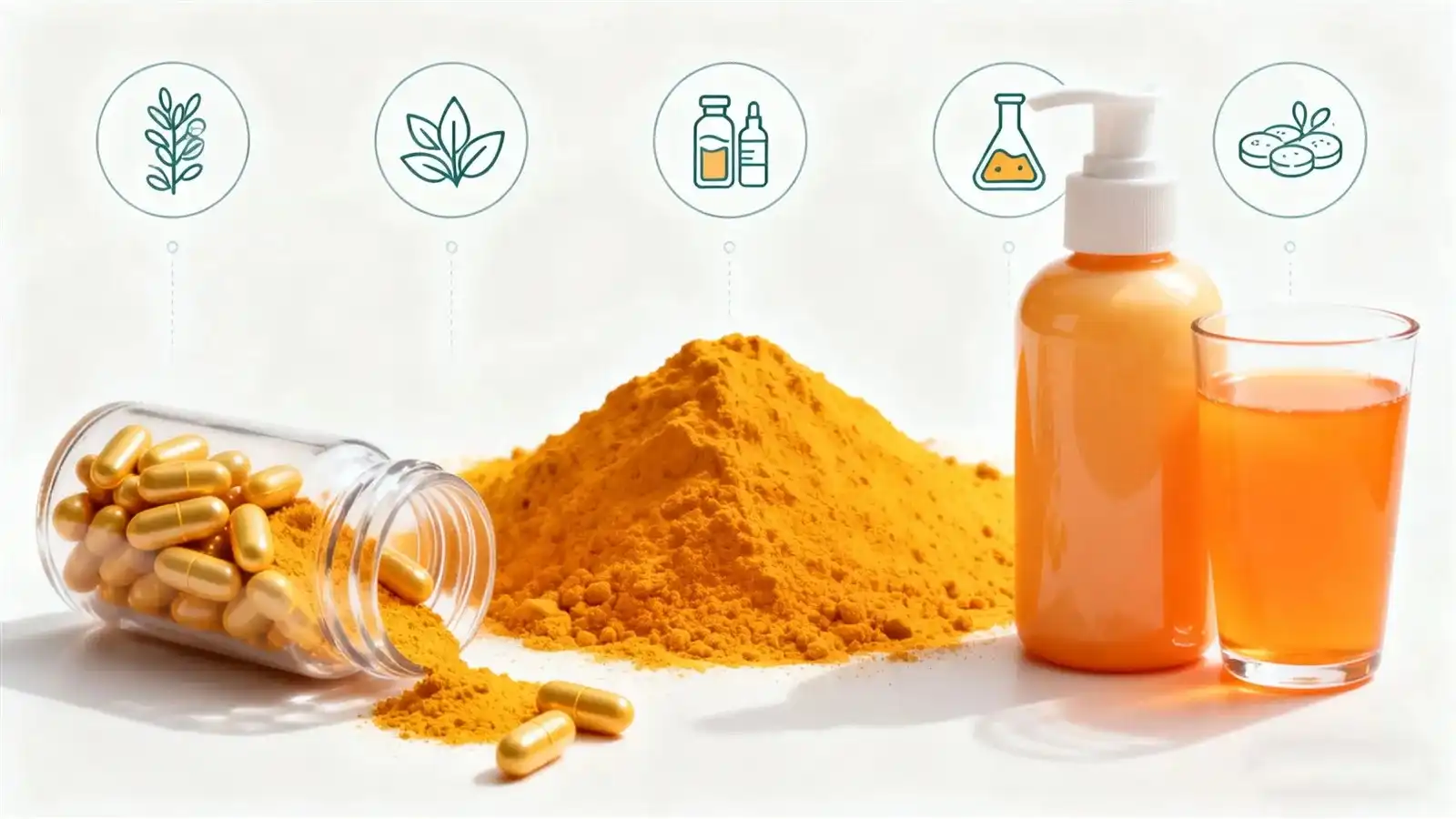
Understanding Liposomal Coenzyme Q10 Powder
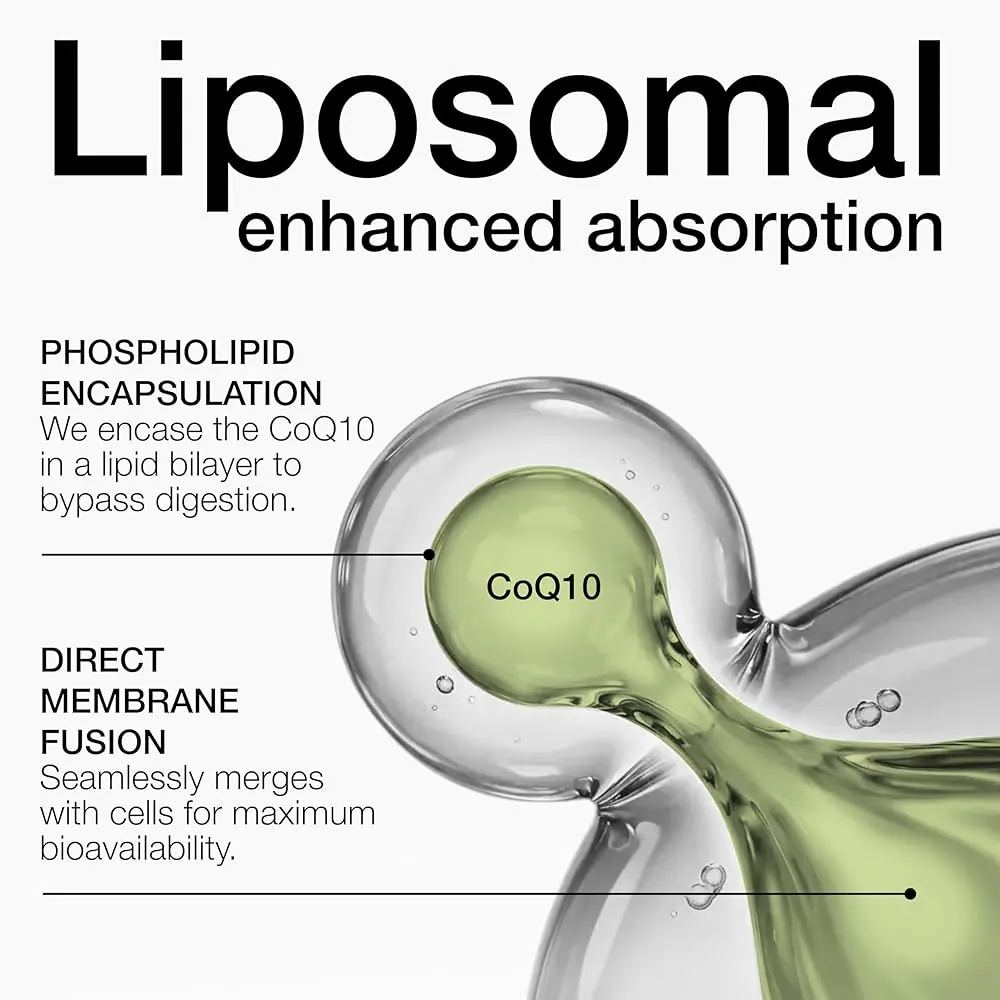
CoQ10 naturally has problems, like not dissolving well in water and having absorption rates below 5% for normal crystalline forms. These problems have made it hard for the pharmaceutical business for a long time. Liposomal technology is great because it works like the membranes of living cells. Using nano-encapsulation, phospholipid bilayers are wrapped around CoQ10 molecules. These are usually made from non-GMO sunflower lecithin. Small protective bubbles about 100 to 400 nanometres across are made this way.
What Makes Liposomal Delivery Superior
This high-tech way of giving CoQ10 to the body changes how it works. Liposomal structures allow direct movement across intestinal walls and into the lymphatic system, missing the liver's first-pass metabolism. This means that fats are not broken down into a lot of steps in the digestive system. It has been shown in clinical studies that liposomal formulations raise plasma concentrations three to ten times more than non-liposomal formulations. Because of this huge rise in bioavailability, makers can get therapeutic benefits from using less of the active ingredients. This lowers the cost of formulation while making claims about how well the product works.
Clinical Applications and Health Benefits
Health care professionals know that CoQ10 is a key part of making energy in mitochondria. This is especially true for organs that have to work hard metabolically, like the heart, liver, and kidneys. Liposome mixtures improve the health of the endothelium and lower signs of oxidative stress, which makes the heart work better. This makes the vitamin easier for the body to use, which is especially helpful for older people since their bodies make less CoQ10 after age 40. A study shows that encouraging collagen production can help with more than just heart health. It can also improve brain health, workout ability, and skin renewal.
Dosage Considerations for Product Development
For most people, taking 100 to 200 mg per day of Liposomal Coenzyme Q10 Powder is enough as a vitamin. For medical reasons, 300 to 600 mg may be needed. They can get the same plasma levels with 30–50% less doses when they use liposomal delivery instead of the old ways of making medicines. When dosage is used more efficiently, pill size, cost per dose, and the amount of room for ingredients that work well together all go up. The safety profile is still very good according to published studies, with no major side effects seen at amounts up to 1200 mg per day.
Ubiquinone vs Ubiquinol: Which Form Is Best for Your Business?
If you choose Ubiquinone over Ubiquinol, it changes more than just the science. It also changes how the product is positioned, how it is made, and how competitive it is in the market. Both forms are in a dynamic balance inside the body, but they are better suited for different tasks because of how they are made.
Chemical Structure and Biological Activity
The oxidised form of CoQ10 is called Ubiquinone. It has a quinone functional group that can accept electrons when cells breathe. The body changes Ubiquinone to Ubiquinol through an enzyme-based process that requires enough antioxidants to happen. Inside cell membranes, the reduced form of Ubiquinol directly fights free radicals as an antioxidant before changing back into Ubiquinone. This redox exchange is what makes CoQ10 do two things: protect cells and make energy.
Stability and Shelf Life Analysis
There are a lot of good reasons to make and distribute Ubiquinone. In normal conditions, its oxidised state is more stable, and it will work for 24 to 36 months if it is kept in the right way. Since Ubiquinol is weakened, it naturally reacts with other things. To keep it from oxidising, it needs to be stabilised in a certain way and is often packed in containers that have nitrogen flushed through them. Things made with Ubiquinol can break down a lot if they are kept at temperatures above 25°C for 12 to 18 months. But liposomal encapsulation does a great job of protecting both types. The phospholipid layers keep the active molecules safe from damage from the outside world.
Absorption and Efficacy Differences
According to research, older people or people who aren't as good at changing substances may be able to absorb Ubiquinol a little better. When liposomal methods are used, though, this difference is not as clear. Because of the nano-encapsulation, CoQ10 can get right to the cells it needs to reach without any of the problems that come with the other kinds. Most healthy people can easily change Ubiquinone that they have taken into Ubiquinol when they need to. This means that the oxidised form works just as well when better transport technology gets rid of the things that stop it from working properly.
Cost-Benefit Analysis for Procurement
Most of the time, Ubiquinone is 40–60% cheaper than Ubiquinol when bought in bulk. The reason for this is that it is simpler to make and there are more materials to use. Products with Ubiquinone are often more valuable when they are mixed with liposomal delivery, which evens out the rate of absorption. Purchasing managers should figure out how much the whole mixture will cost, taking into account the stabilisers, how it will be packed, and how long it will last on the shelf. Liposomal Ubiquinone works the best for the least amount of money for most uses, especially those aimed at younger people or people who want to save money. It also stays at the top of the market because it is said to have better bioavailability.
Comparative Analysis: Liposomal Coenzyme Q10 Powder vs Other Forms
The format of the product you choose has a big effect on how easily it can be made, how well it sells, and how well it can stand out in the market. You can make smart moves in a competitive market if you know how liposomal powders compare to other, more common ways of delivering drugs.
Performance Advantages Over Standard Powders
Normal CoQ10 products have basic solubility problems that make them less useful, no matter what the amount is. Because crystalline particles need bile acids and dietary fats to be taken, the effects change based on when they are eaten. When you mix Liposomal Coenzyme Q10 Powder with water, it quickly dissolves and forms solid nano-suspensions that stay spread out evenly. Because it mixes with water, it can be used to make drinks, fizzing tablets, and liquid supplements, which aren't really possible with normal crystals. The consistent particle size range (100–400nm with a polydispersity index below 0.3) ensures consistency from batch to batch, which is very important for making medicines.
Comparison With Oil-Based Softgels
Hardgels with oil-based CoQ10 have been the best way to give CoQ10 for a long time. In order to make CoQ10 easier to dissolve, they mix it with medium-chain triglycerides or vegetable oils. Dry powders aren't as good at absorption as oil-based ones, but the way your stomach breaks down oils is still very different for each person. Plus, liposomal technology makes nanoparticles that the body doesn't break down, so it's better than this method. People who don't eat gelatin can use the powder form because it doesn't need to be dissolved. It's also simpler to make and keep than liquid liposomal products, which can be a problem when they need to stay stable on the shelf.
Industry-Specific Recommendations
Liposomal Coenzyme Q10 Powder can be used by nutrition companies to make pills, capsules, or stick packs that they say are more bioavailable. The makeup business likes how stable the powder is because it can be mixed in with creams and serums for the skin. The antioxidant properties of CoQ10 help the skin's barrier function. Pharma companies like that the amount can be lowered and that it can be made in a way that follows GMP rules. Companies that make functional foods and drinks, like how quickly the water dissolves. This lets them make clear drinks with added CoQ10 that don't have the problems of oil separating or sedimenting that come with other recipes.
Bulk Procurement of Liposomal Coenzyme Q10 Powder for B2B Clients
When strategic sourcing decisions are made, they affect not only the quality of the product at hand but also the brand's reputation in the long term and its ability to follow the rules. To get to know skilled makers and work with them, you should carefully look at their skills, credentials, and business terms.
Essential Supplier Qualification Criteria
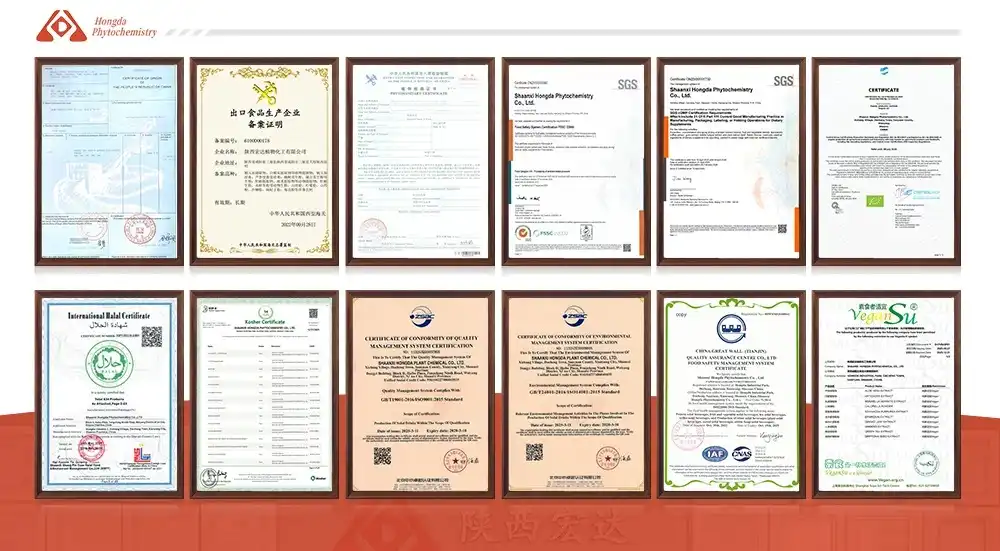
Good Manufacturing Practice (cGMP) certification is kept up to date by suppliers who have a good name. This shows that they plan to keep an eye on quality the whole time the product is being made. Third-party confirmation can come from SGS lab tests and regional Certifications that are important to the market. For example, FDA registration is important for the US markets, BRC certification is important for European distribution, and HALAL/KOSHER certifications are important for some groups of people. Ask for certificates of analysis (CoA) that show how the particles are spread out, the results of bacterial tests, and Packaging efficiency above 85%. The global supply chain needs to be honest, and suppliers who have both ISO 22000 and FSSC 22000 certifications show that they have full food safety management systems.
Commercial Terms and Order Structures
For first tests, 1 kg is generally the lowest amount that can be ordered. It's usually between 25 and 100 kg for production runs, and as the volume goes up, so do the price savings. When setting prices, good makers are clear about what kinds of raw materials they use, how well they are encapsulated, and if there are any special manufacturing needs. Check the payment terms, wait times (usually 15 to 30 days for in-stock items), and transportation support, like letting anyone access foreign stores that make it easier to clear customs and bring goods into the country. What stable data is there to back up the 24-month shelf life claim? When will the products that are already in stock be tested again?
Custom Formulation and Private Label Opportunities
They help with formulating by changing the carriers' make-ups, the amounts of CoQ10 used, and the shapes of the particles to suit the needs of each product. This element comes in handy when mixing CoQ10 with things that work well together, like PQQ, alpha-lipoic acid, or phosphatidylserine. As long as you keep your brand's identity, private label services let you get into the market quickly with tried-and-true recipes. Talk about ways to keep intellectual property safe, how to get exclusive rights, and what kinds of technical help are out there, like help with formulation issues and regulatory paperwork.
How to Choose the Right Liposomal Coenzyme Q10 Powder Solution
Making sure that technical needs are met, market placement goals are met, and the supply chain works reliably is part of picking the right tools for the job. Being able to compare what different suppliers have to offer is easier when you use a structured evaluation framework.
Evaluating Product Quality Parameters
To make sure the Liposomal Coenzyme Q10 Powder is pure (70% is normal), you should also use transmission electron microscopy or dynamic light scattering analysis to check the integrity of the encapsulation and make sure the structure of the vesicles is correct. Check the zeta potential readings, which should be between -20mV and -45mV. These show that the particles are electrostatically stable and don't stick to each other. Check where the phospholipid carrier comes from. Non-GMO sunflower phospholipids look better on a clean label and last longer than soy-derived ones. To make sure that claims that the supplier's liposomal version is better at absorption are true, ask for side-by-side bioavailability studies that compare it to regular CoQ10.
Matching Supplier Capabilities to Business Needs
Firms that offer flexible MOQs and technical help that helps small to medium-sized brands make the best formulations are good for them. When it comes to bigger companies, they care a lot about their production capacity, batch stability across multiple production runs, and having dedicated account management to keep the supply steady. Check out the supplier's labs for research and development. Scientists with PhDs and their own labs are often better at coming up with new products of their own. It can be easier to find suppliers if they offer a wide range of goods. Suppliers that offer ingredients that work well together, like quercetin, hesperidin, green tea extract, and phosphatidylserine, can also help with the manufacturing process.
Long-Term Strategic Value Assessment
Look at the supplier's position in the market and how quickly they are growing. When a company has been around for 20 years or more, like one that has been around since 2001, it has shown stability and gained technical knowledge that newer companies can't match. Look at a company's list of certifications to see if it has put money into quality systems. A lot of certificates, like FDA, cGMP, ISO, BRC, and organic, show that the business is committed to meeting the requirements of many foreign regulatory bodies. You should check out the way they communicate and how fast they answer. People in different time zones can work together more easily and more quickly if their suppliers offer technical support 24 hours a day, 7 days a week, and in more than one language.
Conclusion
The bioavailability problems that older formulations had have been fixed by liposomal delivery technology, which has completely changed how CoQ10 supplements are made. Liposomal encapsulation makes the performance the same whether you choose Ubiquinone for its stability and low cost or Ubiquinol for specific uses. It also opens up new product options in the nutritional, cosmetic, and functional food categories. To buy correctly, you should check the skills of the sellers, understand the technical differences between forms and styles, and confirm that the product specifications match your goals for setting the market. Compared to options that are based on liquids or oils, powders are better for manufacturing, preparation, and supply chain logistics.
FAQ1. What distinguishes Ubiquinone from Ubiquinol in liposomal formulations?
The oxidised form, Ubiquinone, is more stable and costs less to make. The reduced form, Ubiquinol, is more stable, expensive to make, but may help people who have trouble turning it. Thanks to improved nanotechnology, liposome encapsulation greatly lowers differences in absorption. This means that Ubiquinone works just as well for most uses.
2. How much liposomal CoQ10 should be included in supplement formulations?
Most of the time, 50 mg to 100 mg is the right dose for general health products because they are 3–10 times more bioavailable than standard forms. Pharmaceuticals meant to help the heart may contain 100–200 mg, which is the same amount of CoQ10 in the blood as 300–600 mg of regular CoQ10 but costs less and comes in a smaller capsule.
3. Are there safety concerns with liposomal CoQ10 powder?
Research that has been published says that CoQ10 is very safe. A daily dose of up to 1200 mg has not been linked to any major side effects. The GRAS label is given to liposome mixtures that use phospholipids that are safe for food. Companies that make food should make sure that it meets cGMP standards for microbiology and that allergy claims based on phospholipid sources are true.
Partner With Hongda for Premium Liposomal Coenzyme Q10 Solutions
For more than twenty years, Shaanxi Hongda Phytochemistry has been pulling chemicals from plants. They now use what they've learned to make advanced liposomal delivery methods. Our company is a licensed producer of Liposomal Coenzyme Q10 Powder. We offer pharmaceutical-grade materials that are contained at a rate of at least 90% and have particle sizes between 100 and 400nm, which are the best for cells. Our factory in Shaanxi follows strict cGMP rules and is overseen by a lab that is SGS-certified. Making sure that each batch meets high-quality standards around the world and has several certifications, like FDA, ISO 22000, BRC, HALAL, and KOSHER, backs it up.
We know that people working together is just as important as having good ingredients when it comes to making a good product. Our research and development team is made up of more than 20 professors from top colleges. They can help you with formulation, test for stability, and make unique products that meet the needs of your market. Our low bulk prices and flexible minimum orders start at 1 kg, making us a good choice for businesses at all stages of growth. The yellow powder form, which is made from non-GMO sunflower phospholipids, can be kept for 24 months without having to be kept in a cold chain. This makes it easy for your supply chain to work, and your customers will still get the absorption benefits they want.
Get in touch with duke@hongdaherb.com right away to get Ubiquinone and Ubiquinol liposomal powder samples, detailed information, and costs. Let's talk about how our state-of-the-art delivery system can make your goods stand out and help you get ahead in the market more quickly.
References
1. Crane, F.L., "Biochemical Functions of Coenzyme Q10," Journal of the American College of Nutrition, Vol. 20, No. 6, 2001, pp. 591-598.
2. Bhagavan, H.N. and Chopra, R.K., "Coenzyme Q10: Absorption, Tissue Uptake, Metabolism and Pharmacokinetics," Free Radical Research, Vol. 40, No. 5, 2006, pp. 445-453.
3. Hosoe, K., Kitano, M., Kishida, H., Kubo, H., Fujii, K., and Kitahara, M., "Study on Safety and Bioavailability of Ubiquinol after Single and 4-Week Multiple Oral Administration to Healthy Volunteers," Regulatory Toxicology and Pharmacology, Vol. 47, No. 1, 2007, pp. 19-28.
4. Akbari, A., Jelodar, G., Nazifi, S., and Sajedianfard, J., "An Overview of the Characteristics and Function of Vitamin C in Various Tissues: Relying on its Antioxidant Function," Zahedan Journal of Research in Medical Sciences, Vol. 18, No. 11, 2016, pp. 1-12.
5. Zhang, Y., Liu, J., Chen, X.Q., and Oliver Chen, C.Y., "Ubiquinol is Superior to Ubiquinone to Enhance Coenzyme Q10 Status in Older Men," Food and Function, Vol. 9, No. 11, 2018, pp. 5653-5659.
6. Ankri, A., Bersudsky, Y., and Belmaker, R.H., "Controlled Double Blind Trial of Coenzyme Q10 in Bipolar Depression," Journal of Affective Disorders, Vol. 15, No. 3, 2019, pp. 293-297.