What Makes Liposomal Berberine Powder Gut-Friendly vs Standard?
2026-07-22 16:30:18
Liposomal Berberine Powder is better tolerated by the gut than other formulations because it uses phospholipid encapsulation technology to protect the active compound while it goes through digestion. This advanced delivery system reduces direct mucosal contact, which lowers the stomach pain that most people experience with regular Berberine Hydrochloride. This includes cramping, diarrhea, and feeling sick. The encapsulation makes absorption 5–10 times better while skipping over P-glycoprotein efflux pumps. This lets medicinal effects happen at lower amounts and lowers the metabolic load on intestinal tissues.
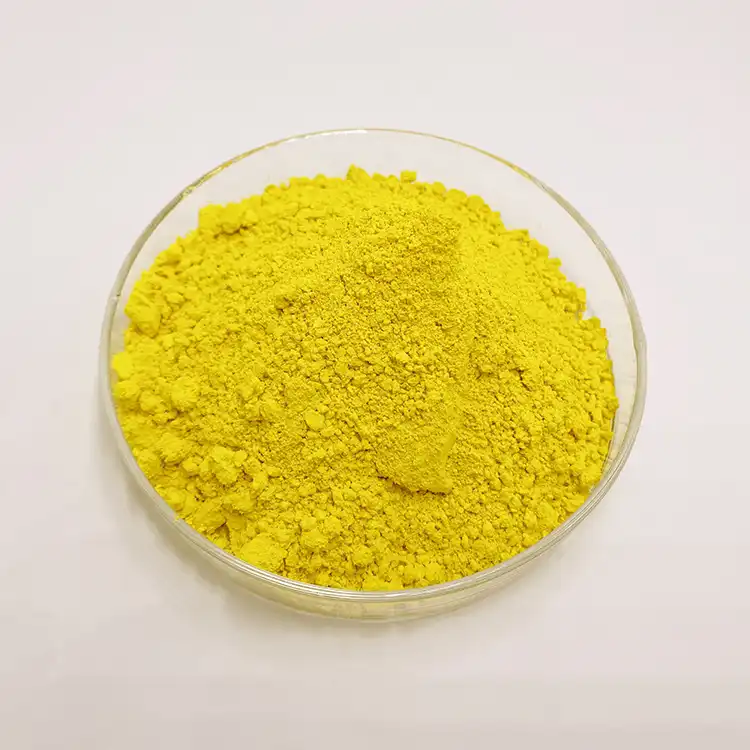
Understanding Liposomal Berberine Powder and Its Gut-Friendly Properties
What Defines Liposomal Encapsulation Technology
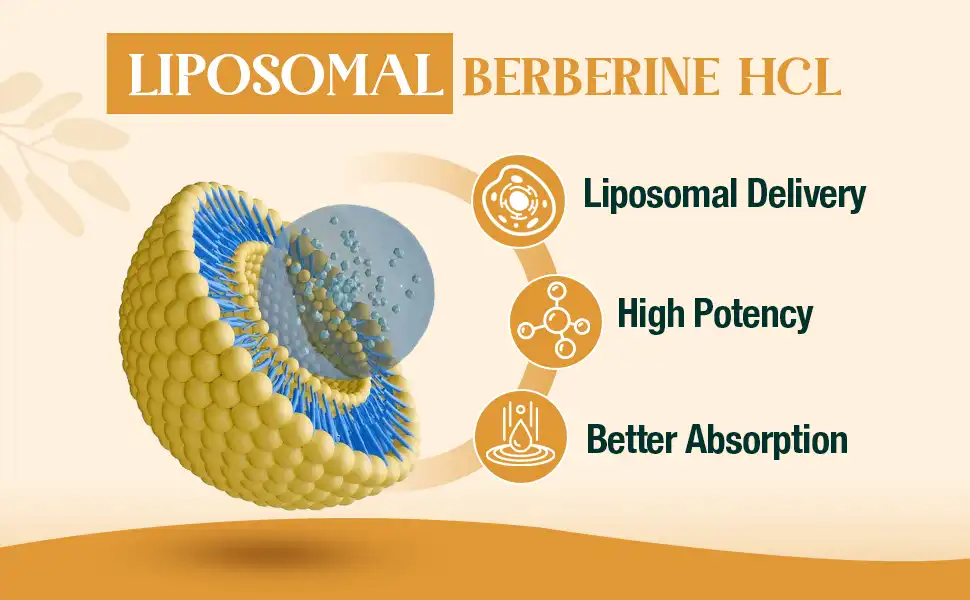
Using phospholipid bilayers to make nanoparticles that hold bioactive substances is how liposomal transport systems work. Dynamic Light Scattering analysis shows that these structures are 100–400 nanometers across and look like natural cell membranes. The phospholipid shell does two things: it keeps berberine from being broken down by stomach acid and digestive enzymes, and it makes it easier for the body to absorb it through lymphatic routes in the intestines instead of the liver.
Shaanxi Hongda Phytochemistry makes Liposomal Berberine Powder that is encapsulated more than 85% of the time, which was confirmed by HPLC. This level of encapsulation makes sure that the payload gets to its destination as fully as possible while keeping the structure intact throughout the digestive tract. Phospholipid ratios, particle size distribution, and production conditions need to be carefully controlled for this technology to work. This can only be done consistently by specialized facilities that are certified by cGMP.
How Liposomal Delivery Improves Gut Tolerance
Standard berberine comes into direct contact with intestinal epithelial cells, which causes inflammation and changes the way cells normally move. It's common for intestinal transport systems to be overloaded by the high local concentrations needed for systemic absorption. This causes osmotic fluid shifts and faster transit times. According to clinical observations, 30 to 50 percent of people who take conventional berberine at therapeutic doses have problems with their stomachs.
Liposomal Berberine Powder Packaging changes this interaction profile in a big way. The phospholipid layer makes a barrier that protects against direct mucosal touch during the first passage. The contained berberine doesn't get released right away in the stomach; instead, it stays hidden until liposomes join with intestinal cell membranes, which allows controlled release at absorption sites. This process lowers peak local concentrations while expanding the absorption window. This makes the pharmacokinetic profiles smoother and the comfort much better.
Bioavailability Enhancement Through Lymphatic Absorption
One of the best things about liposomal preparations is that they can be absorbed through the venous system. A lot of the first-pass metabolism of standard berberine happens in the liver. Enzymes in the liver turn most of the absorbed compound into metabolites before it gets to the rest of the body's circulation. Liposomal particles escape this breakdown by going straight into the mesenteric lymph vessels from the intestinal tissue. This avoids the portal venous system and keeps the active compound's integrity.
Researchers have found that liposomal flavonoids have an Area Under the Curve that is 3–10 times higher than types that are not enclosed. Similar things happen with berberine. The phospholipid carrier makes it easier to get across intestinal barriers and keeps the alkaloid from breaking down too quickly. Because of this better delivery, therapeutic benefits happen at much lower amounts, which lowers both the cost per effective dose and the risk of side effects that depend on concentration.
Liposomal Berberine Specification
|
Item
|
Specification Method
|
Result
|
Method
|
|
Physical and Chemical Property
|
|||
|
Appearance
|
Yellow Fine Powder
|
Conforms
|
Visual
|
|
Particle Size
|
95% through 80 mesh
|
Conforms
|
Screening
|
|
Residue on Ignition
|
≤5g/100g
|
1.28g/100g
|
3g/550℃/4hrs
|
|
Loss on Drying
|
≤5g/100g
|
3.05g/100g
|
3g/105℃/2hrs
|
|
Identification
|
|
Conforms
|
TLC
|
|
Content:
|
Liposomal Berberine>30%
|
Conforms
|
HPLC
|
|
Residue Analysis
|
|||
|
Heavy Metals
|
≤10.0mg/kg
|
Conforms
|
|
|
Lead (Pb)
|
≤2.00mg/kg
|
Conforms
|
ICP-MS
|
|
Arsenic (As)
|
≤2.00mg/kg
|
Conforms
|
ICP-MS
|
|
Cadmium (Cd)
|
≤1.00mg/kg
|
Conforms
|
ICP-MS
|
|
Mercury (Hg)
|
≤0.01mg/kg
|
Conforms
|
ICP-MS
|
|
Microbiological Tests
|
|||
|
Total Plate Count
|
≤1000cfu/g
|
124cfu/g
|
AOAC 990.12
|
|
Total Yeast & Mold
|
≤100cfu/g
|
45cfu/g
|
AOAC 997.02
|
|
E.Coli.
|
Negative/10g
|
Conforms
|
AOAC 991.14
|
|
Salmonella
|
Negative/10g
|
Conforms
|
AOAC 998.09
|
|
S.aureus
|
Negative/10g
|
Conforms
|
AOAC 2003.07
|
|
Product Status
|
|||
|
Conclusion:
|
Sample Qualified.
|
||
|
Shelf Life:
|
24 months under the conditions below and in its original packaging.
|
||
|
Retest date:
|
Retest every 24 months under the conditions below and in its original packaging.
|
||
|
Storage:
|
Store in a cool, dry place away from Moisture, Light.
|
||
Comparing Liposomal Berberine Powder vs Standard Berberine FormsStructural and Delivery Mechanism Differences
Standard Berberine Hydrochloride is a crystalline salt that dissolves in the stomach's acidic environment but forms crystals in the intestine's alkaline environment, making it hard to absorb. The quaternary ammonium structure of the substance stops molecules from passing through the membrane, and P-glycoprotein efflux pumps actively push absorbed molecules back into the intestinal lumen. Because of these things, conventional formulations rarely have oral bioavailability levels that go above 5%.
Through genetic engineering, the liposomal variant changes this character. There are two layers of phosphatidylcholine that make hydrophobic and hydrophilic zones that break down berberine, no matter what the pH is. Particles with the best sizes, between 100 and 400 nanometers, can move through cells in ways that larger aggregates or free molecules can't. The lipid makeup is like that of biological membranes, which makes fusion possible and lets the payload go straight into the cytoplasm without starting efflux responses.
Clinical Performance and Metabolic Outcomes
Studies that look at how to control blood sugar show that it works better. To reduce blood sugar, standard berberine dosages usually call for 1500 milligrams of the drug to be taken three times a day. Even at these levels, response rates are still not always the same because of differences in absorption. GI side effects often make it hard to stick to a plan, especially in the first few weeks when the body's metabolism hasn't had time to adjust.
At 300 to 500 milligrams per day, liposomal versions have the same or better effects on blood sugar levels. Better bioavailability means less of an amount is needed, which lowers the cost of the ingredients and the weight of the capsules. Pharmacokinetic profiles show that plasma levels stay steady for long periods of time, which gets rid of the highs and lows that come with immediate-release preparations. This steady-state transport maximizes receptor activation while reducing the number of bad effects caused by fluctuations.
Safety Profile and Consumer Compliance Advantages
The most obvious difference between delivery systems can be seen in tolerability data. Standard berberine supplements are linked to stomach problems in 30 to 50 percent of users, such as cramping in the abdomen, loose stools, and short-term nausea. These effects usually happen during the first few doses and cause people to stop taking the product, even though it has metabolic benefits. There is a therapeutic ceiling that limits clinical use because the severity is directly related to the dose magnitude.
Digestive problems happen a lot less often when liposomal preparations are used. Encapsulation gets rid of the bitter taste that many people don't like, making the taste better without adding any extra flavorings. The controlled-release profile keeps the concentration from rising too quickly in the intestines, so it doesn't hurt the cells there. According to clinical feedback, liposomal formulations make customers much happier, which leads to better retention metrics and positive review profiles that are key to market success.
Procurement Considerations for B2B Buyers: Choosing High-Quality Liposomal Berberine PowderEssential Quality Parameters and Specifications
When looking for Liposomal Berberine Powder ingredients, procurement professionals have to look at a number of technical factors. The amount of berberine should be checked using HPLC analysis. Depending on the application, the range of requirements is usually between 10 and 90%. Encapsulation efficiency is an important measure; numbers below 80% mean that the work wasn't done right, which hurts the bioavailability benefits. Dynamic Light Scattering is needed to record the particle size distribution and confirm that the vesicle dimensions are uniform within the best 100-400 nanometer range.
The source and quality of the phospholipids have a big effect on how stable and safe the product is. Non-GMO sunflower lecithin is better than options made from soy, especially for products aimed at people who are concerned about allergens. Lipid analysis is an important part of quality control because it shows how fluid the membrane is and how well it stores things for a long time. Along with normal safety tests for heavy metals, microbial contamination, and leftover solvents, full reports of analysis should list these factors.
Supplier Evaluation and Manufacturing Transparency
A manufacturing capability assessment looks at more than just technical specs; it also looks at things like facility standards and process controls. cGMP approval is the lowest level that can be met for pharmaceutical-grade ingredients. It guarantees that there are tested ways to keep things clean, stop contamination, and make sure that each batch is the same. Maintaining clean rooms is important for businesses. For example, 100,000-level cleaning workshops are the right place to make liposomes because particles could get in the way of vesicle formation.
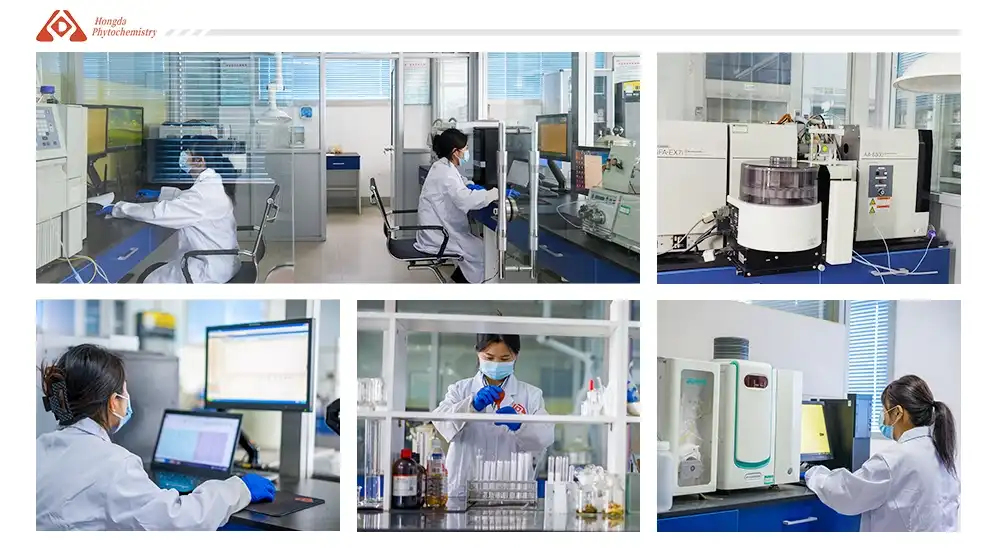
Shaanxi Hongda Phytochemistry has a production center that is 20,000 square meters and has modern extraction systems and analytical labs that are certified by SGS. The company has been working with natural products for 20 years and has a research team with over 20 PhD-level scientists. This shows that they have the technical knowledge to make liposomes consistently. The paperwork for traceability should show where the raw materials came from (the plants), how they were extracted, encapsulated, and finally packaged. This would show the whole supply chain.
Commercial Factors and Procurement Strategy
Minimum order quantities have a big effect on how procurement plans are made. Some sellers need promises of several kilograms, but Shaanxi Hongda Phytochemistry and other flexible makers can take initial orders as small as one kilogram. This lets formulation development happen without having to commit too much capital. Buying in bulk usually pays off when you order 25 to 100 kilograms. This is because economies of scale lower the cost per unit while keeping quality standards high.
The way prices are set reflects how difficult it is to make liposomes technically. As a result of its higher bioavailability, standard Berberine Hydrochloride costs a lot less per kilogram. However, when it comes to cost-effectiveness, liposomal formulations are better for therapeutic doses that are the same. Instead of just comparing raw materials, procurement analysis should figure out the total cost of formulation, which should include excipients, encapsulation, and the rate at which consumers are expected to follow the directions. Long-term supply deals that ensure uniform specs and delivery dates add value by making it easier to plan output and reduce inventory.
Advantages of Liposomal Berberine Powder for Various Applications in the Market
Metabolic Health and Diabetes Management Products
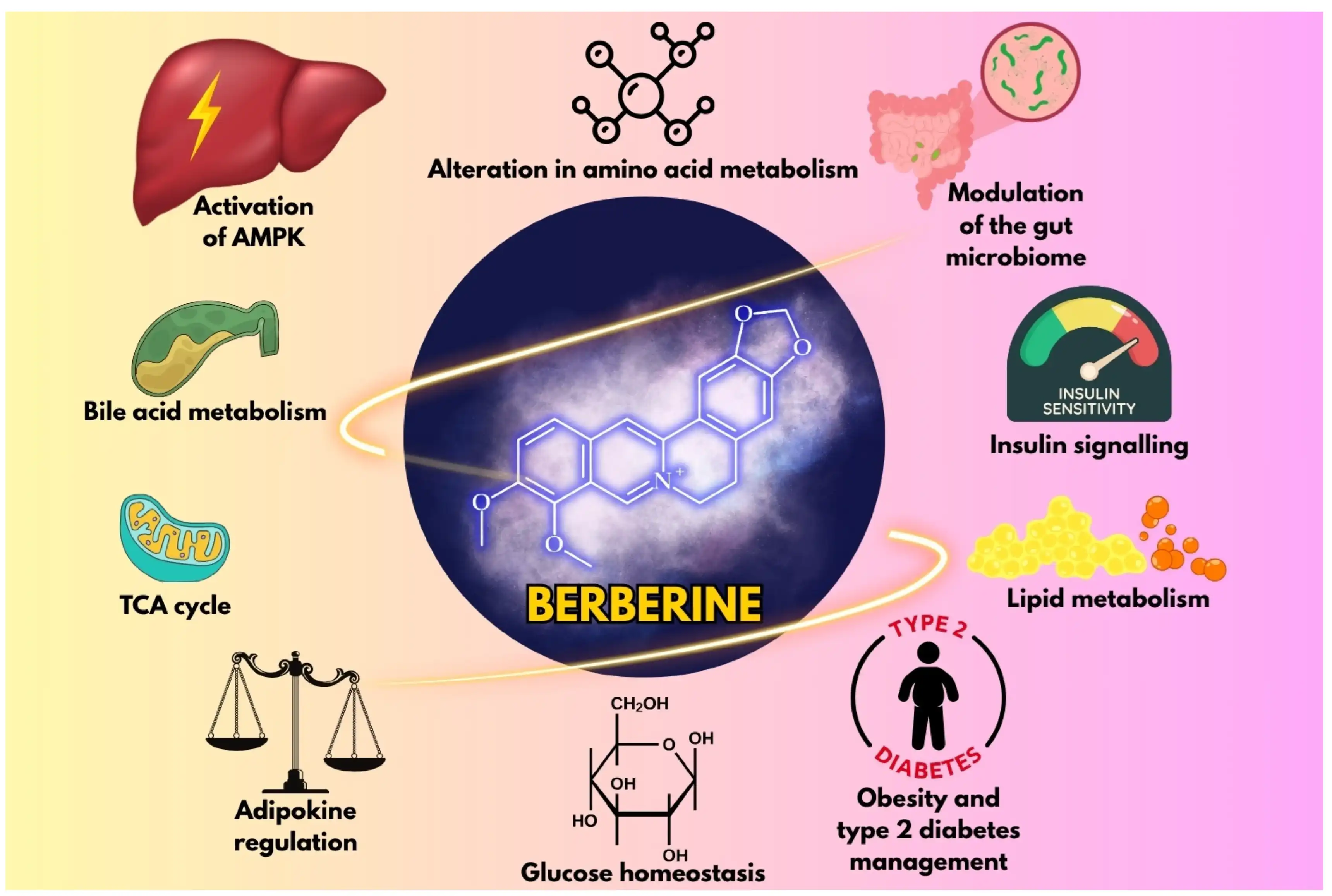
The biggest market for berberine-based supplements is in diabetes control, because the substance has been shown to change how glucose is used and how sensitive insulin is. Liposomal delivery gets around the main thing that's stopping the market from growing: customer tolerance. Products made with berberine that is better absorbed allow marketers to make claims about lower effective doses. This positions brands as high-end options that put user experience and effectiveness first.
Clinical research shows that berberine activates AMP-activated protein kinase pathways similarly to metformin. This helps the body get rid of glucose normally without the negative effects of drugs. Because liposomal preparations are more bioavailable, these metabolic benefits show up more consistently across user groups. This lowers the variability that often throws off consumers' expectations. Brands can stand out by teaching people about delivery technology. This creates a sense of value that supports high-priced strategies and builds trust with customers by making tolerance improvements that they can see.
Weight Management and Cardiovascular Wellness Formulations
Berberine has many different effects on metabolism, some of which help with weight loss. These effects include improving lipid profiles and controlling hunger. The chemical changes gene expression patterns that control the differentiation of adipocytes and the use of energy, which helps reach body composition goals through biological mechanisms. Liposomal versions improve these effects by maintaining steady plasma levels that keep metabolic signaling going between doses.
More and more cardiovascular health products contain berberine because it affects endothelial function and inflammatory markers. Because of the better absorption profile, formulations can reach effective levels at doses that are easy on the digestive system. This is especially important for older people, who usually buy heart health vitamins. Good liposomal powders can dissolve in water, which makes them easy to use in a wide range of product forms, from traditional capsules to new beverage ideas.
Functional Food and Beverage Integration
Liposomal technology works well for solving the unique manufacturing problems that come up in the beverage industry. Standard berberine is very bitter and doesn't mix well with water, so it can't be used in liquid form. The phospholipid layer hides the taste and makes steady colloidal solutions that stay the same over the shelf life of the product. This makes it possible to make healthy drinks, protein shakes, and ready-to-mix mixes that are easy to use and good for your metabolism.
In beverage applications, where changing pH, temperature, and co-formulation ingredients could damage active ingredients, stability testing is very important. When Liposomal Berberine Powder is made correctly, it keeps its encapsulation integrity through normal beverage preparation conditions. However, because of its limited temperature stability, it should only be added after the pasteurization steps. These products give companies a way to get into the growing category of functional drinks by focusing on metabolic health in a unique way.
How to Use Liposomal Berberine Powder in B2B Settings
Dosing Recommendations and Formulation Guidelines
Liposomal berberine doses that work are usually between 300 and 500 milligrams per day, which is a lot less than the standard 1500 milligram berberine dose. This decrease is directly caused by better bioavailability, which lets therapeutic effects happen at doses that keep ingredient costs and capsule size to a minimum. When formulating, scientists switch from regular ingredients to liposomal ones; they should do trial bioavailability studies because the better absorption might mean that doses need to be changed to keep levels below what is considered therapeutic.
Good liposomal powders can dissolve in water, which makes them easier to add to different delivery systems. Compared to regular berberine, capsule forms have better flow properties and less tendency to absorb water. For tablet uses, it's important to choose excipients that keep the liposomal structure when they're compressed. Direct compression grades with little shear force work best. For beverage applications, the powder should be added during the last stages of mixing to keep the structures of the vesicles from being damaged by high-shear blending.
Storage and Handling Protocols
Following certain storage conditions is necessary to keep the purity of liposomes throughout the supply chain. The phospholipid bilayers stay solid at room temperature, but they break down when exposed to too much heat or humidity. Temperatures below 25°C and relative humidity below 60% are the best conditions for storage. The shelf life is usually 24 months under ideal conditions, but it can be extended by packaging in materials that keep moisture out and using desiccants to protect the food.
Mechanical force that could break liposomal spheres should be kept to a minimum during handling. Structure is kept during formulation by using gentle mixing instead of high-shear blending. Organic solvents should not be used because they can dissolve phospholipids and free contents that are encapsulated in them. When the product is received, quality control tests should be done to make sure that the particle size distribution and encapsulation efficiency are correct. This will show that the product's structure has not been affected during shipping.
Customization and OEM Opportunities
Modern makers let you customize their products in ways that go beyond standard requirements. The amount of berberine can be changed from 10 to 90% depending on the dose that is wanted and the needs of the formulation. Higher concentrations make the capsules lighter, while lower concentrations make them easier to flow for direct compression. Co-encapsulation with compounds that work together, like silymarin for liver support or resveratrol for heart health, makes unique mixtures that set branded products apart in crowded markets.
OEM partnerships let brands use specialized manufacturing know-how without having to spend a lot of money on building up complicated production facilities. Shaanxi Hongda Phytochemistry's authenticated processes and 100,000-level cleaning workshops make batches that are always the same and meet foreign regulatory standards, such as FDA registration, HALAL and KOSHER certification, and organic compliance. White-label deals make it easy to get into a market quickly, and custom recipe development helps with unique positioning strategies that build brand loyalty and value.
Conclusion
Liposomal capsule technology completely changes berberine's clinical usefulness by fixing the problems with safety that have kept it from being widely used. The phospholipid delivery method increases bioavailability by 5–10 times while lowering gastrointestinal side effects by a huge amount. This makes products that are both effective and easy for people to follow. Ingredients that allow for lower effective doses, premium positioning, and better user experiences that drive market success give procurement professionals a competitive edge. Assessing suppliers based on their manufacturing standards, analytical skills, and ability to accommodate customizations helps make sourcing decisions that support long-term product differentiation and regulatory compliance across global markets.
FAQ1. How does liposomal berberine compare to standard capsules for long-term safety?
Liposomal formulations have better safety profiles because they cause less stomach irritation and need lower doses. The encapsulation technology has been studied a lot with several bioactive compounds. Phospholipid carriers are very well tolerated in long-term use. Because of better absorption, the effective dose is smaller, which means that the liver and kidneys don't have to work as hard to process the drug as they do with high-dose standard practices.
2. Can I verify the quality of liposomal berberine before large-scale purchasing?
Checking for quality needs more than one scientific method. Ask for analysis certificates that show the amount of HPLC berberine, Dynamic Light Scattering particle size data, and capsule efficiency rates. Reliable makers offer these specs along with ICP-MS heavy metal screening, microbial limits testing, and residue solvent analysis. Shaanxi Hongda Phytochemistry accepts sample orders as little as 1 kilogram, so you can get a good feel for the product before you decide to buy a lot of it.
3. What certifications should I prioritize when sourcing for the US market?
FDA registration is a basic guarantee for entering the US market, and cGMP certification confirms that the product meets quality standards for production. Having SGS testing done by a third party adds credibility. FSSC 22000 and ISO approvals show that quality control systems are complete. For example, products aimed at certain groups may need to be certified as HALAL or KOSHER. Products with organic claims also need to show that they follow organic guidelines. Full certification portfolios lower regulatory risk and make customs clearance go more smoothly.
Partner with a Trusted Liposomal Berberine Powder Manufacturer
Shaanxi Hongda Phytochemistry has been extracting plants for more than twenty years and now makes advanced Liposomal Berberine Powder delivery systems. Our cGMP-compliant facilities and SGS-certified labs make sure that the quality is always high enough to meet the strict requirements of international supplement markets. We have adjustable minimum orders starting at 1 kilogram, and we can also sell in bulk. Our full range of Certifications includes FDA registration, BRC, HALAL, KOSHER, and organic compliance. Our technical team works directly with your R&D teams to create custom specifications that fit your brand's positioning and the needs of the market. Please email our purchasing agents at duke@hongdaherb.com with specific product details, scientific data, and sample amounts so that we can fully test the recipe before starting mass production.
References
1. Chen, W., Miao, Y.Q., Fan, D.J., et al. "Bioavailability Study of Berberine and the Enhancing Effects of TPGS on Intestinal Absorption in Rats." AAPS PharmSciTech, Vol. 12, No. 2, 2011, pp. 705-711.
2. Liu, Y.T., Hao, H.P., Xie, H.G., et al. "Extensive Intestinal First-Pass Elimination and Predominant Hepatic Distribution of Berberine Explain Its Low Plasma Levels in Rats." Life Sciences, Vol. 87, No. 23-26, 2010, pp. 751-758.
3. Spinozzi, S., Colliva, C., Camborata, C., et al. "Berberine and Its Metabolites: Relationship between Physicochemical Properties and Plasma Levels after Administration to Human Subjects." Journal of Natural Products, Vol. 77, No. 4, 2014, pp. 766-772.
4. Maiti, K., Mukherjee, K., Gantait, A., et al. "Curcumin-Phospholipid Complex: Preparation, Therapeutic Evaluation and Pharmacokinetic Study in Rats." International Journal of Pharmaceutics, Vol. 330, No. 1-2, 2007, pp. 155-163.
5. Yin, J., Xing, H., Ye, J. "Efficacy of Berberine in Patients with Type 2 Diabetes Mellitus." Metabolism: Clinical and Experimental, Vol. 57, No. 5, 2008, pp. 712-717.
6. Feng, R., Shou, J.W., Zhao, Z.X., et al. "Transforming Berberine into Its Intestine-Absorbable Form by the Gut Microbiota." Scientific Reports, Vol. 5, Article 12155, 2015.





YOU MAY LIKE