Can Liposomal Iron Powder Treat Anemia Without Constipation?
2026-07-21 15:54:11
Liposomal encapsulation technology can effectively treat anemia while substantially reducing constipation and other gastrointestinal discomforts commonly associated with conventional iron supplements. Liposomal Iron Powder addresses a critical challenge in iron supplementation by encasing iron particles within phospholipid bilayers, enabling higher absorption efficiency and minimizing direct contact with the intestinal mucosa. This innovative delivery method achieves bioavailability rates 3.5 to 5 times greater than traditional iron salts while virtually eliminating side effects that compromise patient compliance and product reputation in the nutraceutical market.
Understanding Liposomal Iron Powder and Its Benefits
The Science Behind Liposomal Encapsulation
Liposomal encapsulation uses ideas from supramolecular chemistry to make shells of protection around iron particles. These liposomes are made up of phospholipid bilayers that are about 100 to 200 nanometres across and have a structure that is similar to the membranes of human cells. The biomimetic design of the liposomes lets them blend in with intestinal cells, which makes it easier for nutrients to get into the bloodstream directly. Traditional iron salts depend on saturated protein channels to be absorbed. Liposomal formulations, on the other hand, use M-cell uptake pathways in the small intestine and lymphatic system to get around all of these problems.
Key Advantages for Product Development
The technology has measured benefits that give final goods a direct edge over their competitors. When bioavailability is improved, therapeutic effects can be achieved with smaller amounts of elemental iron. This lowers the cost of production while also making it safer. The phospholipid barrier stops oxidation processes from happening between iron and other sensitive ingredients like vitamin C, omega-3 fatty acids, or probiotics. This makes it easier to make goods that combine different ingredients. More than 85% encapsulation rates keep the product stable across a wide range of pH levels and temperatures, keeping its effectiveness throughout the manufacturing process and the product's shelf life.
Applications Across Multiple Product Categories
The Liposomal Iron Powder works well with many different types of products and targets different types of customers. Dietary supplement companies can make pills and tablets with normal organoleptic profiles, which get rid of the metallic taste that keeps people from buying them. The powder can be used in functional food and drinks because it spreads out easily and doesn't change the colour or taste. Companies that make medicines can make special mixes for people who are sensitive, like pregnant women, kids, and older people who need softer supplement options. Because it can be used in many different ways, Liposomal Iron Powder is a good ingredient for brands that want to reach high-end customers who are willing to pay more for products that work well and are well tolerated.
Traditional Iron Supplements vs. Liposomal Iron Powder: A Comparative Analysis
Absorption Efficiency and Bioavailability Metrics
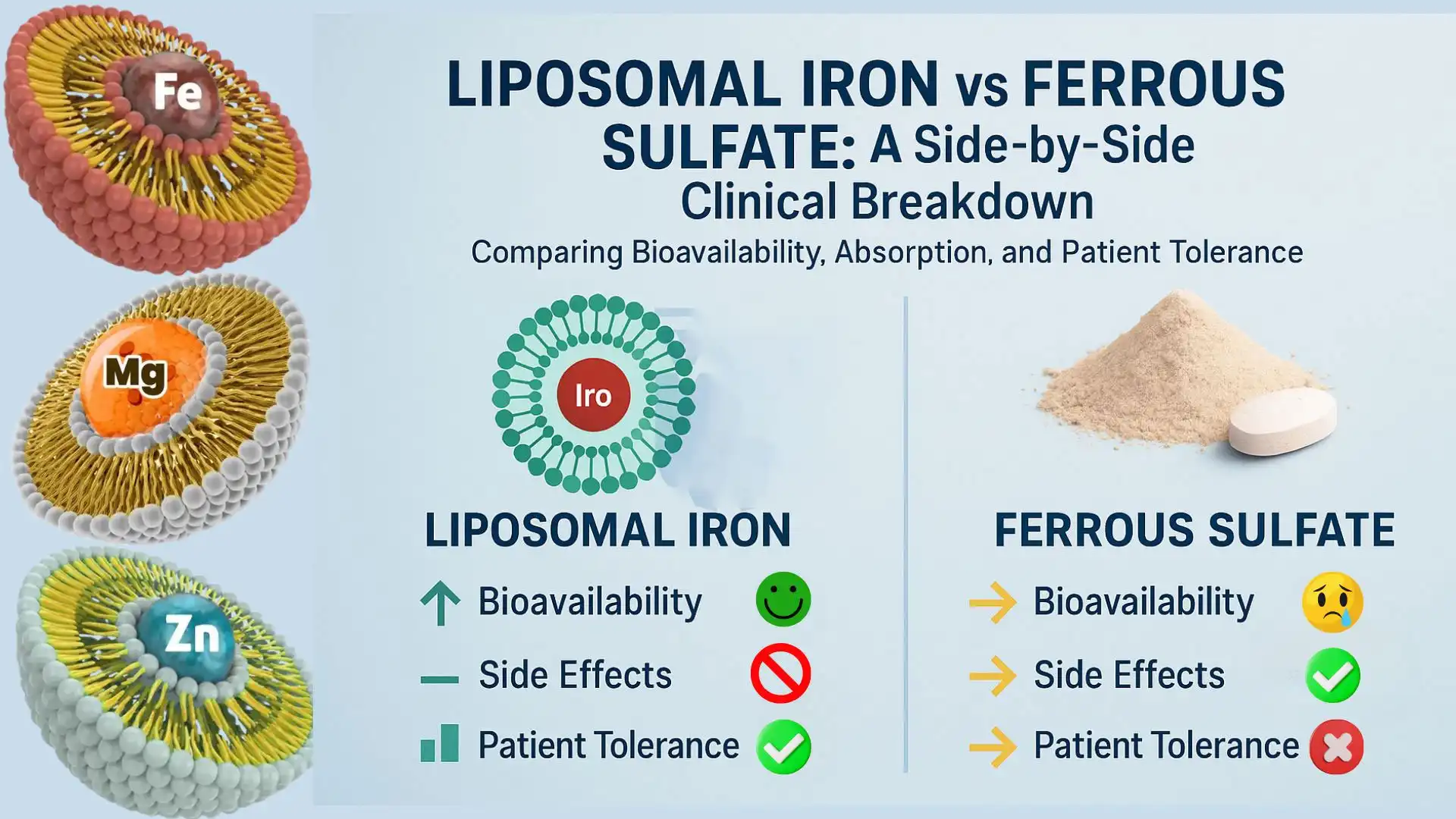
Traditional iron pills don't work very well when it comes to intake. The most common formulation, ferrous sulphate, usually has absorption rates between 5 and 10 percent when conditions are perfect. Some parts of food, like phytates, tannins, and calcium, make up insoluble combinations in the digestive system that stop uptake even more. Even chelated forms like iron bisglycinate, which are better tolerated, still need saturated DMT-1 protein transporters to be absorbed in the intestines. These problems can't happen with Liposomal Iron Powder because it delivers iron directly through membrane fusion processes that aren't affected by food or minerals that are already present.
Side Effect Profiles and Patient Compliance
Problems with the intestines are the main thing that keeps iron supplementation plans from working. According to clinical data, 30 to 70% of people who take regular iron supplements have problems like constipation, nausea, or stomach cramps that are so bad that they have to stop taking the supplement. These events happen because free iron ions irritate the lining of the gut and change the makeup of the bacteria in the gut. Comparative studies show that Liposomal Iron Powders have much better tolerance ratings. The phospholipid coating keeps the iron from coming into contact with the mucosal tissues. This keeps the digestive system working normally while providing therapeutic iron levels. This improved tolerability leads to higher rates of patient adherence, which is very important for B2B clients making consumer-facing products that depend on good user experiences to get people to buy them again.
Economic Considerations for Procurement Decisions
To figure out the total value, you have to look at more than just the price of the raw materials. Liposomal Iron Powder usually costs more than regular iron salts, but because it is more bioavailable, it only needs to be taken in smaller amounts. A typical 325-milligram ferrous sulphate tablet has 65 milligrams of basic iron, but only 6 milligrams get into the bloodstream. Liposomal products can have the same therapeutic benefits with 15 to 20 milligrams of elemental iron, which means that a lot less raw material is needed for each dose. Better patient compliance also cuts down on waste from discontinued products and boosts brand reputation, both of which have a big effect on how much money consumer health brands make in the long run.
Procurement Guide for Liposomal Iron Powder: What B2B Buyers Should Know
Essential Quality Certifications and Compliance Requirements
When looking for Liposomal Iron Powder, you have to pay close attention to the skills of the suppliers as well as the paperwork that shows they follow all applicable regulations. For international markets, certain certificates are needed to prove that the standards of production and the purity of the ingredients are met. Suppliers should keep their current cGMP (Good Manufacturing Practice) certification up to date to show that they follow the rules for making pharmaceuticals. Verification by a third-party lab through SGS or a similar independent testing group makes sure that the analytical standards are met and that there is no contamination. Halal and Kosher Certifications make it easier for products that are aimed at certain groups of people to reach more customers. Even though organic approval doesn't always apply to mineral ingredients, it shows that a provider is committed to quality standards that health-conscious customers care about.
Evaluating Supplier Technical Capabilities
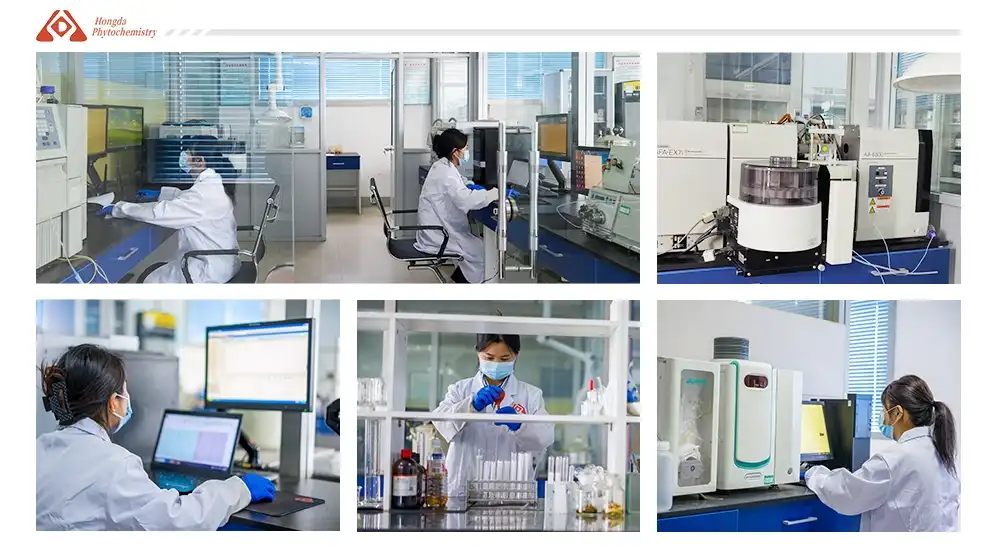
Commodity vendors are different from strategic manufacturing partners, who can help with product development projects because they have technical knowledge. Suppliers with specialized research and development teams can help with formulation, provide data from stability tests, and offer customization services that cut down on the time it takes for new goods to reach the market. It shows that a lot of money is being put into quality control and new ideas by having labs that can do particle size analysis, encapsulation efficiency testing, and bioavailability studies. During the product development and registration processes, it is very helpful to have access to application specialists who know the rules that apply in different areas.
Supply Chain Logistics and Delivery Considerations
For sourcing partnerships to work, supplies must always be available, and the logistics system must work well. For international buyers, manufacturers with public warehouses in major markets like North America and Europe can cut lead times and shipping costs by a large amount. Standard packing standards, like 12-kilogram drums set up on 27-unit pallets, make it easier to handle goods and run a warehouse. Just-in-time manufacturing schedules can be supported by delivery windows of three to seven working days. This keeps working capital from being wasted on extra inventory. Suppliers should offer complete documentation packages that include Certificates of Analysis, Safety Data Sheets, and customs clearance paperwork. These packages should make foreign deals easier and make sure that all regulations are followed at the ports of arrival.
Practical Application and Dosage Recommendations for Industrial Use
Formulation Guidelines for Optimal Efficacy
To add Liposomal Iron Powder to finished goods, you need to know how to dose them correctly for different medical purposes. To keep your iron levels healthy, you usually need 10 to 15 milligrams of elemental iron every day. This is why Liposomal Iron Powder is better at getting iron to the body. Treatment plans for proven iron deficiency anemia usually use 15 to 30 milligrams per day, which is a lot less than the 65 to 200 milligrams that are usually prescribed. Liposomal Iron Powder usually has an elemental iron content of 50%, which means that 30 milligrams of powder gives you about 15 milligrams of elemental iron. This is what product developers should use to figure out the elemental iron content.
Timing and Combination Strategies
When taking iron supplements the right way, time is important, but Liposomal Iron Powder makes that less important. Traditional iron supplements need to be taken without food or very carefully separated from meals so that they don't affect absorption. This makes taking them more difficult and less likely to be done. Liposomal formulations show consistent absorption no matter what food is eaten, which makes dosing schedules more flexible and easier for users. Traditionally, adding vitamin C to iron supplements was thought to help them absorb better. This is still true, but it's not as important with liposomal technology. The phospholipid barrier actually keeps iron from oxidizing too quickly while letting synergistic nutrient combinations work that would make regular formulations less stable.
Safety Profile and Long-Term Use Considerations
Liposomal Iron Powder products can be used for both short-term therapeutic purposes and long-term preventative ones, according to clinical safety data. Because it causes less stomach irritation, it can be taken for a long time without discomfort by people who need to take supplements regularly, like women who are menstruating, vegans, and endurance sports. This technology also lowers the risks of acute iron toxicity by controlling the rate of release and stopping sudden rises in serum iron levels. Still, the people who make products should put the right information on the labels about the maximum daily dose and why people with hemochromatosis or other iron overload conditions shouldn't take the product. Because of its higher safety margin, Liposomal Iron Powder is perfect for over-the-counter products aimed at self-care consumers.
Why Choose Liposomal Iron Powder? Future Trends and Market PotentialGrowing Consumer Demand for Better-Tolerated Formulations
In the past few years, people's awareness of supplement quality has grown a lot, which has opened up new market opportunities for scientifically advanced ingredients. More and more, people who care about their health are researching ingredient technologies and looking for products that work without having unpleasant side effects. Both good and bad user experiences are amplified on social media and online review sites. This makes product comfort a key factor in the success of a business. Liposomal Iron Powder responds to this change in the market by providing clear benefits that can be seen in convincing marketing claims and real user reviews. When it comes to supplements, brands that use this technology can stand out in a crowded market and charge higher prices that reflect better value delivery.
Opportunities in Specialized Market Segments
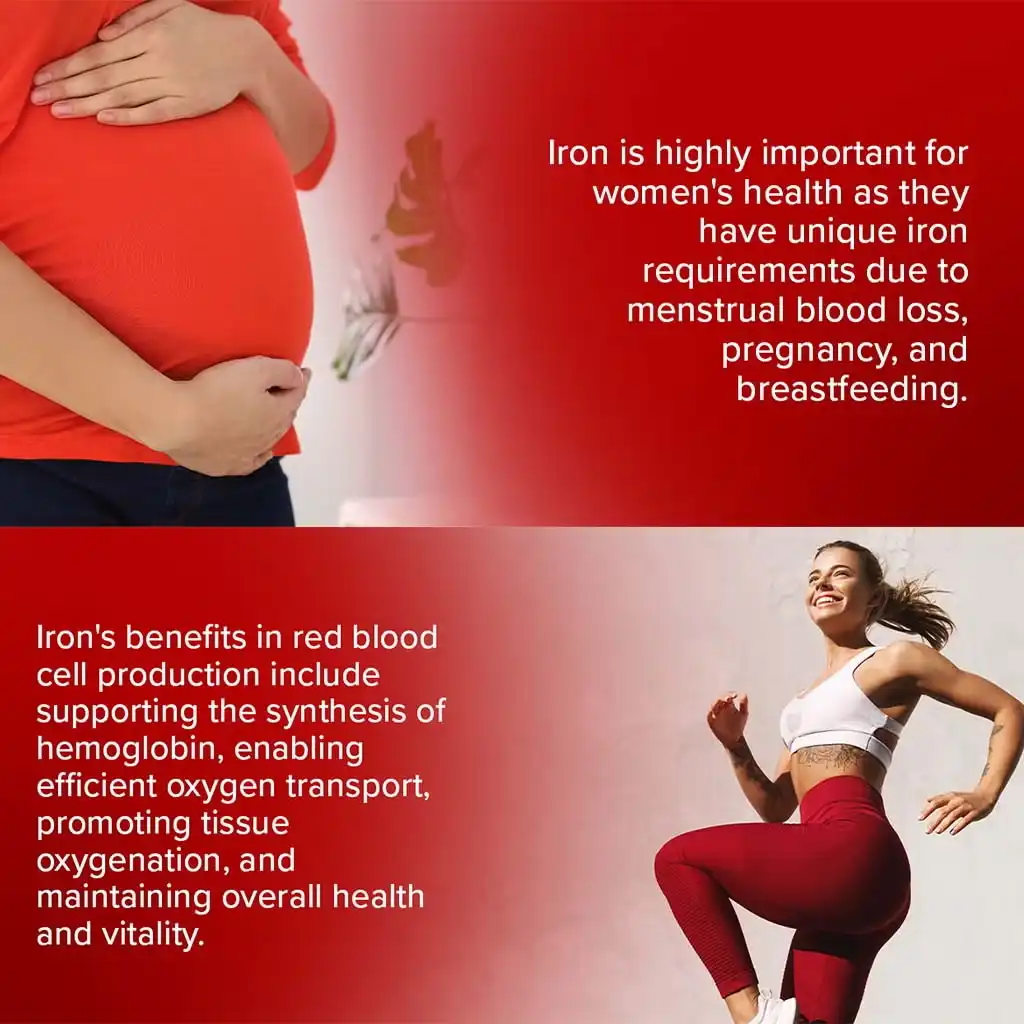
Liposomal Iron Powder products have a lot of great possibilities in some high-value market areas. There is a big market for women's health products because of their high iron needs during periods, pregnancy, and breastfeeding, which aren't always met by regular vitamins. Another area with a lot of potential is pediatric and adolescent nutrition. Picky eating and growth spurts make deficiency risks higher, and conventional iron products are hard for teens and kids to swallow. Because iron helps move oxygen around and use energy, Liposomal Iron Powder is a natural choice for sports nutrition brands that make products for athletic performance and recovery. People who follow a plant-based diet are a rapidly growing group whose bodies naturally absorb less iron from food. This creates a need for effective supplementation solutions.
Innovation Trajectory and Future Applications
Liposomal Iron Powder could be used for more than just supplementing iron levels, according to ongoing research. Combination formulas that contain multiple vitamins in a single liposomal structure offer easier dosing schedules and better absorption of whole nutrient complexes. Using modified phospholipids in targeted delivery methods could allow iron to be delivered to particular tissues, improving the effectiveness of treatments for certain medical conditions. Functional food uses are still mostly untapped. There are ways to add iron to drinks, protein bars, and meal replacements without having to deal with the taste and colour issues that come with traditional iron addition. In the health and wellness markets, which are changing quickly, B2B procurement workers who set up their companies to take advantage of these new trends gain key benefits.
Conclusion
Liposomal encapsulation technology is a tried-and-true answer to a problem that has been around for a long time: how to make iron supplements work without causing stomach problems like other methods do. Liposomal Iron Powder is a key element for B2B buyers making competitive goods in the nutraceutical, medicinal, and functional food categories because it has better bioavailability, better tolerance, and more formulation options. There are quality differences between commodity deals and strategic partnerships that support innovation and market success. These differences include the right certifications, the technical skills of the seller, and the reliability of the supply chain logistics. Liposomal Iron Powder technology puts forward-thinking brands in a great position to take advantage of growing market opportunities while giving real value to end users. This is because consumers are always looking for more effective and comfortable health solutions.
FAQ1. Does liposomal iron work for all types of anemia?
Iron deficiency anemia is the most common type of anemia and can be caused by not getting enough iron in your diet, losing blood, or your body's needs increasing. Liposomal Iron Powder can help with this problem. It's especially helpful for people who can't take regular supplements because their stomachs are sensitive to them. But different treatments are needed for anemia caused by not getting enough vitamin B12 or folate, a long-term illness, or a genetic condition like sickle cell disease. B2B clients who are making iron supplement products should put the right information on the labels, telling people who are feeling tired for no reason or who have been diagnosed with anemia to see a doctor first before starting the supplement.
2. What certifications should I verify when sourcing in bulk?
Manufacturers with a good reputation should show up with up-to-date cGMP certification that confirms they follow pharmaceutical-grade manufacturing standards, third-party lab verification through SGS or an equivalent organization, and relevant market-specific certifications such as FDA registration for U.S. distribution, BRC or FSSC 22000 for food safety management, and Halal or Kosher certification for products aimed at specific consumer groups. You can have more faith in a supplier's quality systems and technical skills if they have organic certification, ISO 9001 quality management paperwork, and detailed analytical specs that include particle size distribution and encapsulation efficiency data.
Partner With Hongda for Advanced Liposomal Iron Solutions
Shaanxi Hongda Phytochemistry Co., Ltd. has been providing high-quality natural ingredient solutions since 2001. They do this by mixing their 20+ years of experience in extracting ingredients with the newest transportation technologies. Our Liposomal Iron Powder maker has cGMP-certified production facilities, SGS-verified lab testing, and all kinds of foreign certifications, such as those for FDA, BRC, HALAL, KOSHER, and ORGANIC standards. Our research and development center in San Diego, where PhD-level scientists help with custom formulation development and stability optimization, helps us keep a strategic presence.
Our 50-percent specification Liposomal Iron Powder has particles that are all the same size, ranging from 100 to 200 nanometres. It uses non-GMO sunflower phospholipids to achieve encapsulation efficiency of 85 percent or more. The off-white to light yellow powder mixes easily into capsules, drinks, functional foods, and tablets, and it doesn't change the taste or smell of the final product. We offer free samples so that you can fully evaluate our products before making a purchase. Our efficient logistics allow us to deliver within three to seven working days from our strategically located warehouses.
Email our technical team at duke@hongdaherb.com to talk about your specific formulation needs and find out how our liposomal iron technology can help your products stand out in the global market, which is very competitive.
References
1. Abbaspour N, Hurrell R, Kelishadi R. Review on iron and its importance for human health. Journal of Research in Medical Sciences, 2014, 19(2): 164-174.
2. Pisani A, Riccio E, Sabbatini M, et al. Effect of oral liposomal iron versus intravenous iron for treatment of iron deficiency anemia in CKD patients: a randomized trial. Nephrology Dialysis Transplantation, 2015, 30(4): 645-652.
3. Tolkien Z, Stecher L, Mander AP, et al. Ferrous sulphate supplementation causes significant gastrointestinal side-effects in adults: a systematic review and meta-analysis. PLoS One, 2015, 10(2): e0117383.
4. Cappellini MD, Musallam KM, Taher AT. Iron deficiency anemia revisited. Journal of Internal Medicine, 2020, 287(2): 153-170.
5. Moretti D, Goede JS, Zeder C, et al. Oral iron supplements increase hepcidin and decrease iron absorption from daily or twice-daily doses in iron-depleted young women. Blood, 2015, 126(17): 1981-1989.
6. Heshmati HM. Mechanism and clinical impact of iron overload in chronic liver disease. Hepatology Research, 2018, 48(10): 763-773.