Liposomal Coenzyme Q10 Powder for Brain & Energy Health
2026-04-29 15:31:24
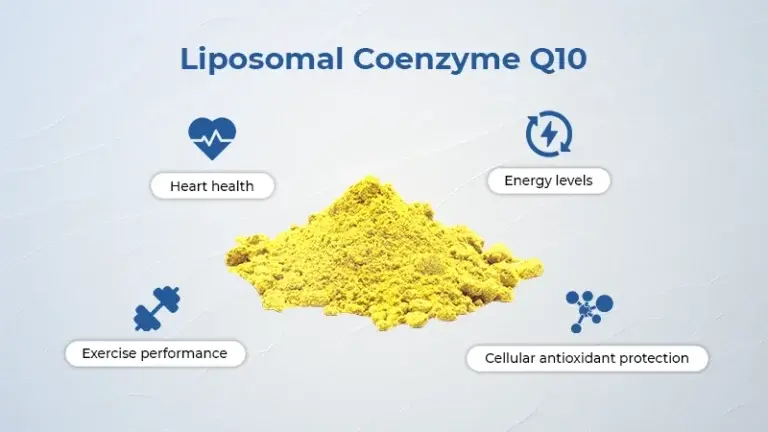
When buyers and formulators look for high-performance ingredients to help brain function and cell energy, Liposomal Coenzyme Q10 Powder stands out as an option that has been proven by science. This improved delivery method wraps Coenzyme Q10 in phospholipid bilayers, which are usually made from non-GMO sunflower lecithin. This makes the drug much more bioavailable than in its normal crystalline form. Standard ubiquinone powders have trouble dissolving in water and being absorbed at rates below 5%. Liposomal encapsulation, on the other hand, makes it easier for the body to absorb ubiquinone directly through the intestines and lymphatic system, providing plasma amounts that are up to 10 times higher. Hongda's version is ≥70% pure and comes in a steady yellow powder form. It has cGMP approval and a 24-month shelf life, meeting the needs of nutraceutical, pharmaceutical, and functional food makers who want to use brain and energy-boosting ingredients that work.
Understanding Liposomal Coenzyme Q10 Powder
The Science Behind Liposomal Delivery Technology
Wholesale coenzyme q10 pure powder is an important part of mitochondrial ATP production. ATP is the basic energy source that all cells in the body use. Unfortunately, solubility has generally made it hard for it to be used as a medicine. Standard CoQ10 has a high lipophilicity and a high molecular weight (about 863 Da), which means that it is not well absorbed by the body. Liposomal Coenzyme Q10 Powder technology solves this problem by copying the shape of the body's natural cell membranes. Nano-sized vesicles, usually between 100 and 400 nanometers across, hold CoQ10 molecules inside phospholipid bilayers. This biomimetic method lets the liposomes pass through the intestinal walls without breaking down. This keeps the active chemical from breaking down and makes it easier for cells to take it up directly. High-pressure homogenization or thin-film hydration methods are used in the pharmaceutical-grade production process to make uniform particle distributions with encapsulation rates of more than 85%. Using advanced lyophilization methods to turn a liquid into a powder, the product keeps its shape and doesn't need to be shipped through a cold chain, which is a problem for liquid recipes. Our sunflower phospholipid carrier is more stable against oxidation than soy-based options. This meets the needs of the clean-label market in North America and Europe.
Mechanisms Supporting Brain Function and Energy Metabolism
Studies show that as people get older, their levels of china coenzyme q10 powder naturally drop, especially in parts of the body that use a lot of energy, like the brain and heart. The brain uses up about 20% of the body's oxygen, even though it only makes up 2% of its weight. This makes it very sensitive to reactive stress. CoQ10 is an important part of the electron transport chain and a strong antioxidant that dissolves in lipids. It fights free radicals that damage the DNA in mitochondria and nerve membranes. Clinical studies have shown that higher levels of bioavailability of CoQ10 are linked to better cognitive performance measures, such as faster processing, better memory storage, and clearer thinking. The liposomal transport method keeps plasma concentrations high for long periods of time, making sure that enough CoQ10 gets to brain cells. Maintaining this level of access helps keep the myelin sheath intact, make neurotransmitters, and protect neurons, all of which are important for older people and people who are tired of thinking. In terms of the heart, having enough CoQ10 helps the endothelium work, blood pressure stay normal, Liposomal Coenzyme Q10 Powder and heart muscle contractility. Due to the high number of mitochondria in heart tissue, making energy depends on having enough CoQ10. This makes liposomal forms very useful for formulas that target both brain and circulatory health at the same time.
Comparing Liposomal CoQ10 Powder with Alternative Forms
Absorption Efficiency and Bioavailability Metrics
When procurement workers look at different CoQ10 choices, they need to look at absorption data to figure out how much each amount costs and how well it works. Peak plasma levels of standard solid CoQ10 products are usually between 0.5 and 1 mcg/mL after doses of 100 to 200 mg. Liposomal Coenzyme Q10 Powder forms, on the other hand, can hit 3-5 mcg/mL with the same or smaller doses, which is a 3–10 fold increase in bioavailability. This pharmacokinetic edge has real benefits for manufacturing: formulators can get therapeutic effects with smaller pill sizes, lower costs for active ingredients, and more competitive prices at retail. In the past, softgels were the most popular form of CoQ10 because they could dissolve the chemical in oil, which made absorption better than with dry pills. However, softgels have formulation problems, such as higher production costs, longer wait times for manufacturing, and problems with some finishing technologies. Liposomal powder has the absorption benefits of oil-based delivery and the handling flexibility of dry powder. Stick packs, effervescent pills, beverage premixes, and other special delivery methods that softgels can't work with can all use this format without any problems. When you compare liposomal CoQ10 to liposomal vitamin C tablets, you can find some interesting ways to place your business in the market. Both use the same phospholipid Packaging technology, which makes it easy for companies that are good at making one type of product to make more of them. Both ingredients can dissolve in water, which makes them perfect for functional drinks. However, CoQ10's benefits for mitochondrial energy make it easier to sell to people who care more about physical performance and brain health than defense support.
Addressing Market-Specific Sourcing Requirements
Non-GMO Certifications, organic certifications, and allergen-free claims are becoming more and more important in the US market. Our sunflower phospholipid carrier meets these needs by giving a soy-free option that gets rid of common allergy worries and meets non-GMO standards without the genetic change testing problems that come with soy lecithin. This choice about where to get the ingredients fits with clean-label trends that have been seen by market research firms that track what consumers want: recognizable plant-based products. Vegan formulation needs have grown a lot, and the number of plant-based product sales has grown by over 50% in the last few years, according to industry records. Traditional ubiquinone can be made using fermentation methods with yeast cultures, which means it is safe for vegans. When plant-based phospholipids are mixed with animal-free processing aids, the liposomal powder that is made meets high vegan certification standards while still being of pharmaceutical-grade quality. Organic approval adds to the difficulty of the CoQ10 group. Even though CoQ10 is not a naturally occurring substance and is made in a lab, the phospholipids that carry it can become organic if they come from approved organic sunflower farms. This partly organic claim makes some market groups happy while also recognizing that organic CoQ10 is not always available. When you're honest about the scope of your approval, you build trust with smart B2B buyers who know how to source ingredients.
Procurement Guide for Liposomal Coenzyme Q10 PowderEvaluating Supplier Qualifications and Quality Standards
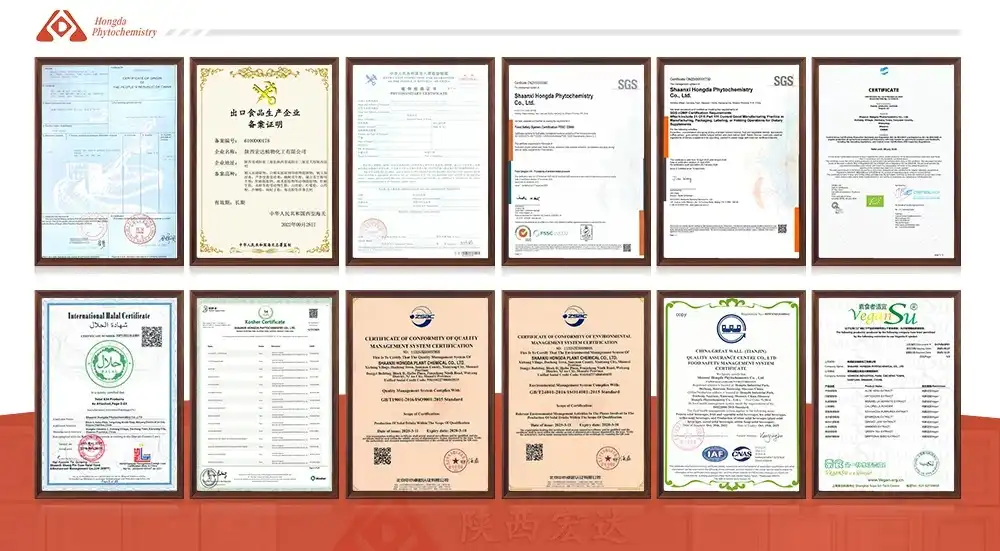
To find a good Liposomal Coenzyme Q10 Powder provider, you need to carefully look at their production skills, compliance with regulations, and quality control methods. GMP certification is the minimum requirement, but people who work in buying should look into the exact GMP standards that are being used. Current Good Manufacturing Practice (cGMP) rules say that our plant has to follow strict process controls, validation methods, and contamination prevention measures that go above and beyond what is required by GMP. This difference is especially important for medicine and high-end nutritional uses, where regulators are looking more closely. Third-party certificates are an independent way to check the integrity of quality processes and ingredients. Our lab's SGS approval makes sure that the testing methods meet the highest precision and dependability standards around the world. HALAL and KOSHER certifications help brands that cater to certain faith groups reach more customers. BRC (Brand Reputation through Compliance) and FSSC 22000 certifications handle food safety management needs that are important for practical food and drink uses. Even though FDA registration doesn't mean you're approved, it does show that you're ready to be supervised by regulators and keep your paperwork up to the standards expected by US regulators. The ISO 9001 and ISO 22000 certifications make quality control and food safety rules more organized. This lowers the risk in the supply chain for buyers who need uniform performance from batch to batch.
Practical Procurement Considerations
Minimum order numbers have a big effect on how businesses buy things, especially Liposomal Coenzyme Q10 Powder new brands that are testing the market, or established companies that are releasing new SKUs. Our 1 kg MOQ allows for small-batch production without making you commit to too much inventory. This adaptability lowers the financial risk during the product creation stages and lets recipes be quickly tested in the market before they are made available in larger quantities. Pharmaceutical-grade liposomal CoQ10 is usually priced based on how complicated the manufacturing process is. Wholesale prices range from $200 to $600 per kilogram, depending on the size of the order, the purity standards, and any customization needs. When customers agree to buy in bulk, they can save money, but they should look at all of the costs, like shipping, customs taxes, and storage, instead of just the price per kilogram. Conditions of storage have a direct effect on how long ingredients last and how well they work. Liposomal CoQ10 powder stays stable when kept in cases that can't be opened or exposed to light, at temperatures below 25°C (77°F), and with a relative humidity below 60%. While liquid liposomes need to be kept cold, the powder form can handle the normal warehouse conditions found in networks that distribute nutrients. If you keep our products correctly, they will last for 24 months, which is long enough for production cycles, distribution, and shop shelves without losing quality.
Private Label and OEM Manufacturing Capabilities
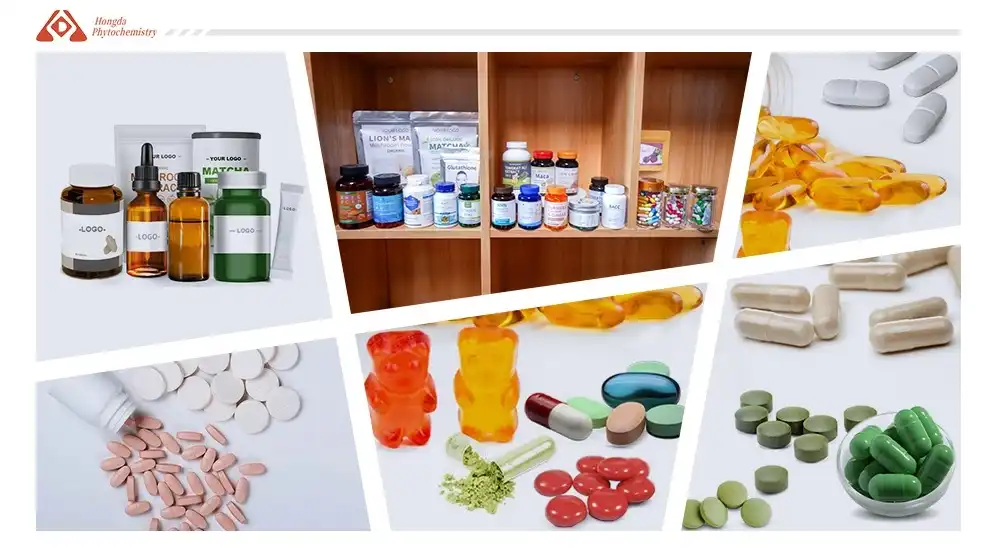
Contract manufacturing and private labeling let brands use specialized production know-how without having to buy their own special tools. Our 20,000-square-meter building has ten production lines for natural plant extracts. We can make liposomal formulations that are specific to bioavailability goals, particle size ranges, or taste profiles for beverage uses. Custom packing choices go beyond just providing bulk powder. They also include filling bottles, making blister packs, stick pack sachets, and making products that combine liposomal CoQ10 with ingredients that work well together. This all-in-one method makes supply chain management easier for brands that would rather deal with a single seller than a bunch of different ones. Our 20-person research and development team, which includes teachers from well-known colleges, helps with formulation optimization and stability testing while the product is being made.
Application and Dosage Guidelines for End-Users
Recommended Dosage Ranges for Target Populations
According to clinical research, the right amount of CoQ10 to take depends on the purpose of the treatment and the characteristics of the people. In general wellness formulas, 50 to 100 mg daily amounts are common, which gives healthy people basic mitochondrial support. A lot of athletic performance products raise the dose to 200 to 300 mg per day to help with high energy needs and healing after exercise. People over 65 and those who want to improve their cardiovascular or brain health may benefit from taking 100 to 200 mg every day, but these suggestions should be part of a larger plan for managing people's health. Because Liposomal Coenzyme Q10 Powder transport makes the active ingredient more bioavailable, formulators can get effective plasma levels with smaller amounts of the ingredient than with other forms. A 50 mg dose of high-quality liposomal CoQ10 may have the same or higher tissue concentrations as 150 mg of normal solid powder, which is a 3:1 dose-to-efficiency ratio. This bioequivalence factor affects what's written on the label, how much it costs, and how it positions itself in supplement markets that are already very competitive.
Formulation Best Practices and Ingredient Compatibility
Paying attention to processing factors and ingredient relationships is important for keeping the structural integrity of liposomes while they are being made. High-pressure mixing can break up lipid bilayers, which makes encapsulation less effective and takes away some of the benefits of solubility. Using gentle mixing methods and the right hydration routines can help keep the structure of the vesicles while ensuring that the drug is evenly distributed in the final dosage forms. Choosing ingredients that work well together makes the recipe work better through synergistic processes. Vitamin E works as an antioxidant that dissolves in fat and repairs damaged CoQ10, making it more useful in cell settings for longer. B-complex vitamins help with different parts of the energy system, which makes them a good choice for items that focus on energy. Omega-3 fatty acids are good for your heart and your membranes, but because they are liquid, they need to be carefully mixed with other ingredients to keep liposomes stable. The choice of packaging material affects how long a product lasts and how the customer feels about it. Moisture-barrier layers keep out humidity, which could change the way powder flows and the structure of liposomes. Light-blocking containers keep CoQ10 from breaking down through photodegradation, which happens quickly and leads to less effectiveness. Individual serving sachets let you control your amount sizes and make traveling easier, while also reducing the number of times a container needs to be opened, which exposes food to air.
Safety Profiles and Contraindications
CoQ10 has a great safety rating according to clinical studies, with side effects being very rare at higher doses. Mild stomach problems, like sickness or stomach pain, can happen sometimes. These problems usually go away when the amount is lowered or when the medicine is taken with food. When compared to crystalline powders, which stay in the digestive system longer, liposomal forms may help with stomach problems because they are absorbed more quickly. Possible drug conflicts should be considered for certain groups of people. Because CoQ10's structure is similar to vitamin K's, it might theoretically affect how well warfarin works to stop blood clots, but there isn't enough clinical evidence to say for sure. Most of the time, doctors will tell people who are taking heparin medicine to be watched. Some drugs, like chemotherapy and statins, lower the body's natural supply of CoQ10. This means that supplementation is sometimes helpful and sometimes harmful, but it's still best to talk to a doctor first. Few safety studies have been done during pregnancy and breastfeeding, so most doctors advise against taking supplements during these times unless there are clear medical reasons to do so. This overly cautious approach is based on a lack of study rather than known risks, but it helps B2B clients make consumer goods with the right directions for use.
Why Choose Hongda as Your Liposomal Coenzyme Q10 SupplierManufacturing Excellence and Technical Capabilities
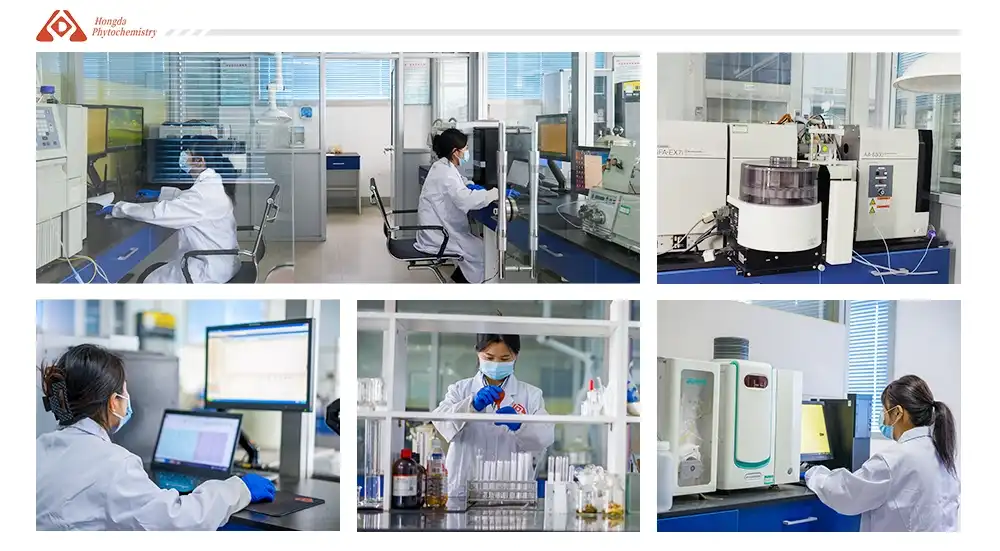
Hongda has been in business since 2001 and has over twenty years of Liposomal Coenzyme Q10 Powder experience in producing natural plant extracts and researching phytochemicals. Being named a National High-tech R&D Enterprise shows that our business is full of scientific rigor and the ability to come up with new ideas. When you put together advanced extraction tools, tested analytical methods, and technical knowledge at the doctoral level, you have a production setting that can meet the strictest pharmaceutical and nutraceutical standards. The Liposomal Coenzyme Q10 Powder formulation we use has an encapsulation efficiency of ≥90%. This is possible by using special processing factors that have been improved over the years of study and industrial production. Particle size distribution stays under tight control in the 100–400nm range, which makes sure that bioavailability performance is the same from batch to batch. This technical consistency means that you can be sure that your finished products will work the way you want them to. This is because fewer formulation factors could affect how customers feel or how well your products meet legal requirements. The cGMP-certified plant has strict quality controls at every stage of production, from making sure the raw materials are safe to testing the finished product before it is sent to customers. Our SGS-certified lab uses approved methods that are traceable to international pharmacopeial standards to do residue fluid analysis, heavy metal screening, microbial testing, and potency tests. This level of analytical rigor gives the paperwork needed for regulatory submissions, calls for certificates of analysis, and quality checks by knowledgeable buyers.
Flexible Partnership Approach
We know that different business sizes and market plans have very different procurement needs, so we've set up our services to work with a wide range of relationship models. The 1 kg minimum order number makes it easier for startups and research and development projects to get started, while our production capacity can handle orders of several tons for well-known brands that want to make their goods bigger. Because of this, your relationship with your seller can grow with your business, so you don't have to switch vendors when your business grows. Custom formulation options go beyond normal liposomal CoQ10 and can include special blends, different particle sizes, or carrier systems that are made to fit the needs of a particular application. Our technical team works with your formulators to make sure that product goals are met. This includes making sure that you have a water-dispersible powder for ready-to-mix drinks, a free-flowing powder that is best for filling capsules, and a unique format for new delivery systems. Account management and customer service need to be responsive in order to keep production schedules and handle the complicated details of foreign shipping. Our team answers technical questions, provides regulatory paperwork, arranges shipping, and helps people communicate across time zones so that transactions go smoothly and meet your business deadlines.
Conclusion
Liposomal Coenzyme Q10 Powder is an ingredient that has been proven to work by science and can help brands stand out in the brain health and energy support areas. Pharmaceutical-grade liposomal delivery systems meet both technical performance needs and market placement possibilities thanks to their improved bioavailability, formulation flexibility, and better stability. When purchasing managers look at potential suppliers, they should focus on those with factory experience, full certifications, and flexible partnership options to make sure the supply chain is reliable in the long run. Hongda has been making phytochemicals for 20 years and has state-of-the-art facilities and customer-focused service. This makes us a strategic partner for businesses that want to bring effective, high-quality nutritional goods to markets around the world.
FAQ1. How does liposomal CoQ10 powder achieve better absorption than standard forms?
The phospholipid bilayer structure looks like the membranes of human cells, which lets liposomes pass through digestive walls without breaking down or emulsifying. This method skips the slow breakdown process that normally stops CoQ10 from being absorbed, so plasma amounts are 3–10 times higher. The nanoparticles (100–400nm) make it easier for the circulatory system to carry the active chemical to the rest of the body, where it stays safe from being broken down by stomach acids.
2. What storage conditions maintain optimal product quality?
Keep Liposomal Coenzyme Q10 Powder in containers that can't be opened or get wet. Keep the powder out of direct sunlight and at temperatures below 25°C with a relative humidity below 60%. Unlike liquid liposomes, the powder form stays solid at room temperature for 24 months without needing to be refrigerated. This makes it easier to move things around in the factory and send them out to customers. Once the containers are opened, keep them out of the air as much as possible and close them back up right away to stop reactive damage and moisture absorption that could change how the powder flows.
3. Can this ingredient be incorporated into beverage formulations?
The water-dispersible nature makes wholesale coenzyme q10 powder exceptionally suitable for functional beverages, protein shakes, and ready-to-mix vitamins because it dissolves easily in water. When the powder comes in touch with water, it turns into a steady, milky suspension that doesn't clump or float. During product development, pH stability tests and flavor match checks make sure that the final formulas keep their liposomal integrity and taste throughout the shelf life.
Partner with Hongda for Premium Liposomal Coenzyme Q10 Powder
Hongda is a reliable source for pharmaceutical-grade ingredients because it is a known Liposomal Coenzyme Q10 Powder maker with a long list of certifications, such as FDA registration, cGMP, HALAL, KOSHER, and ISO standards. Our low bulk prices, adjustable minimum order number of 1 kg, and wide range of OEM customization options help with a wide range of product creation strategies in nutraceutical, pharmaceutical, and functional food fields. Email our team at duke@hongdaherb.com to get full technical specs, proof of analysis, and free samples that show how committed we are to quality. With more than 400 natural extract products, focused technical support, and a global shipping system, we give partners the tools they need to build successful brain and energy health product lines in markets that are very competitive.
References
1. Bhagavan HN, Chopra RK. "Coenzyme Q10: Absorption, Tissue Uptake, Metabolism and Pharmacokinetics." Free Radical Research, 2006, 40(5): 445-453.
2. Saini R. "Coenzyme Q10: The Essential Nutrient." Journal of Pharmacy and Bioallied Sciences, 2011, 3(3): 466-467.
3. Hosoe K, Kitano M, Kishida H, Kubo H, Fujii K, Kitahara M. "Study on Safety and Bioavailability of Ubiquinol after Single and 4-Week Multiple Oral Administration to Healthy Volunteers." Regulatory Toxicology and Pharmacology, 2007, 47(1): 19-28.
4. Langsjoen PH, Langsjoen AM. "Supplemental Ubiquinol in Patients with Advanced Congestive Heart Failure." BioFactors, 2008, 32(1-4): 119-128.
5. Akbari A, Mobini GR, Agah S, Morvaridzadeh M, Omidi A, Potter E, Fazelian S, Ardehali SH, Daneshzad E, Dehghani S. "Coenzyme Q10 Supplementation and Oxidative Stress Parameters: A Systematic Review and Meta-Analysis of Clinical Trials." European Journal of Clinical Pharmacology, 2020, 76(11): 1483-1499.
6. Pravst I, Zmitek K, Zmitek J. "Coenzyme Q10 Contents in Foods and Fortification Strategies." Critical Reviews in Food Science and Nutrition, 2010, 50(4): 269-280.





_1768986697306.jpg "Citrus Aurantium Extract Powder")