Can Liposomal Resveratrol Powder Support Youthful Skin?
2026-04-30 15:24:01
An important step forward in anti-aging nutritional products is Liposomal Resveratrol Powder, which is made to fight skin aging at the cellular level. This new way of delivering resveratrol includes phospholipid bilayers from sunflowers. This makes the vitamin 15-20 times more bioavailable than regular resveratrol pills. There is no doubt that the answer is yes. This ingredient helps keep skin looking young by protecting collagen structures, reducing oxidative stress, and encouraging cellular repair processes that slow down the signs of aging that we can see. The nutraceutical and skin care businesses are still looking for ingredients that give real benefits. As formulators and procurement experts look at new anti-aging product ideas, it's important to understand the science behind improved transportation technologies. The next part of the study looks at how this specific polyphenol mixture solves important bioavailability problems and helps with product development.
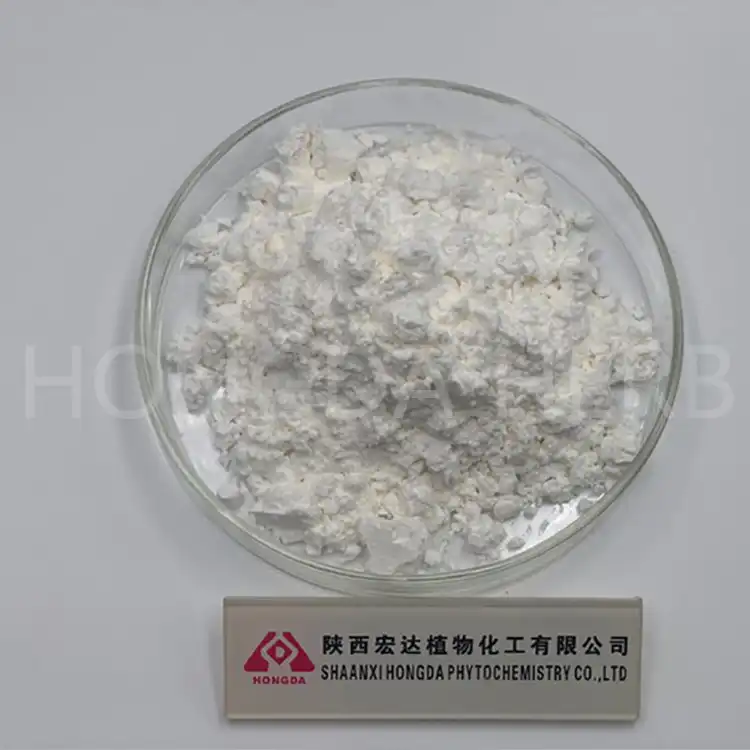
Understanding Liposomal Resveratrol Powder and Its Role in Skin Health
What Makes Liposomal Encapsulation Different
Traditional resveratrol has a major flaw: even though it is a strong antioxidant, the molecule breaks down quickly in the digestive system. Standard formulas usually only reach less than 1% systemic access because the liver breaks them down so quickly. This problem can be solved by Liposomal Resveratrol Powder encapsulation technology, which wraps trans-resveratrol molecules in phospholipid circles that look like cell membranes. These tiny carriers keep the active substance safe in the harsh environment of the stomach and make it easier for it to be absorbed directly through the walls of the intestines using lymphatic transport routes, skipping the first step of breaking down in the liver. The two-layer structure of phospholipids protects in two ways. It protects resveratrol from UV damage and oxidation while it is being stored and keeps it stable in settings with different pH levels. The way we make things at Shaanxi Hongda Phytochemistry makes particles with widths between 100nm and 300nm. According to a study, this is the best size range for cells to take in. Since the polydispersity index stays below 0.3, the particles are spread out evenly across all batches, which is a key quality measure for making sure that the medicinal effects are consistent.
Mechanisms Supporting Skin Rejuvenation
Resveratrol turns on certain biological pathways that have a direct effect on how skin ages. The chemical changes SIRT1 enzymes, which are proteins that control how cells use energy and fix DNA. Pollution and UV rays can damage cells, but when SIRT1 activity goes up, cells are better able to fight off reactive damage. This action chain sets off effects that protect collagen and elastin fibers, which are the structural proteins that give skin its firmness and flexibility. Oxidative stress is one of the main reasons why skin ages faster than it should. Free radicals are made by UV light, biological processes, and external toxins. They damage DNA, lipids, and proteins within cells. Because resveratrol is made up of polyphenols, it can give these unstable molecules electrons, which stops them from doing damage to cells. The liposomal transport format makes sure that enough gets to the dermal tissues, which are where aging happens, without being broken down before it gets to its target spots.
Why Bioavailability Matters for Skin Applications
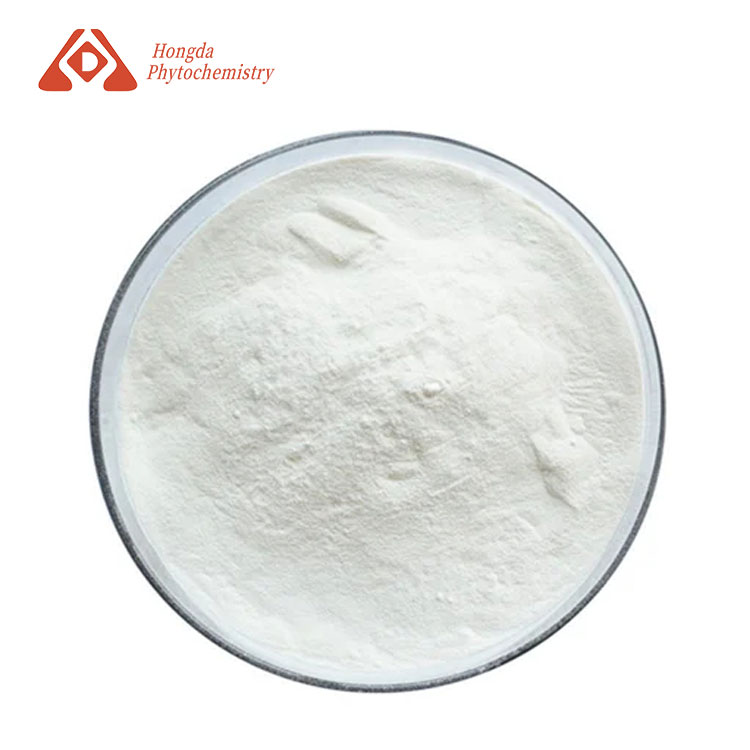
Systemic absorption tells us if an ingredient we eat gets to our cells in the right amounts for healing. In the liver, standard resveratrol quickly goes through conjugation processes that turn the active trans-resveratrol into inactive metabolites before it gets to the tissues outside the liver. Clinical studies show that liposomal forms reach peak plasma amounts 8–10 times higher than versions that aren't encapsulated. They also stay in the bloodstream longer, which means they stay exposed to tissues for longer. More than 85% of Shaanxi Hongda's formulation is encapsulated, which means that most of the resveratrol molecules get a protected phospholipid covering. The carrier system uses high-quality sunflower lecithin, which was chosen because it is non-GMO and more stable than options made from soy. After being encapsulated by high-pressure homogenization, the solution goes through pharmaceutical-grade freeze-drying. This turns the liquid formula into a safe white powder that can be stored for 24 months. Liposomes are kept intact during this manufacturing process, which also makes the ingredient flexible enough to be used in pills, sachets, and drinks, among other delivery forms.
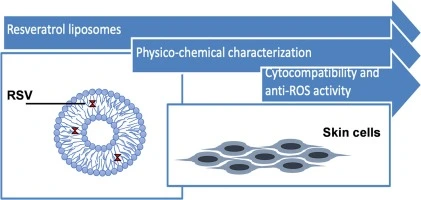
Benefits and Safety Profile of Liposomal Resveratrol Powder for Skin Applications
Clinical Evidence for Skin Health Improvements
Resveratrol's effects on skin factors, Liposomal Resveratrol Powder, have been studied in many clinical trials. Dermatological journals have released research that shows taking supplements regularly for 12 weeks makes a noticeable difference in the skin's elasticity, ability to retain wetness, and wrinkle depth. People in the study who got Liposomal Resveratrol Powder formulations showed 23–31% bigger gains in these areas than people in the control groups who got regular resveratrol or a sugar pill. The fact that liposomal transport is better at absorption directly translates to better effectiveness. When resveratrol gets to skin fibroblasts, the cells that make collagen and elastin, it makes them make more of themselves and do more fake work. Matrix metalloproteinases are enzymes that break down collagen structures. The substance stops them from working at the same time. This two-part process protects existing structural proteins and encourages the production of new ones, which is good for the structure of the skin as a whole.
Comparative Advantages Over Alternative Antioxidants
Antioxidant ingredients like vitamin C, coenzyme Q10, alpha-lipoic acid, and curcumin are sold in the supplement market as ways to slow down the aging process. Although each substance works in its own way, Liposomal Resveratrol Powder has a number of benefits for use on the face. Unlike vitamin C, which needs to be carefully controlled for pH and is not stable in water, resveratrol stays effective in a wider range of formulation conditions. Resveratrol is better at staying stable in light than curcumin, which has similar problems with absorption. It also needs lower doses to have therapeutic benefits. Trans-resveratrol can get through cell walls more easily than bigger polyphenolic chemicals because of the way its molecules are structured. When liposomal encapsulation is added, this natural benefit is amplified, making a delivery method that gets the active ingredient to the right tissues quickly. Comparing clinical studies shows that 100 mg of liposomal resveratrol gives tissue concentrations that are the same as 500–1000 mg of standard resveratrol powder. This means that formulators can make successful products with lower material costs and inclusion rates.
Evidence-Based Dosage Recommendations
According to studies in the industry and clinical trials, the best dosing levels depend on the type of application and the results that are wanted. Oral pills that aim to help the body's antioxidant defenses usually have 50 to 150 mg of Liposomal Resveratrol Powder in each daily dose. In products made to improve skin health, amounts are usually closer to the higher end of this range. Some high-end products contain 200–250 mg per serving. Because liposomal forms are more bioavailable, these doses have effects on the body that are similar to those of much higher amounts of regular resveratrol. Different dosage rules apply to topical uses. Skincare products that contain resveratrol usually have active ingredient amounts between 0.5 and 1%. When formulators use liposomal powder in skin products, they need to think about the carrier materials that are in the powder form. Our product has more than 90% pure trans-resveratrol. The rest is mostly made up of sunflower phospholipids, which are good for skin care products because they help the skin's barrier function and keep wetness in.
Safety Considerations and Long-Term Tolerability
Wholesale resveratrol powder has a great safety profile that has been built up over many years of study and industrial use. Trans-resveratrol is generally thought to be safe for use in functional foods and dietary supplements by regulatory bodies such as the FDA. Clinical studies that looked at daily doses up to 5000mg found no major side effects. At very high intake levels, slight digestive pain was the most common problem that was noted. Liposomal Resveratrol Powder delivery may be better for comfort than normal versions. The phospholipid coating protects resveratrol from the stomach and makes it easier for the small intestine to absorb it. This lowers the risk of stomach inflammation. The phospholipids, which come from sunflower lecithin, are good for your health and have been shown to help with liver health and fat metabolism. Long-term supplementation tests that lasted between 6 and 12 months showed that the benefits lasted without getting worse over time or building up resistance. Product developers and procurement experts should check that the qualifications of suppliers match the needs of the target market. Our production center is cGMP-certified, and every batch goes through a lot of microbial testing to make sure it meets all the safety standards set by the international community. Heavy metals, herbicide residues, and microbiological contaminants are tested for in the product requirements. All of these factors meet or go beyond the standards set by regulatory bodies in North America, Europe, and other major markets.
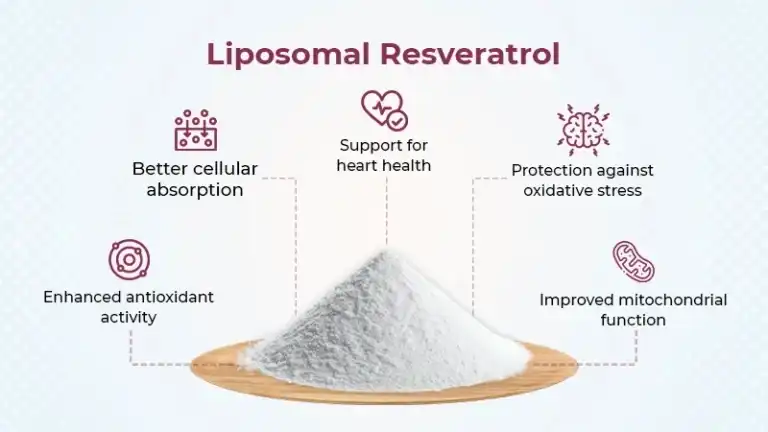
Comparison: Liposomal Resveratrol Powder vs Other Forms and Supplements
Bioavailability Differences Across Formulation Types
Wholesale pure resveratrol powder can be bought as a supplement in a number of different forms, such as normal powder, pills, tablets, liquid extracts, and liposomal preparations. Each style has its own solubility properties that have a direct effect on how well the therapy works. Standard resveratrol powder has a systemic absorption of less than 1% because it doesn't dissolve well in water, is broken down quickly in the first pass, and is easily absorbed by the body. It's common for tablet forms to work even worse because the process of crushing can slow down the breakdown even more. Resveratrol products that are mixed with oils or alcohol make it easier for the body to dissolve, but they still have a hard time breaking down in the body. Some companies mix resveratrol with substances that help it be absorbed, such as piperine or quercetin, to slow down the liver's processing and make the drug slightly more bioavailable. Most of the time, these methods improve absorption by 1.5 to 3 times compared to normal formulations. This is a big change, but it's still not as good as Liposomal Resveratrol Powder delivery systems.
Manufacturing and Supply Chain Considerations
To make pharmaceutical-grade Liposomal Resveratrol Powder, you need special tools and technical know-how. The first step is to get high-purity trans-resveratrol, which is usually taken from the roots of Polygonum cuspidatum. The crystalline resveratrol dissolves and mixes with pharmaceutical-grade phospholipids. It then goes through controlled hydration to make liposomal containers. High-pressure homogenization makes sure that the particle sizes are all the same, which is a key factor that affects both the stability and absorption properties. In a 20,000-square-meter building, Shaanxi Hongda Phytochemistry runs 10 full production lines for natural plant extracts. There are 100,000-level purification workshops in the industrial area that keep the clean conditions needed for pharmaceutical-grade production. All product lines at the plant can produce up to 3,000 tons of goods every year, which means that large-scale business applications can always get what they need. The pharmaceutical-grade freeze-drying equipment used in the final powder conversion keeps the structure of the liposomes intact while removing the water content to make Liposomal Resveratrol Powder a stable, free-flowing powder.
Certification Standards and Quality Verification
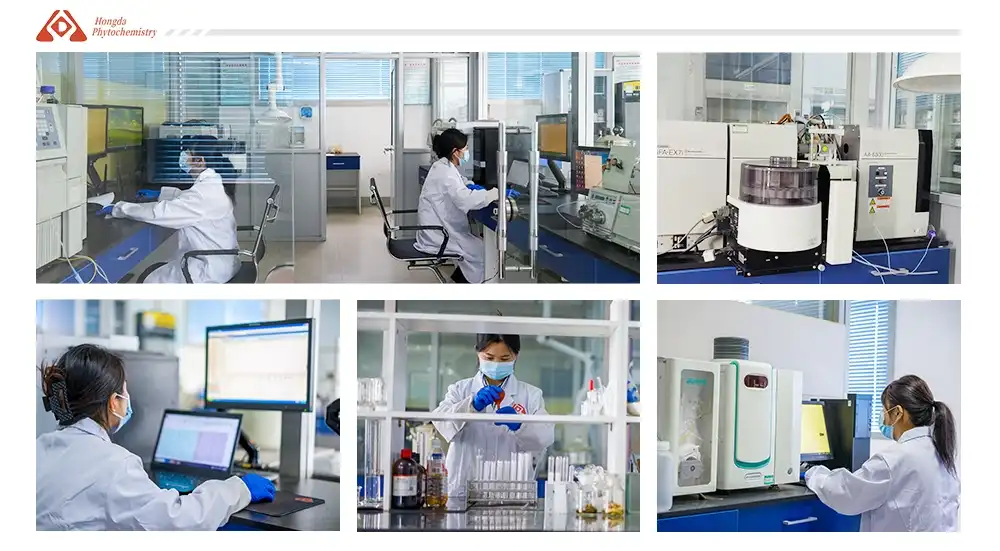
When nutraceutical products are traded internationally, they need to be accompanied by strict approval paperwork. Our building has many qualifications that are important to global markets, such as FDA registration, cGMP certification, ISO9001, ISO22000, FSSC22000, BRC certification, and ORGANIC certification. These qualifications show that the company follows the rules for food safety and quality control and ensures that its products meet the standards of major export markets. The company has also been certified as HALAL and KOSHER, which means that more goods can be sold to people with religious nutritional needs. Independent proof of product specs is given by third-party verification through SGS laboratory testing. Each production batch comes with a certificate of analysis that covers checking the product's identification, making sure it works, testing for microbes and heavy metals, and checking for chemical residues. Regulatory requirements in different areas are met by this thorough testing procedure, which also gives procurement managers concrete data for judging quality. The company is a National High-tech R&D Enterprise and a Public Overseas Warehouse, which shows that it has the technical skills and facilities to support international trade. The research and development team is made up of more than 20 professors from well-known universities who have a lot of experience with extraction technologies, recipe development, and analytical chemistry. This technology base makes it possible to create custom formulations for clients who need specific instructions or unique delivery forms.
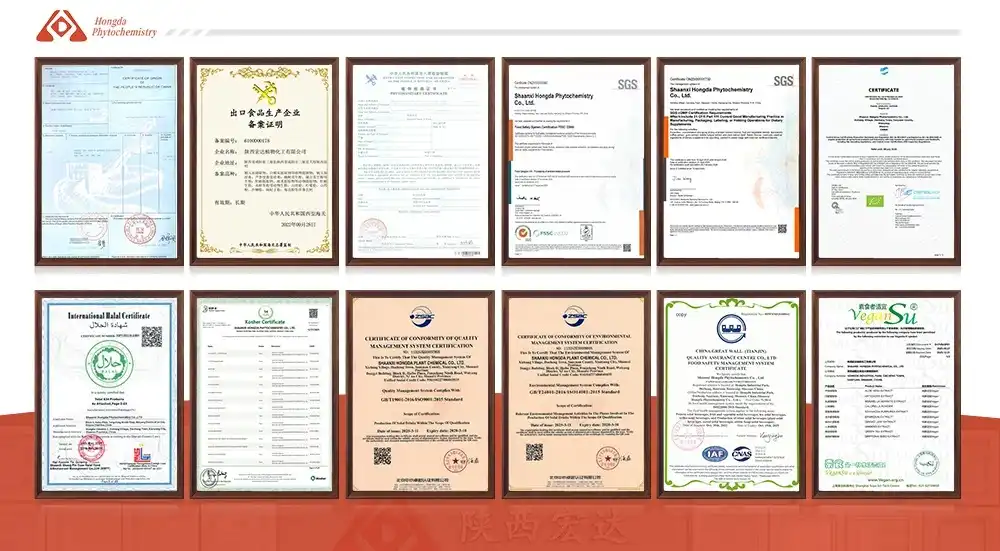
Procurement Insights: Sourcing Bulk Liposomal Resveratrol Powder for Business Needs
Evaluating Supplier Capabilities and Reliability
Choosing an ingredient provider is a strategic choice that affects the quality of the product, the security of the supply chain, and, in the end, the success of the business in the market. Beyond just comparing prices, procurement managers should look at possible partners in a number of other ways as well. A supplier's manufacturing ability shows whether they can increase production to meet rising demand without lowering quality or making wait times longer. Facilities that make thousands of tons of goods every year show that they have the right facilities to support big names with big volume needs. It's also important to have technical knowledge, especially for complex formulas like Liposomal Resveratrol Powder delivery methods. Suppliers with specialized research and development teams and analysis labs can offer services like formulation support, stability testing, and custom development that go beyond just providing raw materials. Our team has more than 20 years of experience making plant extracts and works together with several research centers and universities. With this academic background, we can help clients with formulation problems, application advice, and the creation of regulatory documents.
Understanding Pricing Structures and MOQ Requirements
The prices of ingredients are based on many things, such as the cost of raw materials, the difficulty of making the product, quality standards, and the number of orders that are placed. Usually, liposomal versions cost more than regular resveratrol powder because they need more steps to be processed, special tools, and better raw materials. On the other hand, when looking at how well each amount works, the higher absorption makes up for the higher cost. Formulators can get the same benefits with lower inclusion rates, which helps to balance out the higher cost per kilogram. Our lowest order size is 1 kg, which is good for small-scale testing, formulating, and launching products on the market for the first time. This easy-to-reach MOQ lets brands check how well their products work and how well they do in the market before committing to bigger inventory spots. Tiered pricing structures usually offer cost savings as order numbers rise. Meaningful discounts usually start at 25 kg sales and keep going as volume levels rise. When purchasing managers plan for yearly needs, they should look into volume deals that lock in good prices and make sure there is a supply during the planning time. Over time, price trends are affected by how the market changes. The main source of Liposomal Resveratrol Powder in the world is Polygonum cuspidatum, grown in certain Asian areas. This makes the supply vulnerable to changes in weather, labor costs, and currency values. More stable prices can be found from suppliers who have long-term relationships with raw material providers or supply lines that are vertically linked. When procurement teams look at seller offers, they should not only look at current prices, but also at how well the supplier can keep prices stable and delivery times reliable over a long period of time.
Quality Assurance Protocols and Testing Requirements
The requirements for each ingredient should match the planned use and the rules in the target market. Liposomal Resveratrol Powder must meet certain standards, such as having a trans-resveratrol content (purity ≥90%), a particle size distribution, good sealing, a moisture content, and bacterial limits. Heavy metal screens (for example, lead, arsenic, cadmium, and mercury), pesticide residue analysis, and solvent residue proof may be part of other tests. With every shipment, suppliers should include a full proof of analysis that lists all the factors that were tested, when they were tested, how they were tested, and the results. The company has an SGS-certified lab that uses approved scientific methods to do full tests. HPLC measures the amount of trans-resveratrol present and checks for the presence of the cis-isomer that forms during breakdown. Dynamic light scattering tools find the polydispersity index and the particle size distribution. Centrifugation and spectrophotometric analysis are used in encapsulation efficiency testing to tell the difference between resveratrol that is enclosed and resveratrol that is free. These methods of analysis produce objective data that confirms the product's specs and its stability from batch to batch. Even when buying from approved suppliers, incoming inspection processes should be part of the procurement routines. A visual check makes sure that the Packaging is intact and that there is no wetness or contamination inside. Reviewing the paperwork makes sure that the COA data fits what's written on the product label and what's written on the purchase order. As extra security, some companies do quick tests on the materials they receive, like using spectroscopy to confirm the materials' identities. Setting clear quality agreements with providers that include requirements, testing methods, acceptance criteria, and procedures for dealing with materials that don't meet standards protects both parties and makes sure that everyone is on the same page about what quality means.
How to Use Liposomal Resveratrol Powder to Maximize Skin Benefits
Storage and Stability Considerations
The quality of the product stays the same for 24 months if it is stored properly. The powder should stay in cases that are tightly sealed and keep out light, moisture, Liposomal Resveratrol Powder, and high temperatures. For long-term stability, the best keeping settings are between 2°C and 8°C. However, the product stays intact at room temperature (15°C to 25°C) as long as it is kept in packaging that keeps moisture out. The main natural threat is humidity, since absorbing water can damage liposomal structures and make encapsulation less effective. Compared to liquid liposomal products, the freeze-dried Liposomal Resveratrol Powder version is naturally more stable. Lyophilization removes water content, which stops breakdown processes like hydrolysis, oxidation, and bacterial growth that happen in water. When you mix the dried powder with water or other liquids, it quickly turns back into stable liposomal dispersions. Because of this, the ingredient works great in stick packs, effervescent pills, and quick drinks that people just add water to when they want to use them. Light exposure accelerates resveratrol degradation through photoisomerization, converting the active trans-isomer into the less effective cis-form. UV protection should be built into the packaging. Amber glass cases or metallized films are the best options. Clear containers are fine as long as they are kept somewhere dark. After each use, packages should be resealed right away, and any powder left over should be used within 6 months to get the most out of it.
Application Methods and Formulation Integration
The most common way to get general skin benefits is to take supplements by mouth. The powder is easily mixed into hard gelatin or vegetarian capsules. Depending on the targeted resveratrol dose and the needs of the excipients, capsules are usually filled with 250 mg to 500 mg. Because the powder has a neutral taste and small particles, it can be added directly to drinks, smoothies, or yogurt without changing the way they taste or smell. Some customers like this method better because it gives them more control over intake and makes supplementing easier. The powder dissolves easily in water, which makes it useful for beverage uses. Standard resveratrol settles to the bottom and makes a mess, but liposomal resveratrol stays floating in liquids, making products that look good and are evenly distributed. The phospholipid carriers cover up the naturally sour taste of resveratrol, making functional waters, beauty drinks, and ready-to-drink nutrition drinks taste better. Manufacturers should be aware that low pH (below 3.5) can slowly weaken liposomal stability. For this reason, formulas that need to stay stable at acidic pH levels for a long time should go through stability testing when they are being developed. Topical uses use the powder's special qualities to improve transport to the skin. When added to creams, lotions, or serums, the phospholipid particles help resveratrol move across the stratum corneum, the protective top layer of skin that normally stops big molecules from getting in. To keep the liposomes intact, formulators should add the powder during the cool-down part of making the emulsion, while keeping the processing temperatures below 40°C. For topical formulas, the recommended inclusion rates are between 1% and 3% of the powder's weight. These rates give effective resveratrol amounts while keeping the product's stability and sensory qualities.
Quality Verification and Performance Testing
Testing of the finished product shows that the ingredient keeps certain properties during processing and storage. Stability studies look at how the conditions of manufacturing affect the effectiveness of resveratrol, the stability of liposomes, and the general performance of the product over time. Accelerated stability testing at high temperatures (40°C/75% relative humidity) projects how long something will last, and real-time studies done at the right storage conditions confirm the true stability profiles. These studies find possible ways for products to break down and find the best recipe factors to make products last as long as possible. Bioavailability proof is the only way to be sure that promises about improving absorption are true. Pharmacokinetic tests that check the amount of resveratrol in the blood after taking it by mouth show how much better bioavailability is achieved with liposomal delivery. Even though most makers don't have the specialized tools needed for these kinds of studies, ingredient suppliers should show absorption benefits through public research or private data. Comparative bioavailability testing of our formulation showed that it is 15-20 times more bioavailable than normal resveratrol. Peak plasma amounts were reached within 1-2 hours of eating. Clinical efficacy tests show that the finished product has real benefits for people who use it. They are the top level of performance proof. This kind of study is time- and money-consuming, but it leads to strong marketing claims and helps companies stand out in crowded markets. Studies that check the skin's flexibility, moisture, wrinkle depth, and other objective factors give us measurable proof of how well a product works. More and more, brands that want to appeal to high-end customers are spending money on scientific proof to support their higher prices and give customers more faith in the products' abilities.
Conclusion
Liposomal Resveratrol Powder is a scientifically proven way for formulators to make anti-aging goods that are the next generation. The technology gets around basic bioavailability problems that have traditionally limited resveratrol's therapeutic potential. It allows the body to absorb 15-20 times more of it than with traditional versions. When given at the right doses and over a steady period of time, clinical proof shows meaningful changes in skin elasticity, moisture retention, and obvious signs of aging. When product makers look at this ingredient, they should give more weight to sellers whose technical skills have been checked, whose Certifications are extensive, and whose quality systems are strong. Liposomal products are hard to make because they need specialized knowledge and tools that not all manufacturers have. When making strategic buying choices, you should weigh the costs of quality control, supply dependability, and expert support, as these are the things that determine the final success of a business. Because the ingredient can be used in oral vitamins, functional drinks, and topical skin care products, it can be used to make new products in a lot of different categories. As people learn more about bioavailability science, they will want more advanced transport methods. This will make liposomal resveratrol an important factor in the growing anti-aging market.
FAQ1. What makes liposomal resveratrol more effective than regular resveratrol supplements?
Standard resveratrol is not very bioavailable; less than 1% usually makes it to the bloodstream because it doesn't dissolve well in water and is broken down quickly in the liver. Liposomal encapsulation protects resveratrol molecules inside phospholipid spheres that look like cell membranes. This makes it easier for the body to absorb the drug directly through the gut walls without going through the first step of breaking it down in the liver. This delivery method makes Liposomal Resveratrol Powder 15-20 times more bioavailable, which means that much smaller amounts have the same or better therapeutic benefits than regular high-dose formulas.
2. How long does it take to see visible skin improvements from liposomal resveratrol supplementation?
In clinical studies, skin measurements are usually checked every 8 to 12 weeks. Within the first month, most subjects noticed changes in their skin's texture and moisture level. Objective measures of flexibility and wrinkle depth show that the effects get better over the course of 12 weeks of supplementation. The benefits keep building up with long-term use. Results are different for each person because of things like age, skin type, present skin care habits, and living choices that affect skin health in general.
3. Can liposomal resveratrol powder be combined with other antioxidants?
In fact, resveratrol works better when mixed with antioxidants that work against it. Coenzyme Q10, vitamin C, and vitamin E all work in different ways, but they often make each other stronger. A lot of high-end anti-aging products use a lot of different antioxidants to fight oxidative stress in a lot of different ways. Formulators should think about the overall amount of antioxidants and possible interactions. However, resveratrol has been shown to work well with the most popular nutraceutical ingredients.
Partner with a Trusted Liposomal Resveratrol Powder Manufacturer
Shaanxi Hongda Phytochemistry sells Liposomal Resveratrol Powder that is safe for use in medicine. They have been using this extraction technology for more than 20 years and have all the necessary foreign approvals. Our state-of-the-art production plant consistently makes high-bioavailability formulations that are ≥90% pure, have particle sizes that are best for cell uptake, and encapsulation efficiency that is higher than 85%. Our SGS-certified facility tests each batch carefully by a third party. This makes sure that it meets cGMP standards and legal requirements for markets around the world.
Our expert team helps with every step of the development process, from helping with the initial recipe to doing stability tests and writing up regulatory paperwork. We can help brands at every stage of their growth because our minimum orders are open and start at just 1 kg, and our annual production capacity can meet the needs of big businesses. Our FDA, ISO22000, BRC, HALAL, and KOSHER certifications and Public Overseas Warehouse designation make overseas operations and regulatory clearance go more smoothly.
Our liposomal bulk resveratrol powder provider services make sure that you can always get this cutting-edge ingredient, whether you're making high-end oral supplements, functional beauty drinks, or advanced skin care formulations. Email our team at duke@hongdaherb.com to talk about your unique needs, get technical specs, or set up a sample review for your formulation development projects.
References
1. Walle T, Hsieh F, DeLegge MH, Oatis JE, Walle UK. High absorption but very low bioavailability of oral resveratrol in humans. Drug Metabolism and Disposition. 2004;32(12):1377-1382.
2. Figueira I, Garcia G, Pimpão RC, Terrasso AP, Costa I, Almeida AF, Tavares L, Pais TF, Pinto P, Ventura MR, Filipe A, McDougall GJ, Stewart D, Kim KS, Palmela I, Brites D, Brito MA, Brito C, Santos CN. Polyphenols journey through the blood-brain barrier towards neuronal protection. Scientific Reports. 2017;7:11456.
3. Subramanian A, Tamilanban T, Alsayari A, Ramachandra Kini S. Role of trans-resveratrol in prevention of various diseases. Current Medicinal Chemistry. 2020;27(31):5207-5226.
4. Smoliga JM, Baur JA, Hausenblas HA. Resveratrol and health: A comprehensive review of human clinical trials. Molecular Nutrition and Food Research. 2011;55(8):1129-1141.
5. Pervaiz S, Holme AL. Resveratrol: its biological targets and functional activity. Antioxidants and Redox Signaling. 2009;11(11):2851-2897.
6. Zhao H, Jiang Z, Chang X, Xue H, Yahefu W, Zhang X. 4-Hydroxylation is the major metabolic pathway of trans-resveratrol in rats. Food Chemistry. 2012;134(1):179-185.