Is Reishi Mushroom Powder Safe To Take Daily?
2025-08-20 18:03:21
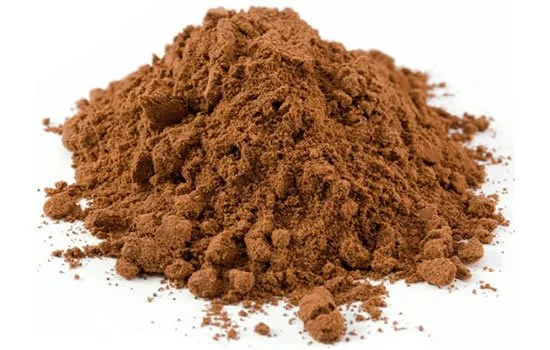
Reishi mushroom, also known as Ganoderma lucidum or lingzhi, has been a staple in traditional Eastern medicine for centuries. In recent years, it has gained popularity in the Western world as a dietary supplement, often consumed in powder form. As more people incorporate Reishi Mushroom Powder into their daily routines, a common question arises: Is it safe to take reishi mushroom powder daily? This blog post will explore the safety, benefits, and considerations of daily reishi mushroom powder consumption.
What are the health benefits of reishi mushroom powder?
Reishi mushroom powder has garnered attention for its potential health benefits, which have been the subject of numerous scientific studies. While more research is needed to fully understand its effects, current evidence suggests that reishi mushroom powder may offer several advantages when consumed regularly.
One of the primary benefits associated with reishi mushroom powder is its potential to boost the immune system. Reishi contains complex compounds called beta-glucans, which have been shown to stimulate and modulate immune function. This immune-enhancing effect may help the body defend against various pathogens and potentially reduce the risk of certain infections.
Another significant benefit of reishi mushroom powder is its adaptogenic properties. Adaptogens are substances that help the body adapt to stress and maintain balance. Regular consumption of reishi may help improve the body's response to physical, mental, and environmental stressors, potentially leading to increased resilience and overall well-being.
Reishi mushroom powder has also been studied for its potential anti-inflammatory effects. Chronic inflammation is associated with numerous health issues, including heart disease, diabetes, and certain types of cancer. The triterpenes found in reishi have demonstrated anti-inflammatory properties in laboratory studies, suggesting that regular consumption may help reduce inflammation in the body.
Some research has also explored the potential of reishi mushroom powder to support liver health. The liver plays a crucial role in detoxification and overall health, and some studies have suggested that reishi may help protect liver cells from damage and improve liver function. However, more research is needed to fully understand the extent of these benefits.
While these potential health benefits are exciting, it's important to approach them with a balanced perspective. The effects of reishi mushroom powder can vary from person to person, and more large-scale human studies are needed to conclusively establish its efficacy for various health conditions. As with any supplement, it's crucial to consult with a healthcare professional before incorporating reishi mushroom powder into your daily routine, especially if you have pre-existing health conditions or are taking medications.

How much reishi mushroom powder should I take daily?
Determining the appropriate daily dosage of reishi mushroom powder is an important consideration for those looking to incorporate this supplement into their routine. While there is no universally agreed-upon dosage, several factors can help guide your decision-making process.
First and foremost, it's crucial to understand that the optimal dosage can vary depending on factors such as your age, weight, overall health, and the specific health goals you're aiming to achieve. Additionally, the concentration and quality of the reishi mushroom powder can affect the recommended dosage.
Many commercial reishi mushroom powder products come with recommended serving sizes on their Packaging. These suggestions typically range from 1 to 3 grams per day, often divided into two or three doses. However, it's important to note that these recommendations are general guidelines and may not be suitable for everyone.
In traditional Chinese medicine, practitioners have used reishi in various forms and dosages for centuries. Some sources suggest that doses of 1.5 to 9 grams of dried mushroom extract per day have been used safely in clinical studies. However, it's crucial to remember that these studies often use standardized extracts, which may differ from the reishi mushroom powder available for consumer use.
When starting with reishi mushroom powder, it's generally recommended to begin with a lower dose and gradually increase it over time. This approach allows you to monitor how your body responds to the supplement and adjust accordingly. Some people may find that they experience the desired benefits with a lower dose, while others may require a higher dose to notice effects.
It's also worth considering the duration of use when determining your daily dosage. Some studies have used reishi supplements for periods ranging from a few weeks to several months. If you're planning to take reishi mushroom powder long-term, it's especially important to consult with a healthcare professional to ensure it's safe and appropriate for your individual circumstances.
The time of day you take reishi mushroom powder can also influence its effects. Some people prefer to take it in the morning to potentially boost energy and support immune function throughout the day. Others may choose to take it in the evening, as some anecdotal reports suggest it may promote relaxation and improve sleep quality. Experimenting with different timing may help you determine what works best for your body and lifestyle.
It's important to note that while reishi mushroom powder is generally considered safe for most people, higher doses may increase the risk of side effects. These can include digestive discomfort, dry mouth, nosebleeds, or dizziness. If you experience any adverse effects, it's advisable to reduce your dosage or discontinue use and consult with a healthcare professional.
Can reishi mushroom interact with medications?
When considering adding reishi mushroom powder to your daily routine, it's crucial to be aware of potential interactions with medications. While reishi is generally considered safe for most people, it can interact with certain drugs, potentially altering their effectiveness or causing unwanted side effects.
One of the primary concerns regarding reishi mushroom interactions is its potential effect on blood clotting. Reishi contains compounds that may have anticoagulant properties, meaning they could potentially thin the blood and affect its ability to clot. This becomes particularly important for individuals taking blood-thinning medications such as warfarin, heparin, or aspirin. The combination of reishi and these medications could potentially increase the risk of bleeding or bruising. Therefore, if you're taking any blood thinners, it's crucial to consult with your healthcare provider before incorporating reishi mushroom powder into your daily regimen.
Another area of potential interaction involves medications that affect blood pressure. Some studies have suggested that reishi mushroom may have a blood pressure-lowering effect. While this can be beneficial for some individuals, it could potentially lead to excessively low blood pressure when combined with antihypertensive medications. If you're taking medications to manage your blood pressure, it's important to monitor your blood pressure closely and consult with your healthcare provider before adding reishi to your routine.
Reishi mushroom may also interact with certain immunosuppressant drugs. Given its potential to stimulate the immune system, reishi could theoretically counteract the effects of medications designed to suppress immune function. This is particularly relevant for individuals who have undergone organ transplants or those with autoimmune disorders who are taking immunosuppressants. In these cases, the use of reishi mushroom powder should be carefully evaluated and discussed with a healthcare professional.
Some research has suggested that reishi mushroom may affect blood sugar levels. While this could potentially be beneficial for some individuals, it's important to exercise caution if you're taking medications for diabetes. The combination of reishi and diabetes medications could potentially lead to hypoglycemia (low blood sugar). If you have diabetes and are considering adding reishi to your routine, it's crucial to monitor your blood sugar levels closely and consult with your healthcare provider.
It's also worth noting that reishi mushroom may interact with certain chemotherapy drugs. Some laboratory studies have suggested that reishi could potentially enhance the effects of some chemotherapeutic agents, while possibly interfering with others. If you're undergoing cancer treatment, it's crucial to discuss the use of any supplements, including reishi, with your oncologist before incorporating them into your regimen.
In conclusion, while reishi mushroom powder can offer potential health benefits, it's crucial to approach its use with caution if you're taking medications. Always consult with your healthcare provider before adding reishi or any other supplement to your daily routine, especially if you have existing health conditions or are taking prescription medications. Your healthcare provider can help you weigh the potential benefits against the risks and make an informed decision about whether reishi mushroom powder is appropriate for you.
Hongda Phytochemical Co., Ltd. excels in the industry with an impressive array of Certifications including FSSC, cGMP, BRC, ORGANIC (EU), ORGANIC (NOP), ISO22000, ISO9001, FDA, HALAL, KOSHER, and national certification of high-tech innovative enterprises. Specializing in reishi mushroom powder bulk production, we offer extensive capabilities in OEM/ODM processing, ensuring flexibility in meeting diverse client needs. Our state-of-the-art facilities enable factory direct production with the option for customized manufacturing and packaging solutions. Committed to quality assurance, we provide free samples to prospective partners, showcasing our dedication to excellence from production to delivery. For inquiries and collaboration opportunities, please reach out to us at duke@hongdaherb.com. Hongda Phytochemistry Co., Ltd. looks forward to building mutually beneficial partnerships in delivering premium reishi mushroom powder products worldwide.
References
1. Wachtel-Galor, S., Yuen, J., Buswell, J. A., & Benzie, I. F. F. (2011). Ganoderma lucidum (Lingzhi or Reishi): A Medicinal Mushroom. In Herbal Medicine: Biomolecular and Clinical Aspects (2nd ed.). CRC Press/Taylor & Francis.
2. Jin, X., Ruiz Beguerie, J., Sze, D. M., & Chan, G. C. (2016). Ganoderma lucidum (Reishi mushroom) for cancer treatment. Cochrane Database of Systematic Reviews, 4, CD007731.
3. Klupp, N., Chang, D., Hawke, F., Kiat, H., Cao, H., Grant, S. J., & Bensoussan, A. (2015). Ganoderma lucidum mushroom for the treatment of cardiovascular risk factors. Cochrane Database of Systematic Reviews, 2, CD007259.
4. Bhardwaj, N., Katyal, P., & Sharma, A. K. (2014). Suppression of inflammatory and allergic responses by pharmacologically potent fungus Ganoderma lucidum. Recent Patents on Inflammation & Allergy Drug Discovery, 8(2), 104-117.
5. Guggenheim, A. G., Wright, K. M., & Zwickey, H. L. (2014). Immune Modulation From Five Major Mushrooms: Application to Integrative Oncology. Integrative Medicine: A Clinician's Journal, 13(1), 32-44.
6. Gao, Y., Zhou, S., Jiang, W., Huang, M., & Dai, X. (2003). Effects of ganopoly (a Ganoderma lucidum polysaccharide extract) on the immune functions in advanced-stage cancer patients. Immunological Investigations, 32(3), 201-215.
7. Chu, T. T., Benzie, I. F., Lam, C. W., Fok, B. S., Lee, K. K., & Tomlinson, B. (2012). Study of potential cardioprotective effects of Ganoderma lucidum (Lingzhi): results of a controlled human intervention trial. The British Journal of Nutrition, 107(7), 1017-1027.
8. Wang, J., Cao, B., Zhao, H., & Feng, J. (2017). Emerging Roles of Ganoderma Lucidum in Anti-Aging. Aging and Disease, 8(6), 691-707.
9. Xiao, C., Wu, Q. P., Cai, W., Tan, J. B., Yang, X. B., & Zhang, J. M. (2012). Hypoglycemic effects of Ganoderma lucidum polysaccharides in type 2 diabetic mice. Archives of Pharmacal Research, 35(10), 1793-1801.
10. Zhao, H., Zhang, Q., Zhao, L., Huang, X., Wang, J., & Kang, X. (2012). Spore Powder of Ganoderma lucidum Improves Cancer-Related Fatigue in Breast Cancer Patients Undergoing Endocrine Therapy: A Pilot Clinical Trial. Evidence-Based Complementary and Alternative Medicine, 2012, 809614.





_1756697466812.webp "Baicalensis Root Extract Powder")