Is Biotin Safe For The Kidneys?
2025-08-21 18:01:49
Biotin, also known as vitamin B7 or vitamin H, is a water-soluble B-complex vitamin that plays a crucial role in various bodily functions. Many people wonder about the safety of biotin, particularly concerning kidney health. The good news is that biotin is generally considered safe for the kidneys when taken in appropriate doses. As a water-soluble vitamin, excess biotin is typically excreted through urine, placing minimal stress on the kidneys. However, it's always wise to consult with a healthcare professional before starting any new supplement regimen, especially if you have pre-existing kidney conditions or concerns.
What are the benefits of taking Pure Biotin Powder?
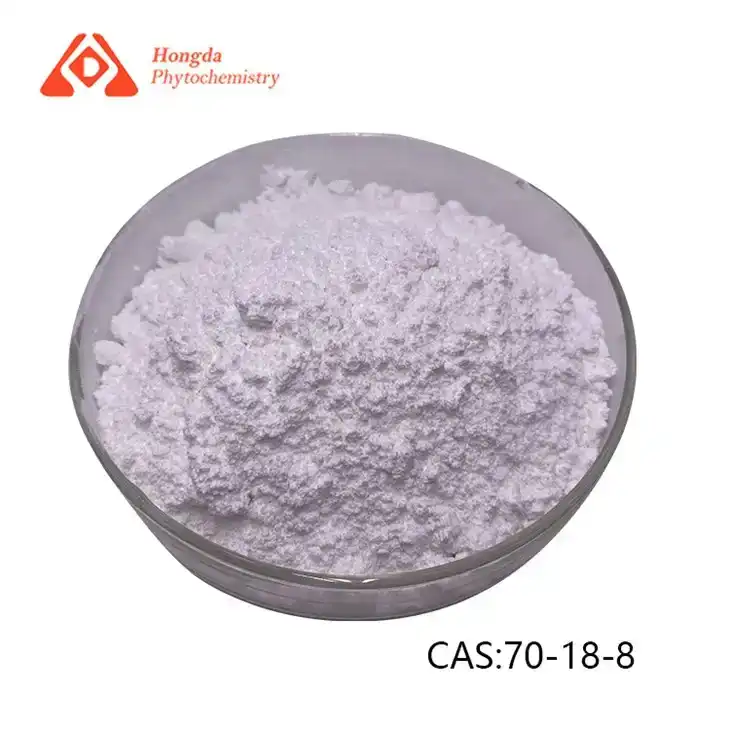
Pure Biotin Powder has gained popularity in recent years due to its numerous potential health benefits. This versatile supplement offers a range of advantages that can contribute to overall well-being and specific bodily functions. Let's explore some of the key benefits associated with taking Pure Biotin Powder:
1. Promotes Healthy Hair, Skin, and Nails: One of the most well-known benefits of biotin is its positive impact on hair, skin, and nail health. Biotin plays a crucial role in the production of keratin, a protein that forms the structural basis of these tissues. By supplementing with Pure Biotin Powder, many people report stronger, shinier hair, clearer skin, and more resilient nails. This effect is particularly noticeable in individuals with biotin deficiency, but even those with adequate biotin levels may experience improvements in these areas.
2. Supports Metabolism and Energy Production: Biotin is an essential coenzyme for several carboxylase enzymes, which are involved in metabolism. These enzymes play critical roles in the breakdown of fats, carbohydrates, and proteins for energy production. By taking Pure Biotin Powder, you may support your body's ability to convert food into usable energy more efficiently. This can potentially lead to improved energy levels and overall metabolic function.
3. Aids in Blood Sugar Regulation: Some studies suggest that biotin may help improve blood sugar control, particularly in individuals with diabetes. Biotin appears to enhance insulin sensitivity and promote the activity of enzymes involved in glucose metabolism. While more research is needed to fully understand this mechanism, the potential for blood sugar regulation is a promising benefit of Pure Biotin Powder supplementation.
4. Supports Nervous System Function: Biotin plays a role in the health and function of the nervous system. It is involved in the production of myelin, a fatty substance that insulates nerve fibers and allows for efficient signal transmission. By ensuring adequate biotin intake through Pure Biotin Powder, you may support optimal nervous system function and potentially reduce the risk of certain neurological issues.
5. May Improve Cardiovascular Health: Some research indicates that biotin may have a positive impact on cardiovascular health. It appears to play a role in reducing inflammation and improving lipid profiles, potentially lowering the risk of heart disease. While more studies are needed to confirm these effects, the potential cardiovascular benefits of biotin supplementation are promising.
While these benefits are promising, it's important to note that individual results may vary, and biotin supplementation should be approached as part of a holistic health strategy. Always consult with a healthcare professional before starting any new supplement regimen to ensure it's appropriate for your individual needs and health status.
How much Pure Biotin Powder should I take daily?
Determining the appropriate dosage of Pure Biotin Powder is an important consideration for anyone looking to incorporate this supplement into their health regimen. While biotin is generally considered safe, even at higher doses, it's crucial to understand the recommended intake levels and factors that may influence your individual needs. Let's delve into the topic of biotin dosage to help you make an informed decision about how much Pure Biotin Powder to take daily.
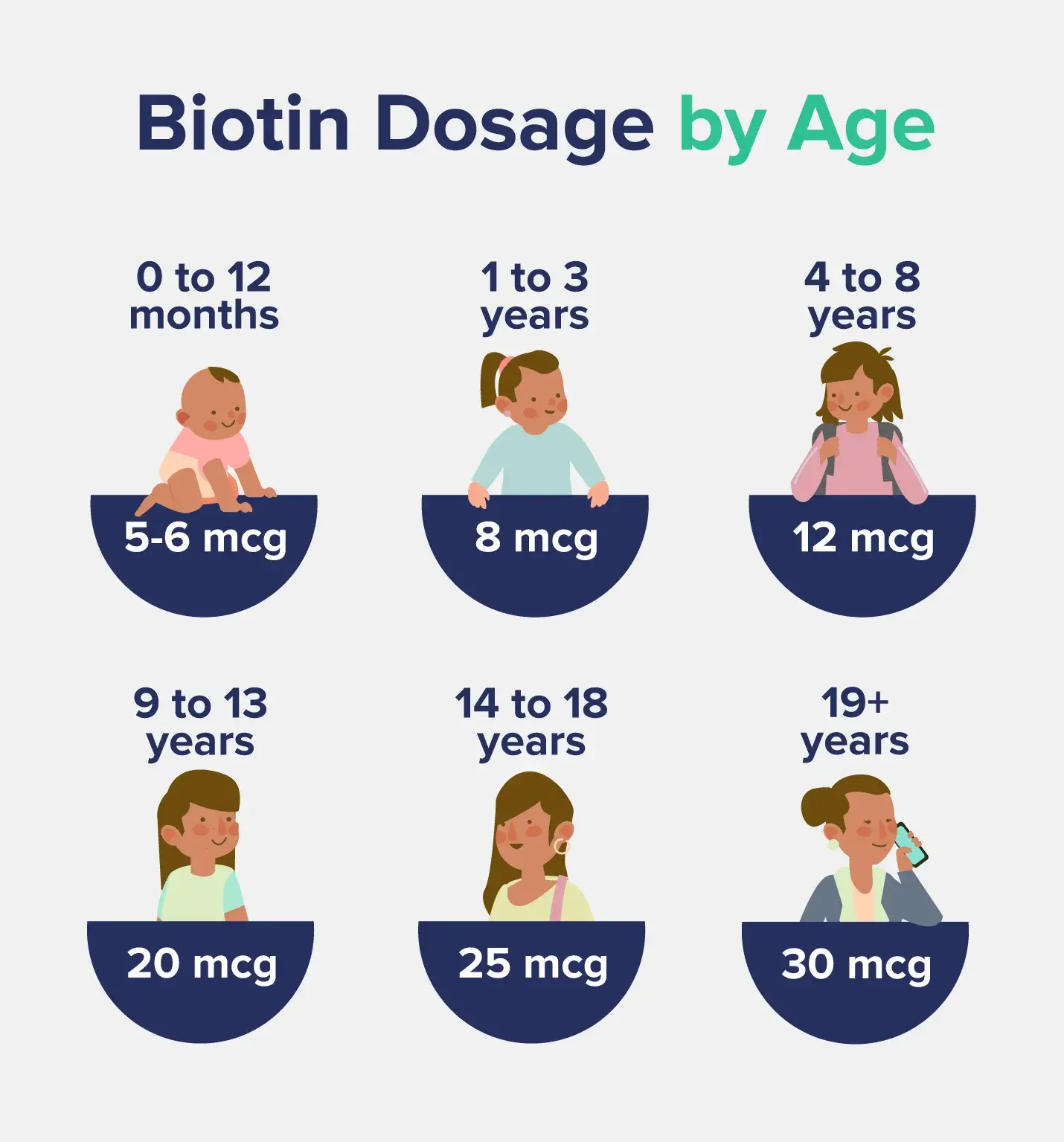
1. Recommended Dietary Allowance (RDA): The Institute of Medicine has established the Adequate Intake (AI) for biotin, which is considered sufficient to meet the needs of most healthy individuals. For adults 19 years and older, the AI is set at 30 micrograms (mcg) per day. This amount is typically achievable through a balanced diet that includes biotin-rich foods such as eggs, nuts, seeds, and certain vegetables.
2. Therapeutic Dosages: While the AI is sufficient for general health maintenance, higher doses of biotin are often used for therapeutic purposes or to address specific health concerns. Common therapeutic dosages range from 2,500 mcg to 10,000 mcg (2.5 mg to 10 mg) per day. These higher doses are frequently used to support hair, skin, and nail health or to address biotin deficiency.
3. Safety and Upper Limit: One of the advantages of biotin is its high safety profile. Unlike some vitamins that can be toxic at high doses, biotin has not been associated with adverse effects even at doses up to 300,000 mcg per day in some studies. However, this doesn't mean that such high doses are necessary or beneficial for everyone. The Food and Nutrition Board has not established an Upper Tolerable Intake Level (UL) for biotin due to the lack of reported adverse effects.
4. Individual Factors to Consider: When determining your ideal dosage of Pure Biotin Powder, several individual factors should be taken into account:
- Current Health Status: If you have any existing health conditions, particularly those affecting nutrient absorption or metabolism, your biotin needs may be different from the general population.
- Dietary Intake: Consider your regular dietary intake of biotin-rich foods. If your diet is already high in biotin, you may not need as much supplementation.
- Specific Health Goals: The dosage may vary depending on your reasons for taking biotin. For example, higher doses are often used for improving hair, skin, and nail health compared to general wellness support.
- Age and Life Stage: Pregnant and breastfeeding women may have increased biotin needs. Additionally, biotin requirements may change with age.
- Medications: Some medications can interfere with biotin absorption or increase its excretion. If you're taking any medications, consult with your healthcare provider about potential interactions.
5. Starting with a Lower Dose: If you're new to biotin supplementation, it's often recommended to start with a lower dose and gradually increase it if needed. This approach allows you to assess your body's response and minimize the risk of any potential side effects, although adverse reactions to biotin are rare.
In conclusion, while the recommended dietary allowance for biotin is 30 mcg per day for adults, therapeutic doses often range from 2,500 mcg to 10,000 mcg daily. The appropriate dosage of Pure Biotin Powder for you will depend on various individual factors and your specific health goals. Start with a lower dose, be consistent with your supplementation, and monitor your body's response. Remember, more is not always better, and it's essential to find the right balance that works for your body. Always consult with a healthcare professional to determine the most appropriate dosage for your individual needs and to ensure that biotin supplementation aligns with your overall health strategy.
Can Pure Biotin Powder interfere with lab tests?
An important consideration when taking Pure Biotin Powder or any biotin supplement is its potential to interfere with certain laboratory tests. This interference can lead to inaccurate test results, potentially affecting medical diagnoses and treatment decisions. Understanding this interaction is crucial for both healthcare providers and individuals using biotin supplements. Let's explore this topic in depth to provide a comprehensive understanding of how Pure Biotin Powder might impact lab tests and what precautions you can take.
1. Mechanism of Interference: Biotin interference in lab tests primarily occurs due to its interaction with the biotin-streptavidin system, which is widely used in many immunoassays. These tests rely on the strong binding between biotin and streptavidin to detect and measure various analytes in blood samples. When a person has high levels of biotin in their system, it can compete with the biotinylated reagents used in these tests, leading to false-positive or false-negative results.
2. Affected Tests: A wide range of laboratory tests can be affected by biotin interference. Some of the most commonly impacted tests include:
- Thyroid Function Tests: TSH, T3, and T4 levels can be falsely elevated or decreased.
- Cardiac Markers: Troponin levels, which are crucial for diagnosing heart attacks, can be falsely low.
- Hormone Tests: Tests for reproductive hormones like estradiol, testosterone, and progesterone can be affected.
- Vitamin D Tests: 25-hydroxyvitamin D levels may appear falsely elevated.
- Tumor Markers: Tests for certain cancer markers, such as PSA for prostate cancer, can be impacted.
3. Dosage and Interference: The degree of interference can depend on the dosage of biotin taken. While the recommended dietary allowance of 30 mcg per day is unlikely to cause significant interference, higher doses commonly found in supplements (often ranging from 5,000 to 10,000 mcg) can potentially affect test results. It's important to note that even lower doses might interfere with highly sensitive tests.
4. Duration of Effect: Biotin's impact on lab tests can persist for some time after discontinuing supplementation. Studies have shown that it can take anywhere from 24 to 72 hours for biotin levels to decrease sufficiently to avoid interference, depending on the dose and individual metabolism.
5. Informing Healthcare Providers: One of the most crucial steps in managing potential biotin interference is to inform your healthcare providers about your supplement use. This includes disclosing the use of Pure Biotin Powder or any multivitamins or supplements that contain biotin. Healthcare providers can then take this information into account when interpreting test results or may advise temporarily discontinuing biotin before certain tests.
In conclusion, while Pure Biotin Powder offers numerous health benefits, its potential to interfere with certain lab tests is an important consideration. Being aware of this interaction, informing healthcare providers about biotin use, and taking appropriate precautions before laboratory testing can help ensure accurate test results and proper medical care. As with any supplement regimen, it's crucial to maintain open communication with your healthcare team and make informed decisions about biotin use in the context of your overall health management strategy. By staying informed and proactive, you can enjoy the benefits of biotin supplementation while minimizing potential risks associated with lab test interference.
Hongda Phytochemistry Co., Ltd. operates 8 advanced production lines with a daily output of 10 tons and an annual capacity of 8000 metric tons. Our company employs approximately 200 staff members across departments including Production, Packaging, Procurement, Logistics, Quality Assurance, Sales, Operations, and Finance. We adhere strictly to ISO and GMP standards throughout our production processes, starting from rigorous raw material selection to final inspection and warehouse entry upon passing quality checks.
We offer OEM/ODM processing and specialize in direct manufacturing, accommodating custom production and packaging requirements. Committed to quality assurance, our products are supported by comprehensive testing reports and Certifications. We also provide free samples upon request. For further inquiries or interest in our offerings as a professional Biotin Bulk Powder Manufacturer, please Contact Us at duke@hongdaherb.com.
References
1. Zempleni, J., Wijeratne, S. S., & Hassan, Y. I. (2009). Biotin. BioFactors, 35(1), 36-46.
2. Patel, D. P., Swink, S. M., & Castelo-Soccio, L. (2017). A Review of the Use of Biotin for Hair Loss. Skin Appendage Disorders, 3(3), 166-169.
3. Kummer, S., Hermsen, D., & Distelmaier, F. (2016). Biotin Treatment Mimicking Graves' Disease. New England Journal of Medicine, 375(7), 704-706.
4. Mock, D. M. (2017). Biotin: From Nutrition to Therapeutics. Journal of Nutrition, 147(8), 1487-1492.
5. Li, D., Radulescu, A., Shrestha, R. T., Root, M., Karger, A. B., Killeen, A. A., ... & Burmeister, L. A. (2017). Association of Biotin Ingestion With Performance of Hormone and Nonhormone Assays in Healthy Adults. JAMA, 318(12), 1150-1160.