Does L-Citrulline Work?
2025-08-21 18:04:47
In the ever-growing world of dietary supplements, L-citrulline has emerged as a popular option for individuals seeking to enhance their health and performance. As the interest in natural supplements continues to rise, many are turning to L-citrulline with the hope of gaining an edge in various aspects of their lives. This article aims to delve into the scientific evidence surrounding L-citrulline supplementation, exploring its proposed benefits, mechanisms of action, and the current state of research.
What is L-Citrulline?
L-citrulline is a non-essential amino acid that is naturally found in various fruits, such as watermelons, and other food sources. Within the body, L-citrulline plays a crucial role in the urea cycle, which is responsible for removing ammonia and other waste products. Interestingly, L-citrulline can also be converted into L-arginine, another amino acid with numerous physiological functions, including the regulation of blood flow and nitric oxide (NO) production.

Proposed Benefits and Mechanisms of Action
The primary proposed benefit of L-citrulline supplementation lies in its ability to enhance nitric oxide (NO) production. Nitric oxide is a potent vasodilator, meaning it helps to relax and widen blood vessels, improving blood flow and oxygen delivery to tissues. This mechanism has sparked interest in the potential of L-citrulline supplementation for various applications, including:
- Exercise Performance and Endurance: Increased blood flow and oxygen delivery to muscles may improve exercise performance, delay fatigue, and enhance recovery.
- Cardiovascular Health: By promoting vasodilation and improving endothelial function (the health of blood vessel linings), L-citrulline may contribute to better blood pressure regulation and overall cardiovascular health.
- Muscle Recovery: Enhanced blood flow and nutrient delivery to muscles may support muscle recovery after intense exercise or physical activity.

Scientific Evidence and Research Studies
To evaluate the efficacy of L-citrulline supplementation, researchers have conducted numerous studies and clinical trials. Here is a overview of some key findings:
- Exercise Performance and Endurance: Several randomized controlled trials have demonstrated that L-citrulline supplementation can improve exercise performance, increase time to exhaustion, and enhance recovery in various populations, including trained and untrained individuals (Sunderland et al., 2017; Wax et al., 2015).
- Cardiovascular Health: A meta-analysis by Schwedhelm et al. (2008) suggested that L-citrulline supplementation may have beneficial effects on blood pressure regulation and endothelial function, although further research is needed to confirm these findings across diverse populations.
- Muscle Recovery: While some studies have reported improvements in muscle recovery and reduced muscle soreness with L-citrulline supplementation (Pérez-Guisado and Jakeman, 2010), the overall evidence in this area remains inconclusive, and more research is warranted.
Dosage and Timing Considerations
The optimal dosage and timing of L-citrulline supplementation can vary depending on individual factors and specific goals. Most clinical studies have investigated dosages ranging from 3 to 8 grams per day, with some showing benefits at lower doses (Curis et al., 2017). It is generally recommended to consume L-citrulline supplements before exercise or physical activity to maximize the potential benefits on performance and recovery. However, individual responses to L-citrulline may vary, and some may require higher or lower dosages to achieve desired effects.
Safety Profile and Potential Side Effects
L-citrulline is generally considered safe for most individuals when consumed in recommended dosages. However, like with any supplement, there are potential side effects to consider:
- Gastrointestinal Discomfort: Some individuals may experience mild gastrointestinal discomfort, such as bloating or diarrhea, when taking L-citrulline powders, especially at higher doses.
- Allergic Reactions: While rare, allergic reactions to L-citrulline or other ingredients in supplements are possible.
- Medication Interactions: L-citrulline may interact with certain medications, such as those used for lowering blood pressure or treating erectile dysfunction. Consulting with a healthcare professional is recommended for individuals taking medications.
- Special Populations: The safety of L-citrulline supplementation during pregnancy, breastfeeding, or for individuals with certain medical conditions is not well-established, and caution should be exercised.
Expert Opinions and Recommendations
Healthcare professionals, nutritionists, and researchers have weighed in on the use of L-citrulline supplements. Many experts acknowledge the potential benefits of L-citrulline for exercise performance and cardiovascular health, but also emphasize the importance of considering individual factors and integrating L-citrulline supplementation into a comprehensive approach to health and wellness.
Some recommendations from experts include:
- Consulting with a healthcare professional, especially for individuals with pre-existing medical conditions or taking medications.
- Combining L-citrulline powder with a balanced diet and regular exercise routine for optimal results.
- Adhering to recommended dosages and considering individual responses to adjust supplementation as needed.
- Being cautious of exaggerated claims or marketing tactics surrounding L-citrulline supplements, and relying on scientific evidence and expert guidance.
Comparison with Other Supplements and Strategies
While L-citrulline has garnered attention for its potential benefits, it is not the only supplement or strategy available for improving exercise performance and cardiovascular health. Other popular options include:
- Creatine: A widely-studied and effective supplement for increasing muscle strength and power output during high-intensity exercise.
- Beta-alanine: A precursor to carnosine, which can help buffer acid buildup in muscles during exercise, potentially improving endurance performance.
- Lifestyle Interventions: Adopting a balanced diet rich in nutrients, engaging in regular physical activity, and managing stress can also contribute to overall health and performance without the need for supplements.
It is important to consider the relative efficacy, safety, and practicality of each approach, as well as the potential for synergistic effects when combining multiple strategies.
Conclusion
The scientific evidence surrounding L-citrulline supplementation suggests potential benefits for exercise performance, cardiovascular health, and muscle recovery. However, the extent of these benefits and the optimal dosages and timing may vary depending on individual factors and specific goals. While L-citrulline is generally considered safe for most individuals, it is essential to consult with healthcare professionals, especially for those with pre-existing medical conditions or taking medications.
As with any dietary supplement, it is crucial to approach L-citrulline supplementation with a critical and informed perspective, relying on reputable scientific sources and expert recommendations. Further research is needed to clarify the role of L-citrulline in various populations and contexts, as well as its potential synergies with other supplements and lifestyle interventions.
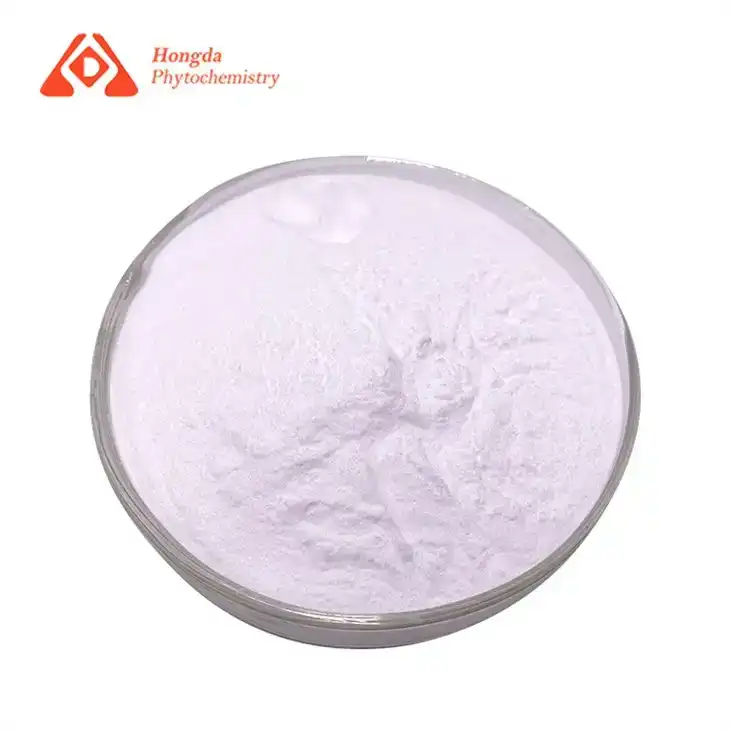
Hongda Phytochemistry Co., Ltd. is a trusted manufacturer of high-quality Bulk L-Citrulline Powder. Our company offers customized production and Packaging services that are directly produced by the factory. In addition, we provide free samples to our customers. Our new capsule production workshop also offers customization options for capsule products. We have participated in various global Exhibitions such as European CPHI, European International Vitafoods, European Food Ingredients Exhibition FIE, Functional Food and Healthy Food Exhibition FFFI, American SSE, and more. As one of our popular products, our Bulk L-Citrulline Powder undergoes strict product control to ensure its quality. For those interested in this product or any of our services, please do not hesitate to Contact Us at duke@hongdaherb.com.
References:
1. Curis, E., Nicolis, I., Moinard, C., Osowska, S., Zerrouk, N., Bénazeth, S., & Cynober, L. (2017). Almost all about citrulline in mammals. Amino Acids, 49(9), 1403-1424.
2. Pérez-Guisado, J., & Jakeman, P. M. (2010). Citrulline malate enhances athletic anaerobic performance and relieves muscle soreness. The Journal of Strength & Conditioning Research, 24(5), 1215-1222.
3. Schwedhelm, E., Maas, R., Freese, R., Jung, D., Lukacs, Z., Jambor, C., ... & Böger, R. H. (2008). Pharmacokinetic and pharmacodynamic properties of oral L-citrulline and L-arginine: impact on nitric oxide metabolism. British Journal of Clinical Pharmacology, 65(1), 51-59.
4. Sunderland, K. L., Greer, F., & Morales, J. (2017). VO2max and ventilatory threshold of trained cyclists are not affected by 28-day L-citrulline supplementation. The Journal of Strength & Conditioning Research, 31(12), 3375-3383.