How To Take Inositol Powder For Anxiety?
2025-08-30 14:04:18
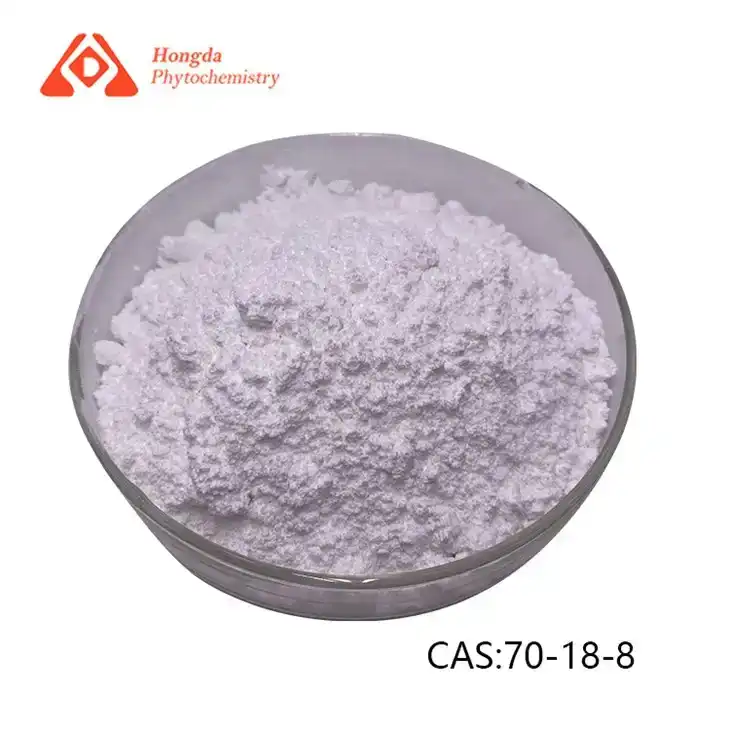
Inositol powder has gained popularity as a natural supplement for managing anxiety symptoms. This versatile compound, also known as vitamin B8, plays a crucial role in various bodily functions, including neurotransmitter signaling and hormone production. For those seeking alternative approaches to anxiety management, inositol powder offers a promising option. In this comprehensive guide, we'll explore the optimal ways to incorporate inositol powder into your anxiety management routine, addressing common questions and providing evidence-based insights.

What is the recommended dosage of inositol powder for anxiety?
When it comes to using inositol powder for anxiety, determining the right dosage is crucial for achieving optimal results. While individual needs may vary, research and clinical studies have provided some general guidelines for effective inositol supplementation.
The typical recommended dosage of inositol powder for anxiety management ranges from 12 to 18 grams per day. This amount is usually divided into two or three doses taken throughout the day. However, it's important to note that this is not a one-size-fits-all approach, and some individuals may benefit from lower or higher doses.
Starting with a lower dose and gradually increasing it is often recommended. This approach allows your body to adjust to the supplement and helps you gauge your individual response. A common starting point is 2-4 grams per day, which can be increased slowly over several weeks until the desired effects are achieved or the recommended maximum dose is reached.
It's worth noting that the powdered form of inositol is often preferred over capsules or tablets when higher doses are needed. This is because it's easier to measure and adjust the dosage precisely with powder. Additionally, inositol powder can be easily mixed with water or other beverages, making it convenient to consume.
When considering dosage, it's essential to consult with a healthcare professional, especially if you have any pre-existing medical conditions or are taking other medications. They can provide personalized advice based on your specific situation and help monitor your progress.
Some studies have explored the effects of different inositol dosages on anxiety symptoms. For example, a study published in the Journal of Clinical Psychopharmacology found that a dose of 18 grams per day was effective in reducing symptoms of panic disorder. Another study in the European Neuropsychopharmacology journal reported positive results with a dose of 12 grams per day for generalized anxiety disorder.
It's important to remember that while these studies provide valuable insights, individual responses can vary. Some people may experience benefits at lower doses, while others might require higher amounts to see significant improvements in their anxiety symptoms.
Consistency is key when taking inositol powder for anxiety. Establishing a regular supplementation routine can help maximize its potential benefits. Many users find it helpful to divide their daily dose into morning and evening servings, but the specific timing can be adjusted based on personal preference and lifestyle factors.
As you begin your inositol supplementation journey, keep a journal to track your dosage, timing, and any changes in your anxiety symptoms. This can be invaluable in determining the most effective regimen for your individual needs and can provide helpful information to share with your healthcare provider.
How long does it take for inositol powder to work for anxiety?
One of the most common questions people have when starting inositol powder for anxiety is how long it will take to see results. Understanding the timeline for potential benefits can help set realistic expectations and encourage patience during the supplementation process.
The time it takes for inositol powder to work for anxiety can vary significantly from person to person. Some individuals report feeling improvements in their anxiety symptoms within a few days of starting supplementation, while for others, it may take several weeks to notice significant changes.
On average, many users begin to experience some degree of anxiety relief within 2-4 weeks of consistent inositol supplementation. However, it's important to note that this is just a general guideline, and individual experiences can differ greatly.
Several factors can influence how quickly you might notice the effects of inositol powder on your anxiety:
1. Dosage: Higher doses may produce more rapid effects, but it's crucial to follow recommended guidelines and consult with a healthcare professional.
2. Individual biochemistry: Everyone's body processes supplements differently, which can affect the timeline for experiencing benefits.
3. Severity of anxiety: Those with more severe anxiety symptoms may require a longer period of supplementation before noticing significant improvements.
4. Consistency: Regular, daily supplementation is key to achieving and maintaining the potential benefits of inositol powder.
5. Lifestyle factors: Diet, exercise, stress levels, and sleep quality can all impact how quickly and effectively inositol works for anxiety.
Research has provided some insights into the timeline of inositol's effects on anxiety. A study published in the Journal of Clinical Psychopharmacology found that participants with panic disorder experienced significant improvements in their symptoms after 4 weeks of inositol supplementation. Another study in the Human Psychopharmacology journal reported that individuals with obsessive-compulsive disorder (OCD) showed marked reductions in anxiety symptoms after 6 weeks of inositol treatment.
It's important to approach inositol supplementation with patience and a long-term perspective. While some people may experience rapid improvements, for many, the full benefits of inositol powder for anxiety management may take several weeks or even months to fully manifest.
Can inositol powder be taken with other anxiety medications?
For many people managing anxiety, the question of combining inositol powder with other anxiety medications is a crucial consideration. As with any supplement, it's essential to approach this topic with caution and seek professional medical advice before making any changes to your treatment regimen.
Inositol powder has shown promise as a natural approach to anxiety management, and some individuals may wonder if it can be used alongside their existing anxiety medications to enhance overall effectiveness. While inositol is generally considered safe, its interaction with various anxiety medications can vary, and there are important factors to consider.
First and foremost, it's crucial to emphasize that any decision to combine inositol powder with anxiety medications should be made in consultation with a qualified healthcare professional, preferably one who is familiar with your medical history and current treatment plan. They can provide personalized guidance based on your specific situation, taking into account factors such as:
1. The type of anxiety medication you're currently taking
2. Your overall health status
3. Any other medications or supplements you're using
4. The severity and nature of your anxiety symptoms
That being said, some general information about inositol's potential interactions with common anxiety medications can be helpful:
1. SSRIs (Selective Serotonin Reuptake Inhibitors):
SSRIs are commonly prescribed for anxiety disorders. Some studies have suggested that inositol may enhance the effects of SSRIs, potentially allowing for lower medication doses. However, this combination should only be attempted under close medical supervision to avoid potential serotonin syndrome, a rare but serious condition caused by excessive serotonin levels.
2. Benzodiazepines:
Benzodiazepines are often used for short-term anxiety relief. While there's limited research on the specific interaction between inositol and benzodiazepines, some healthcare providers have reported that inositol may complement the anxiety-reducing effects of these medications.
3. SNRIs (Serotonin-Norepinephrine Reuptake Inhibitors):
Similar to SSRIs, the combination of inositol with SNRIs should be approached cautiously and only under medical supervision due to potential serotonergic effects.
4. Buspirone:
There's limited data on the interaction between inositol and buspirone, another medication used for anxiety. As with other anxiety medications, professional guidance is essential if considering this combination.
5. Herbal supplements:
If you're taking herbal supplements for anxiety, such as St. John's Wort or Valerian Root, it's important to discuss potential interactions with inositol with your healthcare provider.
It's worth noting that some individuals have reported being able to reduce their reliance on conventional anxiety medications after incorporating inositol into their treatment plan. However, this should never be attempted without professional guidance. Abruptly stopping or reducing anxiety medications can lead to withdrawal symptoms and a resurgence of anxiety.
When considering adding inositol powder to your anxiety management regimen, it's important to:
1. Be transparent with your healthcare provider about all medications and supplements you're taking.
2. Start with a low dose of inositol and gradually increase it under medical supervision.
3. Monitor for any changes in your anxiety symptoms or new side effects.
4. Keep all follow-up appointments with your healthcare provider to assess the effectiveness and safety of your treatment plan.
Some healthcare providers may recommend a gradual approach, where inositol is introduced slowly while closely monitoring its effects on your anxiety symptoms and any potential interactions with your current medications. This cautious approach allows for careful assessment of benefits and risks.
It's also important to note that while inositol is generally well-tolerated, it can cause mild side effects in some individuals, such as nausea, gas, or headaches. These effects are usually temporary and often subside as the body adjusts to the supplement. However, if you experience any persistent or severe side effects, it's crucial to inform your healthcare provider immediately.
In conclusion, while inositol powder shows promise as a natural supplement for anxiety management, its combination with other anxiety medications requires careful consideration and professional guidance. Every individual's situation is unique, and what works for one person may not be suitable for another. By working closely with your healthcare provider, you can explore the potential benefits of incorporating inositol powder into your anxiety treatment plan while ensuring your safety and overall well-being.
Hongda Phytochemical Co., Ltd. distinguishes itself in the nutritional supplement industry with a robust array of competitive advantages. Our extensive participation in prestigious global Exhibitions including CPHI Europe, Vitafoods International, FIE (Food Ingredients Europe), FFFI (Functional Food and Health Food Expo), and SSE in America underscores our commitment to innovation and market leadership. Specializing in OEM/ODM processing, we offer tailored solutions to meet diverse client requirements.
At Hongda Phytochemistry Co., Ltd., quality is paramount. Our products, such as Bulk Inositol Powder, undergo rigorous screening from raw materials to final production, ensuring compliance with stringent ISO and GMP standards. Only after passing comprehensive inspections are our products approved for storage and distribution. We invite prospective partners to reach out to us at duke@hongdaherb.com to explore collaborative opportunities. Trust Hongda Phytochemistry Co., Ltd. as your dependable partner in delivering high-quality nutritional supplements worldwide.
References:
1. Levine, J. (1997). Controlled trials of inositol in psychiatry. European Neuropsychopharmacology, 7(2), 147-155.
2. Mukai, T., Kishi, T., Matsuda, Y., & Iwata, N. (2014). A meta-analysis of inositol for depression and anxiety disorders. Human Psychopharmacology: Clinical and Experimental, 29(1), 55-63.
3. Palatnik, A., Frolov, K., Fux, M., & Benjamin, J. (2001). Double-blind, controlled, crossover trial of inositol versus fluvoxamine for the treatment of panic disorder. Journal of Clinical Psychopharmacology, 21(3), 335-339.
4. Fux, M., Levine, J., Aviv, A., & Belmaker, R. H. (1996). Inositol treatment of obsessive-compulsive disorder. American Journal of Psychiatry, 153(9), 1219-1221.
5. Taylor, M. J., Wilder, H., Bhagwagar, Z., & Geddes, J. (2004). Inositol for depressive disorders. Cochrane Database of Systematic Reviews, (2).
6. Gelber, D., Levine, J., & Belmaker, R. H. (2001). Effect of inositol on bulimia nervosa and binge eating. International Journal of Eating Disorders, 29(3), 345-348.
7. Benjamin, J., Levine, J., Fux, M., Aviv, A., Levy, D., & Belmaker, R. H. (1995). Double-blind, placebo-controlled, crossover trial of inositol treatment for panic disorder. American Journal of Psychiatry, 152(7), 1084-1086.
8. Levine, J., Barak, Y., Gonzalves, M., Szor, H., Elizur, A., Kofman, O., & Belmaker, R. H. (1995). Double-blind, controlled trial of inositol treatment of depression. American Journal of Psychiatry, 152(5), 792-794.
9. Einat, H., & Belmaker, R. H. (2001). The effects of inositol treatment in animal models of psychiatric disorders. Journal of Affective Disorders, 62(1-2), 113-121.
10. Levine, J., Goldberger, I., Rapoport, A., Schwartz, M., & Schreiber, C. (1994). CSF inositol levels in schizophrenia are unchanged and inositol is not therapeutic in anergic schizophrenia. European Neuropsychopharmacology, 4(4), 487-490.