How Long Does Melatonin Last?
2025-08-30 15:46:40
Melatonin is a naturally occurring hormone in the human body that plays a crucial role in regulating the sleep-wake cycle. As a popular dietary supplement, understanding the duration of melatonin's effects is essential for its proper and effective use. This article will delve into the scientific aspects of melatonin, exploring its definition, the factors that influence its duration, and the implications for both sleep induction and maintenance.
What is Melatonin?
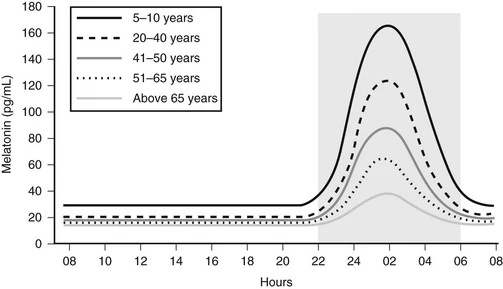
Melatonin is a hormone produced by the pineal gland, a small endocrine gland located in the brain. It is primarily responsible for regulating the body's circadian rhythm, which is the internal clock that controls the sleep-wake cycle. Melatonin production is naturally triggered by darkness, with levels rising in the evening and peaking in the middle of the night, before gradually declining towards the morning (Arendt, 2005).
In addition to its natural production, melatonin is also available in synthetic form as a dietary supplement. These supplements are often used to help individuals who experience sleep disturbances, jet lag, or other circadian rhythm-related issues (Buscemi et al., 2005).
Duration of Melatonin Effects
The duration of melatonin's effects after ingestion can vary greatly depending on several factors. Once melatonin is taken, it is quickly absorbed into the bloodstream and begins to exert its influence on the body's sleep-wake cycle (Fourtillan et al., 2000).
Peak Levels and Half-Life
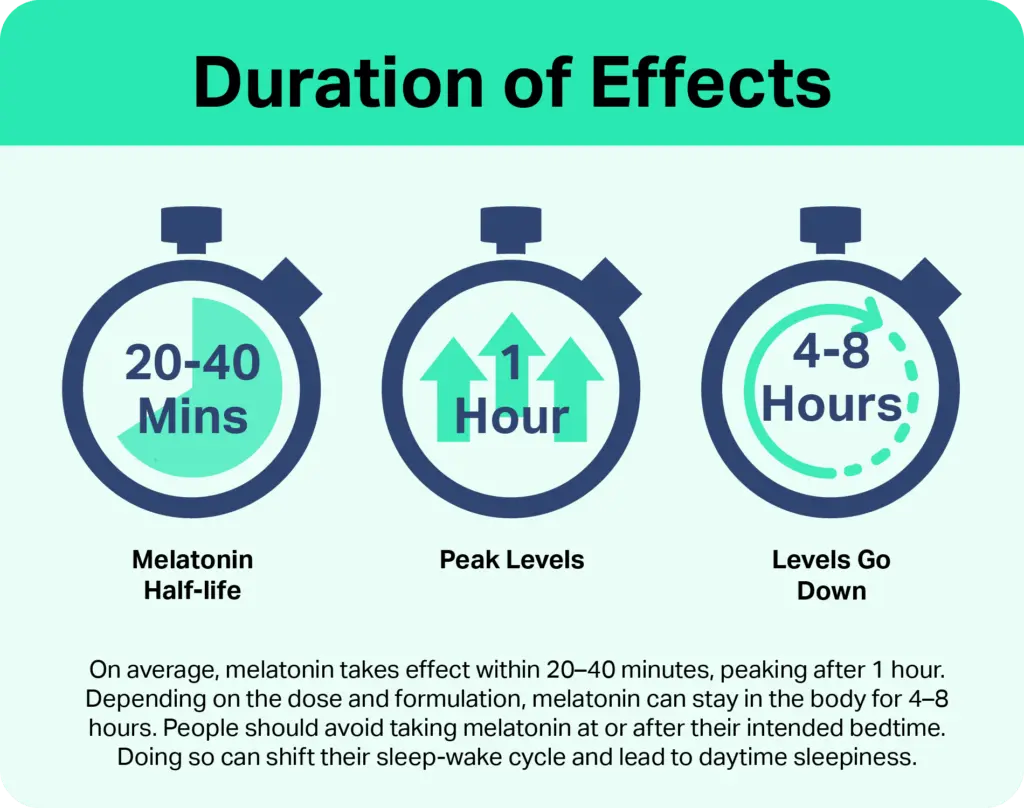
Melatonin levels typically peak within 30 to 60 minutes after oral administration, and the half-life of melatonin is approximately 30 to 60 minutes (Fourtillan et al., 2000). The half-life of a substance refers to the time it takes for the concentration of that substance to decrease by half in the body.
This means that after the first 30 to 60 minutes, the amount of melatonin in the body will have decreased by half, and it will continue to decline over time.
Factors Affecting Duration
The duration of melatonin's effects can be influenced by several factors, including the dosage, the individual's metabolism, the time of day the supplement is taken, and the form of melatonin powder used (immediate-release or extended-release) (Vural et al., 2014).
Dosage: Higher doses of melatonin tend to result in longer-lasting effects, as the body takes more time to metabolize and eliminate the larger amount of the hormone (Buscemi et al., 2005).
Individual Metabolism: The rate at which an individual's body metabolizes and eliminates melatonin can vary, leading to differences in the duration of the hormone's effects (Fourtillan et al., 2000).
Time of Day: The timing of melatonin supplementation can also impact its duration. Taking melatonin earlier in the evening may result in longer-lasting effects, as it aligns with the body's natural melatonin production cycle (Vural et al., 2014).
Duration for Sleep Induction vs. Sleep Maintenance
The duration of melatonin's effects can vary depending on whether the goal is to induce sleep or maintain sleep.
For sleep induction, the immediate-release form of melatonin may be more effective, as it can quickly increase melatonin levels and facilitate falling asleep (Buscemi et al., 2005). The effects of immediate-release melatonin typically last for 4 to 8 hours, which can be sufficient for initiating sleep.
However, for maintaining sleep throughout the night, the extended-release form of melatonin may be more beneficial, as it can provide a more sustained release of the hormone and help individuals stay asleep (Vural et al., 2014). The effects of extended-release melatonin can last for 6 to 8 hours or longer, depending on the individual's response and the specific formulation.
Melatonin and Circadian Rhythms
Melatonin plays a crucial role in regulating the body's circadian rhythms, which are 24-hour cycles that control various physiological processes, including the sleep-wake cycle, hormone secretion, body temperature, and more (Sack et al., 2007). The synchronization of these circadian rhythms is essential for maintaining optimal health and well-being.
The production and secretion of melatonin are directly influenced by the body's internal clock, which is located in the suprachiasmatic nucleus (SCN) of the hypothalamus. The SCN acts as a master clock, receiving light information from the eyes and synchronizing the body's circadian rhythms accordingly (Gillette & Tischkau, 1999).
When the body's circadian rhythms are disrupted, as in the case of jet lag or shift work, the production of melatonin powder can become out of sync with the desired sleep-wake cycle. This can lead to sleep disturbances, fatigue, and other health problems (Sack et al., 2007).
Melatonin supplements can be used to help reset the body's circadian rhythms and alleviate the symptoms of jet lag or shift work. By adjusting the timing and dosage of melatonin intake, individuals can help re-synchronize their internal clock and improve sleep quality (Sack et al., 2007).
Melatonin and Aging
As individuals age, the production of melatonin tends to decrease, leading to potential sleep disturbances and other age-related changes (Skene & Swaab, 2003). This decrease in melatonin production is believed to contribute to the common sleep problems experienced by older adults, such as difficulty falling asleep, frequent waking during the night, and earlier morning awakenings.
Melatonin supplementation has been explored as a potential intervention to address age-related sleep disturbances. Studies have shown that melatonin can effectively improve sleep quality and reduce the time it takes to fall asleep in older adults (Buscemi et al., 2005; Vural et al., 2014).
However, it is essential to note that the response to melatonin supplementation can vary among individuals, and the optimal dosage may need to be adjusted based on the individual's age, underlying health conditions, and other factors (Vural et al., 2014). Consultation with a healthcare professional is recommended to determine the appropriate melatonin regimen for older adults.
Melatonin and Health Conditions
Beyond its role in regulating sleep and circadian rhythms, melatonin has been investigated for its potential benefits in various health conditions.
Cognitive Function and Neurological Disorders
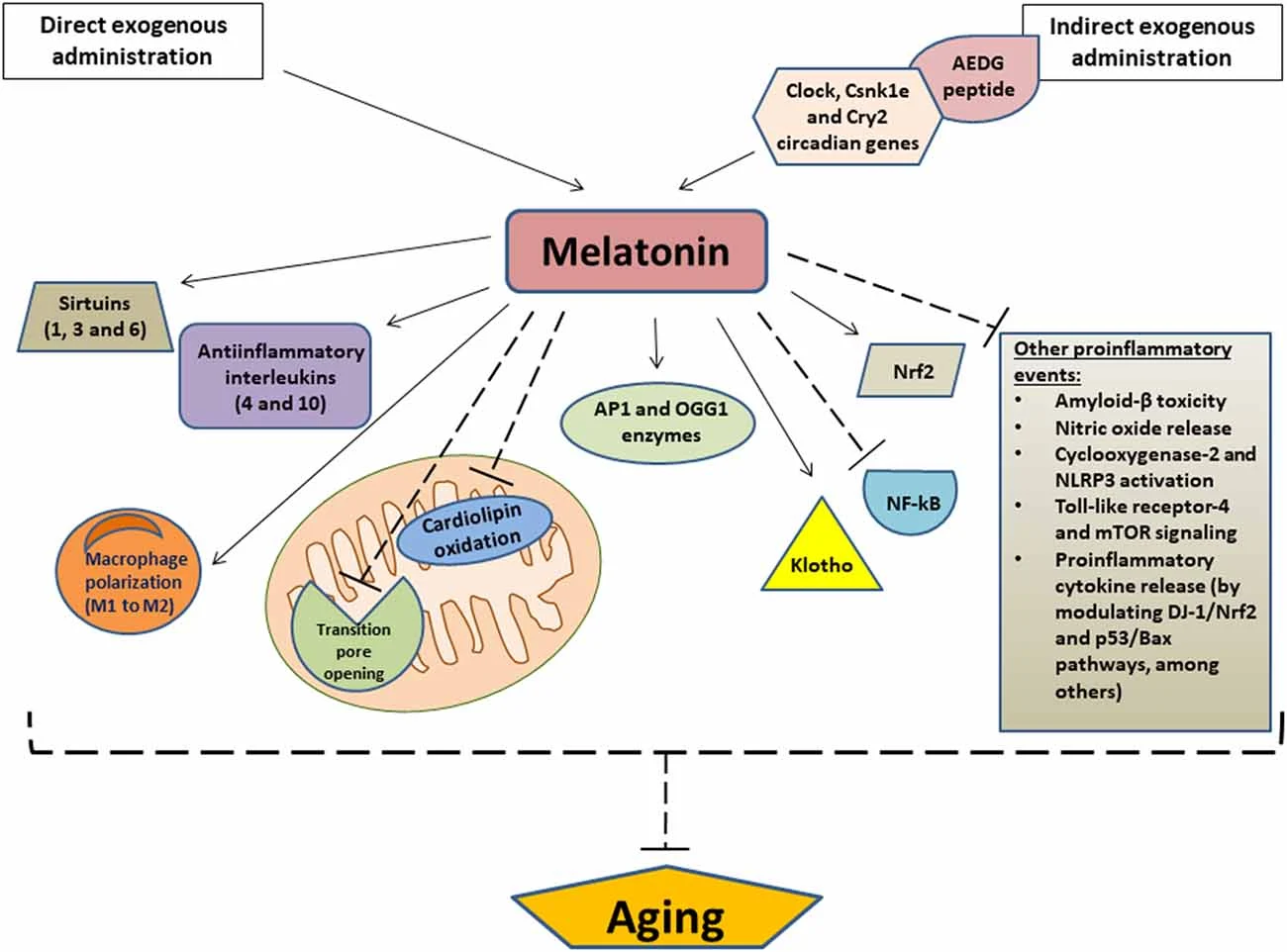
Melatonin has been studied for its potential neuroprotective effects and influence on cognitive function. Some research suggests that melatonin may be beneficial in the management of neurodegenerative diseases, such as Alzheimer's disease, Parkinson's disease, and mild cognitive impairment (Cardinali et al., 2019; Srinivasan et al., 2010).
The mechanisms by which melatonin may exert these effects are not fully understood, but they may involve its antioxidant properties, anti-inflammatory actions, and ability to modulate neurotransmitter systems (Cardinali et al., 2019).
Melatonin and Cardiovascular Health
Emerging evidence suggests that melatonin may have beneficial effects on cardiovascular health. Melatonin has been associated with improvements in blood pressure, lipid profiles, and endothelial function, which are important factors in the prevention and management of cardiovascular diseases (Dominguez-Rodriguez et al., 2012).
The potential mechanisms by which melatonin may exert these cardioprotective effects include its antioxidant properties, anti-inflammatory actions, and ability to regulate endothelial function and vascular tone (Dominguez-Rodriguez et al., 2012).
While the research in this area is promising, more extensive clinical trials are needed to fully understand the role of melatonin in cardiovascular health and its potential therapeutic applications.
Melatonin and Immune Function
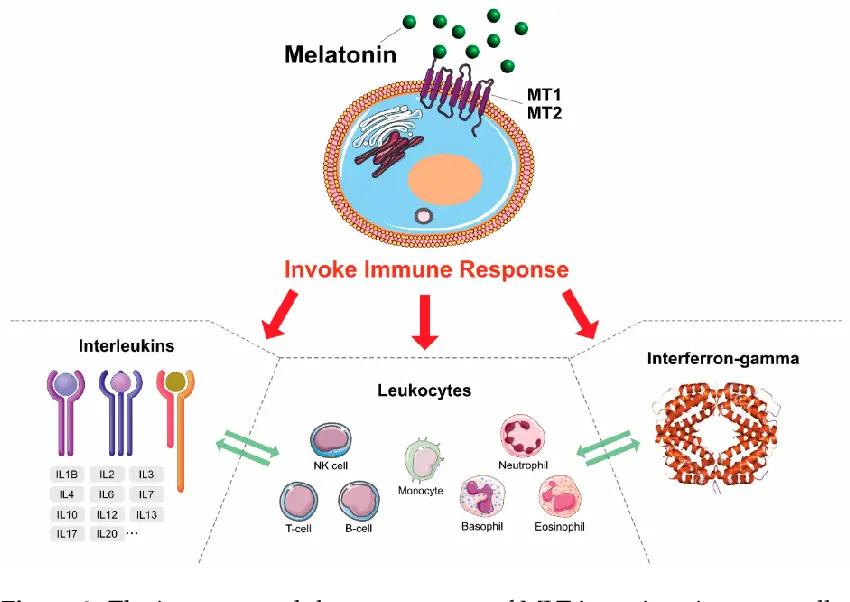
Melatonin has also been studied for its potential effects on the immune system. Some research suggests that melatonin may have immunomodulatory properties, meaning it can influence the activity and function of various immune cells, such as T cells, B cells, and natural killer cells (Hardeland, 2019).
The proposed mechanisms by which melatonin may influence immune function include its ability to regulate the production of cytokines (signaling molecules), modulate oxidative stress, and enhance the activity of immune cells (Hardeland, 2019).
The potential applications of melatonin in the context of immune-related disorders, such as autoimmune diseases or infectious diseases, are an area of ongoing research.
Considerations for Melatonin Supplementation
When considering the use of melatonin supplements, it is essential to take several factors into account:
Dosage and Timing
The appropriate dosage and timing of melatonin powder can vary depending on the individual's needs and the specific condition being addressed. It is recommended to start with the lowest effective dose and gradually increase it as needed, while considering the timing of administration in relation to the desired sleep-wake cycle (Vural et al., 2014).
Quality and Purity of Supplements
As with any dietary supplement, it is crucial to choose high-quality, reputable brands that have been tested for purity and potency. Melatonin supplements can vary in their actual melatonin content, and some may contain additional ingredients that could interact with medications or have undesirable effects (Buscemi et al., 2005).
Interactions and Contraindications
Melatonin may interact with certain medications, such as blood thinners, diabetes medications, and immunosuppressants. It is important to consult with a healthcare professional, especially if you have any underlying medical conditions or are taking other medications (Buscemi et al., 2005).
Long-term Use and Tolerance
While melatonin is generally well-tolerated, long-term use may lead to tolerance, where the body becomes less responsive to the effects of the hormone. This can result in a reduced effectiveness over time and may require adjusting the dosage or taking breaks from melatonin supplementation (Buscemi et al., 2005).
Conclusion
Melatonin is a versatile hormone that plays a crucial role in regulating the body's sleep-wake cycle and circadian rhythms. Understanding the duration of melatonin's effects and the factors that influence it is essential for the effective use of melatonin supplements.
The duration of melatonin's effects can vary depending on factors such as dosage, individual metabolism, timing of administration, and the form of melatonin used (immediate-release or extended-release). Melatonin supplements can be beneficial for addressing sleep disturbances, jet lag, and other circadian rhythm-related issues, but it is important to consult with a healthcare professional to determine the appropriate regimen based on individual needs and health status.
As research continues to explore the potential applications of melatonin in various health conditions, it is important to stay informed about the latest developments and to use melatonin supplements responsibly and under the guidance of a healthcare professional.
Hongda Phytochemistry Co., Ltd. operates six advanced production lines simultaneously, enabling a remarkable daily output of ten tons and an annual output of several thousand tons. With a dedicated team of approximately 300 employees, the company is structured into various departments, including production, Packaging, purchasing, storage and transportation, quality inspection, sales, operations, finance, and more. Adhering to strict quality standards, their products undergo a meticulous selection process from raw materials and are produced and managed in accordance with ISO and GMP standards. Only after passing rigorous inspections are the products deemed suitable for storage. Additionally, as the products are directly produced by the factory, customized production and packaging options are available. Among our offerings, Pure Melatonin Powder has garnered widespread acclaim from satisfied customers. For further information about this product, the professional team at Hongda Phytochemistry Co., Ltd. is readily available for consultation via duke@hongdaherb.com. With their exceptional production capabilities, stringent quality control measures, and customer-centric approach, Hongda Phytochemistry Co., Ltd. remains at the forefront of the industry.
References
1,Arendt, J. (2005). Melatonin: characteristics, concerns, and prospects. Journal of Biological Rhythms, 20(4), 291-303.
2,Buscemi, N., Vandermeer, B., Hooton, N., Pandya, R., Tjosvold, L., Hartling, L., ... & Vohra, S. (2005). The efficacy and safety of exogenous melatonin for primary sleep disorders. A meta-analysis. Journal of General Internal Medicine, 20(12), 1151-1158.
3,Cardinali, D. P., Vigo, D. E., Olivar, N., Vidal, M. F., & Brusco, L. I. (2019). Melatonin therapy in patients with Alzheimer's disease. Antioxidants, 8(7), 219.
4,Dominguez-Rodriguez, A., Abreu-Gonzalez, P., & Reiter, R. J. (2012). Melatonin and cardiovascular disease: myth or reality? Revista Española de Cardiología (English Edition), 65(3), 215-218.
5,Fourtillan, J. B., Brisson, A. M., Fourtillan, M., Ingrand, I., Decourt, J. P., & Girault, J. (2000). Melatonin secretion occurs at a constant rate in both young and older men and women. The American Journal of Physiology-Endocrinology and Metabolism, 278(6), E1165-E1174.
6,Gillette, M. U., & Tischkau, S. A. (1999). Suprachiasmatic nucleus: the brain's circadian clock. Recent Progress in Hormone Research, 54, 33-59.
7,Hardeland, R. (2019). Melatonin and the theories of aging: a critical appraisal of melatonin's role in antiaging mechanisms. Journal of Pineal Research, 66(4), e12555.
8,Sack, R. L., Auckley, D., Auger, R. R., Carskadon, M. A., Wright Jr, K. P., Vitiello, M. V., & Zhdanova, I. V. (2007). Circadian rhythm sleep disorders: part I, basic principles, shift work and jet lag disorders. Sleep, 30(11), 1460-1483.
9,Skene, D. J., & Swaab, D. F. (2003). Melatonin rhythmicity: effect of age and Alzheimer's disease. Experimental Gerontology, 38(1-2), 199-206.
10,Srinivasan, V., Pandi-Perumal, S. R., Cardinali, D. P., Poeggeler, B., & Hardeland, R. (2006). Melatonin in Alzheimer's disease and other neurodegenerative disorders. Behavioral and Brain Functions, 2(1), 1-12.
11,Vriend, J., & Reiter, R. J. (2015). Melatonin and the von Hippel–Lindau/hypoxia-inducible factor-1 signaling pathway in cancer. Journal of Pineal Research, 59(1), 6-19.
12,Vural, E. M. C., van Munster, B. C., & de Rooij, S. E. (2014). Optimal dosage for melatonin supplementation therapy in older adults: a systematic review of current literature. Drugs & Aging, 31(6), 441-451.