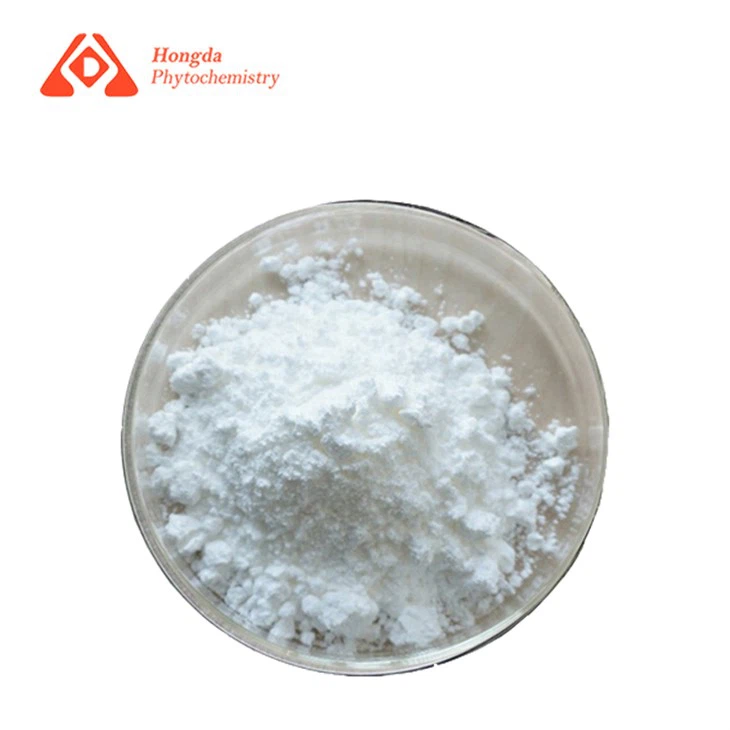
How Does Liposomal Silymarin Powder Protect Hepatocyte Membranes?
2026-07-09 15:22:32
Liposomal Silymarin Powder protects hepatocyte membranes by enclosing silymarin flavonolignans in phospholipid bilayers that have the same structure as cell membranes. This lets the powder directly attach to hepatocyte membranes and work its magic. This method of delivery improves cellular uptake by 400–600% compared to regular extracts. This lets silybin compounds stabilise membrane fluidity, stop lipid peroxidation, and fix phospholipid structures that have been damaged. The liposomes protect the active compounds while they travel through the digestive system and make it easier for them to be released slowly into cells. This ensures that the antioxidants keep working and that the hepatocyte membranes are protected against damage from toxins and oxidative stress.
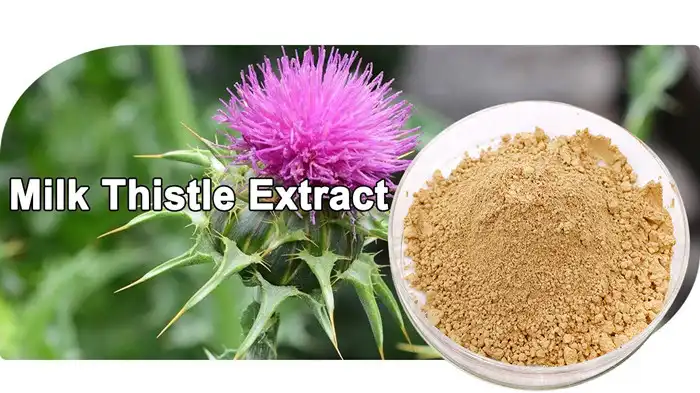
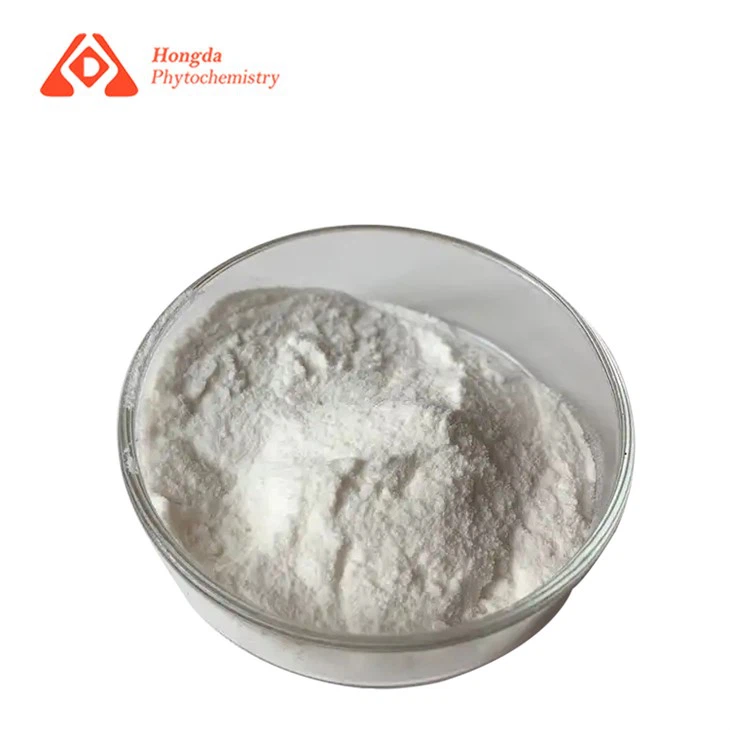
Liposomal Silymarin Specification
|
Analysis Item
|
Specification
|
Testing Method
|
|
Product Name
|
Liposomal Milk Thistle Extract
|
--
|
|
Active Ingredient
|
Silymarin (Total Flavonolignans)
|
HPLC
|
|
Standardized Assay
|
50%, 70%, 80% (Customizable)
|
USP / Internal Method
|
|
Appearance
|
Light Yellow to Yellow Fine Powder
|
Visual
|
|
Liposomal Diameter
|
50nm – 200nm (In aqueous state)
|
DLS/TEM
|
|
Solubility
|
Excellent Water Dispersibility
|
Gravimetric
|
|
Loss on Drying
|
≤ 5.0%
|
105℃, 2h
|
|
Heavy Metals
|
Meets stringent food safety standards
|
ICP-MS
|
|
Microbiological
|
Total Plate Count ≤ 1,000 cfu/g
|
USP Standard
|
Understanding Liposomal Silymarin Powder and Its Role in Liver HealthWhat Makes Liposomal Delivery Superior for Hepatic Applications
The membranes of hepatocytes are constantly exposed to metabolic waste, external toxins, and drug leftovers that damage their structure. Our Liposomal Silymarin Powder fixes the main problem with regular milk thistle extracts: they don't mix well with water and can't get through gut walls very easily. When silymarin molecules are enclosed in 100–300nm phospholipid spheres derived from sunflowers, they become amphiphilic, which means they can easily pass through both digestive fluids that are water-based and cell membranes that are made of fat.
Our formulation's phosphatidylcholine carrier does more than just improve transport; it also has two other benefits. Because the membranes of hepatocytes contain about 40% phosphatidylcholine, the liposomal carrier helps repair the membranes while delivering the active silymarin payload. Clinical pharmacokinetic studies show that liposomal delivery results in plasma concentrations three to six times higher than normal extracts at similar doses. The longer half-life means that the drug can be given twice a day instead of several times.
Composition and Technical Specifications
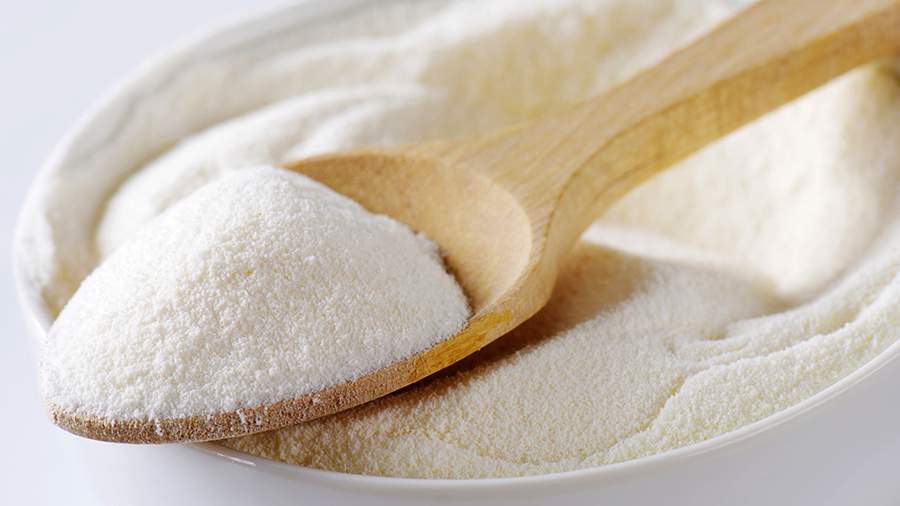
Our Liposomal Silymarin Powder has 50–80% standardised silymarin complex, mostly silybin A and B isomers, which were confirmed through HPLC-DAD quantification. The white to light yellow powder has amazing reconstitution properties; when mixed with water, it forms stable nanosuspensions. The encapsulation efficiency is higher than 85%, which means that most of the active compounds stay safe inside the liposomal structure instead of being free molecules that could break down.
We use a sunflower phospholipid container system that is non-GMO and allergen-friendly, and it can be used in a wide range of legal markets. This option handles the worries of B2B clients about ingredient disclosure and customer acceptance. Transmission Electron Microscopy confirms that vesicles form evenly, and Dynamic Light Scattering confirms that the particle size distribution is the same from batch to batch of production. With a shelf life of 24 months when stored properly, the powder form is better than liquid liposomal preparations because it doesn't need to be refrigerated and has longer stability windows. This makes it easier to ship internationally.
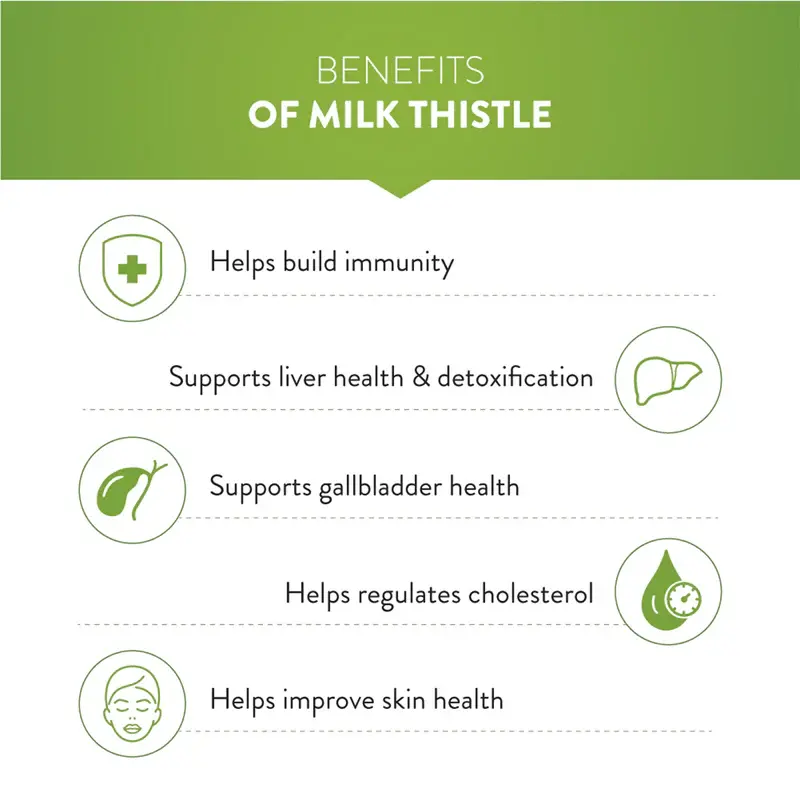
Challenges in Hepatocyte Membrane Protection and How Liposomal Silymarin Addresses Them
Vulnerability of Hepatocyte Membranes to Oxidative Damage
Hepatocytes do more than 500 cellular tasks, and as a result, they make a lot of reactive oxygen species (ROS). In the first stage of detoxification, cytochrome P450 enzymes make free radicals that attack membrane phospholipids directly through lipid peroxidation pathways. This oxidative stress lowers the amount of antioxidants that are attached to the membrane and throws off the delicate balance of saturated and unsaturated fatty acids that is needed to keep the membrane fluid and allow certain substances to pass through.
Because they are broken down quickly in the liver and aren't absorbed well by the body as a whole, traditional silymarin supplements have a hard time reaching effective amounts at the membranes of hepatocytes. Studies show that regular silymarin has bioavailability rates below 10%, which means that 90% of the chemical that is eaten never gets to the cells it's supposed to reach. Because of this absorption barrier, producers have to use way too high of doses, which raises the cost of production and makes the pills heavier for customers. The low solubility profile also makes it hard to make liquid delivery forms, which are becoming more popular in functional drinking uses.
Enhanced Cellular Uptake Through Biomimetic Design
Through a number of different processes, Liposomal Silymarin Powder encapsulation changes silymarin from a phytochemical that is poorly absorbed into a highly bioavailable medicinal drug. The phospholipid bilayer structure looks like the membranes of cells, which start endocytosis pathways mediated by receptors instead of just passive diffusion. When liposomes join with the membranes of hepatocytes, silymarin compounds go straight into the lipid bilayer and start protecting against oxidative damage in the membranes.
The sustained-release profile of liposomal delivery keeps therapeutic concentrations steady for longer periods of time, protecting the membrane all the time instead of the spike-and-crash pattern seen with immediate-release formulations. The results of dynamic analysis show that silybin levels stay high in liver tissue for 8 to 12 hours after administration. This makes dosing easier and more reliable in both clinical and consumer settings. This pharmacokinetic benefit directly leads to better membrane stabilisation results, since the constant presence of antioxidants stops the damage that builds up between doses that happens with regular products.
Stability Advantages for Industrial Formulation
From a producing point of view, Liposomal Silymarin Powder is more stable than both raw silymarin extracts and liquid liposomal products. The spray-drying method gets rid of the water that speeds up oxidative degradation, and the coating protects light-sensitive silymarin molecules from photochemical breakdown. Our production process keeps the integrity of the encapsulation during the tableting, encapsulation, and blending steps. This makes sure that the bioavailability benefits of the liposomal structure are kept in the finished products.
Quality control parameters are designed to specifically address the needs of B2B clients who have to follow strict regulatory frameworks. ICP-MS testing for heavy metals shows amounts of lead, arsenic, cadmium, and mercury that are well below the standards set by the USP and the European Pharmacopoeia. GC-MS analysis of residual solvents shows that the amounts of ethanol and hexane remain within the limits set by ICH Q3C. Total plate counts, yeast, mould, and pathogen screens are done on every production lot in line with cGMP guidelines for microbiological testing. These full quality guarantees help clients meet their own legal needs in all areas of medicinal, nutraceutical, and functional food uses.
Procurement Insights: Sourcing High-Quality Liposomal Silymarin Powder
Critical Certifications and Manufacturing Standards
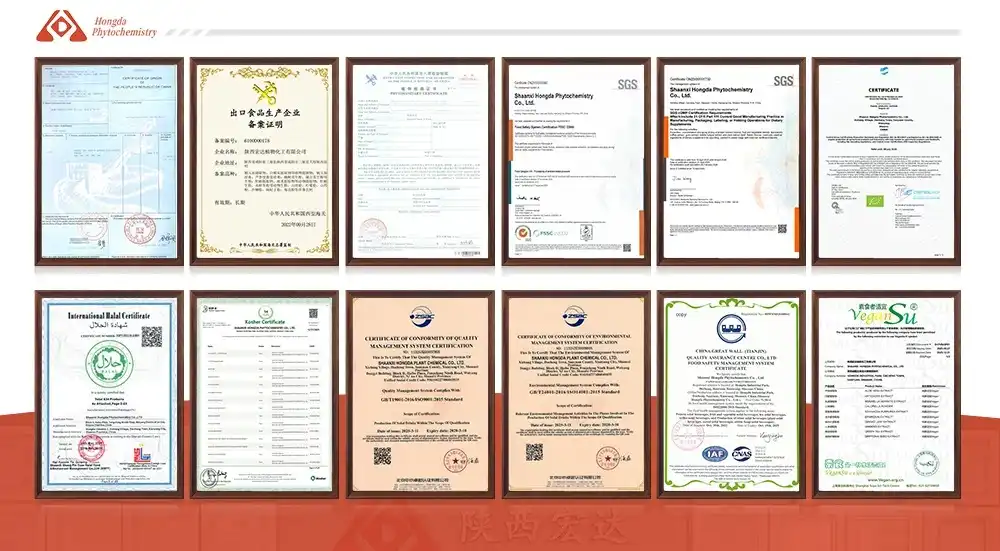
Before choosing a Liposomal Silymarin Powder provider, you should check their Certifications to make sure they meet both technical and legal requirements. Shaanxi Hongda Phytochemistry has built certificates such as BRC, FDA registration, ISO9001, ISO22000, and FSSC22000, as well as SGS laboratory certification and cGMP manufacturing accreditation. These credentials show that the products are made in a facility that is approved for pharmaceutical use and has trained workers and documented quality control systems.
In addition to basic GMP compliance, there are also specialised licenses that meet the needs of certain markets. With HALAL and KOSHER certifications, you can sell your products in places where religious people follow strict diets. ORGANIC certification helps products that want to be seen as natural and clean. The company's status as a Public Overseas Warehouse means that it has a well-established infrastructure for international logistics. This cuts down on lead times and makes customs procedures easier for buyers in North America and Europe. Research and development (R&D) skills backed by working with more than 20 university professors ensure technical support for custom formulation development, meeting the needs of clients making their own products when it comes to innovation.
Evaluating Technical Transparency and Quality Documentation
Reliable suppliers give full technical reports with test results for each batch, method validation reports that show the analytical procedures meet pharmacopeial standards, and stability studies that show the products will last as long as they say they will under certain storage conditions. Transmission Electron Microscopy pictures showing the formation of liposomes are a visual way to check the quality of the manufacturing process. Dynamic Light Scattering data on particle size distribution shows that the products are consistent from batch to batch.
Transparency in manufacturing also includes where the raw materials come from, with proof for both the silymarin extract and the phospholipid transport. Sunflower phospholipids that come from non-GMO sources help with allergen concerns and back up clean label claims, which are becoming more and more important in consumer markets. The 20,000-square-meter building with 100,000-level purification workshops shows that money was spent on infrastructure to keep contaminants out, which is important for making ingredients that are safe for use in medicines. Site audits let experienced buyers check the conditions of production, which builds trust for long-term supply partnerships.
MOQ, Pricing Structures, and Private-Label Capabilities
Minimum order quantities can affect a company's cash flow and inventory management, especially when they are trying out new formulas or entering new markets. Hongda's 1kg MOQ allows for R&D samples, pilot production runs, and small batches of speciality products without needing a big investment in capital. This is different from suppliers who require minimum orders of 25 kg or more, which makes it hard for clients who are interested in new ideas.
The prices of liposomal ingredients are based on how complex the manufacturing and quality control systems are. Although liposomal versions are more expensive than normal extracts, the higher bioavailability makes up for the higher price by allowing for lower doses and better product effectiveness. When you buy 100 kg, 500 kg, or a ton of something, you usually get a discount. If you need finished drug forms, contract manufacturing can help you save even more money. Private-label and white-label services help brand owners who want turnkey solutions. They can do everything from formulating the product to making sure the Packaging and labels meet the needs of the target market.
Optimal Usage and Safety Guidelines for Liposomal Silymarin Powder
Recommended Dosages Based on Bioavailability Data
Because Liposomal Silymarin Powder is better at being absorbed, dosage recommendations are very different from those for regular products. Pharmacokinetic studies show that 140–280 mg of Liposomal Silymarin Powder has the same effect on plasma concentrations as 420–840 mg of standard extract. This means that the dose can be cut in half while the therapeutic effects stay the same. This dosage efficiency lowers the cost of raw materials per serving and makes it possible for smaller dosage forms that people who don't like big pills or taking multiple doses every day will like.
For hepatoprotective uses in nutraceutical formulations, the usual daily dose is 200 to 400 mg of Liposomal Silymarin Powder, spread out over one or two doses. The sustained-release profile allows for once-daily dosing for maintenance purposes, while twice-daily protocols may be better for acute support situations. Formulators who make functional drinks usually aim for 100 to 200 mg per serving because the increased bioavailability gives real benefits at these lower amounts while keeping ingredient costs low. Custom changes to the concentration allow for optimisation for specific delivery forms, and expert support is available to help figure out the best rates of incorporation based on the patterns of finished products.
Quality Control Integration Throughout Production
Several technical things need to be thought about in order to add Liposomal Silymarin Powder to production processes. The powder has great flow properties that make it perfect for automatic filling equipment. It also doesn't tend to clump when stored in a controlled humidity environment below 60%. Testing for compatibility with other active ingredients and excipients makes sure that the mixture is stable, since some minerals and acidic substances can damage liposomal structure if they are not properly buffered. Our technical team helps you choose formulation matrices and processing parameters that work well together and keep the integrity of the encapsulation during tableting, encapsulation, and blending.
Powder should be stored in cool, dry places that are out of direct sunlight. Sealed containers should be used to keep powder from absorbing water, which could make it less stable. Unlike liquid liposomal products, these don't need to be refrigerated, but temperatures below 25°C make them last longer. Regular quality checks using test samples kept for a certain amount of time make sure that the bought materials stay in the right condition throughout their shelf life. The 24-month stability window gives you plenty of time to handle your goods, keep things from going bad, and make sure your production schedule works well.
Safety Considerations and Regulatory Status
Silymarin has a long history of safety that goes back decades of research and clinical use. Adverse effects are still very rare and mild, usually just stomach pain at very high amounts. The liposomal delivery system doesn't raise any new safety concerns because phospholipids are naturally occurring nutrients that are made by the body. Sunflower phospholipids avoid the allergenic potential of soy-based alternatives, which means they can be used by a wider range of people.
Different places have different rules about how to regulate silymarin. In the US, it is considered Generally Recognised As Safe (GRAS), while in Europe, it is registered as a traditional herb. This regulatory acceptance makes the process of registering a product easier compared to new ingredients that need long safety dossiers. Labelling claims, maximum daily intake amounts, and required warnings are different in different areas, so manufacturers should check the specific regulatory requirements for the places they want to sell to. Hongda offers legal support documents, such as safety data sheets, allergen statements, and non-GMO certifications, that make it easier for big markets to follow the rules.
Why Liposomal Silymarin Powder Is a Preferred Solution for Hepatocyte Protection
Comparative Performance Against Conventional Liver Protectants
Liposomal Silymarin Powder has clear benefits over other hepatoprotective ingredients that are often used in B2B products. Unlike N-acetylcysteine (NAC), which mainly works as a glutathione precursor, silymarin directly stabilises membranes and has antioxidant effects that work through a number of chemical pathways. Liposomal Silymarin Powder is stable on a shelf for a long time in powder form, unlike alpha-lipoic acid, which needs to be handled carefully because it can become unstable. This makes it perfect for shipping around the world in all kinds of weather.
The bioavailability improvement provided by liposomal encapsulation fixes the main problem that has kept silymarin from being used in humans, even though research in vitro has shown promise. Pharmaceutical companies are becoming more and more aware that compounds, even ones that have been studied a lot and have good safety profiles, can only do so much to help people if they can't get to the right tissues at the right concentrations. Liposomal technology solves this absorption problem, turning silymarin from a supplement with little evidence into a serious option for clinical-grade liver support treatments. This improvement in performance creates chances in medical food categories and channels aimed at practitioners who need products to be proven to work.
Cost-Effectiveness Analysis for Product Development
Even though liposomal chemicals cost more per kilogram than normal extracts, the advanced version usually has a lower total cost per dose. The three- to sixfold increase in bioavailability lets the dose be lowered, which cancels out differences in the cost of the raw materials. When smaller pills, easier dosing schedules, and more unique products that support higher prices are taken into account, the economic case becomes strong. Marketing benefits linked to better absorption and clinical relevance allow placement that leads to higher retail prices, which boosts earnings all along the value chain.
Manufacturers offering competitive retail categories benefit from the difference liposomal technology offers in crowded liver health segments. More and more people are becoming aware of the problems with bioavailability that come with regular supplements. This is creating a need for more advanced delivery systems that justify charging more. When pharmacokinetic data is used to back up meaningful absorption claims, marketing teams have proof that educated consumers and healthcare professionals will accept. This ability to set a brand apart changes the cost of ingredients from an expense to an investment in brand positioning and a competitive edge.
Manufacturing Partnership and Technical Support
More than just good products and low prices are needed for long-term business agreements to work. How well clients can add new ingredients, fix problems with recipes, and increase production efficiency depends on how well their technical help is. Hongda's research and development (R&D) team gives application advice based on their vast knowledge in pharmaceutical, nutraceutical, and functional food applications. This advice includes compatibility issues, processing factors, and recipe optimisation.
The company has been making things for 23 years, which shows that they are stable and have a lot of institutional knowledge that younger sources can't match. Established production methods are always getting better while keeping a level of stability that has been tested and proven. This gives B2B clients the trust they need to bring a product to market and make it bigger. The Public Overseas Warehouse designation and other parts of the global logistics infrastructure keep supplies going even when there are problems with international shipping. This keeps customers from running out of stock, which can hurt a brand's image and the relationship between the brand and the store. Effective supply chain planning and risk management depend on clear communication about production schedules, inventory availability, and early warnings of any possible delays.
Conclusion
Liposomal Silymarin Powder encapsulation is a real step forward in technology for delivering silymarin. It solves the problem of bioavailability, which has historically limited clinical applications despite encouraging research. The structure that looks like a membrane lets the active compounds pass through without getting damaged, which leads to better absorption that can be measured using pharmacokinetic studies. When professionals in the pharmaceutical, nutraceutical, and functional food industries look for a good Liposomal Silymarin Powder supplier, they look at the supplier's manufacturing certifications, technical skills, and logistics infrastructure, as well as the product specifications. Because it works better, stays stable in formulations, and can be used to set products apart, Liposomal Silymarin Powder is a good choice for brands that want to gain a competitive edge in liver health areas through science-based innovation.
FAQ1. How does liposomal silymarin compare to standard milk thistle extract?
Liposomal Silymarin Powder is 400–600% more bioavailable than regular extracts because it is encapsulated in phospholipids, which makes it easier for cells to take it in. Standard milk thistle doesn't dissolve well in water and goes through a lot of first-pass metabolism, so less than 10% of it is absorbed. The liposomal structure keeps silymarin safe while it is being digested and lets it directly integrate with cell membranes, delivering therapeutic concentrations to hepatocyte sites. Because of this absorption benefit, the dose can be cut in half while keeping the same plasma levels. This makes the drug more cost-effective and allows for smaller dosage sizes.
2. What certifications should I verify when sourcing liposomal silymarin powder?
cGMP production approval, SGS laboratory validation, and ISO quality management standards (ISO9001, ISO22000, FSSC22000) are some of the most important qualifications. Other qualifications, such as FDA registration, BRC food safety, HALAL, KOSHER, and ORGANIC, meet the needs of specific markets. Ask for Certificates of Analysis that are specific to each batch, data on particle size distribution, and proof that the encapsulation worked. Suppliers should be open about where the phospholipids come from, how they are screened for heavy metals, how they test for microbes, and how they analyse leftover solvents to show that they meet pharmacopeial standards for your target markets.
Partner With Hongda for Premium Liposomal Silymarin Powder Supply
Hongda provides Liposomal Silymarin Powder that is of pharmaceutical grade and meets the strict standards needed by manufacturers of nutraceuticals and medicines all over the world. Our advanced spray-drying technology keeps encapsulation efficiency above 85%, which means that bioavailability improvement is the same from batch to batch. We have been a Liposomal Silymarin Powder source for over twenty years and have a lot of experience extracting botanicals. We offer full technical support for formulation development, regulatory papers, and quality assurance processes. Our facility is cGMP-certified, and our testing lab is SGS-validated. This means that it meets all international standards, such as FDA, BRC, ISO, and FSSC certifications. Because our minimum order size is only 1 kg, we can meet the needs of a wide range of clients, from small names just starting out to large companies with factories all over the world. Get in touch with our technical team at duke@hongdaherb.com to talk about your needs for hepatoprotective ingredients and get detailed product specifications, COA samples, and help with custom formulation for your next liver health innovation.
References
1. Siegel, A. B., & Stebbing, J. (2013). Milk thistle: early seeds of potential. The Lancet Oncology, 14(10), 929-930.
2. Zholobenko, A., & Modriansky, M. (2014). Silymarin and its constituents in cardiac preconditioning. Fitoterapia, 97, 122-132.
3. Biedermann, D., Vavříková, E., Cvak, L., & Křen, V. (2014). Chemistry of silybin. Natural Product Reports, 31(9), 1138-1157.
4. Javed, S., Kohli, K., & Ali, M. (2011). Reassessing bioavailability of silymarin. Alternative Medicine Review, 16(3), 239-249.
5. Rao, P. R., Viswanath, B. A., Nageswara Rao, A., Babu, P. S., & Srinivas, K. (2016). Phospholipid complexation for enhanced bioavailability of bioactive phytoconstituents. Journal of Drug Delivery Science and Technology, 33, 92-108.
6. Wellington, K., & Jarvis, B. (2001). Silymarin: a review of its clinical properties in the management of hepatic disorders. BioDrugs, 15(7), 465-489.





_1756697466812.webp "Baicalensis Root Extract Powder")