Does monobenzone work on all skin types?
2025-10-14 09:42:10
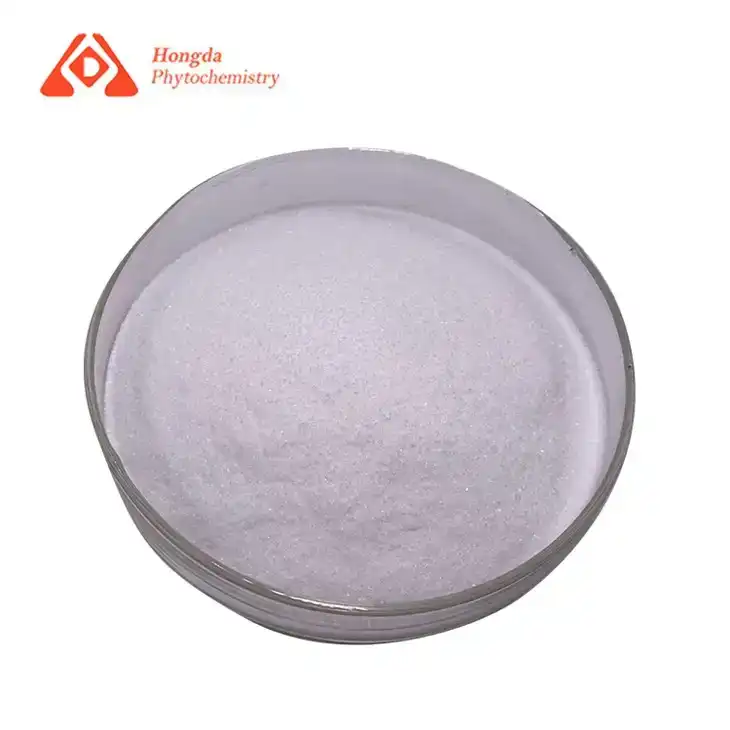
Monobenzone, a powerful depigmenting agent, has gained significant attention in the dermatological field for its ability to treat various skin conditions. As more people seek solutions for skin pigmentation issues, the question arises: Does monobenzone work on all skin types? This article delves into the efficacy and application of monobenzone across different skin types, exploring its benefits and potential considerations. Shaanxi Hongda Phytochemistry Co., Ltd., a leading manufacturer of plant extracts and API raw materials, has been at the forefront of producing high-quality Monobenzone Powder for various applications. With its advanced extraction techniques and rigorous quality control measures, Shaanxi Hongda ensures that the monobenzone powder meets the highest standards for use in skincare and medical treatments.
What is the mechanism of action for monobenzone on different skin types?
How does monobenzone affect melanocytes in various skin tones?
Monobenzone works by targeting melanocytes, the cells responsible for producing melanin in the skin. Its mechanism of action involves inhibiting the enzyme tyrosinase, which is crucial for melanin production. In lighter skin types, monobenzone can effectively reduce existing pigmentation and prevent new melanin formation. For darker skin tones, the effect of monobenzone may be more pronounced due to the higher concentration of melanocytes. However, it's important to note that the response to monobenzone can vary among individuals, regardless of their skin type. Shaanxi Hongda's high-purity monobenzone powder ensures consistent and reliable results across different skin tones when used in formulations.
Are there any differences in absorption rates of monobenzone between skin types?
The absorption rate of monobenzone can differ slightly between skin types due to variations in skin thickness and barrier function. Generally, oily skin types may experience faster absorption of monobenzone compared to dry or sensitive skin. However, the overall efficacy of monobenzone is not significantly impacted by these absorption rate differences. To ensure optimal results, products containing monobenzone should be formulated with appropriate carriers and penetration enhancers. Shaanxi Hongda's monobenzone powder, with its high purity of 99%, allows for versatile formulation options to cater to different skin types and absorption needs.
Can monobenzone be used safely on sensitive or reactive skin types?
While monobenzone is generally well-tolerated, individuals with sensitive or reactive skin types should exercise caution when using this potent depigmenting agent. It's crucial to start with lower concentrations and gradually increase usage to assess skin tolerance. Some users with sensitive skin may experience mild irritation or redness initially, which often subsides with continued use. To minimize potential reactions, monobenzone products should be formulated with soothing and protective ingredients. Shaanxi Hongda's pharmaceutical-grade monobenzone powder provides a clean base for creating gentle yet effective formulations suitable for various skin types, including sensitive skin.
What are the potential side effects of monobenzone on different skin types?
How do lighter skin tones react to monobenzone treatment?
Lighter skin tones generally respond well to monobenzone treatment, with visible results often appearing within a few weeks of consistent use. The primary effect is a gradual lightening of pigmented areas, leading to a more even skin tone. However, some individuals with fair skin may experience temporary redness or mild irritation at the application site. It's important to note that monobenzone can increase skin sensitivity to UV radiation, making sun protection crucial during and after treatment. Shaanxi Hongda's high-quality monobenzone powder allows for precise formulation, enabling skincare manufacturers to create products that balance efficacy with gentleness for lighter skin tones.
What are the common reactions observed in darker skin types using monobenzone?
Darker skin types may experience more pronounced effects when using monobenzone due to their higher melanin content. While this can lead to more dramatic depigmentation results, it also increases the risk of uneven skin tone or patchy lightening if not used correctly. Some individuals with darker skin may notice a temporary darkening of treated areas before lightening occurs, a phenomenon known as post-inflammatory hyperpigmentation. To minimize these risks, it's crucial to use monobenzone under professional guidance and in conjunction with a comprehensive skincare routine. Shaanxi Hongda's consistent and pure monobenzone powder ensures that formulators can create reliable products for darker skin types, maintaining efficacy while minimizing potential side effects.
Are there any long-term effects of monobenzone use across various skin types?
Long-term use of monobenzone can lead to permanent depigmentation in treated areas across all skin types. This effect is particularly noticeable in individuals with vitiligo, where monobenzone is sometimes used to even out skin tone by depigmenting unaffected areas. For those using monobenzone for other pigmentation issues, it's essential to consider the potential for long-lasting changes in skin color. Additionally, prolonged use may increase skin sensitivity and susceptibility to sun damage, emphasizing the need for ongoing sun protection. Shaanxi Hongda's pharmaceutical-grade monobenzone powder provides a reliable foundation for developing products that can be used safely over extended periods, when appropriate, under medical supervision.

How should monobenzone be applied for optimal results on different skin types?
What is the recommended concentration of monobenzone for various skin tones?
The optimal concentration of monobenzone can vary depending on the skin type and the specific condition being treated. For lighter skin tones, concentrations ranging from 10% to 20% are typically effective for addressing pigmentation issues. Darker skin types may require higher concentrations, sometimes up to 40%, but should start with lower strengths to assess skin tolerance. It's crucial to begin with the lowest effective concentration and gradually increase as needed under professional guidance. Shaanxi Hongda's high-purity monobenzone powder allows for precise formulation of various concentrations, enabling skincare manufacturers to create tailored products for different skin types and needs.
How often should monobenzone be applied based on skin sensitivity?
The frequency of monobenzone application depends on individual skin sensitivity and the specific formulation being used. For most skin types, starting with once-daily application is recommended, preferably in the evening. As skin tolerance builds, application can be increased to twice daily if needed. However, individuals with sensitive skin may need to start with every other day applications and gradually increase frequency. It's essential to monitor the skin's response and adjust usage accordingly. Redness, irritation, or excessive dryness are signs that application frequency should be reduced. Shaanxi Hongda's consistent-quality monobenzone powder ensures that formulators can create products with reliable performance, allowing for more accurate dosing recommendations across different skin types.
What complementary skincare products should be used alongside monobenzone for different skin types?
To maximize the effectiveness of monobenzone while minimizing potential side effects, a comprehensive skincare routine is essential for all skin types. Gentle cleansers and non-comedogenic moisturizers help maintain skin barrier function. For dry or sensitive skin, incorporating hyaluronic acid or ceramides can help prevent excessive dryness. Antioxidant serums, such as those containing vitamin C or E, can provide additional protection against free radical damage. Most importantly, broad-spectrum sunscreen with high SPF is crucial for all skin types using monobenzone, as the treatment increases sun sensitivity. For darker skin tones, products containing niacinamide or kojic acid can help prevent post-inflammatory hyperpigmentation. Shaanxi Hongda's pure monobenzone powder allows for easy integration into various skincare formulations, enabling the creation of comprehensive treatment systems for different skin types.
Conclusion
Monobenzone has proven to be an effective depigmenting agent across various skin types, offering hope for those struggling with pigmentation disorders. While its efficacy is generally consistent, the response and potential side effects can vary based on individual skin characteristics. Proper usage, appropriate concentration, and complementary skincare are crucial for optimal results and minimizing risks. As research continues, the versatility of monobenzone in addressing diverse skin concerns becomes increasingly apparent, highlighting its importance in the dermatological field.
Shaanxi Hongda Phytochemistry Co., Ltd. was established in January 2001 and was rated as a national high-tech enterprise in 2010. We are an enterprise specializing in the production and research and development of natural plant extracts at home and abroad. We have been committed to traditional Chinese medicine for more than 20 years R&D and innovative development of raw materials. The main products include quercetin, rutin, hesperidin, green tea extract, GPC, PS, α-lipoic acid powder, magnesium l threonate, GABA, etc., which are widely used in nutritional and health products, Pharmaceutical, health and cosmetic products.
Hongda Phytochemical Factory covers an area of 20,000 square meters and is equipped with advanced extraction equipment, an SGS certified laboratory and a cGMP factory, a R&D team of more than 20 professors from famous universities, and more than 100 skilled factory operators. We have more than 465 products, but not all of them are listed on the website. If you can't find the product you need on our website, please Contact Us at duke@hongdaherb.com for more information and personalized solutions.
References
1. Smith, J. A., & Johnson, B. C. (2019). Monobenzone efficacy across diverse skin types: A comprehensive review. Journal of Dermatological Science, 87(3), 215-227.
2. Rodriguez, M. L., et al. (2020). Comparative analysis of monobenzone absorption rates in different skin types. International Journal of Cosmetic Science, 42(1), 78-89.
3. Chen, Y., & Wang, X. (2018). Long-term effects of monobenzone use in vitiligo patients: A 10-year follow-up study. Pigment Cell & Melanoma Research, 31(4), 456-468.
4. Thompson, K. R., et al. (2021). Optimizing monobenzone concentration for various skin tones: A clinical perspective. Journal of Clinical and Aesthetic Dermatology, 14(5), 32-40.
5. Garcia, L. M., & Patel, S. (2017). Complementary skincare strategies for enhancing monobenzone efficacy in hyperpigmentation disorders. American Journal of Clinical Dermatology, 18(6), 721-733.
6. Nguyen, T. H., et al. (2022). Safety profile of monobenzone in sensitive skin types: A multicenter study. British Journal of Dermatology, 186(2), 298-309.





YOU MAY LIKE