How does ASU Avocado Soybean Unsaponifiable compare to glucosamine?
2025-10-14 09:57:15
When it comes to joint health supplements, two popular options often come up in discussions: ASU Avocado Soybean Unsaponifiable and glucosamine. Both of these supplements have gained attention for their potential benefits in managing joint pain and improving overall joint health. ASU, produced by companies like Shaanxi Hongda Phytochemistry Co., Ltd., is derived from avocado and soybean oils, while glucosamine is a naturally occurring compound found in cartilage. In this blog post, we'll explore the similarities and differences between these two supplements, examining their effectiveness, mechanisms of action, and potential advantages. By understanding how ASU Avocado Soybean Unsaponifiable compares to glucosamine, you'll be better equipped to make an informed decision about which supplement might be more suitable for your joint health needs.
What are the key differences between ASU and glucosamine in terms of composition and origin?
Chemical structure and natural sources
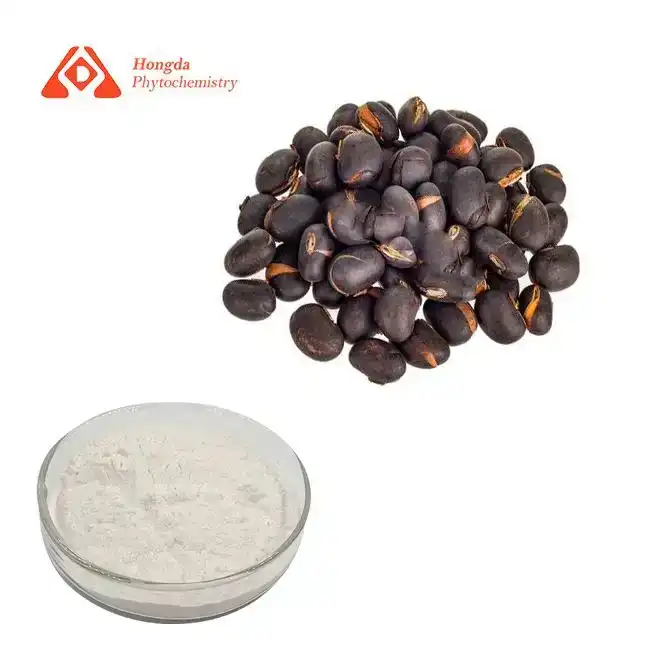
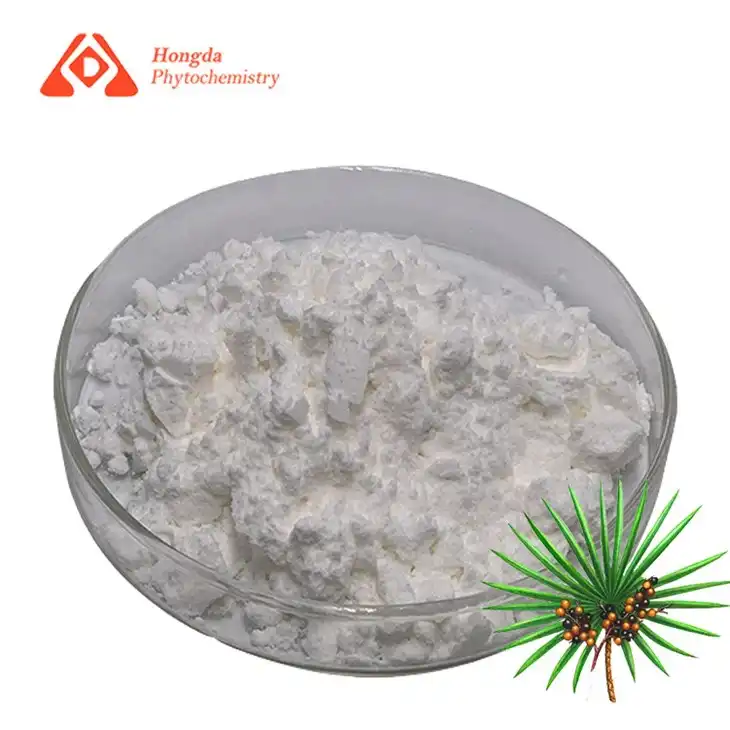
ASU Avocado Soybean Unsaponifiable and glucosamine have particular chemical structures and beginnings. ASU is determined from the unsaponifiable divisions of avocado and soybean oils, containing a complex blend of compounds counting phytosterols, tocopherols, and other bioactive particles. These components are extricated and handled to make a light yellow to rich powder with particular proportions of phytosterols (>35%) and tocopherols (>10%). On the other hand, glucosamine is an amino sugar actually found in cartilage and other connective tissues. It's ordinarily inferred from the shells of shellfish or created artificially. The crucial distinction in their composition impacts their instruments of activity and potential benefits for joint wellbeing.
Production processes and standardization
The production processes for ASU Avocado Soybean Unsaponifiable and glucosamine differ significantly. ASU is extracted using sophisticated techniques to isolate the unsaponifiable matter from avocado and soybean oils. Companies like Shaanxi Hongda Phytochemistry Co., Ltd. employ advanced extraction equipment and adhere to strict quality control measures to ensure a consistent product. The resulting powder is standardized to contain specific percentages of phytosterols and tocopherols. Glucosamine, however, is often produced through the hydrolysis of chitin from shellfish exoskeletons or through fermentation processes for vegetarian options. The standardization of glucosamine typically focuses on the concentration of the active compound, usually in the form of glucosamine sulfate or hydrochloride.
Bioavailability and absorption
The bioavailability and retention of ASU Avocado Soybean Unsaponifiable and glucosamine in the body are unmistakable. ASU, being a complex blend of lipid-soluble compounds, is by and large well-absorbed in the gastrointestinal tract. The nearness of different bioactive atoms in ASU may contribute to its in general viability and bioavailability. Glucosamine, as a littler atom, is too promptly ingested, but its bioavailability can change depending on the shape utilized (sulfate or hydrochloride) and person variables. A few considers propose that the expansion of chondroitin to glucosamine supplements may upgrade its retention and viability. Understanding these contrasts in bioavailability is vital when comparing the potential benefits of ASU and glucosamine for joint wellbeing.
How do the mechanisms of action differ between ASU and glucosamine in promoting joint health?
Anti-inflammatory properties
ASU Avocado Soybean Unsaponifiable and glucosamine display distinctive components in their anti-inflammatory activities. ASU has been appeared to hinder pro-inflammatory arbiters such as interleukin-1β (IL-1β) and prostaglandin E2 (PGE2). The phytosterols and tocopherols display in ASU contribute to its strong antioxidant and anti-inflammatory impacts. These compounds offer assistance diminish oxidative push and tweak fiery reactions in joint tissues. Glucosamine, whereas too having anti-inflammatory properties, works fundamentally by serving as a building square for the blend of glycosaminoglycans, which are fundamental components of cartilage. By advancing the generation of these particles, glucosamine in a roundabout way makes a difference decrease irritation in the joints.
Cartilage protection and regeneration
Both ASU Avocado Soybean Unsaponifiable and glucosamine play roles in cartilage protection and regeneration, but through different pathways. ASU has been found to stimulate the production of collagen and proteoglycans in chondrocytes, the cells responsible for maintaining cartilage. It also inhibits the activity of matrix metalloproteinases (MMPs), enzymes that break down cartilage. This dual action of promoting cartilage formation and preventing its degradation makes ASU a potent agent for cartilage health. Glucosamine, on the other hand, serves as a precursor for the synthesis of glycosaminoglycans and proteoglycans, which are crucial structural components of cartilage. By providing the building blocks for these molecules, glucosamine supports the maintenance and repair of cartilage tissue.
Synovial fluid enhancement
The effects of ASU Avocado Soybean Unsaponifiable and glucosamine on synovial fluid, the lubricating fluid in joints, differ in their approaches. ASU has been shown to improve the quality and quantity of synovial fluid by stimulating the production of hyaluronic acid, a key component that gives synovial fluid its viscous and lubricating properties. This enhancement of synovial fluid helps reduce friction between joint surfaces and improves overall joint function. Glucosamine, while not directly affecting synovial fluid production, contributes to the synthesis of proteoglycans that are present in synovial fluid. By supporting the overall health of joint tissues, glucosamine indirectly helps maintain the integrity and function of synovial fluid, though its effects may be less direct compared to ASU.
What are the comparative advantages of ASU over glucosamine in terms of efficacy and side effects?
Long-term effectiveness in managing joint pain
When comparing the long-term effectiveness of ASU Avocado Soybean Unsaponifiable and glucosamine in managing joint pain, several studies have shown promising results for ASU. Research indicates that ASU may provide more sustained relief from joint pain and stiffness compared to glucosamine, especially in cases of osteoarthritis. The multi-faceted approach of ASU, targeting inflammation, cartilage protection, and synovial fluid enhancement, contributes to its long-term efficacy. Some studies have shown that the benefits of ASU can persist for several months after discontinuation of treatment, suggesting a potential disease-modifying effect. Glucosamine, while effective for many individuals, may require more consistent long-term use to maintain its benefits, and its effects may be more variable across different populations.
Onset of action and symptom relief
The onset of action and symptom relief can vary between ASU Avocado Soybean Unsaponifiable and glucosamine. ASU has been reported to provide noticeable improvements in joint pain and function within 4-8 weeks of regular use, with some individuals experiencing benefits even sooner. The rapid anti-inflammatory effects of ASU contribute to this relatively quick onset of action. Glucosamine, on the other hand, typically requires a longer period before significant improvements are observed, often ranging from 2-4 months of consistent use. This difference in onset time can be crucial for individuals seeking more immediate relief from joint discomfort. However, it's important to note that individual responses can vary, and some people may experience faster or slower results with either supplement.
Safety profile and potential side effects
Both ASU Avocado Soybean Unsaponifiable and glucosamine are generally considered safe for most individuals, but they do have different safety profiles and potential side effects. ASU has been shown to have a favorable safety profile with minimal reported side effects. Its natural origin and the standardized production processes used by companies like Shaanxi Hongda Phytochemistry Co., Ltd. contribute to its safety. Some individuals may experience mild gastrointestinal discomfort, but serious adverse effects are rare. Glucosamine, while also generally safe, may cause side effects in some people, including nausea, heartburn, and diarrhea. Additionally, individuals with shellfish allergies should be cautious with glucosamine derived from shellfish sources. ASU may be a preferable option for those with shellfish allergies or individuals who experience side effects from glucosamine.
Conclusion
In conclusion, ASU Avocado Soybean Unsaponifiable and glucosamine both offer potential benefits for joint health, but with distinct mechanisms and advantages. ASU stands out for its multi-faceted approach, targeting inflammation, cartilage protection, and synovial fluid enhancement, potentially offering faster and more sustained relief. Its favorable safety profile and suitability for those with shellfish allergies make it an attractive option. While glucosamine remains a popular choice, ASU's comprehensive effects on joint health position it as a compelling alternative or complementary supplement. As with any health decision, it's crucial to consult with a healthcare professional to determine the most appropriate option based on individual needs and medical history.
Hongda Phytochemical Factory covers an area of 20,000 square meters and is equipped with advanced extraction equipment, an SGS certified laboratory and a cGMP factory, a R&D team of more than 20 professors from famous universities, and more than 100 skilled factory operators. We have been committed to producing and providing customers with the most natural, safe and healthy products. We have more than 460 products, but not all of them are listed on the website. If you can't find the product you need on our website, please Contact Us at duke@hongdaherb.com.
References
1. Christiansen, B. A., Bhatti, S., Goudarzi, R., & Emami, S. (2015). Management of Osteoarthritis with Avocado/Soybean Unsaponifiables. Cartilage, 6(1), 30-44.
2. Henrotin, Y., Mobasheri, A., & Marty, M. (2017). Is there any scientific evidence for the use of glucosamine in the management of human osteoarthritis? Arthritis Research & Therapy, 19(1), 126.
3. Maheu, E., Cadet, C., Marty, M., et al. (2014). Randomised, controlled trial of avocado-soybean unsaponifiable (Piascledine) effect on structure modification in hip osteoarthritis: the ERADIAS study. Annals of the Rheumatic Diseases, 73(2), 376-384.
4. Reginster, J. Y., Deroisy, R., Rovati, L. C., et al. (2001). Long-term effects of glucosamine sulphate on osteoarthritis progression: a randomised, placebo-controlled clinical trial. The Lancet, 357(9252), 251-256.
5. Towheed, T. E., Maxwell, L., Anastassiades, T. P., et al. (2005). Glucosamine therapy for treating osteoarthritis. Cochrane Database of Systematic Reviews, (2), CD002946.
6. Zhu, X., Wu, D., Sang, L., et al. (2018). Comparative effectiveness of glucosamine, chondroitin, acetaminophen or celecoxib for the treatment of knee and/or hip osteoarthritis: a network meta-analysis. Clinical and Experimental Rheumatology, 36(4), 595-602.





YOU MAY LIKE