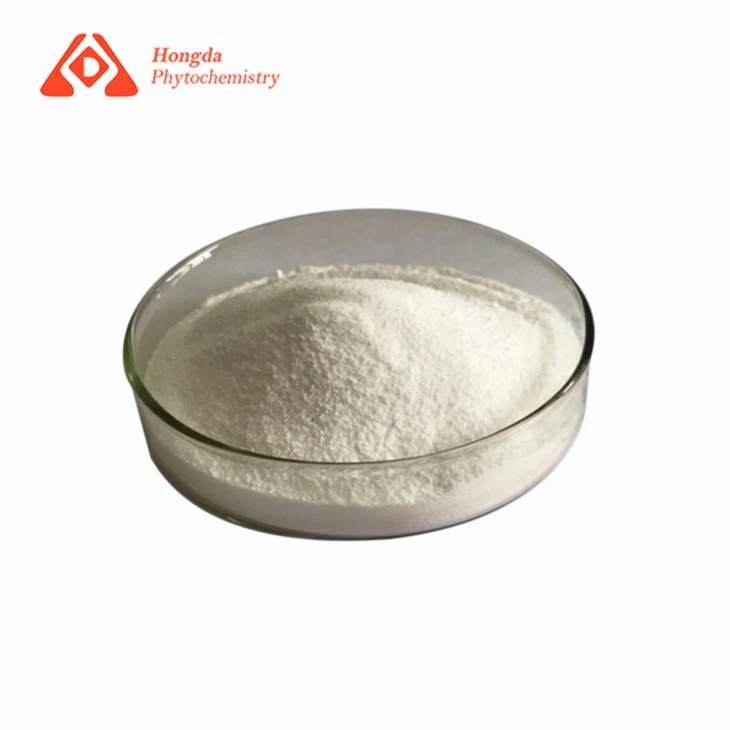
Does L-Carnitine Make You Sweat?
2025-08-27 16:28:06
As a popular workout supplement, L-carnitine promises enticing benefits from enhanced athletic performance to easier weight loss. But unsavory side effects like excessive sweating give some pause about trying this compound. Does the science support claims of flushed, sweat-drenched workouts courtesy of L-carnitine intake? Or do the proven advantages make a modest perspiration trade-off worthwhile? Shedding light on the realities provides guidance.
What is L-Carnitine?
L-carnitine constitutes an amino acid-like compound naturally produced in the body from lysine and methionine or gained from food sources like meat, dairy and select vegetables. It plays a vital role transporting fatty acids into mitochondria to be burned for energy. Supplemental forms aim to enhance endurance, recovery, weight loss and workout capacity by amplifying the availability of fat-based fuel (1).
Oral L-carnitine varieties like acetyl-L-carnitine and L-carnitine L-tartrate serve as common fitness boosters. Dosages from 500 to 2000 milligrams per day help augment performance by upward of 15% over placebo in trials (2). But physiology-altering effects also come with side effect potential.

Benefits of L-Carnitine
L-carnitine is a naturally occurring amino acid derivative that's often taken as a supplement. It plays a crucial role in the production of energy by transporting fatty acids into your cells’ mitochondria. The mitochondria act as engines within your cells, burning these fats to create usable energy.
Your body can produce L-carnitine out of the amino acids lysine and methionine. For your body to produce it in sufficient amounts, you also need plenty of vitamin C. In addition to the L-carnitine produced in your body, you can also obtain small amounts by eating animal products like meat or dairy products.
L carnitine powder is used for weight loss and may have an impact on brain function. However, popular claims about supplements don’t always match up with the science.
There are several types of carnitine, including D-carnitine, Acetyl-L-carnitine, Propionyl-L-carnitine, and L-carnitine L-tartrate. Each type has different effects and uses. For example, Acetyl-L-carnitine is possibly the most effective form for your brain and may benefit people with neurodegenerative diseases. Propionyl-L-carnitine is well-suited for circulatory issues, such as peripheral vascular disease and high blood pressure. L-carnitine L-tartrate is commonly added to sports supplements due to its rapid absorption rate and may aid muscle soreness and recovery in exercise.
L-carnitine’s ability to facilitate fat burning makes it an appealing endurance and weight loss supplement. Boosting fat oxidation not only spares finite carb-based fuels like glycogen, but also increases mitochondria density long-term - allowing better power output and physique changes. Research confirms benefits, but randomized control trials show highly variable individual responses. Genetic and lifestyle factors mediate efficacy.

However, it's important to note that more research is needed to confirm its effectiveness and safety.
Does L-Carnitine Make You Sweaty?
Despite rumors, no compelling evidence directly links L-carnitine supplementation to increased sweating or thermogenesis. Limited cellular research shows Carnitine palmitoyltransferase 1 (CPT1) enzyme activity that transports fats does spike modestly, indicating some metabolism-boosting fat burning effects are possible (4). Whether observable sweating occurs remains unproven.
In demanding workout contexts generating high heat outputs already, like HIIT regimens, l-carnitine powder may contribute marginal compounding internal heat effects atop training demands. But no data confirms cause and effect currently. In fact, augmenting fat burning may conversely spare sweating.
Dose responses are also uncertain. Those possibly predisposed to hyperhidrosis should monitor closely and modulate intakes downward if excessive sweating emerges.
Does L-Carnitine Help Hot Flashes?
Interestingly, early menopause research found promise for L-carnitine easing hot flash severity and frequency at doses of 1000-2000 milligrams daily. Quantifiable perspiration and heat output lowered over 8 weeks versus placebo, indicating possible thermoregulatory benefits rather than dysfunction (5).
Regulating neurotransmitter activity influencing vascular reactivity may be responsible. More research is still needed given smaller samples. But easing extreme sweating scenarios is conceivable.
Does L-Carnitine c
Though speculative, L-carnitine’s activation of fat metabolic pathways may incrementally stoke resting energy expenditure and thermogenesis to a small degree. One study calculated upwards of 80 extra calories burned daily even at lower 500 milligram doses (6). However, translating this into significantly elevated body temperature or sweating again lacks substantiation across trials.
In calorie deficit contexts like aggressive dieting, slight internal heat gains from ramped up fat burning could make harsh restrictions more tolerable. Any nominal thermogenic advantage is generally welcomed. Real-world impacts stay unclear though regarding sweating.

What are the Side Effects of L-Carnitine?
Gastrointestinal upset constitutes the most frequently reported side effect from L-carnitine supplementation, occurring in up to 5% of users. Nausea, abdominal cramps, diarrhea and vomiting may manifest from excessive doses or individual sensitivity (7).
Too much l carnitine powder can also cause muscle cramps, fatigue, and fishy body odor. Due to similarities with thyroid hormones influencing metabolism, thyroid conditions warrant caution with use unless medically cleared.
Start with conservative doses and titrate up slowly. Aside from gi issues in some, most negative impacts prove less troublesome than excess sweating.
Concluding Remarks
Claims of profuse sweating from l carnitine powder remain unsubstantiated scientifically despite plausibility. Research better supports performance enhancement and slight metabolism elevation over causing systemic overheating and heavy perspiration routinely.
However, small increments in caloric burn could subjectively feel like body heat and sweat output changes to some users. Those more sweat-prone may also notice amplification doing intense workouts when collateral heat indexes already run high.
Yet easing menopausal hot flashes shows the opposite - better thermoregulation - is equally likely. Responses depend greatly on the scenario and individual. While not a proven side effect, keep an open mind about benefits versus tolerability.
Hongda Phytochemistry Co., Ltd. is a reputable and experienced ingredients manufacturer that boasts an impressive range of Certifications, including cGMP, BRC, ORGANIC (EU), ORGANIC (NOP), ISO22000, ISO9001, FDA, HALAL, KOSHER, and national certification of high-tech innovative enterprises. With over 30 years of production experience, the Shaanxi Hongda factory is dedicated to producing top-quality ingredients. The factory spans across 20,000 square meters and is equipped with advanced extraction equipment, along with an SGS Certified laboratory for quality control. Operating six advanced production lines simultaneously, the factory has a daily output of ten tons and an annual production capacity of several thousand tons. Among their range of products, the Bulk L-Carnitine Powder has received unanimous praise from customers worldwide. Hongda Phytochemistry Co., Ltd. is a trustworthy and stable supplier that invites you to contact duke@hongdaherb.com for more detailed information about our exceptional offerings.
References:
1. Sahlin K. Boosting fat burning with carnitine: an old friend comes out from the shadow. J Physiol. 2011;589(Pt 7):1509-1510.
2. Galloway SD, Talanian JL, Shoveller AK, Heigenhauser GJ, Spriet LL. Seven days of oral taurine supplementation does not increase muscle taurine content or alter substrate metabolism during prolonged exercise in humans. J Appl Physiol (1985). 2008;105(2):643-651.
3. Broad EM, Maughan RJ, Galloway SD. Effects of four weeks L-Carnitine L-tartrate ingestion on substrate utilization during prolonged exercise. Int J Sport Nutr Exerc Metab. 2005;15(6):665-679.
4. Stephens FB, Wall BT, Marimuthu K, et al. Skeletal muscle carnitine loading increases energy expenditure, modulates fuel metabolism gene networks and prevents body fat accumulation in humans. J Physiol. 2013;591(18):4655-4666.
5. Genazzani AD, Stomati M, Bernardi F, et al. Effect of 1-year, low-dose DHEA therapy on climacteric symptoms and female sexuality. Climacteric. 2011;14(6):661-668.
6. Broad EM, Maughan RJ, Galloway SD. Effects of L-carnitine L-tartrate ingestion on blood profiles and physiological responses following graded cycle exercise. Int J Sport Nutr Exerc Metab. 2008;18(5):510-528.
7. Novak M. Color Atlas of Diseases and Disorders of Cattle. Leipzig: Wilhem Boehm; 2019.





_1756697466812.webp "Baicalensis Root Extract Powder")