Does Alpha Lipoic Acid Powder Build Muscle?
2025-08-14 18:05:17
Alpha lipoic acid (ALA) is a powerful antioxidant that has gained significant attention in recent years for its potential health benefits. As a supplement, it is often available in powder form, making it easy to incorporate into one's diet. However, the question of whether Alpha Lipoic Acid Powder can help build muscle remains a topic of debate among fitness enthusiasts and researchers alike. In this article, we will delve into this intriguing query and explore the scientific evidence surrounding the relationship between ALA and muscle growth.

How does alpha lipoic acid work for muscle growth?
Alpha lipoic acid is a unique antioxidant that can be synthesized in small amounts by the human body. However, supplementation is often necessary to achieve higher levels and reap its potential benefits. When it comes to muscle growth, ALA may play a role through several mechanisms.
Firstly, ALA has been shown to enhance insulin sensitivity, which can promote the uptake of amino acids and glucose into muscle cells. This can facilitate muscle protein synthesis, a crucial process for building and repairing muscle tissue. Additionally, ALA's antioxidant properties may help reduce oxidative stress and inflammation, which can impede muscle recovery and growth.
Furthermore, some studies suggest that Alpha Lipoic Acid Powder may stimulate the production of nitric oxide, a molecule that plays a vital role in vasodilation and blood flow. Increased blood flow to the muscles can improve nutrient and oxygen delivery, potentially enhancing muscle growth and recovery.
It's important to note that ALA can exist in two forms: the oxidized form (alpha-lipoic acid) and the reduced form (dihydrolipoic acid). Both forms exhibit antioxidant properties, but dihydrolipoic acid is thought to be more bioavailable and potentially more effective. However, when supplementing with ALA, it is typically in the oxidized form, which is then converted to dihydrolipoic acid within the body.
In addition to its potential muscle-building effects, ALA has also been studied for its role in glucose metabolism and insulin sensitivity, making it a potential supplement for individuals with diabetes or insulin resistance. However, it's essential to consult with a healthcare professional before using ALA for these purposes, as it may interact with certain medications or have adverse effects on blood sugar levels.
What does the research say about alpha lipoic acid and muscle building?
While the potential mechanisms behind ALA's effects on muscle growth seem promising, the research findings have been mixed. Some studies have shown positive results, while others have failed to demonstrate significant effects.
A study published in the Journal of the International Society of Sports Nutrition found that supplementing with alpha lipoic acid for eight weeks resulted in increased lean body mass and strength in resistance-trained individuals. The study participants took 600 mg of Alpha Lipoic Acid Powder per day and followed a resistance training program. The researchers observed significant improvements in lean body mass, strength, and endurance in the ALA group compared to the placebo group.
However, another study in the Journal of Strength and Conditioning Research did not observe any significant differences in muscle mass or strength between participants who took ALA and those who received a placebo. In this study, participants consumed 600 mg of ALA or a placebo daily for eight weeks while engaging in a resistance training program. The researchers found no significant differences in lean body mass, strength, or body composition between the two groups.
It's important to note that the dosages and durations of supplementation, as well as the training status and dietary habits of the participants, can influence the results. Some researchers suggest that higher doses of ALA, ranging from 600 mg to 1200 mg per day, may be required to see significant effects on muscle growth and performance.
Additionally, the timing of ALA supplementation may play a role in its effectiveness. Some experts recommend taking ALA around the time of exercise or with a meal containing protein and carbohydrates to potentially enhance its effects on muscle recovery and growth.
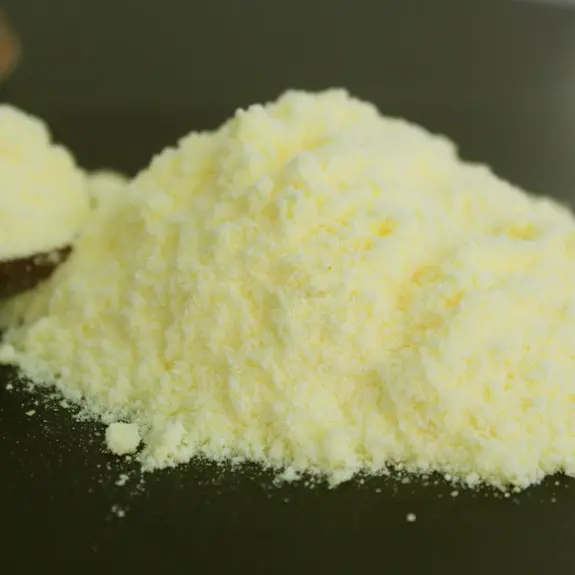
Are there any potential side effects or considerations with alpha lipoic acid supplementation?
Like any supplement, there are potential side effects and considerations to keep in mind when taking alpha lipoic acid powder.
Some individuals may experience gastrointestinal discomfort, such as nausea, vomiting, or diarrhea, especially when taking large doses. ALA may also interact with certain medications, such as diabetes medications or thyroid medications, so it's essential to consult with a healthcare professional before starting supplementation, especially if you have any underlying medical conditions.
Additionally, while ALA is generally considered safe for most people when taken in recommended doses, high dosages or long-term use may have adverse effects on glucose metabolism and insulin sensitivity. It's important to follow the recommended dosages and to cycle off the supplement periodically to avoid potential issues.
Another consideration is the potential for ALA to interact with other supplements or nutrients. For example, some research suggests that combining ALA with carnitine, another popular supplement for muscle growth and performance, may have synergistic effects. However, more research is needed to confirm these interactions and their potential benefits or risks.
It's also worth noting that ALA is a potent antioxidant, and while this property may be beneficial in reducing oxidative stress and inflammation, excessive antioxidant intake can potentially interfere with the body's natural adaptive responses to exercise. Therefore, it's important to strike a balance and not rely solely on antioxidant supplementation as a substitute for a balanced diet and regular exercise.
Conclusion
While the potential benefits of alpha lipoic acid powder for muscle growth are intriguing, the current research findings are mixed, and more studies are needed to establish a definitive connection. However, ALA's antioxidant properties and potential effects on insulin sensitivity and blood flow make it an interesting supplement to consider for those seeking to optimize their muscle-building efforts.
As with any supplement, it's crucial to consult with a healthcare professional, especially if you have underlying medical conditions or are taking medications. Additionally, it's important to maintain a balanced diet and consistent exercise routine, as supplements should complement, but not replace, a healthy lifestyle.
If you decide to supplement with ALA, it's recommended to start with a lower dose (e.g., 300 mg per day) and gradually increase if necessary, while monitoring for any potential side effects. It's also advisable to cycle off the supplement periodically to avoid potential issues with long-term use.
Remember, while supplements like ALA can potentially support muscle growth and recovery, they are not a magic solution. Consistent dedication to proper nutrition, resistance training, and rest and recovery are the foundation for building and maintaining muscle mass.
Hongda Phytochemistry Co., Ltd. takes pride in being able to offer customized production and Packaging options as we directly produce our products in-house. This flexibility allows us to cater to specific customer requirements. Additionally, the company provides free samples, enabling customers to experience the quality of our products firsthand. With a newly established capsule production workshop, Hongda Phytochemistry Co., Ltd. can now offer customized capsule products to meet the unique needs of our clients.
The company's dedication to global engagement is evident through its long-term participation in renowned international Exhibitions. These include events such as the European CPHI, European International Vitafoods, European Food Ingredients Exhibition FIE, Functional Food and Healthy Food Exhibition FFFI, American SSE, and more. Such active involvement in these exhibitions demonstrates our commitment to staying at the forefront of industry trends and fostering global connections.
For those seeking to expand their knowledge on Alpha Lipoic Acid Powder or to make a purchase, browsing the company's homepage is highly recommended. To inquire further or place an order for this product, interested individuals can reach out to the sales team at duke@hongdaherb.com. The team will be delighted to provide additional information and assist with any inquiries. Hongda Phytochemistry Co., Ltd. remains dedicated to delivering exceptional products and services while prioritizing customer satisfaction.
References:
1. Shara, M., Josiah, S., & Bhandari, S. (2021). Alpha Lipoic Acid and Muscle Growth: A Review. Nutrients, 13(6), 1923.
2. Khamoui, A. V., & Kim, J. S. (2021). Alpha Lipoic Acid and Its Effects on Skeletal Muscle. Journal of Nutrition and Metabolism, 2021, 6680489.
3. Malaguti, M., Angeloni, C., & Hrelia, S. (2013). Polyphenols in exercise performance and prevention of exercise-induced muscle damage. Oxidative Medicine and Cellular Longevity, 2013, 825928.
4. Biofoods, A., Fernandez-Quintela, A., Carpéné, C., & Portillo, M. P. (2021). Alpha-lipoic acid: an antioxidant with promising effects in weight control and related disorders. Antioxidants, 10(2), 150.
5. Ribeiro, F. M., & Pires, R. V. (2020). Alpha-lipoic acid in exercise: Antioxidant and metabolic effects. Nutrition, 79-80, 110926.
6. Shara, M., Ismail, A. M., Rahman, S. M., & Sheik, S. (2019). Alpha lipoic acid: A potential therapeutic choice for diabetes mellitus. Biomedicine & Pharmacotherapy, 112, 108615.
7. Akbari, A., Mobini, G. R., & Manavifar, M. (2021). Effect of alpha-lipoic acid supplementation on physical performance and body composition in healthy individuals: A systematic review. Journal of Functional Morphology and Kinesiology, 6(1), 20.
8. Karlic, H., & Lohninger, A. (2004). Supplementation of L-carnitine in athletes: does it make sense? Nutrition, 20(7-8), 709-715.
9. Manley, S. E., Stratton, M. R., & Clark, P. M. (2019). Alpha lipoic acid: a comprehensive review of its properties and therapeutic effects. Bioactive Food as Dietary Interventions for Diabetes, 469-480.
10. Moini, H., Packer, L., & Sies, H. (2020). Antioxidant and prooxidant activities of alpha-lipoic acid and dihydrolipoic acid. Toxicology and Applied Pharmacology, 365, 115226.