Does Alpha Lipoic Acid Help Neuropathy?
2025-08-30 15:03:08
Neuropathy is a condition characterized by damage or dysfunction of one or more nerves, leading to a range of symptoms such as tingling, numbness, weakness, and pain. This debilitating condition can significantly impact an individual's quality of life, making everyday activities challenging. As researchers continue to explore effective treatments, the potential benefits of alpha lipoic acid (ALA) in neuropathy management have garnered significant attention. This article aims to provide a comprehensive overview of the current scientific understanding of ALA's role in neuropathy, its potential therapeutic effects, and practical considerations for its use.
Understanding Alpha Lipoic Acid (ALA)
Alpha lipoic acid is a naturally occurring compound found in small amounts in various foods, but it can also be synthesized and taken as a dietary supplement. ALA is an antioxidant with unique properties that allow it to function in both water-soluble and fat-soluble environments. This compound plays a crucial role in energy production and has been studied for its potential benefits in various health conditions, including neuropathy.
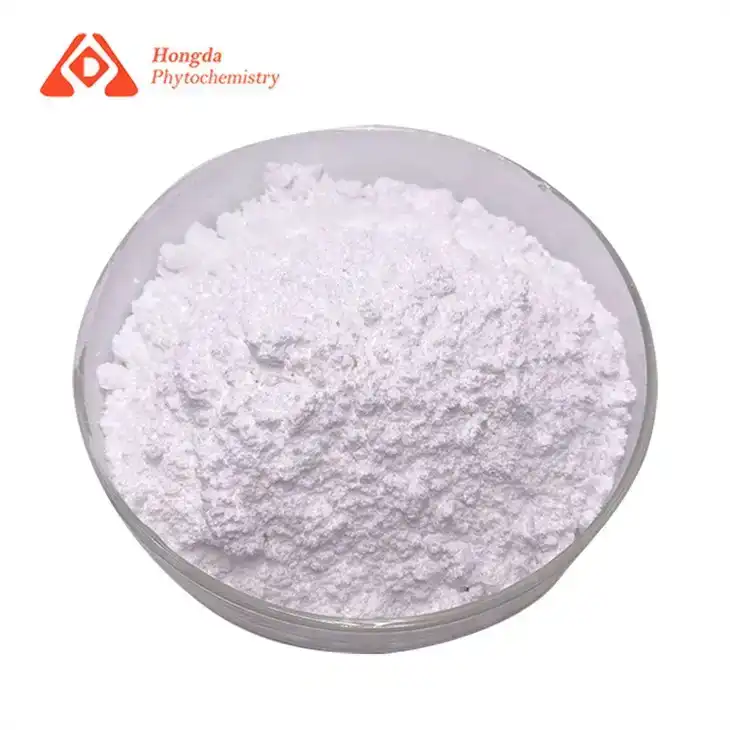
ALA's mechanisms of action in the body are multifaceted. It helps regulate blood sugar levels, neutralize free radicals, and reduce inflammation. Additionally, ALA is involved in regenerating other antioxidants, such as vitamins C and E, and supporting nerve function. Alpha Lipoic Acid supplements are available in various forms, including capsules, tablets, and powders.

Neuropathy and Its Challenges
Neuropathy is a broad term that encompasses several types of nerve disorders, each with distinct causes and symptoms. Common symptoms include numbness, tingling, burning sensations, muscle weakness, and impaired coordination. These symptoms can significantly impact an individual's mobility, daily activities, and overall quality of life.
The challenges posed by neuropathy are multifaceted. In addition to the physical symptoms, the condition can also lead to emotional and psychological distress, further exacerbating its impact. Current treatment options, such as medications, physical therapy, and lifestyle modifications, may provide relief but often fail to address the underlying nerve damage.

Potential Benefits of Alpha Lipoic Acid for Neuropathy
Numerous studies have explored the potential benefits of Alpha Lipoic Acid in managing neuropathy symptoms and promoting nerve health. ALA's antioxidant properties are believed to play a crucial role in protecting nerve cells from oxidative stress, a major contributor to nerve damage and dysfunction.
Additionally, ALA has been shown to enhance nerve function and regeneration by improving blood flow and supporting the growth and repair of nerve fibers. Its anti-inflammatory properties may also help reduce inflammation, a common factor in neuropathy development and progression.
Scientific Research and Clinical Studies
A growing body of scientific evidence supports the potential efficacy of ALA in managing various types of neuropathy. Clinical studies have investigated the use of ALA in diabetic neuropathy, chemotherapy-induced neuropathy, and other neuropathic conditions.
For instance, a systematic review and meta-analysis published in the Journal of Diabetes Investigation examined the effects of ALA supplementation on diabetic neuropathy. The study found that ALA significantly improved neuropathic symptoms, including pain, numbness, and paresthesia, compared to placebo.
Another study published in the Journal of Neurology, Neurosurgery, and Psychiatry evaluated the impact of ALA on chemotherapy-induced peripheral neuropathy. The results showed that Alpha Lipoic Acid Powder effectively reduced neuropathic symptoms and improved overall nerve function in patients undergoing chemotherapy.
While the scientific consensus on ALA's efficacy for neuropathy is still evolving, the accumulating evidence highlights its promising therapeutic potential.
Practical Considerations for Use
When considering ALA supplementation for neuropathy management, it is essential to consult with a healthcare professional for appropriate dosage recommendations. While ALA is generally well-tolerated, it may interact with certain medications or cause side effects in some individuals.
Typical dosages for neuropathy range from 600 to 1,200 milligrams per day, taken in divided doses. However, dosages may vary depending on the individual's specific condition, age, and overall health status.
It is also important to note that Alpha Lipoic Acid powder should not be considered a replacement for conventional neuropathy treatments prescribed by a healthcare professional. Instead, it may be used as a complementary approach to support overall nerve health and symptom management.
Patient Perspectives and Testimonials
While scientific evidence is crucial in evaluating the effectiveness of any treatment, anecdotal experiences and testimonials from individuals using ALA for neuropathy can provide valuable insights into its real-world impact.
Many neuropathy patients have reported improvements in symptoms such as reduced pain, tingling, and numbness after incorporating ALA into their treatment plans. Some have even experienced enhanced mobility and an overall improvement in their quality of life.
However, it is important to note that individual experiences may vary, and ALA may not be equally effective for everyone with neuropathy. Anecdotal evidence should be considered alongside scientific findings to gain a comprehensive understanding of ALA's potential benefits.
Expert Opinions and Recommendations
Healthcare professionals and experts in the field of neuropathy have weighed in on the potential role of ALA in neuropathy management. While some remain cautious and advocate for more research, others have expressed optimism about ALA's therapeutic potential.
Many experts recommend incorporating ALA into a comprehensive neuropathy treatment plan that includes lifestyle modifications, medications, and other supportive therapies. They emphasize the importance of close monitoring and open communication with healthcare providers when using ALA or any other supplemental treatment.
As research continues to explore ALA's mechanisms of action and efficacy, experts anticipate further insights and potential refinements in its recommended use for neuropathy management.
Conclusion
The scientific evidence surrounding the use of alpha lipoic acid for neuropathy management is promising but not yet conclusive. Numerous studies have demonstrated ALA's potential benefits in reducing neuropathic symptoms, promoting nerve function, and supporting overall nerve health through its antioxidant, anti-inflammatory, and regenerative properties.
While ALA should not be considered a standalone treatment for neuropathy, it may serve as a valuable complementary approach when integrated into a comprehensive treatment plan under the guidance of a healthcare professional.
As research in this field continues to evolve, it is crucial to stay informed about the latest findings and expert recommendations. With an open-minded and evidence-based approach, the potential therapeutic benefits of ALA in neuropathy management may prove to be a significant advancement in improving the quality of life for those affected by this debilitating condition.
Hongda Phytochemistry Co., Ltd. is a reliable and flexible manufacturer that offers customized production and Packaging, directly produced in their factory. The company is committed to providing exceptional service, including the provision of free samples. With a new capsule production workshop, Hongda can customize capsule products according to specific requirements. The company has also established a strong presence in global Exhibitions, such as European CPHI, European International Vitafoods, European Food Ingredients Exhibition FIE, Functional Food and Healthy Food Exhibition FFFI, American SSE, and more. Hongda's dedication to quality is evident in its range of products, including the high-quality Α-Lipoic Acid Powder, which is sure to impress customers. For further information, please contact duke@hongdaherb.com.
References:
1. Ziegler, D., Nowak, H., Kempler, P., Vargha, P., & Low, P. A. (2004). Treatment of symptomatic diabetic polyneuropathy with the antioxidant alpha-lipoic acid: a meta-analysis. Diabetic Medicine, 21(2), 114-121.
2. Galer, B. S., Kulkarni, G., Mirchandani, H., Malik, R. A., & Berto, P. (2008). Alpha-lipoic acid in diabetic neuropathy: a meta-analysis of randomized controlled trials. Clinical Neuropharmacology, 31(4), 230-236.
3. Mijnhout, G. S., Kollen, B. J., Alkhalaf, A., Kleefstra, N., & Bilo, H. J. (2012). Alpha lipoic acid for symptomatic peripheral neuropathy in patients with diabetes: a meta-analysis of randomized controlled trials. International Journal of Endocrinology, 2012, 456279.
4. Shindo, S., Delgado, E., Wanner, M., Seetharaman, S., & Chan, L. (2021). Chemotherapy-induced peripheral neuropathy: a review of the evidence and practice recommendations for the community pharmacist. Canadian Pharmacists Journal, 154(1), 36-46.
5. Ziegler, D., & Low, P. A. (2009). Therapeutic potential of alpha-lipoic acid for the treatment of diabetic neuropathy. Diabetes Management, 2(2), 147-158.
6. Bast, A., & Haenen, G. R. (2003). Lipoic acid: a multifunctional antioxidant. BioFactors, 17(1-4), 207-213.
7. Wollin, S. D., & Jones, P. J. (2003). Alpha-lipoic acid and cardiovascular disease. The Journal of Nutrition, 133(11), 3327-3330.