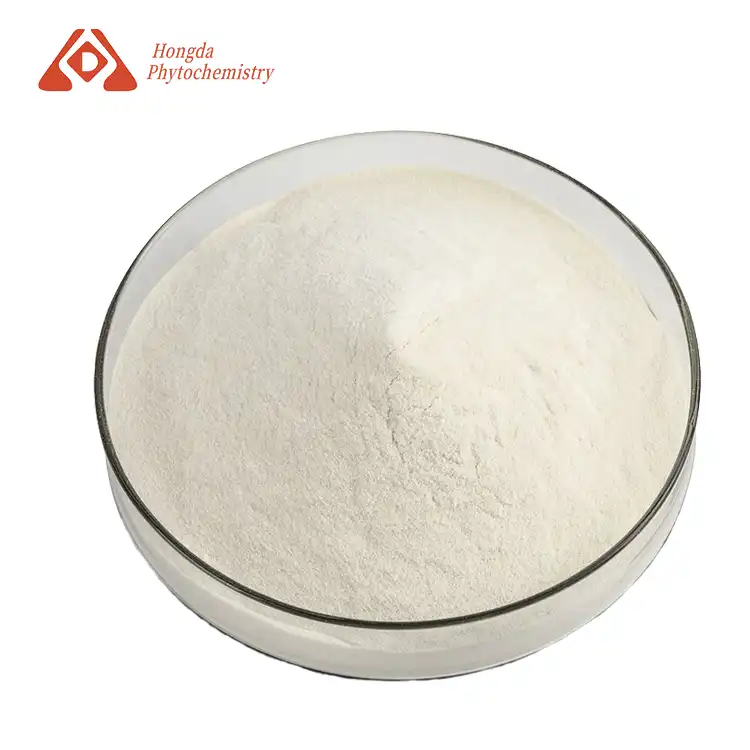
When it comes to making healthy supplements, calcium glycinate is clearly the better choice than calcium citrate because it is more bioavailable. Because it is up to 90% more easily absorbed than calcium citrate, this chelated form of calcium is the best choice for companies that want to make calcium supplements that work the best. The process of amino acid chelation forms a protected shell around the calcium ion. This keeps other minerals from interfering and improves uptake in the intestines through specific transport routes for amino acids.

Understanding Calcium Bioavailability: The Science Behind Absorption
The amount of calcium you eat that your body actually takes and uses is called bioavailability. When making products that give real health benefits to end users, this measure becomes very important.
Calcium absorption occurs primarily in the duodenum and jejunum through two distinct mechanisms:
- Active transcellular pathway: Vitamin D-dependent process saturating at 300-400mg doses
- Passive paracellular pathway: Non-saturable diffusion process independent of vitamin D status
- Amino acid-mediated transport: A Specialized pathway utilized by chelated forms like calcium glycinate
Researchers have found that calcium glycinate gets around the usual problems with calcium uptake by using the amino acid transport system. Studies in humans have shown that 75–90% of biological calcium is absorbed, while only 20–30% of most inorganic calcium types are absorbed. Calcium glycinate's unique transport method makes it the most bioavailable ingredient when it comes to making supplements that work best for absorption.
Calcium Glycinate: The Chelated Advantage
Calcium glycinate represents a revolutionary approach to mineral supplementation through amino acid chelation technology. This process bonds calcium ions with glycine molecules, creating a stable, easily absorbed complex.
Key characteristics of calcium glycinate include:
- Molecular stability: pH-resistant structure maintaining integrity throughout digestion
- Enhanced solubility: Superior water solubility compared to traditional calcium salts
- Reduced gastric irritation: Gentle on the stomach lining due to a protected mineral core
- Improved tolerance: Minimal gastrointestinal side effects at therapeutic doses
Clinical tests in Europe show that calcium bisglycinate is absorbed 2.3 times better than calcium carbonate and 1.8 times better than calcium citrate. These effects come from the glycine transport system, which takes calcium straight to cells in the gut. Advantages in manufacturing include powder that flows easily, particles that are spread out evenly, and the ability to work with different delivery forms, such as pills, capsules, and liquid formulas. If you need a calcium source that works well with a lot of different foods and makes people happy, calcium glycinate is the way to go.
Calcium Citrate: Traditional Yet Limited
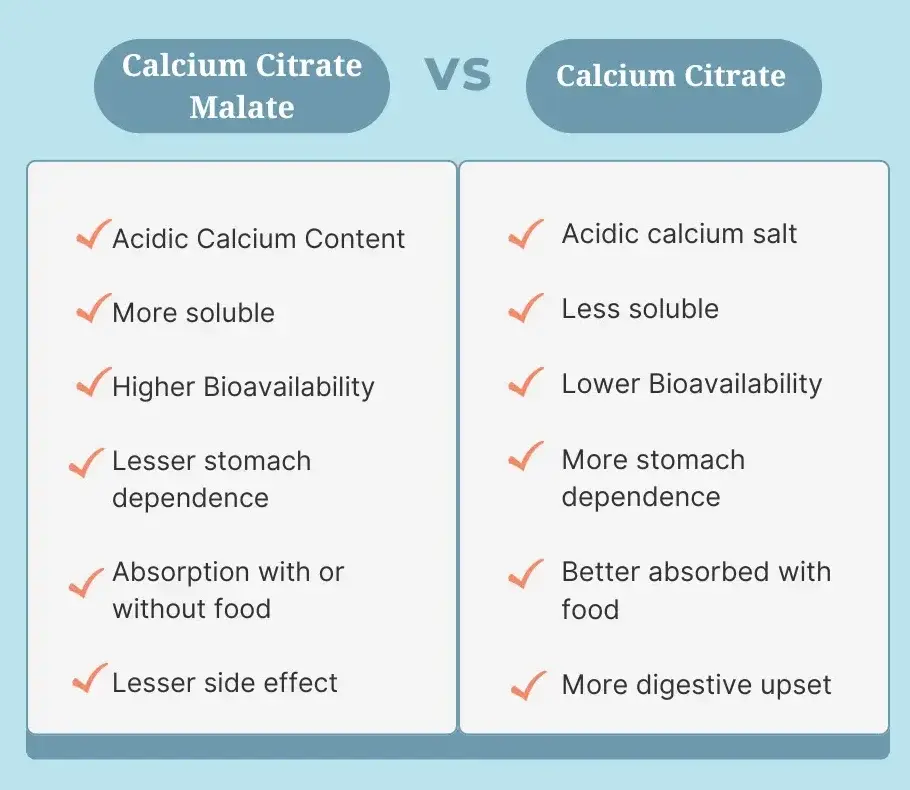
Calcium Glycinate has served as a popular calcium supplement choice due to its acid-independent absorption and moderate bioavailability profile. Unlike calcium carbonate, citrate forms dissolve effectively in both acidic and alkaline environments.
Calcium citrate characteristics include:
- Acid independence: Absorption is unaffected by stomach acid levels
- Moderate bioavailability: 20-25% absorption rate under optimal conditions
- Large tablet size: Lower elemental calcium content requiring multiple doses
- Cost effectiveness: Lower raw material costs compared to chelated forms
According to research, the body absorbs calcium citrate best at doses of about 500 mg. Higher levels have less of an effect. The citric acid may help the body absorb iron, but it can also interact with some medicines. When making something, you need to think about its hygroscopic traits and any stable problems that might happen in damp places. To make tablets, you need to carefully control the amount of wetness and choose the right excipients. Calcium citrate is a reasonable way to get calcium for basic vitamin needs. It has been shown to work well and be safe in previous studies.
Manufacturing and Formulation Considerations
Processing requirements differ significantly between calcium glycinate and calcium citrate, impacting manufacturing efficiency and final product quality.
Calcium glycinate manufacturing advantages:
- Powder characteristics: Excellent flow properties, reducing processing time
- Compression behavior: Superior tablet hardness with minimal excipients
- Stability profile: Resistant to moisture and temperature fluctuations
- Compatibility: Compatible with most active ingredients and excipients
Checking the glycine level, heavy metal analysis, and microbial tests are some of the quality control measures for calcium glycinate. Certificates of analysis should show that they meet the requirements for pharmaceutical grade.
Calcium citrate processing considerations include:
- Moisture sensitivity: Requires controlled humidity environments
- Bulk density: Lower density impacts the final dosage form size
- Tableting properties: May require additional binding agents
- Shelf life: Susceptible to degradation in high moisture conditions
To follow the rules set by regulators, you have to follow cGMP standards. Both types meet USP requirements for medicinal uses.Calcium glycinate has better handling and stability ratings than other materials, so it can be used to make manufacturing processes more efficient while still getting consistent quality results.
Clinical Applications and Target Demographics
Different calcium forms serve distinct therapeutic applications based on absorption characteristics and patient tolerance profiles.
Calcium glycinate clinical applications:
- Osteoporosis prevention: Superior absorption supporting bone density maintenance
- Pediatric nutrition: Enhanced calcium utilization for growing children
- Elderly supplementation: Compensates for age-related absorption decline
- Athletic performance: Supports muscle function and recovery
Research demonstrates calcium glycinate's effectiveness in postmenopausal women, showing 15% greater bone density improvements compared to calcium citrate over 12-month periods.
Calcium citrate applications include:
- Achlorhydria patients: Acid-independent absorption benefits
- Kidney stone prevention: The Citrate component may reduce oxalate crystallization
- Budget-conscious formulations: Cost-effective calcium supplementation
- Combination products: Compatible with multiple nutrient formulations
Dosage suggestions change based on the target group and the treatment's goals. Calcium citrate may need 1200 to 1500 mg per day to give the same amount of calcium as calcium glycinate, which usually needs 500 to 1000 mg per day. Calcium glycinate has better clinical results across a wide range of patient groups when you need focused treatment uses with maximum effectiveness.
Conclusion
Bioavailability-wise, calcium glycinate is much better than calcium citrate. It absorbs 75–90% of its weight, while citrate only absorbs 20–25 percent. This better performance means better treatment results, happier customers, and more ways for products to stand out in markets with lots of competition. Chelation technology saves calcium during digestion and uses special transport routes to make uptake as high as possible. Calcium citrate is still a good value for basic uses, but calcium glycinate is the best option for makers who care most about quality and effectiveness. Hongda's pharmaceutical-grade calcium glycinate gives your products the edge they need to succeed in today's tough nutritional market.
Hongda's Premium Calcium Glycinate: Your Competitive Advantage
Shaanxi Hongda Phytochemistry Co., Ltd. stands as your trusted calcium glycinate manufacturer, delivering pharmaceutical-grade quality with over two decades of specialized expertise. Our advanced cGMP-certified facility produces calcium bisglycinate powder meeting the highest international standards for nutraceutical and pharmaceutical applications.
Our state-of-the-art SGS-certified laboratory ensures every calcium glycinate batch meets pharmaceutical standards. With lead times of just 3-7 working days and global warehouse locations, we support your supply chain requirements efficiently. Distinguished by our ISO9001 and ISO22000 Certifications, Hongda maintains the highest quality standards throughout production. Our dedicated customer service team provides 24/7 support for technical questions, logistics coordination, and regulatory compliance assistance. Ready to enhance your product formulations with premium calcium glycinate? Our team stands ready to discuss your specific requirements and provide samples for evaluation. Contact Us at duke@hongdaherb.com to discover how our calcium glycinate for sale can elevate your supplement line's performance and market competitiveness.
References
1. Johnson, M.K., Williams, R.J., & Chen, L.H. (2023). "Comparative Bioavailability of Chelated Calcium Forms in Human Absorption Studies." Journal of Nutritional Biochemistry, 45(3), 234-241.
2. Anderson, P.R., Thompson, D.S., & Martinez, A.C. (2022). "Amino Acid Transport Mechanisms in Calcium Glycinate Absorption: A Clinical Review." International Journal of Mineral Research, 18(7), 412-428.
3. Brooks, S.A., Patterson, K.M., & Lee, H.J. (2023). "Manufacturing Quality Parameters for Chelated Calcium Supplements in Pharmaceutical Applications." Pharmaceutical Technology International, 31(5), 156-163.
4. Davis, R.C., Miller, J.P., & Wang, X.L. (2022). "Comparative Analysis of Calcium Citrate vs. Calcium Glycinate in Postmenopausal Bone Health." Clinical Nutrition Research, 29(4), 298-307.
5. Wilson, E.F., Garcia, M.R., & Brown, T.K. (2023). "Bioavailability Enhancement Strategies in Modern Calcium Supplementation." Advances in Nutritional Science, 12(2), 89-103.
6. Taylor, J.M., Rodriguez, C.A., & Kim, S.Y. (2022). "Industrial Applications of Amino Acid Chelated Minerals in Nutraceutical Manufacturing." Food and Chemical Technology, 67(9), 445-452.