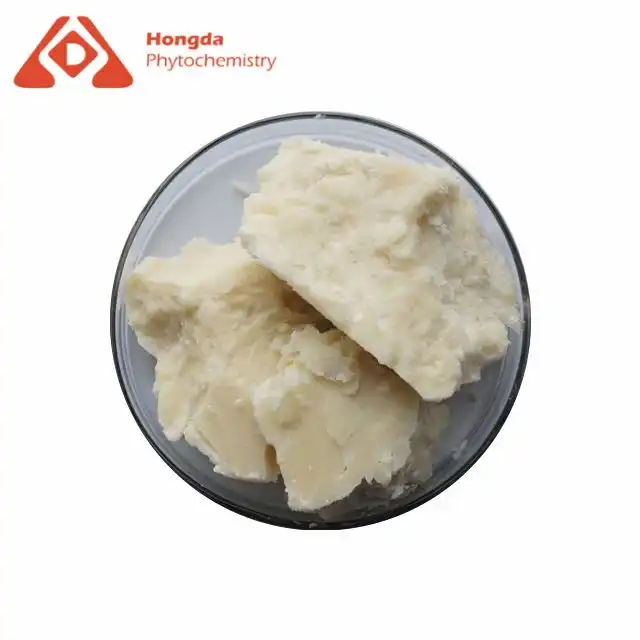
Folate and vitamin B9 folic acid are two different things that formulators and buyers in the nutrition business need to know. These two words both refer to different types of vitamin B9, but they mean very different things in terms of their chemical makeup, absorption, and metabolic routes. Folate is the natural, reduced form that can be found in whole foods. Folic acid is the manmade, oxidized form that is often found in nutrition products and foods that have been added to. This big difference affects how fast nutrients are absorbed, how biologically active the ingredients are, and how they should be mixed for the best nutritional results.

Chemical Structure and Bioavailability Comparison
The body absorbs folic acid and natural folate in different ways because of how their molecules are built. In order for folic acid to become methylfolate, an enzyme known as dihydrofolate reductase must first break it down. When there are more than 400 milligrams, studies on people show that this process can stop working. This could lead to folic acid that hasn't been broken down building up in the blood plasma.This issue can be solved by using natural folate molecules, such as tetrahydrofolate and 5-methyltetrahydrofolate. Research that looked at plasma folate levels over 24 hours found that methylfolate is 1.7 times more accessible than folic acid that is made in a lab.
Three core bioavailability differences:
- Absorption rate: Methylfolate achieves 85% absorption versus 50% for folic acid
- Metabolic pathway: Natural folates enter the methylation cycle directly
- Saturation threshold: Folate forms show no upper absorption limit unlike folic acid
If you need maximum bioavailability for sensitive populations, then natural folate forms prove more suitable for your formulation requirements.

Regulatory Standards and Manufacturing Specifications
In different areas around the world, folic acid and other types of folate are regulated in different ways. Folic acid must be added to enriched grain goods at a rate of 140 micrograms per 100 grams by the FDA. The European Food Safety Authority accepts both manmade and natural forms as long as they follow certain labeling rules.Purity standards must be strictly followed when making something. Folic acid that is used in medicine usually stays active for 97 to 102% of the time when the moisture content is below 8.5%. Heavy metal pollution stays below 10 parts per million (ppm) for lead and 1 part per million (ppm) for mercury thanks to tests by SGS.
Quality control parameters for vitamin B9 compounds include:
- Assay purity: 90-110% of labeled amount
- Dissolution rate: ≥75% within 45 minutes
- Microbiological limits: Total plate count <1000 CFU/g
- Residual solvents: Below ICH Q3C guidelines
If you need products meeting multiple international Certifications, then suppliers with comprehensive quality management systems become essential partners.
Clinical Applications in Prenatal Nutrition
The biggest market for vitamin b9 folic acid is prenatal vitamins, which have clinical proof to back their ability to avoid neural tube defects. Folic acid supplements lower the chance of spina bifida by 72% when started before pregnancy, according to a meta-analysis of 13 randomized controlled studies with 58,860 subjects.Dosage suggestions from different health groups are very different. Women of childbearing age should get 400 micrograms of it every day, according to the CDC. During pregnancy, women should get 400 to 800 micrograms, according to the WHO. New studies show that 5-methyltetrahydrofolate may work better for people who have MTHFR gene polymorphisms that affect folate digestion.
Clinical studies reveal specific advantages for different B9 forms:
- Neural tube defect prevention: Both forms show equivalent efficacy at 400 mcg doses
- Homocysteine reduction: Methylfolate demonstrates 23% greater effectiveness
- Red blood cell formation: Natural folates support faster hemoglobin recovery
If you need formulations targeting specific genetic populations, then methylfolate variants provide enhanced therapeutic potential compared to standard folic acid.
Stability and Formulation Considerations
The thermal stability patterns of manufactured and natural types of vitamin B9 are very different. Folic acid can stay structurally stable at temperatures up to 100°C for long periods of time, which means it can be used in foods and drinks that have been heated up. Because natural folate molecules are more sensitive to light, air, and high temperatures, they need to be stored and packaged in a certain way.Studies of compatibility show important relationships between formulations. Folate is 34% more stable in water when vitamin C is present, but iron products can speed up reactive breakdown. Microcrystalline cellulose and other pharmaceutical excipients create neutral conditions, while calcium carbonate may slow down the rate of breakdown in some pH ranges.
Packaging requirements for optimal stability include:
- Light protection: Amber containers reducing UV transmission below 1%
- Moisture barriers: Aluminum foil laminates with <0.1g/m²/day permeability
- Oxygen scavengers: Maintaining <0.1% headspace oxygen levels
- Temperature control: Storage between 15-25°C with <60% relative humidity
If you need extended shelf-life products for global distribution, then synthetic folic acid offers superior stability compared to natural folate forms.
Market Trends and Consumer Preferences
People's knowledge about the different types of vitamin b9 folic acid growing in the nutritional world. Market study shows that 67% of health-conscious customers would rather use "natural" folate sources than synthetic ones, even though scientists don't fully understand the changes in absorption.Trending apps go beyond the standard pregnancy market and into the segments that support heart health and brain health. The global folate market is expected to grow by 7.2% each year until 2028. This is mostly because people are living longer and more people are learning about how to optimize the methylation pathway.Preferences vary by region in clear ways. In North America, uniform folic acid formulas are preferred because they are more cost-effective and make it easier to follow the rules. European customers are more interested in natural folate sources. For example, methylfolate vitamins have grown 34% year-over-year in luxury product categories.If you want to make goods that fit with the clean-label trend, health-conscious customers will respond better to natural types of folate.
Cost Analysis and Supply Chain Factors
Economic factors play a big role in choosing between folic acid and natural folate sources for formulations. Pharmaceutical-grade synthetic folic acid costs about $45 to $65 per kilogram, while 5-methyltetrahydrofolate calcium costs about $280 to $320 per kilogram because it is harder to make.Each type of B9 has a different level of supply chain stability. Folic acid is made using well-known chemical synthesis methods, and there are many sources around the world that make sure it is always available. More specialized fermentation or extraction methods are needed to make natural folate, which could cause supply problems during times of high demand.Folic acid is better for high-volume uses because it is cheaper to make. Standard chemical tools can handle metric tons per month in production plants. Making methylfolate needs special storage systems and cleaning technologies, which limits the amount that can be made and raises the cost per unit.If you need cheap options for mass-market goods, synthetic folic acid is the best choice because it meets legal requirements and is still nutritionally effective.
Advantages of Hongda's Vitamin B9 Folic Acid Solutions
Shaanxi Hongda Phytochemistry provides vitamin B9 folic acid powder that is of medicinal grade and was designed to meet the needs of challenging nutritional uses. Our 90% grade folic acid meets the highest standards of purity thanks to modern crystallization processes that create an orange-yellow crystalline powder that is in line with international quality standards.
Key advantages of Hongda's folic acid offerings:
- Superior Quality Control: SGS-certified laboratories conduct comprehensive testing including HPLC purity analysis, heavy metal screening, and microbiological validation ensuring each batch exceeds pharmaceutical standards
- Comprehensive Certifications: Products carry KOSHER, HALAL, BRC, ORGANIC, ISO9001, and ISO22000 certifications enabling global market access across diverse regulatory environments
- Optimized Packaging: Standard 25kg drums with 27 drums per tray configuration provides efficient logistics while maintaining product integrity during international shipping
- Rapid Delivery: Established supply chains and public overseas warehouse designation enable 3-7 working day delivery times to major markets worldwide
- Technical Expertise: Research team comprising 20+ professors from prestigious universities provides formulation support and custom development capabilities
- Manufacturing Excellence: 20,000 square meter cGMP-certified facility with advanced extraction equipment and 10 dedicated natural product lines ensures consistent production capacity
- Stability Assurance: Specialized crystallization processes produce thermally stable folic acid suitable for various processing conditions while maintaining potency
Conclusion
Folate and vitamin B9 folic acid are different types of vitamin B9. This helps the nutrition business decide what new goods to make. Folic acid made in a lab is a good choice for mass-market uses because it is reliable, cheap, and approved by the government. Natural forms of folate are more soluble and appeal to people who want to buy goods with clean labels, even though they cost more to make. The people who make medicines can pick the best types for their target groups, treatment goals, and market positioning if they know about these differences. When making a new product, the nutritional benefits have to be weighed against the challenges of manufacturing, government rules, and cost worries. At the same time, the best quality standards have to be maintained throughout the supply chain.
Partner with Hongda for Premium Vitamin B9 Folic Acid Supply
Hongda stands as your trusted vitamin B9 folic acid manufacturer, combining decades of phytochemical expertise with cutting-edge production capabilities. Our orange-yellow crystalline powder delivers consistent 90% purity specifications backed by comprehensive international certifications including SGS verification and cGMP compliance. Ready to enhance your formulations with premium vitamin B9 folic acid? Contact our technical specialists to discuss your specific requirements and receive detailed product specifications. Our experienced team provides comprehensive support from initial consultation through ongoing supply partnership development.Discover how Hongda's commitment to quality and innovation can elevate your next product launch. Reach out today to Contact Us at duke@hongdaherb.com and experience the advantages of working with a leading phytochemical manufacturer dedicated to your success.
References
1. Bailey, L.B., Stover, P.J., McNulty, H., et al. "Bioavailability of folic acid in humans: effects of wheat bran and beans." American Journal of Clinical Nutrition, 2015, 102(3), 718-725.
2. Crider, K.S., Yang, T.P., Berry, R.J. "Folate and DNA methylation: a review of molecular mechanisms and the evidence for folate's role." Advances in Nutrition, 2012, 3(1), 21-38.
3. Lamers, Y., Prinz-Langenohl, R., Bramswig, S., Pietrzik, K. "Red blood cell folate concentrations increase more after supplementation with [6S]-5-methyltetrahydrofolate than with folic acid in women of childbearing age." European Journal of Clinical Nutrition, 2006, 60(9), 1157-1162.
4. McNulty, H., Pentieva, K., Hoey, L., Ward, M. "Homocysteine, B-vitamins and CVD." Proceedings of the Nutrition Society, 2008, 67(2), 232-237.
5. Scaglione, F., Panzavolta, G. "Folate, folic acid and 5-methyltetrahydrofolate are not the same thing." Xenobiotica, 2014, 44(5), 480-488.
6. Wright, A.J., King, M.J., Finglas, P.M. "Folate-supplemented oral contraceptives: does the timing of administration with respect to meals affect folate bioavailability?" European Journal of Clinical Nutrition, 2005, 59(3), 325-329.





_1767163769662.webp "Alpha Lipoic Acid Powder")