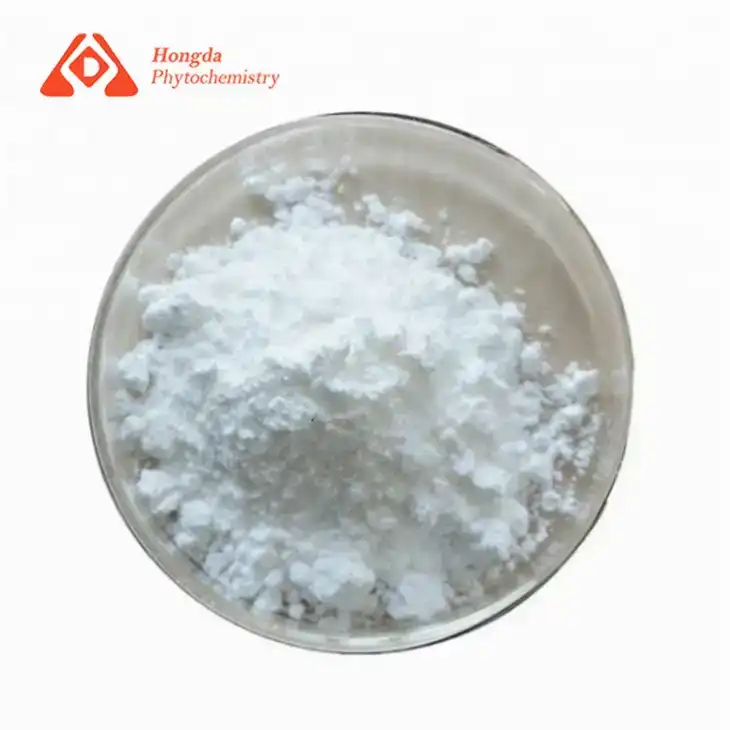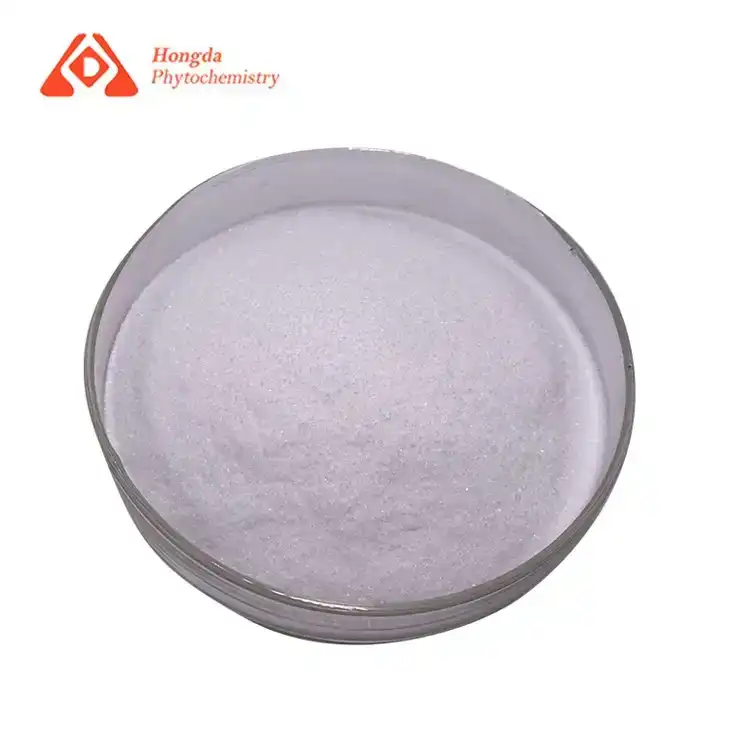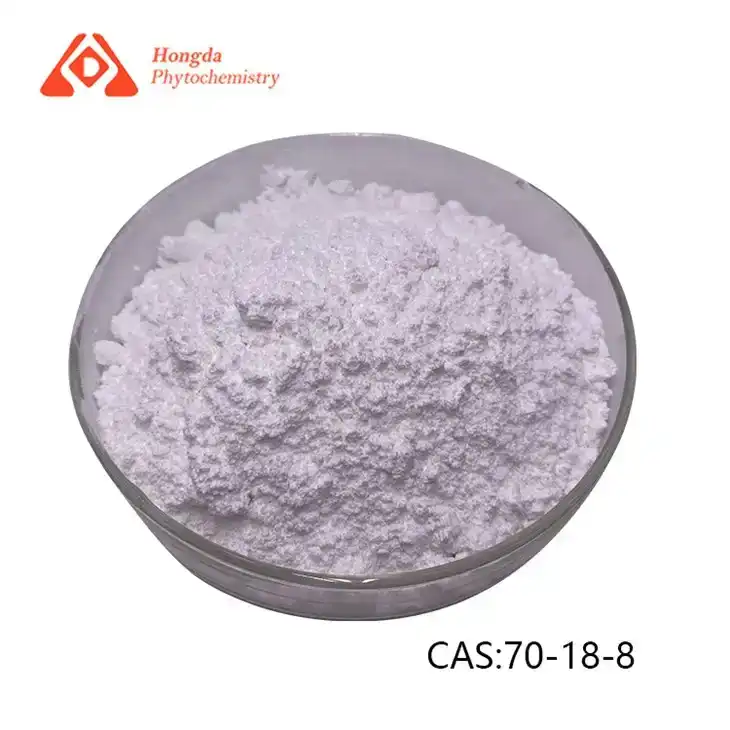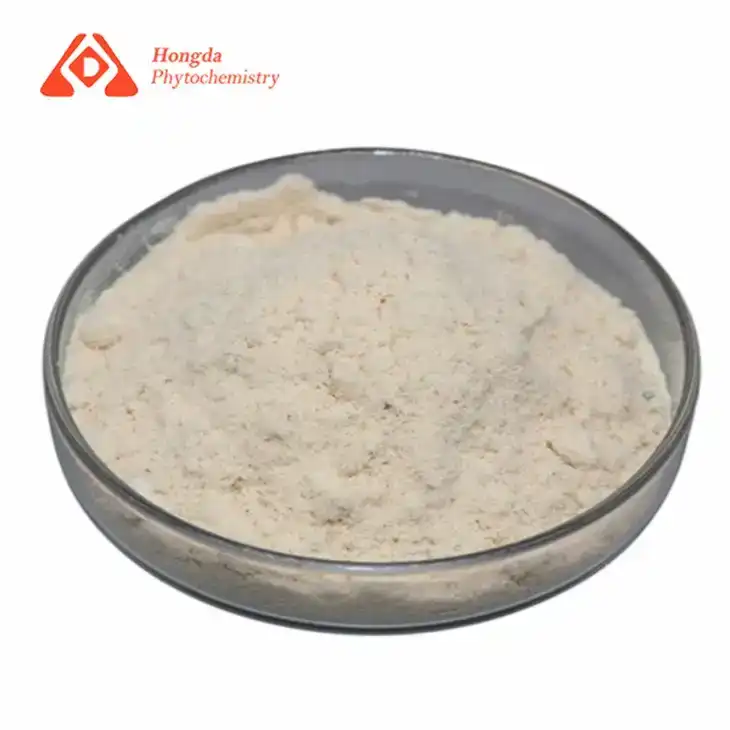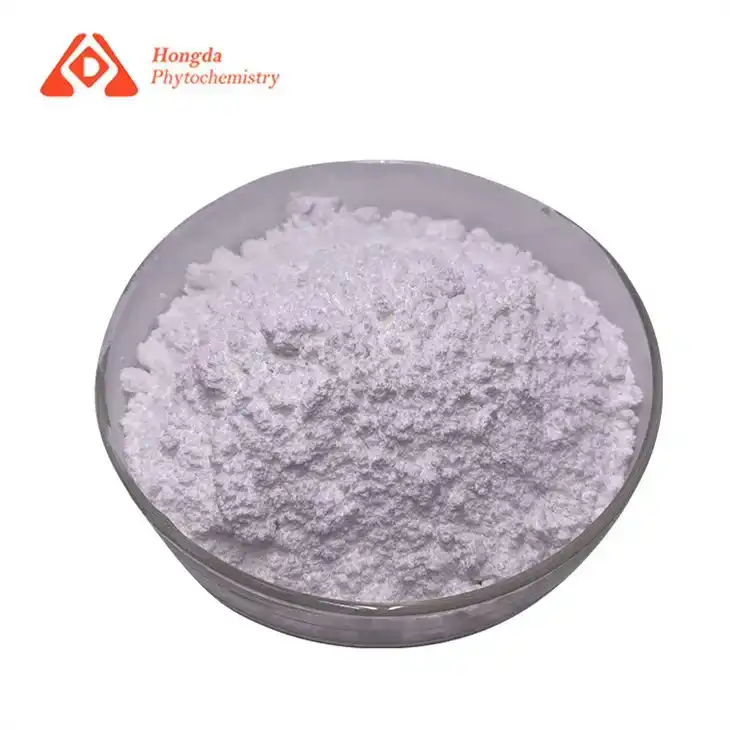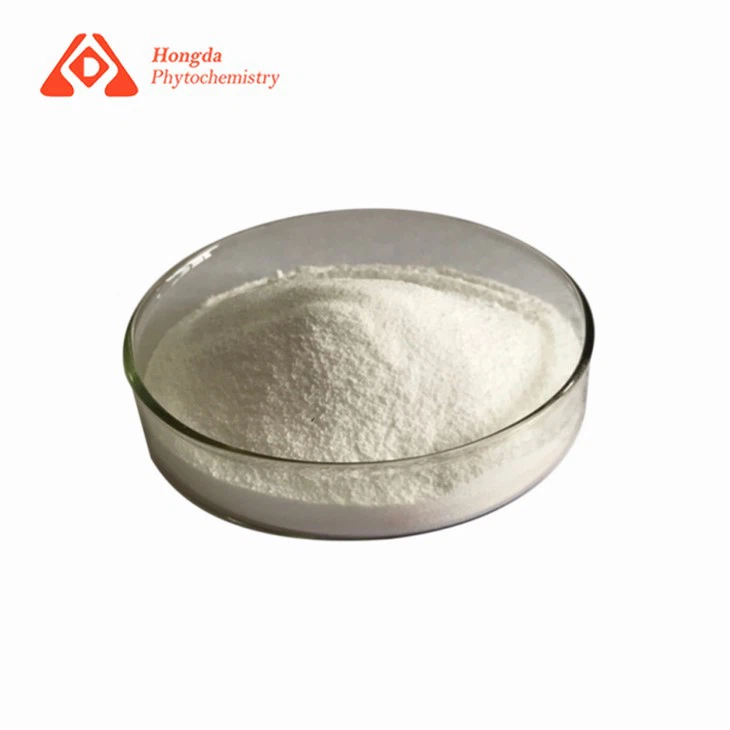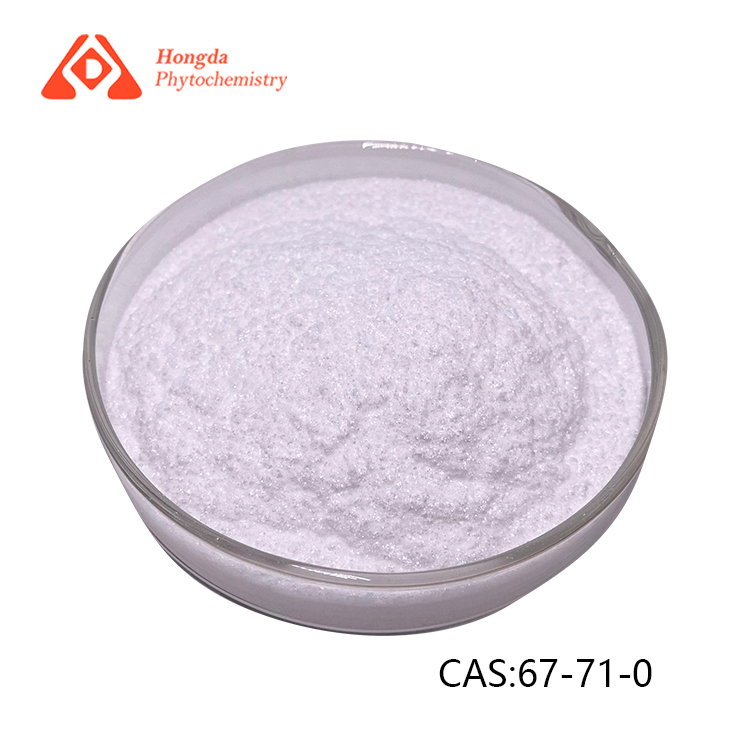
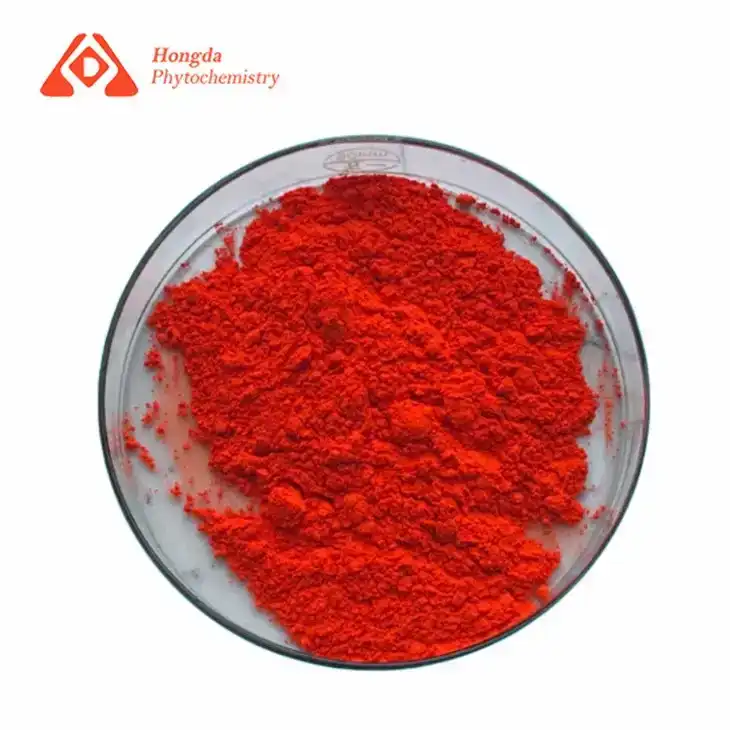


Methyl Orange Powder





2.Appearance: Orange Powder
3.Specification: 99%
4.CAS NO: 547-58-0
5.Packing Specification: 25kg/drum, 27 drums/tray
6.Delivery: 3-7working days
7.Main Market: European, North America, Asia
8.Certification: KOSHER,HALAL,BRC,ORGANIC,ISO9001,ISO22000 etc.
Methyl Orange Powder – High-Purity pH Indicator for Precision Analytical Chemistry
As a professional company that makes and sells Methyl Orange Powder, Shaanxi Hongda Phytochemistry Co., Ltd. sends 99% pure azo dye (CAS No. 547-58-0) to labs and businesses in Europe, North America, and Asia. Hongda has 20,000 m² of production space, 100,000-level purification workshops, and an in-house laboratory that is SGS-certified to make sure that every batch meets strict analysis standards. Hongda offers a dependable and traceable supply of high-quality pH indicator powder. They produce 3,000 tonnes of it every year and have Certifications such as KOSHER, HALAL, BRC, ISO9001, and ISO22000. Delivery times are 3–7 working days.
Product Introduction
Chemically, Methyl Orange Powder is Sodium 4-[[(4-dimethylamino)phenyl]diazenyl]benzenesulfonate, which is a well-known azo dye indicator. Its molecular formula is C₁H₁N₃NaO₃S, and its molecular weight is 327.33 g/mol.
The substance is very useful in the lab because it changes colours in a clear and narrow way. It changes from red at pH 3.1 to orange-yellow at pH 4.4. This is a great range for strong acid–weak base titrations, since Phenolphthalein can't give exact endpoints in these situations.
It is more stable chemically when it is in the form of a dry powder than when it is already mixed with water. If you keep it out of direct sunlight and strong oxidising agents, it will not break down much over the next three to five years.

Third-Party Test Report
Hongda works with SGS and Eurofins, two well-known testing companies, to do independent checks on top of our own quality control.
Tests done by a third party include: Searching for pesticide residue
Screening with heavy metal
Checking the dye's amount and purity
Microbiological assessment
Tests to find out the chemical identity of
You can track each test report by batch and get it whenever you want, before or after you place your order.
Product Specification
|
Methyl Orange Basic information
|
|
|
Product Name:
|
Methyl Orange
|
|
CAS:
|
547-58-0
|
|
MF:
|
C14H14N3NaO3S
|
|
MW:
|
327.33
|
|
EINECS:
|
208-925-3
|
|
Methyl Orange Chemical Properties
|
|
|
Melting point
|
300 °C
|
|
density
|
0.987 g/mL at 25 °C
|
|
Fp
|
37 °C
|
|
storage temp.
|
Store at RT.
|
|
solubility
|
5g/l
|
|
Colour Index
|
13025
|
|
form
|
Powder/Solid
|
|
pka
|
3.4(at 25℃)
|
|
color
|
Yellow-Orange
|
|
Specific Gravity
|
0.987
|
|
Odor
|
Odorless
|
|
PH
|
6.5 (5g/l, H2O, 20℃)
|
|
PH Range
|
3.1(Red)-4.4(Orange)
|
|
Water Solubility
|
Soluble in ethanol. Partially soluble in hot water. Slightly soluble in cold water and pyrimidine. Insoluble in ether and alcohol.
|
|
λmax
|
507nm, 522nm, 464nm
|
|
Merck
|
146,105
|
|
BRN
|
4732884
|
|
Stability:
|
Stable. Incompatible with strong oxidizing agents.
|
Advantages
99% high purity — sharp endpoints every time.
Both ACS and AR grade levels are met by the amount of dye. There is no endpoint ambiguity because you get a clean, high-contrast colour shift, even in sample matrices that are cloudy or slightly coloured.
Narrow transition interval—made for titrations in acidic solutions.
Points of weak base and strong acid equivalents lie in the pH range of 3.1 to 4.4. There isn't another common indicator that covers this range as well.
High strength of the tincture means less product, same result.
The colour is very intense, so you only need a small amount for each measurement. That cuts down on the amount of reagents needed and the cost of running a high-throughput lab.
Stable dry powder form—keeps for a long time.
The powder doesn't react with azo-reduction when stored normally, unlike liquid indicator solutions. One bulk buy can last your lab years without having to make any changes.
Full QC documents for batch tracking.
Every shipment comes with test results from inside the company and verification from a third party. This way, your procurement team always has the paperwork they need for regulatory or audit purposes.
Applications
This azo pH indicator is used a lot in many lab and industry settings, including:
In acid-base titrations, this is the standard way to find the exact acidic limit. An example of this would be HCl vs. NH₀ solution.
Rapid determination of alkalinity in drinking water, wastewater treatment, and environmental tracking is part of water quality analysis.
Industrial QC labs are used to check the amount of acid in process streams in chemical making.
Teaching labs: a basic chemical used in chemistry classes at universities and vocational schools around the world
Pharmaceutical analysis: Helping pH-sensitive tests that need to check the buffer range

Production Process
Hongda's production process has a quality control system with several steps:
1. Inspection of raw materials—incoming materials are checked for identity, purity, and heavy metals before they are released
2. Synthesis and reaction—done in production lines with controlled environments inside 100,000-level clean rooms
3. Filtration and drying—removes water and particles to make a uniform orange crystalline powder
4. QC testing during the production process: HPLC, UV spectrophotometry, and chemical titration check the accuracy of the dye level and transitions at every step.
5. Final QC release: full COA made with data from physical, chemical, and microbiological tests
6. Packaging: a double-layer PE bag inside and a fibre drum outside, each weighing 25 kg net
OEM / ODM Support
Hongda can fully customise OEM and ODM orders for customers with specific needs. You can ask for:
Custom purity grades or changes to specifications
Private label box with your company's name on it
Targets for specific particle size or moisture
Any batch size below or above the standard 25 kg drums
Making indicator mixes or mixed reagent powders together
More than 20 experts from universities and study centers work on our R&D team. They work directly with your technical team to make sure the product meets all of your needs.

Why Choose Us?
I've been making things since 2001 and have a history of sending them to Europe, North America, and Asia.
3,000-ton production capacity per year to meet big and regular orders without delay
An in-house lab that is approved by SGS and has HPLC, GC, UV, and atomic absorption tools
KOSHER, HALAL, BRC, ISO9001, ISO22000, cGMP, FSSC22000, and ORGANIC (EU & NOP) certifications are all met.
Three to seven business days for delivery, with 3,000 m² of storage space and well-organised inventory management
One-on-one service support from a professional team of more than 200 people working in sales, quality control, logistics, and customer service

Product Package

Our Factory

Our Certifications
Many certifications are kept up to date by Shaanxi Hongda to make sure the quality and safety of its products:
- ISO9001:2015 System for Managing Quality
- ISO22000 Management of Food Safety
- Good Manufacturing Practice (cGMP) at the Moment
- FSSC22000 Certification for the Nutrition Security Framework
- National Certification for High-Tech Projects
These certifications show that we are dedicated to making brilliant products that you can trust.

Our Exhibition

FAQ
Q1: What level of purity is your brand?
A: Our product has at least 99% dye content, which meets the standards of both ACS and AR. Each batch comes with a full COA.
Q2: Why doesn't cold water quickly break down powder?
A: Methyl Orange doesn't dissolve well in cold water (about 5 g/L). Mix the powder with hot water, let it cool, and then filter it to make a 0.1% indicator solution.
Q3: Does it work for titrations that aren't in water?
A: No, this product is not meant to be mixed with alcohol because it is meant to be used in water. For organic solvent titrations, it is best to use different markers.
Q4: How should I store it so that it stays stable?
A: Put the sealed package somewhere cool and dry, out of the sun. When UV light hits AZO links, they break down over time. It's possible to keep dry powder for three to five years.
Q5: What makes it different from phenolphthalein?
A: Phenolphthalein changes at pH 8.2 to 10 (basic). If you want to titrate weak bases like ammonia with strong acids in the acidic range of pH 3.1–4.4, this will work great.
Q6: What is the safest way to handle something?
A: For azo dyes, you need safety glasses, gloves, and a dust mask. Avoid breathing it in and touching your skin. If you ask, you can get the full MSDS documentation.
Contact Us
Do you have more questions about Methyl Orange Powder? Get a quote or request a free sample today — email us at duke@hongdaherb.com.