Will Light Inactivate Taurine Powder?
2025-08-14 16:47:51

What is taurine?
Taurine powder is a popular supplement known for its potential health benefits, particularly in the realm of energy drinks and sports nutrition. However, a common concern among users is the stability of taurine when exposed to light. This article aims to explore whether light can inactivate taurine powder and its implications for storage and usage.
What is taurine powder and what are its benefits?
20 Years of experience
Taurine powder is a crystalline substance derived from the amino acid taurine, which is naturally found in various animal tissues, particularly in the brain, heart, and muscles. As a supplement, taurine powder has gained popularity due to its wide range of potential health benefits.
Taurine plays several crucial roles in the body, including:
1. Antioxidant properties: Taurine acts as an antioxidant, helping to protect cells from oxidative stress and damage caused by free radicals.
2. Cardiovascular health: It may help lower blood pressure and improve heart function by regulating calcium levels in heart cells.
3. Brain function: Taurine is involved in neurotransmitter regulation and may support cognitive function and neuroprotection.
4. Exercise performance: Many athletes use taurine supplements to potentially enhance endurance and reduce exercise-induced muscle damage.
5. Blood sugar regulation: Some studies suggest that taurine may help improve insulin sensitivity and glucose metabolism.
6. Eye health: Taurine is found in high concentrations in the retina and may help protect against age-related eye disorders.
7. Bile salt formation: It plays a role in the formation of bile acids, which are essential for fat digestion and absorption.
The benefits of taurine have led to its widespread use in energy drinks, pre-workout supplements, and as a standalone supplement. However, to fully reap these benefits, it's crucial to understand how environmental factors, such as light exposure, might affect the stability and efficacy of taurine powder.

How should taurine powder be stored to maintain its potency?
Proper storage of taurine powder is essential to maintain its potency and effectiveness. While taurine is generally considered a stable compound, certain environmental factors can potentially affect its quality over time.
Temperature considerations:
Taurine powder is relatively stable at room temperature, but extreme heat should be avoided. It's best to store taurine in a cool, dry place, away from direct heat sources. While refrigeration is not necessary, it can help prolong the shelf life of the powder, especially in humid climates.
Moisture protection:
Moisture is one of the primary concerns when storing taurine powder. Exposure to humidity can cause the powder to clump and potentially degrade.
To prevent this:
1. Keep the powder in an airtight container.
2. Use desiccant packets to absorb any moisture that might enter the container.
3. Avoid storing in areas prone to humidity, such as bathrooms or near kitchen sinks.
Light exposure:
While light exposure is less of a concern compared to moisture and heat, it's still advisable to store taurine powder in an opaque container or in a dark place. This precaution helps protect against potential photodegradation, even though taurine is not considered highly photosensitive.
Contamination prevention:
To maintain the purity of taurine powder:
1. Always use clean, dry utensils when scooping the powder.
2. Avoid touching the powder directly with your hands.
3. Keep the container sealed when not in use to prevent airborne contaminants from entering.
Shelf life considerations:
While taurine powder has a relatively long shelf life, it's important to check the expiration date provided by the manufacturer. Generally, when stored properly, taurine powder can maintain its potency for 2-3 years. However, if you notice any changes in color, smell, or texture, it's best to discard the powder and purchase a fresh supply.
Bulk storage tips:
If you've purchased taurine powder in bulk:
1. Consider dividing it into smaller, airtight containers to minimize exposure each time you use it.
2. Label each container with the date of purchase or expiration date.
3. Rotate your stock to use the oldest powder first.
By following these storage guidelines, you can help ensure that your taurine powder remains potent and effective throughout its shelf life, maximizing its potential benefits for your health and wellness regimen.
Can taurine powder expire or lose its effectiveness over time?
Like many supplements, taurine powder can indeed expire and potentially lose its effectiveness over time. Understanding the factors that contribute to taurine's degradation and how to recognize signs of expiration is crucial for maintaining the quality and safety of your supplement.
Factors affecting taurine stability:
1. Time: Even under optimal storage conditions, taurine powder will gradually degrade over time. Most manufacturers provide an expiration date, typically 2-3 years from the production date.
2. Environmental conditions: Exposure to heat, moisture, and light can accelerate the degradation process. While taurine is relatively stable, prolonged exposure to these elements can compromise its integrity.
3. Packaging quality: The type of packaging used can significantly impact the longevity of taurine powder. High-quality, airtight containers with moisture barriers can help extend shelf life.
4. Handling practices: Frequent opening of the container, using unclean utensils, or exposing the powder to air can introduce contaminants and moisture, potentially reducing its effectiveness.
Signs of expired or degraded taurine powder:
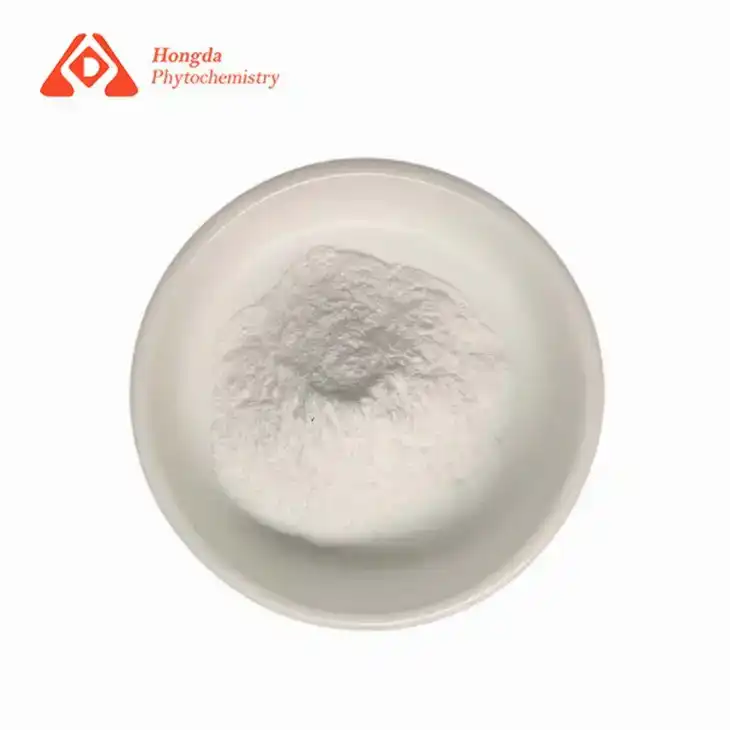
1. Change in appearance: Fresh taurine powder is typically white and crystalline. If you notice any discoloration, such as yellowing or browning, it may indicate degradation.
2. Clumping or caking: While some clumping can occur due to moisture exposure and doesn't necessarily mean the powder has expired, excessive clumping or hardening of the powder can be a sign of degradation.
3. Unusual odor: Pure taurine powder is odorless. Any strong or off-putting smell could indicate contamination or degradation.
4. Changes in taste: If you're familiar with the taste of your taurine supplement and notice a significant change, it might be a sign that the powder has expired.
5. Reduced effectiveness: If you've been using taurine regularly and suddenly notice a decrease in its perceived benefits, it could be due to a loss of potency.
Impact of expiration on effectiveness:
When taurine powder expires or degrades, several aspects of its effectiveness may be compromised:
1. Potency: The concentration of active taurine molecules may decrease over time, potentially reducing the supplement's effectiveness.
2. Bioavailability: Degradation can affect how well the body absorbs and utilizes the taurine, potentially diminishing its health benefits.
3. Safety: While expired taurine is not typically harmful, the introduction of contaminants over time could potentially cause adverse effects.
4. Efficacy of specific benefits: Different health benefits associated with taurine supplementation may be affected to varying degrees as the powder degrades.
Maximizing taurine powder longevity:
To ensure your taurine powder remains effective for as long as possible:
1. Adhere to proper storage guidelines, keeping the powder in a cool, dry place away from direct light.
2. Use airtight containers and consider adding desiccant packets to absorb moisture.
3. Purchase taurine powder from reputable sources that provide clear expiration dates and storage instructions.
4. Consider buying smaller quantities if you don't use taurine frequently, to ensure you're always using fresh powder.
5. Keep track of when you opened the container and how long you've had it, even if it's before the expiration date.
6. If in doubt about the quality or effectiveness of your taurine powder, it's safer to replace it with a fresh supply.
By being aware of the factors that can affect taurine powder's stability and effectiveness over time, you can make informed decisions about storage, usage, and when to replace your supplement. This awareness ensures that you're always getting the maximum benefit from your taurine supplementation regimen.
In conclusion, while light exposure is not the primary concern for taurine powder stability, proper storage practices are crucial to maintain its potency and effectiveness. By keeping taurine powder in a cool, dry place, protected from moisture and extreme temperatures, you can help ensure that it remains stable and effective throughout its shelf life. Always check for signs of degradation and adhere to expiration dates to maximize the benefits of your taurine supplementation.
Hongda Phytochemistry Co., Ltd. offers the advantage of direct production, allowing us to accept customized orders for both production and packaging. We understand the importance of meeting specific requirements, and our team is dedicated to delivering tailored solutions.
To ensure customer satisfaction, we provide free samples, allowing you to experience the quality of our products firsthand. Additionally, our commitment to innovation is evident through our new capsule production workshop, which enables us to customize capsule products according to your needs.
We actively participate in global Exhibitions, including prominent events such as European CPHI, European International Vitafoods, European Food Ingredients Exhibition FIE, Functional Food and Healthy Food Exhibition FFFI, American SSE, and more. This global presence highlights our dedication to staying at the forefront of the industry and connecting with customers worldwide.
Among our exceptional offerings is the Taurine Powder Bulk, which boasts numerous advantages worth exploring. For detailed information about this product or any other inquiries, please don't hesitate to Contact Us at duke@hongdaherb.com. We look forward to providing you with outstanding products and services that meet your unique requirements.
References:
1. Ripps, H., & Shen, W. (2012). Review: Taurine: A "very essential" amino acid. Molecular Vision, 18, 2673-2686.
2. Schaffer, S., & Kim, H. W. (2018). Effects and Mechanisms of Taurine as a Therapeutic Agent. Biomolecules & Therapeutics, 26(3), 225-241.
3. Waldron, M., Patterson, S. D., Tallent, J., & Jeffries, O. (2018). The Effects of Oral Taurine on Resting Blood Pressure in Humans: A Meta-Analysis. Current Hypertension Reports, 20(9), 81.
4. Oja, S. S., & Saransaari, P. (2007). Pharmacology of taurine. Proceedings of the Western Pharmacology Society, 50, 8-15.
5. Xu, Y. J., Arneja, A. S., Tappia, P. S., & Dhalla, N. S. (2008). The potential health benefits of taurine in cardiovascular disease. Experimental & Clinical Cardiology, 13(2), 57-65.
6. Seidel, U., Huebbe, P., & Rimbach, G. (2019). Taurine: A Regulator of Cellular Redox Homeostasis and Skeletal Muscle Function. Molecular Nutrition & Food Research, 63(16), e1800569.
7. Schuller-Levis, G. B., & Park, E. (2003). Taurine: new implications for an old amino acid. FEMS Microbiology Letters, 226(2), 195-202.
8. Ito, T., Schaffer, S. W., & Azuma, J. (2012). The potential usefulness of taurine on diabetes mellitus and its complications. Amino Acids, 42(5), 1529-1539.
9. De Luca, A., Pierno, S., & Camerino, D. C. (2015). Taurine: the appeal of a safe amino acid for skeletal muscle disorders. Journal of Translational Medicine, 13, 243.
10. Froger, N., Moutsimilli, L., Cadetti, L., Jammoul, F., Wang, Q. P., Fan, Y., ... & Picaud, S. (2014). Taurine: The comeback of a neutraceutical in the prevention of retinal degenerations. Progress in Retinal and Eye Research, 41, 44-63.