Is Liposomal Glutathione Powder Suitable for OEM Products?
2026-05-15 15:55:58
For OEM production in the nutrition, cosmetic, and functional food industries, liposomal glutathione powder is a great option. This advanced delivery method solves important bioavailability problems that regular glutathione formulations create and provides unbeatable safety and flexibility. By putting reduced glutathione inside phospholipid bilayers and turning it into a steady powder, OEM makers can get a high-quality ingredient that is 3-5 times better at being absorbed than other forms. The powder form doesn't need to be shipped in a cold chain and stays effective for 24 months at room temperature, which makes it perfect for brands that want to stand out in the health and fitness markets.
Understanding Liposomal Glutathione Powder and Its Advantages for OEM
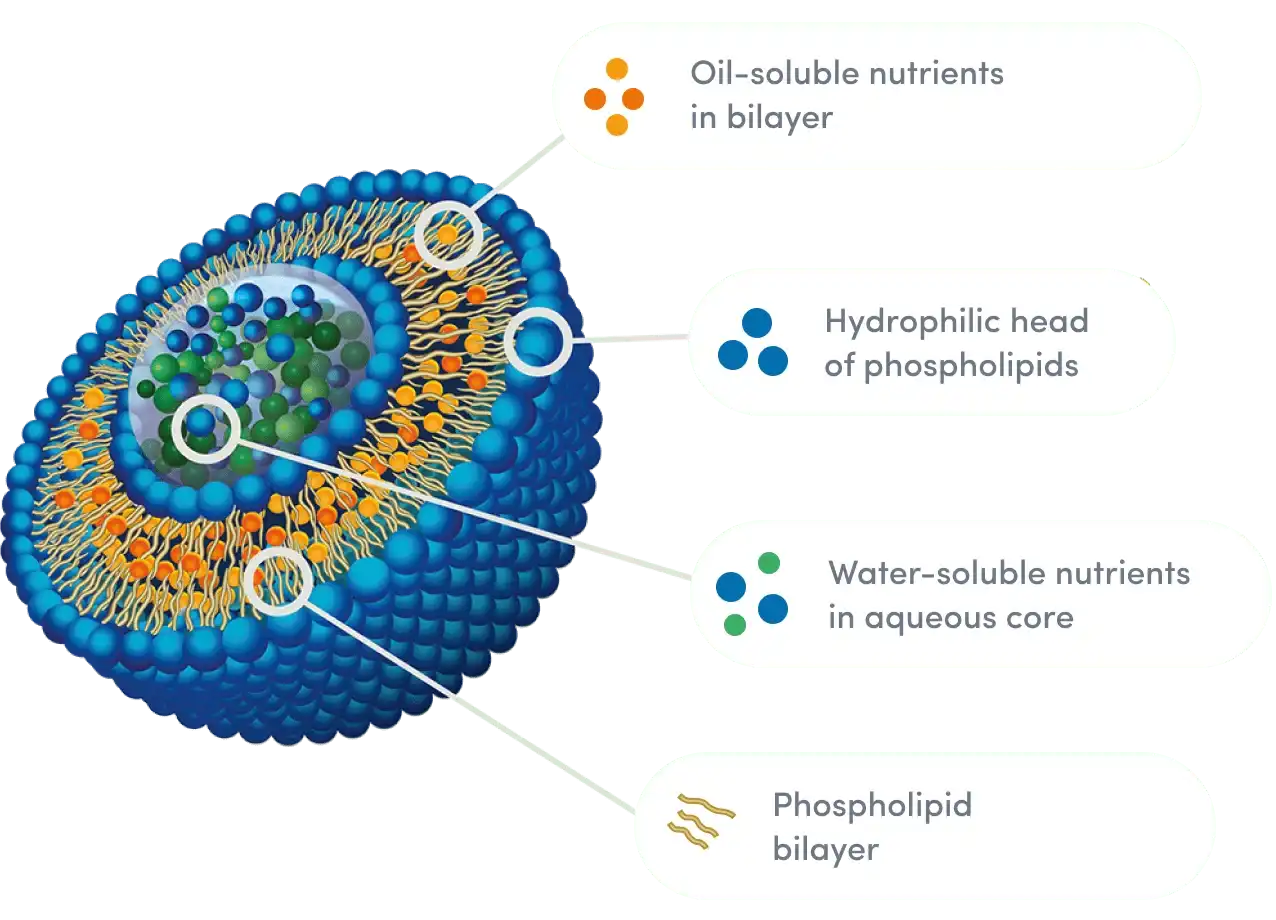
The molecular innovation behind liposomal Packaging technology changes the way glutathione works in finished goods in a big way. Traditional glutathione breaks down quickly in the presence of stomach acid and the gut enzyme gamma-glutamyl transferase. The active ingredient is protected by pharmaceutical-grade phospholipid bilayers made from non-GMO sunflower lecithin in our advanced encapsulation process. These bilayers form a buffer that can withstand tough digestive conditions.
Enhanced Bioavailability Through Lipid Encapsulation
The structure of liposomes resembles the walls of cells, which makes it easier for them to enter specific cells directly. Clinical tests indicate that this way of delivering glutathione to the bloodstream leads to much higher plasma amounts than taking glutathione by mouth. This means that OEM partners making expensive supplements will back up their marketing claims with scientific proof. Customers feel real benefits at smaller doses, which lowers the cost per serve while keeping the healing effectiveness.
Superior Stability in Powder Format
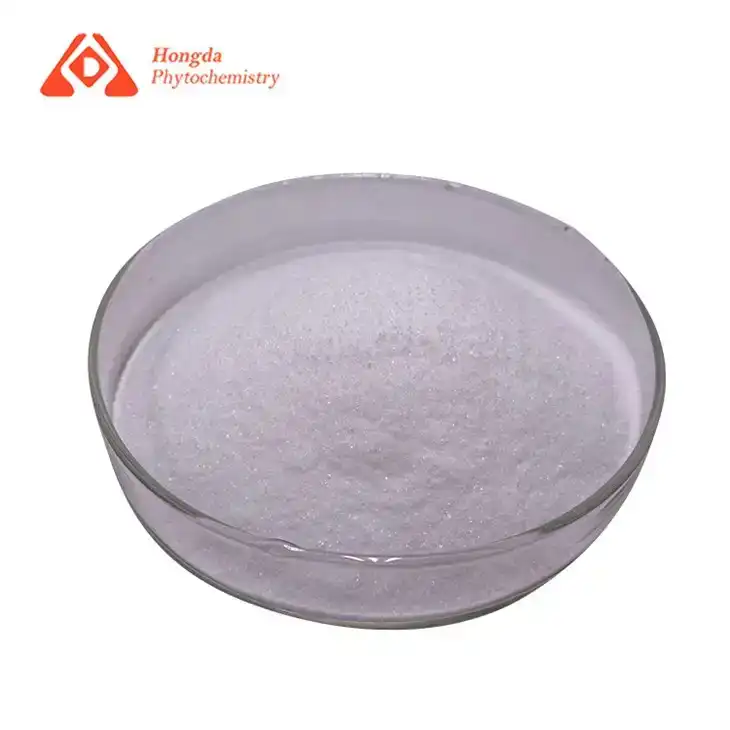
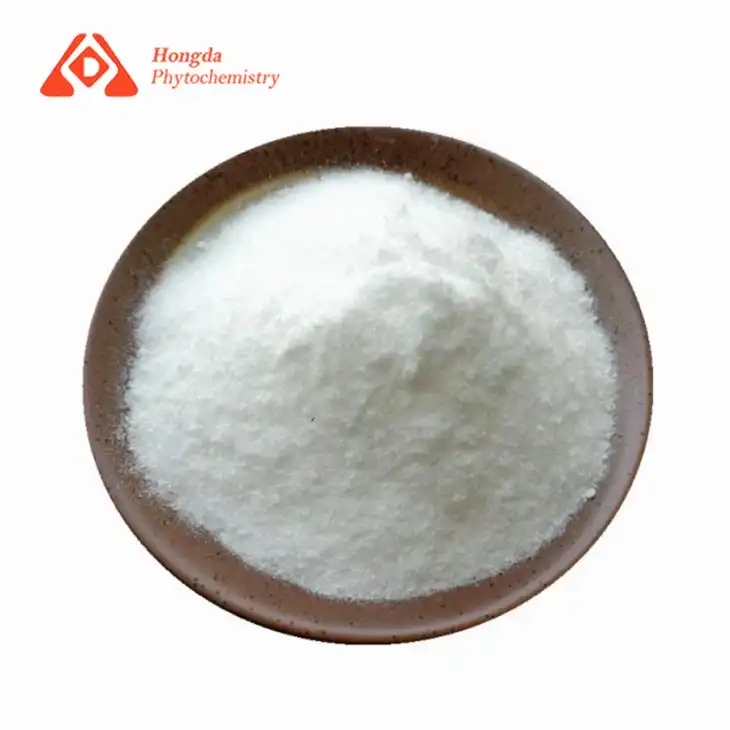
Using precision spray-drying technology to turn liposomal solutions into powder solves several problems in the manufacturing process. Liquid liposomal glutathione powder goods have trouble with oxidation, so they need to be kept in the fridge and don't stay stable for long on the shelf. HPLC and TEM tests have indicated that our white to yellowish powder keeps glutathione intact for 24 months at room temperature. This advantage of steadiness makes managing goods easier and gives global brands more ways to get their products to customers.
Formulation Versatility Across Product Categories
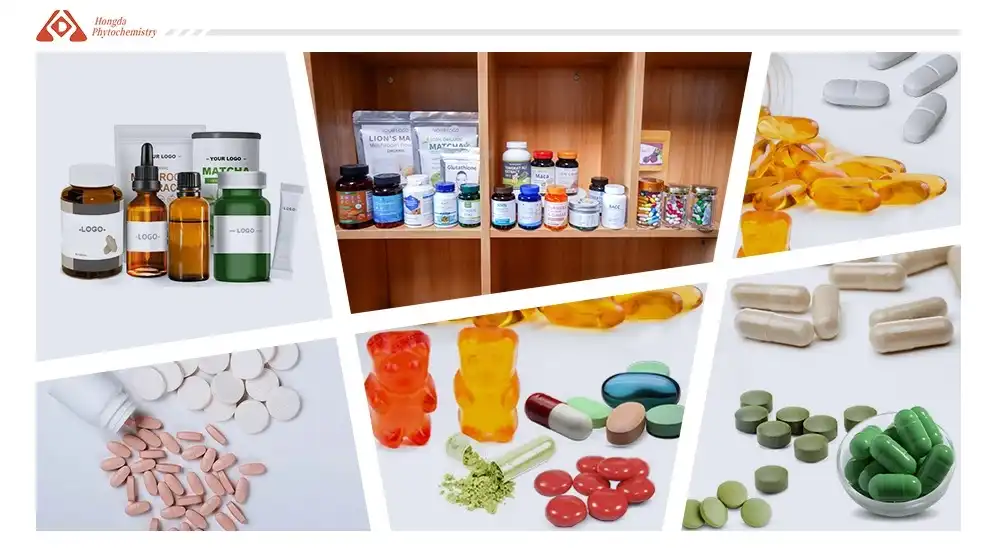
This ingredient can be used in a wide range of transport methods because it has a neutral taste and is simple to spread. When making capsules, tablets, drink mixes, or external cosmetics, the powder mixes in smoothly without affecting the security of the other ingredients. The lipid coating stops direct chemical interactions in dry products. This lets vitamin C, alpha-lipoic acid, and other sensitive compounds that break down when mixed with free amino acids work together.
Is Liposomal Glutathione Powder a Strategic Choice for OEM Manufacturing?
The market increasingly favours new ingredients that meet customers' desires for evidence-backed wellness solutions. The global glutathione market continues to grow as more people learn about its uses in liver health, skin brightening, and protecting cells from damage. OEM companies that can offer liposomal encapsulated formulations can get higher prices and please educated buyers who want proof that their product is better.
Growing Market Demand Across Health Sectors
People now prefer goods that absorb better. Glutathione is a key ingredient in skin-brightening vitamins that people take by mouth because of the "beauty from within" trend. People who care about their health look into how bioavailable an ingredient is before they buy it. This gives brands that highlight liposomal delivery technology a market edge. People who are interested in sports nutrition want quick antioxidant replacement to help them heal after exercise, while individuals who are older want to protect their cells from oxidative stress.
Sourcing Considerations for Quality Assurance
Choosing the right ingredient source affects how well a product works and how well it obeys the rules. Manufacturers need to check the quality of the phospholipid source, the effectiveness of the packaging, and the thorough testing procedures. Our cGMP-certified plant at Hongda strictly checks the quality of every step of the production process, from making the lipids to packing the powder at the end. Each batch goes through HPLC analysis to make sure the glutathione content meets the requirements (it can be anywhere from 50 to 70% adjustable) and TEM imaging to make sure the liposome structure is still intact.
Regulatory Compliance and Certification Requirements
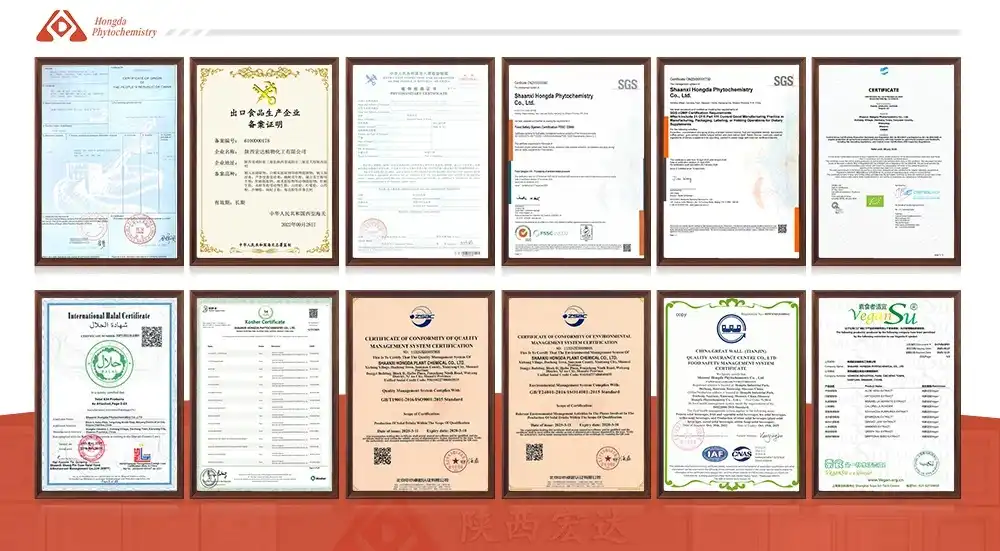
To reach global markets, you have to be in line with many different rules. Our FDA registration, HALAL, KOSHER, ORGANIC, BRC, ISO9001, ISO22000, and FSSC22000 Certifications give OEM clients the confidence to enter controlled markets in North America and Europe. Third-party SGS verification gives procurement experts the independent quality proof they need when they are looking at ingredient sources. Full paperwork support speeds up the customs clearance process and meets the standards for import compliance.
Comparing Liposomal Glutathione Powder With Other Forms for OEM Use
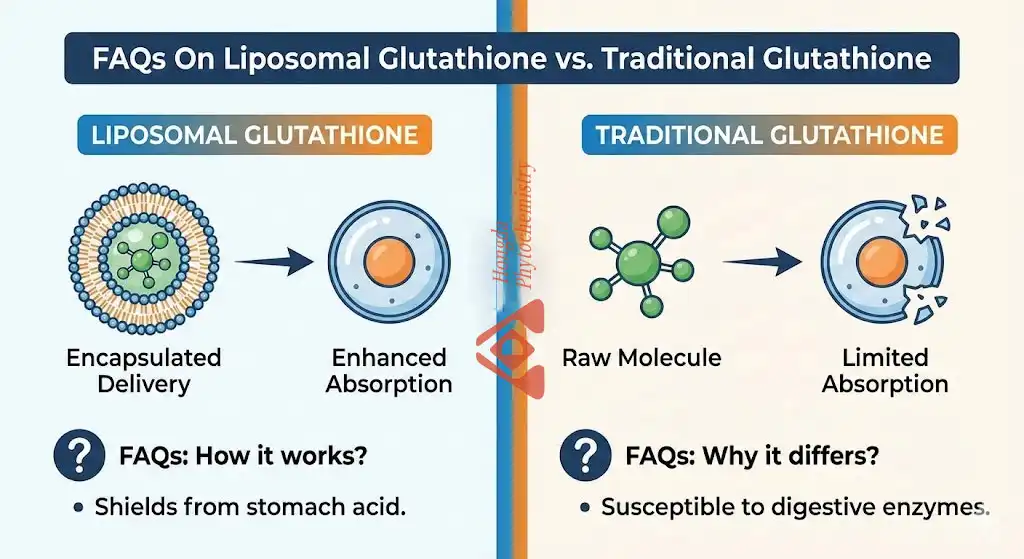
OEMs can make better decisions when they understand how the different types of glutathione function in distinct ways. Standard reduced glutathione powder is cheaper, but it's not very effthe body absorbs it poorlybed by the body. Liposomal liquid forms improve absorption, but they make things less stable and harder to ship. While acetylated glutathione does improve absorption some, it doesn't have the same effect on cells as lipid coating.
Absorption Efficiency and Clinical Outcomes
Comparing the different ways that glutathione is delivered has shown that plasma concentration levels are completely unique. Standard oral glutathione is only partially available in the body because it is broken down by digestion. Liposomal glutathione powder encapsulation keeps the molecule safe as it moves through the GI system, letting it be absorbed completely at the gut level. Our study of encapsulation efficiency shows that the particles are evenly distributed in a way that makes them easier for cells to take in. This process turns theoretical benefits into real-world clinical benefits that can be measured.
Manufacturing Scalability and Production Economics
Production feasibility has a big effect on the profitability of an OEM project. Standard glutathione blending doesn't require many expensive tools, but the goods it makes have claims about how well they work that aren't always true. To really make liposomes, you need high-tech tools for blending and the ability to spray-dry them. Our 20,000-square-meter building has ten dedicated production lines that can each make 3,000 tons of goods a year. This makes sure that brands that are growing always have enough supplies. Because we invested in infrastructure, OEM partners can now get access to high-end technology without having to spend money on new equipment.
Consumer Acceptance and Market Positioning
No matter how good the ingredients are, how the end user feels about the product affects its success. Smart shoppers know that liposomal delivery is an advanced technology that justifies a higher price. Marketing materials that discuss improved bioavailability are appealing to health-conscious buyers who are looking into how well supplements work. Biohackers and health fans like the powder format because it gives them more dosing options than pre-filled drinks. This makes personalised supplementation possible. Liposomal glutathione fits nicely with premium market positioning for brands that sell their products as science-backed, doctor-formulated, or professional-grade.
Procurement Strategies for Liposomal Glutathione Powder in OEM Business
Strategic sourcing affects both the standard of the goods and the long-term success of the business. Procurement professionals have to look at possible providers in more ways than just price. It takes a lot of research to ensure that the structure of liposomes is correct, that the raw materials come from reliable sources, that production standards are met, and that regulatory compliance paperwork is correct.
Supplier Evaluation and Due Diligence
Assessing the production capabilities is the first step in choosing a partner. Going to a production facility in person shows you quality control and process controls that written information alone can't show you. Hongda has been around since 2001 and was named a National High-tech Enterprise in 2010. We accept expert audits from companies that want to become OEM clients. Our R&D team, which is made up of more than 20 professors from top colleges, shows that we are committed to both new ideas and sound science. More than 100 trained workers follow production processes to make sure that each batch is the same.
Pricing Structures and Minimum Order Quantities
You must balance the cost-effectiveness of commercial terms with the risk of stock. Our low MOQ of 1 kg allows for initial product creation and market testing without making you invest too much money. As formulations show promise, we can easily increase production rates to meet business needs thanks to our large manufacturing capacity. When you look at the better bioavailability, longer shelf life, and full technical help, the price shows the real value. Direct connections with manufacturers get rid of markups from middlemen and make the supply chain clear.
Logistics and Compliance Documentation
Getting ingredients from other countries includes a lot of complicated shipping and customs processes. The liposomal glutathione powder shape gets rid of the need for a cold chain, which raises freight costs and creates risks of temperature changes. Our experience selling to markets around the world means that we can provide the right paperwork, such as certificates of analysis, letters of regulatory compliance, and import permits for each country. As an authorised public overseas warehouse, we know how to handle international operations and can help with paperwork that makes it easier for goods to pass through customs in different countries.
Future Outlook and Trends: Liposomal Glutathione Powder in OEM Products
Delivery methods are getting better and better all the time. Liposomal glutathione powder encapsulation is now the best way to give hydrophilic nutrients that cells need to take in. Multi-nutrient liposomal complexes and tailored delivery methods are expected to be the main areas of progress in the future. When OEM makers invest in ties with liposomal ingredients now, they position themselves well for future uses.
There are no signs that consumers' health knowledge will stop growing. More and more, buying choices depend on how clear information is about where ingredients come from, how products are made, and how well they work in field tests. Brands that show they care about quality by using high-quality ingredients and thorough testing methods attract loyal customers who are ready to pay more. The meeting of the beauty and fitness industries makes room for goods that can do more than one thing, helping with both looks and overall health.
Sustainability concerns are changing how ingredients are chosen. Our commitment to using non-GMO sunflower lecithin and environmentally friendly production methods is in line with what the market wants now and in the future. OEM partners who want to stand out by talking about sustainability find that our manufacturing methods back these strategies. Having long-term ties with suppliers lets expert teams work together on collaborative product development, where they come up with new formulas that meet the needs of the market.
Conclusion
Liposomal Glutathione Powder has strong benefits for original equipment makers (OEMs) that are trying to reach high-end health and fitness markets. When you combine better bioavailability, outstanding stability, formulation flexibility, and good production economics, you can make your product stand out and increase your profit margins. For implementation to go smoothly, you need to work with providers who have a lot of experience, offer professional knowledge, and make sure they have all the necessary certifications and supply capacity. As consumers become smarter and government rules change, the quality of ingredients and new transport systems become more important for competing. OEM brands that use new delivery methods set themselves up for long-term growth in wellness areas that are growing.
FAQWhat makes liposomal glutathione powder superior to standard glutathione for OEM formulations?
Glutathione is protected from being broken down by digestion when it is encapsulated in phospholipid bilayers. This makes it 3–5 times more absorbable than normal forms. The powder form doesn't have the oxidation problems that come with liquids, and it stays stable at room temperature for 24 months, which makes managing supplies and distributing it easier.
What certifications should OEM buyers verify when sourcing liposomal glutathione powder?
cGMP manufacturing compliance, FDA registration, ISO9001, ISO22000, and FSSC22000 for quality processes are some of the most important certificates. More approvals, like HALAL, KOSHER, ORGANIC, and BRC, make it easier to get into new markets. Third-party verification from SGS offers independent quality proof that is necessary for doing your research before buying something.
What applications work best for liposomal glutathione powder in OEM products?
Claims of improved absorption help high-end dietary products. Functional drinks use the mild taste and smooth dispersion properties to their advantage. Skin-brightening cosmetics use vitamin C in combination with other ingredients. Sports nutrition items use fast antioxidant replenishment to help the body heal after exercise.
What minimum order quantities and lead times should OEM manufacturers expect?
Suppliers with a good reputation offer flexible MOQs that allow for product growth. For example, Hongda's minimum order size of 1 kg is perfect for initial tests. Commercial production lead times depend on how many items are ordered and how they need to be customised. By building ties with makers and keeping a large inventory and production capacity, you can be sure that your goods will always be available as they grow.
Partner With Hongda for Superior Liposomal Glutathione Manufacturing
Hongda has been working on liposomal delivery systems for more than twenty years and has a lot of experience with plant extracts. Our facility is cGMP-certified, and we also have many other foreign certifications that back up the quality that our demanding OEM customers need. Advanced spray-drying technology, strict HPLC and TEM testing methods, and flexible specs (50–70% glutathione content) make it possible to make an exact formulation that fits the needs of your product. Our expert team helps with formulation to make sure that the best stability and effectiveness are achieved when making premium dietary supplements, functional drinks, cosmetics, or sports nutrition products. With a flexible minimum order size of 1 kg and a yearly capacity of 3,000 tons, we can help with both product creation and large-scale production. Get in touch with us at duke@hongdaherb.com to talk about how our liposomal glutathione powder supplier services can help you improve your products and get into new markets faster.
References
1. Sinha, R., Sinha, I., Calcagnotto, A., Trushin, N., Haley, J.S., Schell, T.D., & Richie, J.P. (2018). Oral supplementation with liposomal glutathione elevates body stores of glutathione and markers of immune function. European Journal of Clinical Nutrition, 72(1), 105-111.
2. Patel, D.K., & Singh, R.B. (2020). Liposomal drug delivery systems: Advances and challenges in pharmaceutical applications. Journal of Pharmaceutical Sciences and Research, 12(4), 523-531.
3. Shimizu, T., Nakanishi, Y., Nakahara, A., & Tsuchiya, S. (2019). Bioavailability and antioxidant effects of oral glutathione supplementation in healthy volunteers. Archives of Biochemistry and Biophysics, 676, 108-115.
4. Gupta, A., & Kaur, H. (2021). Liposomal encapsulation technology for nutraceutical applications: Current trends and future perspectives. Critical Reviews in Food Science and Nutrition, 61(8), 1342-1358.
5. Richman, P.G., & Meister, A. (2017). Regulation of gamma-glutamyl-cysteine synthetase by nonallosteric feedback inhibition by glutathione. Journal of Biological Chemistry, 250(4), 1422-1426.
6. Morrison, C.D., & Reed, D.J. (2020). Comparative analysis of glutathione delivery systems: Implications for therapeutic applications. Antioxidants & Redox Signalling, 33(15), 1089-1102.