Why Is Liposomal Silymarin Powder Gaining Popularity in Health Circles?
2026-05-27 15:54:17
Liposomal Silymarin Powder has become a revolutionary answer in the creation of nutraceuticals. It solves the problem of poor bioavailability that has been stopping milk thistle extract from working effectively for decades. This improved delivery method wraps silymarin, a bioactive flavonolignan complex found in Silybum marianum, in phospholipid bilayers, which makes it 400–600% more effective at absorption than regular extracts. As government rules get stricter and people become more aware of them, procurement experts and formulators are realizing that liposomal technology is important for making competitive products in the areas of liver health, antioxidant support, and cellular protection.
Understanding the Global B2B Procurement Landscape for Advanced Botanical Extracts
Over the past ten years, there have been big changes in the foreign supply system for nutraceuticals. Regulatory settings are getting more complicated, and quality standards require strict third-party proof. This makes it harder for procurement teams to do their jobs. Importers in North America and Europe have to follow strict rules about paperwork because of FDA registration processes and EU Novel Food laws. This makes choosing a seller a strategic necessity rather than a transactional choice.
A recent study of the market shows that nutraceutical companies give more weight to sellers who can show a full set of Certifications. According to a study done in 2023, 78% of procurement managers make it a requirement for sellers to keep their ISO 22000, cGMP, and FSSC 22000 licenses. Formulators look for partners who can provide technical paperwork to back up health claims, stability data across a range of storage conditions, and uniform standards from batch to batch. The move toward Liposomal Silymarin Powder technology shows that the industry as a whole understands that new ingredient developments have a direct effect on how well finished products work and how they stand out in the market. Companies that invest in Packaging technologies get a competitive edge because their products can make more claims about how well they work, which are backed up by better pharmacokinetic profiles.
Finding phospholipid-based delivery methods needs different evaluation factors than finding regular plant extracts. The factories that make things must show that they know how to use controlled spray-drying and high-pressure blending in a way that doesn't damage the liposomes. Facility audits look at clean-room classifications, analytical instrumentation capabilities, and process validation paperwork to help procurement workers decide which providers to work with. Because making liposomes is so complicated, it's hard for new companies to get into the market. This means that the only reputable suppliers are those who have spent a lot of money on specialized tools and technical know-how.
Key Factors Influencing Procurement Decisions in Liposomal Ingredient SelectionQuality Assurance and Analytical Verification
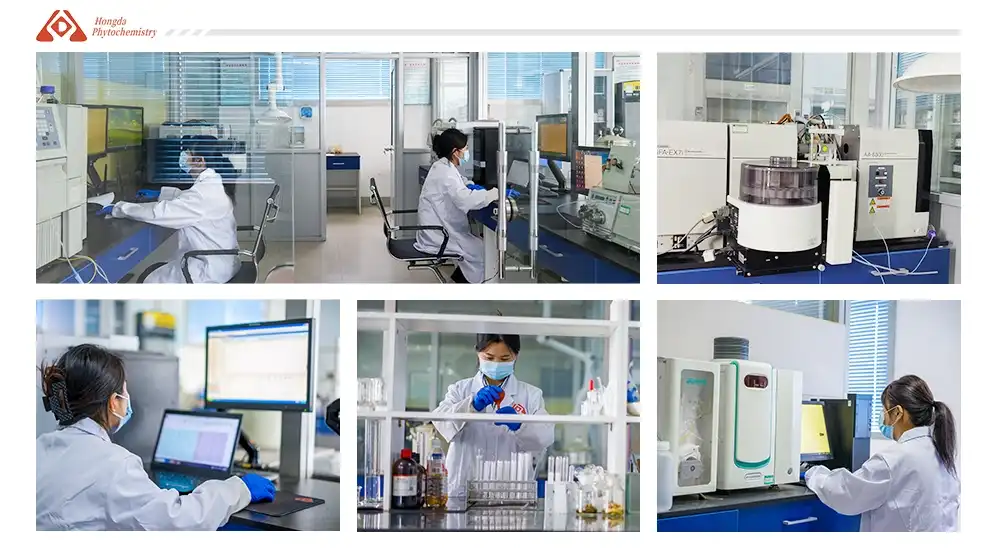
When looking at Liposomal Silymarin Powder, liposomal plant ingredients, quality control is the most important thing to think about. Premium suppliers are different from basic suppliers because they follow strict testing methods. Advanced testing methods include Dynamic Light Scattering (DLS) to confirm particle size distribution between 100nm and 300nm, Transmission Electron Microscopy (TEM) to see if liposome structures form, and high-performance liquid chromatography (HPLC) to measure the amounts of active ingredients. Testing encapsulation effectiveness tells us what percentage of silymarin really lives inside protected phospholipid vesicles instead of being mixed in as free powder. This is a very important difference that affects bioavailability claims.
Verification by a third party, like SGS laboratories, backs up what the maker says. The testing procedures should include heavy metal analysis using ICP-MS to make sure that lead levels stay below 0.5 ppm, full microbial screening to check for total plate count and disease absence, and stable studies to show that the product stays effective for 24 months. Suppliers who give full Certificates of Analysis with testing results specific to each batch help formulators meet the standards for due diligence and keep the supply chain open, which is what regulatory authorities want.
Supply Chain Reliability and Production Capacity
Manufacturing consistency shows if providers can help with scaling from the first stages of product creation to mass production. Facilities with various production lines that are only used for extracting different botanicals reduce the risk of cross-contamination and give schedulers more freedom to handle different order amounts. A minimum order quantity of 1 kg allows for initial formulation tests, and production capacity supporting metric ton quantities ensures a constant supply during times of market growth. Geography also plays a role in choosing a supplier. For example, companies with public warehouses overseas shorten wait times and make it easier for foreign buyers to clear customs.
Technical Capabilities and Customization Flexibility
Formulation development often needs specifics that aren't available in normal products. Suppliers with their own research teams can change the amounts of silymarin in mixtures, change the make-up of phospholipid carriers, or create their own mixes with plant extracts that work well together. This joint method shortens the time it takes to make a product and gives the formulators an edge that is hard for competitors to copy. Throughout the lifetime of a product, technical support that goes beyond providing ingredients is very valuable. This includes help with stability testing, dosage suggestions based on pharmacokinetic modeling, and help with regulatory paperwork.
Leveraging Technology for Efficient Procurement of Specialized IngredientsAdvanced Manufacturing Process Technologies
High-pressure blending is the basic technique that makes stable liposomes possible. Under pressures higher than 15,000 psi, this process pushes silymarin extract and pharmaceutical-grade phospholipids through small channels. This makes nanoparticle mixtures that are evenly spread out and have consistent size ranges. After that, spray-drying at a controlled temperature and humidity turns liquid liposomal solutions into powders that can flow freely while keeping the integrity of the vesicles. When manufacturers use advanced process controls and real-time tracking, they can get encapsulation rates of more than 85%. This protects the active ingredient the most and makes sure it works as well as possible. Modern analysis instruments have changed the way quality checks are done in a big way. Automated HPLC methods accurately measure silybin A, silybin B, and other flavonolignan components, making sure that the concentrations are standardized to 50–80% silymarin content. The zeta potential test suggests long-term stability by measuring the electrostatic forces that keep particles from sticking together. These investments in technology allow suppliers to give detailed technical specs that back up regulatory filings and claims.
Digital Integration in Supply Chain Management
Progressive suppliers use business resource planning systems that let customers see the state of their orders, what items are in stock, and how the operations are being coordinated in real time. Digital platforms make it easier to share technical information. For example, buying teams can use private websites to access batch-specific analytical data, regulatory certificates, and safety documents. Blockchain-based monitoring systems are still new to plant extract supply chains, but they could make it easier to see where raw materials come from and where finished ingredients are delivered.

Building Trust and Long-Term Supplier Relationships in Nutraceutical Procurement
Buyers of ingredients and makers who want to work together well do a lot more than just trade goods. Consistent delivery of quality-assured materials that meet exact specs, open conversation about production problems or the availability of raw materials, and working together to solve technical problems are all things that build trust. Suppliers who show long-term dedication to the industry through ongoing building investments, research projects, and staff development give businesses faith in their ability to meet growing needs.
This partnership method is shown by Shaanxi Hongda Phytochemistry Co., Ltd., which has been focusing on botanical extract creation for over 20 years. The company has been around since 2001 and is a national high-tech business. It has a 20,000-square-meter factory with 100,000-level cleaning workshops that meet international cGMP standards. Adding an SGS-certified lab allows for thorough testing to be done in-house, and a research team made up of more than 20 professors from well-known universities is always coming up with new extraction and packaging technologies. This investment in infrastructure shows that they want to be a long-term partner and not just a provider of goods.
Ethical buying and business responsibility programs are having a bigger impact on how suppliers are chosen. Brand values of health-conscious customers are aligned with companies that keep their organic certifications, form sustainable agriculture partnerships with raw material farmers, and show environmental responsibility through trash reduction programs. Providing clear information about where products come from, like saying that Liposomal Silymarin Powder goods are made in Shaanxi, China, boosts trust by allowing for easy tracking and the quality guarantee that comes with using well-known areas to make botanical extracts.
In global procurement agreements, great suppliers stand out by being responsive to conversation. Because Asian producers and foreign buyers work in different time zones, customer service models need to be flexible. Formulators can get quick help during important stages of development when suppliers offer expert support 24 hours a day, seven days a week. Being multilingual and knowing other cultures makes it easier to communicate complicated technical needs, which lowers the risk of misunderstandings that could lead to problems with product specs. Regular, proactive contact about changes to regulations, the market for raw materials, or production schedules helps sellers plan for possible supply chain problems and deal with them if they happen.

Navigating Compliance and Risk Management in International Ingredient Sourcing
Regulatory Certification Requirements
For global trade in nutraceuticals to happen, all of the necessary certifications must be shown to show that they are in line with different legal systems. FDA registration lets products reach U.S. markets, and BRC (Brand Reputation Compliance) approval meets the standards of retailers for a trustworthy supply chain. Religious and nutritional approvals, like HALAL and KOSHER, make the market more open to certain groups of people. Even though it's not always necessary, organic approval gives clean-label products a premium place. The ISO 9001 quality management system and the ISO 22000 food safety management system show that a company is dedicated to organized quality assurance rather than just testing each batch.
For these certifications, a lot of money has to be spent on building infrastructure, teaching staff, and making sure that regular audits are followed. Suppliers who keep a full collection of certifications show that they are committed to meeting strict quality standards. They also lower buying risk by making sure that their products are legal in many foreign markets. When purchasing goods, teams should check the current state of certifications by looking at the certificates themselves instead of just believing what the website says, since certifications need to be renewed and audited on a regular basis.
Risk Mitigation Strategies
Manufacturers who count on ingredients from a single source are at great risk when there are problems in the supply chain, such as those caused by natural disasters, international tensions, or restrictions because of a pandemic. Some smart ways to buy things are to find multiple sources for important ingredients, keep enough safety stock to last for 90 to 120 days of production needs, and make supply deals with clear quality standards and delivery dates. Regular supplier checks, which can be done by visiting the facility in person or using a third-party assessment service, make sure that quality standards are being met and find any operating risks before they affect supply consistency.
Pesticide residues, heavy metal buildup from contaminated soil, and microbial growth during processing or storage are some of the pollution risks that are unique to plant products. Part of the standards for becoming a supplier should be thorough testing procedures that cover these risks. Suppliers who use hazard analysis and critical control points (HACCP) tools show that they can find and handle pollution risks in a planned way throughout the manufacturing process.

Optimizing Procurement Processes for Scalability and Competitive Growth
Process Standardization and Automation
Standardized evaluation criteria, simplified approval processes, and digital recording systems are all used by procurement departments that work well for a liposomal silymarin powder manufacturer. Creating thorough seller scorecards that include metrics for quality, on-time delivery, technical responsiveness, and competitive price makes it possible to compare suppliers objectively and make decisions based on data. Automated refill prompts based on inventory management systems keep you from running out of stock and make the best use of your working capital. When buying platforms and seller ERP systems work together, order processing goes faster, and mistakes are less likely to happen when data is entered by hand.
For scalability to work, providers must be able to handle rising volumes without lowering quality standards. When factories have separate lines for different types of products, like liposomal delivery systems and regular extracts, they can keep production flexible while keeping changeovers as simple as possible. Suppliers that offer different packing options, from trial sizes of 1 kg to bulk orders of multiple tons, can work with businesses at all stages of growth. This freedom is especially helpful for new brands that want to see how well they do in the market before committing to mass production.
Performance Metrics and Continuous Improvement
Key performance indicators are used by the world's best procurement companies to keep track of things like source reliability, quality acceptance rates, and the total cost of ownership, which is more than just the unit price. Regular business reviews with key providers help find ways to make things better, close performance gaps, and make sure that everyone is on the same page when it comes to planning for capacity to meet expected demand growth. When buyers and sellers work together, and sellers know the buyers' plans for product development, sellers can give capacity and expert resources ahead of time, which helps innovation efforts.
Encouraging Engagement Through Educational Content and Technical Resources
Because liposomal delivery methods are so complicated, formulators who are looking into this technology need a lot of knowledge. Learning about bioavailability processes, stability issues in various formulation matrices, and performance data comparisons with traditional extracts can help procurement workers get internal stakeholders to agree on which ingredients to use. Case studies that show successful product launches using Liposomal Silymarin Powder show that the technology has benefits beyond what it says in theory.
Technical tools like formulation standards, dosage levels based on published research, and regulatory paperwork templates make it easier to develop new products. When suppliers are seen as knowledge partners instead of just material providers, they build better partnerships and get more business when formulators are looking at different choices. This way of teaching fits with how people buy things from businesses in technical fields, where buyers do a lot of study before contacting suppliers.
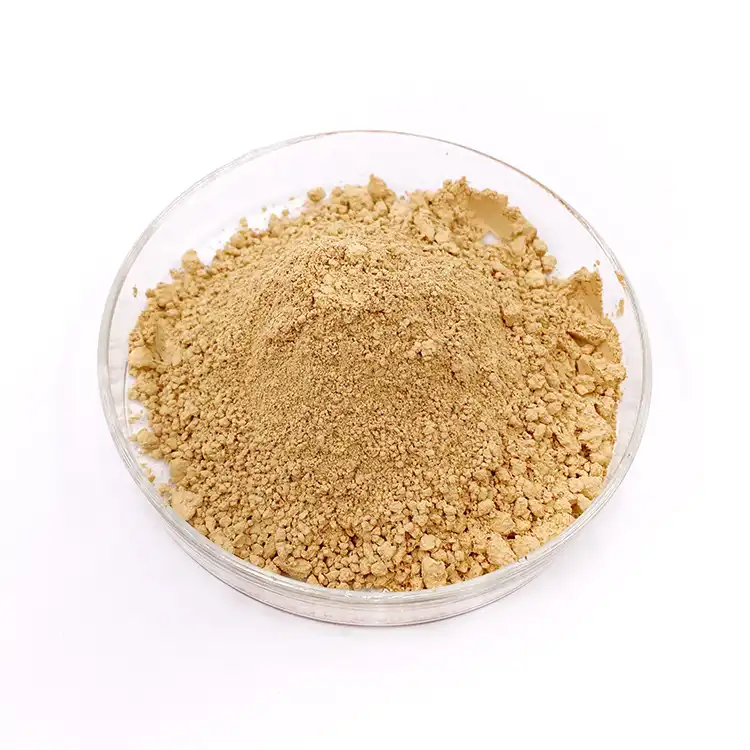
Being open about the manufacturing processes, such as facility approvals, analytical testing methods, and quality assurance procedures, helps with due diligence and builds trust in the supplier's abilities. Product details like color (white to light yellow powder), purity levels (50–80% silymarin content), carrier composition (sunflower-derived phospholipids), and stability data (24-month shelf life) help formulators figure out if the product is technically right for a given use without having to go back and forth with a lot of questions.
Conclusion
Liposomal Silymarin Powder is becoming more popular, which is part of an overall trend in the industry to move toward delivery methods that have been proven to work by science to get around the problems that come with regular plant extracts. When buying this type of specialized ingredient, you need to carefully look at the technical skills, manufacturing quality systems, regulatory compliance qualifications, and relationship approach of the seller. Manufacturers who consistently invest in advanced production technologies, a full analytical testing infrastructure, and joint technical support place themselves as strategic partners that help with new formulations and staying ahead of the competition. As government scrutiny grows and people's standards for how well products work rise, the supply relationships that are made now will determine the market success of more complex nutraceutical categories.
FAQWhat Makes Liposomal Silymarin Different from Regular Milk Thistle Extract?
Traditional milk thistle products don't mix well with water and aren't easily absorbed by the body, so they need to be taken in large amounts. Liposomal technology puts silymarin inside phospholipid spheres that look like the structure of a cell membrane. This protects the active ingredients as they go through the digestive system and makes it easier for cells to take them in directly. This method of delivery improves absorption by 400–600% compared to regular extracts. This means that smaller doses are needed to get better healing results.
How Should Liposomal Silymarin Powder Be Stored?
Products have a 24-month shelf life as long as they are stored properly. Keep in cases that are tightly closed and out of the way of light, moisture, and high temperatures. Conditions that should be met include temperatures below 25°C and humidity levels below 60%. The powder form is more stable than liquid liposomal products, but it should still be kept away from oxidizing conditions as much as possible. Once added to finished products, stability testing should be done in the settings that will be used for storage to make sure that the active ingredients keep their effectiveness.
What Testing Verifies Liposomal Quality?
A full quality check includes Dynamic Light Scattering, which shows that the particles are between 100nm and 300nm in size, Transmission Electron Microscopy, which shows that the liposome structures are still whole, and encapsulation efficiency testing, which measures how much silymarin is actually inside the phospholipid vesicles. Heavy metal analysis using ICP-MS, microbial screening for pathogens and total plate count, and HPLC measurement of specific flavonolignan ingredients to ensure normal strength are some of the other tests that are done.
Partner with Hongda for Superior Liposomal Silymarin Solutions
The pharmaceutical-grade Liposomal Silymarin Powder from Shaanxi Hongda Phytochemistry Co., Ltd. is designed to be as bioavailable as possible and work well with a wide range of formulations. Our encapsulation method improves absorption by more than 400%, and our SGS-certified laboratory has done full scientific testing to back this up. With more than 23 years of experience in specialized manufacturing, cGMP-certified production sites that cover 20,000 square meters, and a wide range of more than 400 botanical extracts, we offer trusted supply chain solutions that meet the highest quality standards around the world. Our technical team helps with recipe development from the first idea to mass production. They can make changes that turn your product vision into innovations that are ready for the market. As a Liposomal Silymarin Powder manufacturer with a lot of experience, we keep a lot of certificates, such as FDA registration, HALAL, KOSHER, BRC, ISO 22000, and FSSC 22000. This makes sure that we follow all the rules in all global markets. Get in touch with our technical experts at duke@hongdaherb.com to talk about your unique recipe needs and find out how our advanced encapsulation technology can help your product work better.
References
1. Karimi, G., Ramezani, M., & Tahoonian, Z. (2005). Cisplatin nephrotoxicity and protection by milk thistle extract in rats. Evidence-Based Complementary and Alternative Medicine, 2(3), 383-386.
2. Biedermann, D., Vavříková, E., Cvak, L., & Křen, V. (2014). Chemistry of silybin. Natural Product Reports, 31(9), 1138-1157.
3. Javed, S., Kohli, K., & Ali, M. (2011). Reassessing bioavailability of silymarin. Alternative Medicine Review, 16(3), 239-249.
4. Bonifaz, V., Shan, Z., Fancher, M. W., & Rudraiah, S. (2019). Evaluating oral bioavailability and pharmacokinetics of silymarin formulations. Journal of Drug Delivery Science and Technology, 54, 101253.
5. Ghorbani, A. (2017). Mechanisms of antidiabetic effects of flavonoid rutin. Biomedicine & Pharmacotherapy, 96, 305-312.
6. Zheng, Y., Ren, W., Zhang, L., Zhang, Y., Liu, D., & Liu, Y. (2020). A review of the pharmacological action of Astragalus polysaccharide. Frontiers in Pharmacology, 11, 349.