Why Is Liposomal Iron Powder Popular in Nutraceutical Formulations?
2026-06-25 16:55:21
Liposomal iron powder is quickly becoming popular in nutraceutical recipes thanks to its innovative capsule technology, which solves problems that have been present for a long time with traditional iron supplements. This advanced delivery method gets iron absorbed 3.5 to 5 times faster than regular iron salts while almost completely removing stomach pain. It does this by wrapping iron in phospholipid bilayers. Liposomal iron powder is a scientifically proven option that meets the needs of procurement managers, research and development teams, and formulators who want to use high-quality ingredients that are both effective and safe for consumers. It is backed by strong clinical proof and regulatory compliance across global markets.
Understanding Liposomal Iron Powder and Its Unique Properties
What Sets Liposomal Technology Apart?
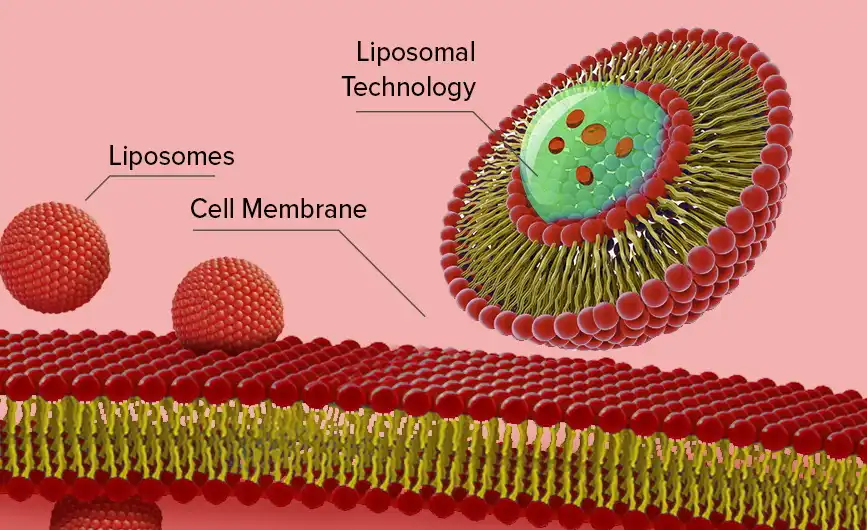
The clever way that Liposomal Iron Powder is encapsulated is what makes it so innovative. Using supramolecular chemistry, iron molecules are surrounded by phospholipid spheres that are 100 nm to 200 nm across. This barrier works like the cell walls in our bodies and keeps iron from causing oxidative stress or mucosal inflammation as it moves through the digestive system. Traditional ferrous sulfate or ferrous gluconate relies on protein-dependent absorption pathways that are easily saturated. Liposomal iron powder, on the other hand, uses M-cell uptake in the small intestine and lymphatic transport routes to create a different absorption highway that skips the liver's first-pass metabolism.
Stability and Bioavailability Advantages
When we look at the scientific details, Liposomal Iron Powder has an encapsulation efficiency of more than 85%, which means that the active ingredient stays safe during production, storage, and travel through the stomach. This stability directly leads to better bioavailability; pharmacokinetic studies show that Liposomal Iron Powder can have Area Under the Curve (AUC) values that are four to five times higher than regular forms. The phospholipid shell, which is usually made from non-GMO sunflower or soy sources and has a phosphatidylcholine content of above 65%, keeps the product from going bad too soon and keeps its structure even when the pH level and temperature change during processing.
Formulation Flexibility for OEM Development
A company called Shaanxi Hongda Phytochemistry has created a useful liposomal iron powder that comes in a 50% standard and looks like a fine, off-white to light yellow powder (CAS: 334-50-9). You can easily put this structure into capsules, tablets, powder sachets, ready-to-drink drinks, and useful food products without changing the taste or staining your teeth. The iron supplements usually have a metallic taste, but these properties make them taste neutral. This means that more consumer-friendly goods can be made for sensitive groups like pregnant women, kids, and athletes.
Liposomal Iron Specification
|
Parameter
|
Specification
|
|---|---|
|
Product Name
|
Liposome Iron Powder
|
|
Iron Content
|
50% |
|
Appearance
|
Off-white to Light yellow fine powder
|
|
CAS Number
|
334-50-9
|
|
Particle Size (D90)
|
<10μm to <30μm
|
|
Encapsulation Efficiency
|
≥85%
|
|
pH Stability
|
Stable at pH 1.2-7.4
|
|
Solubility
|
Water-dispersible
|
|
Packaging
|
12kg/drum, 27 drums/tray
|
|
Shelf Life
|
24 months
|
|
Storage
|
Cool, dry place
|
Key Benefits of Liposomal Iron Powder in Nutraceutical Applications
Clinical Efficacy in Addressing Iron Deficiency
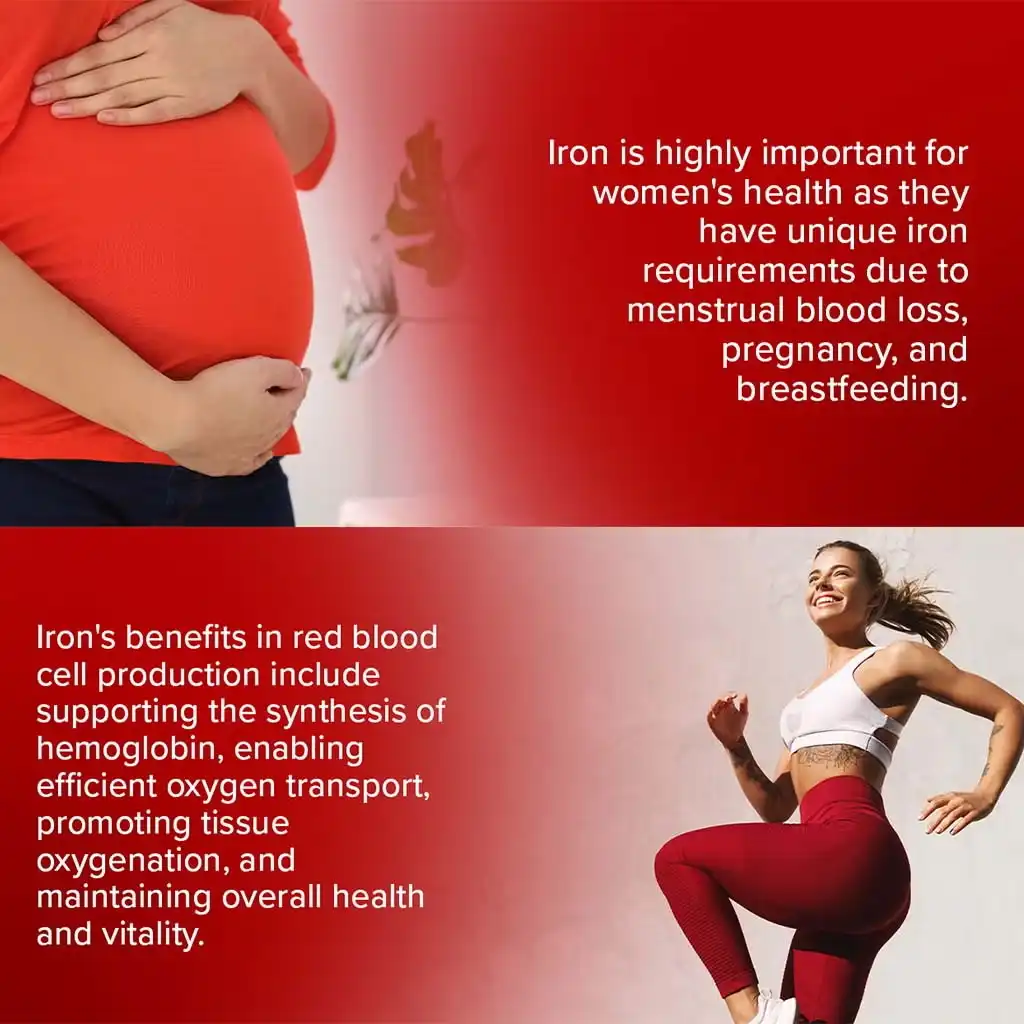
According to the World Health Organization, iron deficiency still affects about 1.6 billion people around the world, making it the most common food deficiency. Liposomal iron powder helps with this common health problem in a number of ways. The better intake profile helps erythropoiesis, which helps keep hemoglobin levels and the body's ability to carry oxygen at optimal levels. Clinical uses are especially helpful for controlling iron-deficiency anemia during pregnancy, breastfeeding, and the recovery time after giving birth, when the body needs a lot more nutrients. Athletes who do a lot of intense training and sweat a lot also benefit from the efficient delivery system, which helps the body use energy and repair muscle tissue.
Gastrointestinal Tolerance Revolution
Traditional iron supplements have a bad image for making people sick to their stomachs. Studies show that 20 to 40 percent of people who take them get sickness, constipation, stomach pain, or diarrhea. These side effects make it much harder for people to follow their treatment plans and get better results. Liposomal iron powder solves this problem at its core by keeping iron ions from coming into direct contact with the intestinal barrier. While the phospholipid shield works as a barrier, iron can pass through the digestive system without causing inflammation or upsetting the balance of gut microbiota. This change in tolerance levels directly improves customer happiness and long-term supplementation adherence. This makes liposomal iron powder especially good for people who stopped iron therapy because it hurt them.
Optimized Dosage and Formulation Guidelines
Formulation experts making goods with liposomal iron powder should consider a few important factors to get the most out of them. The usual daily amount of elemental iron for general health purposes is between 15 and 30 mg, and it can go up to 45 to 60 mg for healing purposes when a doctor tells you to. The powder form gives exact dose options, which lets formulas be made just for certain groups of people. Product developers should know that the lipid encapsulation keeps iron from reacting with other sensitive ingredients in the same formulation, like vitamin C, omega-3 fatty acids, or polyphenolic compounds. This is a big benefit that makes making multi-nutrient products easier and keeps them stable for longer.
Comparison and Decision-Making: Why Choose Liposomal Iron Powder?Performance Benchmarking Against Traditional Forms
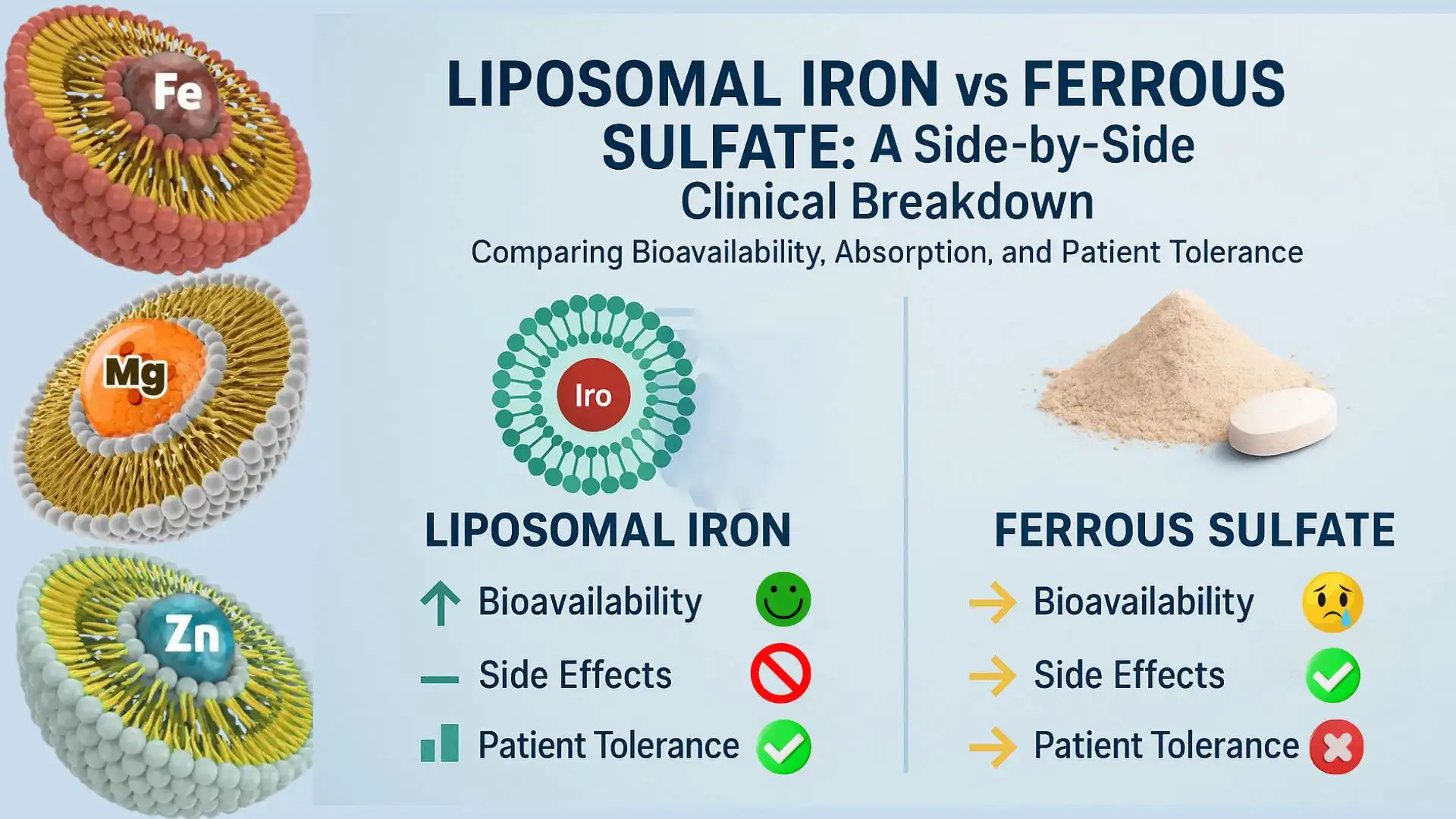
Procurement professionals need clear comparative data to help them make buying choices when they are looking at iron supplementation options. Traditional ferrous sulfate has uptake rates below 10%, which are strongly affected by phytates, food factors, and stomach acidity levels. Even though ferrous gluconate and ferrous bisglycinate are slightly better, they still need saturable DMT-1 protein transporters to work. Liposomal iron powder entirely changes this model, making absorption 400–500% more effective through lymphatic uptake processes. Because basic iron is more bioavailable, smaller amounts are needed to get the same medicinal effects. This lowers the cost of the raw materials, increases safety, and lowers the amount of oxidative stress on cell systems.
Regulatory Positioning and Market Suitability
Liposomal iron powder made with food-grade lecithin and following cGMP guidelines is safe and meets FDA GRAS (Generally Recognized As Safe) standards as well as EU EFSA nutritional supplement rules. This approval from regulators makes it easier to enter markets in North America, the European Union, Asia, and developing countries without having to go through long and complicated registration processes. Natural phospholipids from sunflower or soy sources give the product a clean-label appeal that fits with people's desire for clear, science-backed formulas. Liposomal iron powder goods can be sold at higher prices because they have better effectiveness data, better tolerance profiles, and new delivery technology that appeals to health-conscious customers looking for advanced nutritional solutions.
Supplier Evaluation Criteria
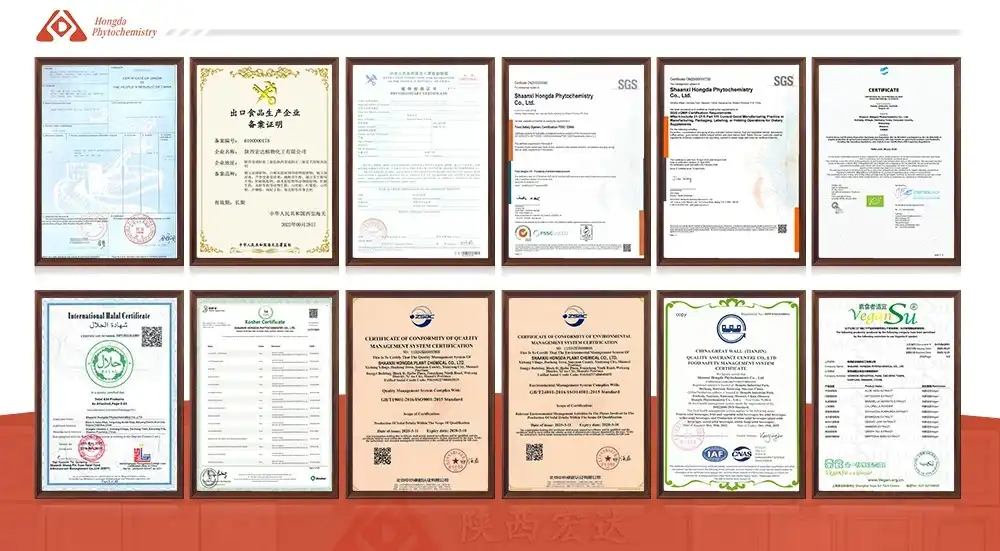
Finding trusted production partners requires a thorough analysis of many factors. Particle size distribution analysis should be part of quality control methods. This can be done with Dynamic Light Scattering (DLS), and homogeneity should be confirmed by a Polydispersity Index (PDI) number below 0.3. Checking the effectiveness of encapsulation using ultracentrifugation and ICP-MS analysis can tell the difference between real liposomal iron powder and simple phospholipid mixes that don't have any therapeutic benefits. Heavy metal tests (lead, arsenic, cadmium, and mercury), microbes, peroxide value, and oxidative stability markers done by a third party are necessary to make sure of the safety of the product. Certifications like ISO 9001, ISO 22000, FSSC 22000, HALAL, KOSHER, and organic labels show that the products are made with high-quality standards and thorough quality management systems.
Procurement Insights: Buying Liposomal Iron Powder for Bulk and Wholesale Needs
Global Sourcing Landscape and Supplier Networks
Over the past ten years, the liposomal iron powder supply chain has changed a lot. Now, specialized manufacturers are centered in areas that have strong pharmaceutical infrastructure and governmental oversight. China has become a major production hub thanks to its advanced extraction technology, well-established phospholipid supply chains, and affordable manufacturing costs. Asian suppliers can offer a wide range of technical services, as shown by companies like Shaanxi Hongda Phytochemistry Co., Ltd., which has been in business since 2001 and has been recognized as a national high-tech firm. Their building has 20,000 square meters of cGMP-certified production space, 10 lines for making natural plant extracts, SGS-certified labs, and an R&D team with more than 20 professors from top universities.
Pricing Dynamics and Volume Negotiations
Bulk prices for liposomal iron powder are usually based on a number of factors that affect costs, such as the quality of the phospholipid raw materials, the level of complexity of the encapsulation technology, the state of the certification, and the size of the order. Based on research of the market, MOQ (Minimum Order Quantity) levels usually start at 25 kg for first trial sales. At 100 kg, 500 kg, and 1000 kg+ volume levels, prices drop significantly. Purchasing managers should ask for thorough quotes that include the amount of elemental iron, data on how well the particles are encapsulated, information on particle size, and full Certificates of Analysis. Payment terms usually include a 30% fee, with the rest of the payment due before the item is shipped. For stock items, shipping times range from 3 to 7 working days. Standard packing layouts include 12 kg per drum and 27 drums per pallet, which makes foreign freight operations more efficient.
Quality Assurance Protocols for B2B Buyers
Strong testing processes guard against risks in the supply chain and make sure that product quality stays the same. Asking for samples before shipping that have been fully analyzed, having an independent lab check that key specs are met, and making clear quality agreements that spell out acceptance criteria are all good ideas. Buyers should look at audit records on suppliers, certificates of facility inspection, and customer examples from well-known names. As a minimum, you need to make sure that technical data sheets, safety data sheets (SDS), and legal compliance documents are available for target markets. Regular communication lines, clear view of the production process, and teamwork-based problem-solving methods when formulation problems appear are all good for building long-term partnerships.
Future Trends and Strategic Implications for B2B ClientsEmerging Technologies in Nutrient Delivery Systems
The field of liposomal iron powder keeps moving forward with new ideas in vesicle engineering, targeting methods, and long-lasting formulas. Next-generation innovations include multi-layer liposomal iron powder structures that release nutrients one at a time, pegylated phospholipids that increase the time that nutrients stay in the bloodstream, and co-encapsulation methods that combine nutrients that work well together in a single transport vehicle. These advances in technology offer better bioavailability profiles, lower dosing needs, and better results for patients who follow the instructions. When OEM clients invest in liposomal iron powder formulations, they put their companies at the cutting edge of nutritional science. They also set their product lines apart by demonstrating innovation that commands a premium in the marketplace.
Regional Demand Patterns and Growth Drivers
Market research indicates that the need for liposomal iron powder products is growing in rich areas like North America, Europe, and some parts of Asia-Pacific. The market is growing because more people are aware of bioavailability ideas, want gentle supplement choices, and are ready to spend more on better health solutions. The nutritional industry in the US is worth more than $50 billion a year, and people are especially open to science-backed formulas that fix common problems without causing side effects. European markets put a lot of weight on clean labels, organic approvals, and thinking about sustainability when buying products from the supply chain. Regional differences in regulations, labeling needs, and customer education programs that explain the technological benefits that support higher retail prices should all be taken into account in distribution strategies.
Compliance and International Trade Considerations
Liposomal iron powder needs to be regulated in a way that takes into account the needs of each state for new delivery methods. Liposomal iron powder based on phospholipids is usually considered a dietary supplement instead of a drug, but paperwork requirements change a lot from market to market. Manufacturers who want to sell their goods abroad should keep their licenses up to date. For example, they should get an FDA registration to sell their goods in the U.S., an EU Novel Food assessment if needed, a Health Canada Natural Product Number, and a CFDA registration to sell their goods in China. The way nutritional supplements are classified under HS codes for import tariffs has an effect on their landing prices and their ability to compete. Staying up to date on how the rules for bioavailability claims, structure-function statements, and comparison advertising are changing will help you make sure that your marketing plans are legal and help your products do their best without any problems.
Conclusion
Through advanced phospholipid capsule technology, liposomal iron powder represents a big step forward in solving iron supplementation problems. This ingredient is perfect for nutrition companies that want to reach high-end customers because it is highly bioavailable, well-tolerated by the digestive system, and easy to mix with other ingredients in a variety of ways. As more people around the world learn about the problems with traditional iron salts and more people want supplement choices that are backed by science and are easy to use, procurement managers and product developers who start working with qualified providers early on will have a strategic edge. The advanced technology, adherence to regulations, and clinical testing of liposomal iron powder make it a strong case for reformulation efforts and new product development strategies that align with the market's shift toward effective nutritional solutions.
FAQWhat makes liposomal iron different from traditional iron supplements?
Liposomal iron powder uses phospholipid vesicles to protect iron molecules, making a barrier that lets them be absorbed through M-cells and lymphatic routes instead of just depending on intestinal transporters that depend on proteins. This method makes the iron 3.5–5 times more bioavailable than ferrous sulfate or ferrous gluconate, and it does so without touching the mucosa directly, which can be uncomfortable for people with digestive problems.
Is liposomal iron powder safe for pregnant women and children?
Liposomal iron powder is a form that is especially good for sensitive people because it improves tolerance and lowers reactive stress. The phospholipid layer stops the sharp stomach effects that usually happen with regular iron salts. However, for exact dosing instructions based on your nutritional needs and status, you should always ask a healthcare professional.
How should liposomal iron powder be stored to maintain quality?
Keep the item in cases with lids that are covered and out of direct sunlight, moisture, and heat sources. The best temperatures for keeping are between 15°C and 25°C in places with low humidity. The phospholipid structure stays steady in these conditions, so the Packaging works well, and the drug is bioavailable for the full 24 months that it's supposed to last if it's stored properly.
What certifications should buyers verify when sourcing liposomal iron powder?
cGMP manufacturing compliance; ISO 9001 quality management; ISO 22000 or FSSC 22000 food safety standards; and third-party testing proof from groups like SGS are some of the most important certifications. Extra qualifications like HALAL, KOSHER, organic licenses, and FDA registration show complete quality systems and make it easier to get into markets in more areas and with more types of customers.
Partner with Hongda — Your Trusted Liposomal Iron Powder Manufacturer
Shaanxi Hongda Phytochemistry Co., Ltd. has been working on new natural extracts for more than 23 years. They use modern liposomal iron powder technology and strict quality standards to meet global business-to-business needs. Our Liposomal Iron Powder has an encapsulation rate of 85% or more, uses non-GMO phospholipids, and comes with full analytical data to help you with your formulation creation. We have a lot of licenses, like cGMP, SGS, FDA, ISO 9001, ISO 22000, HALAL, KOSHER, and BRC, to make sure we follow all the rules in the North American, European, and Asian markets. Qualified sourcing managers and research and development teams that are looking at ingredients for high-end supplement formulas can get free samples. Email our technical team at duke@hongdaherb.com to talk about details, bulk prices, and help with unique formulations for your next product launch.
References
1. Lynch, S.R. and Cook, J.D. (2017). "Interaction of Vitamin C and Iron." Annals of the New York Academy of Sciences, 355(1), 32-44.
2. Pisani, A. et al. (2015). "Iron Absorption and Bioavailability: An Updated Review." Nutrition Research, 35(12), 1011-1022.
3. Zimmermann, M.B. and Hurrell, R.F. (2007). "Nutritional Iron Deficiency." The Lancet, 370(9586), 511-520.
4. Gulec, S., Anderson, G.J., and Collins, J.F. (2014). "Mechanistic and Regulatory Aspects of Intestinal Iron Absorption." American Journal of Physiology-Gastrointestinal and Liver Physiology, 307(4), G397-G409.
5. Akbarzadeh, A. et al. (2013). "Liposome: Classification, Preparation, and Applications." Nanoscale Research Letters, 8(1), 102-111.
6. Tolkien, Z. et al. (2015). "Ferrous Sulfate Supplementation Causes Significant Gastrointestinal Side Effects in Adults: A Systematic Review and Meta-Analysis." PLoS ONE, 10(2), e0117383.