Why Is Liposomal Berberine Powder Gaining Market Attention?
2026-06-17 16:10:11
A lot of people are interested in Liposomal Berberine Powder because it solves the important absorption problem that has long kept regular Berberine from working well. Traditional Berberine is not absorbed more than 1% of the time, so it needs to be taken in large amounts that often make stomach problems worse. The Liposomal delivery system wraps Berberine in Phospholipid Bilayers, which keeps it from breaking down in the digestive system and gets around P-glycoprotein efflux pumps. This new invention makes absorption 5–10 times better, so medicinal effects can be achieved at lower doses with fewer side effects. It's a huge step forward for people who make nutraceuticals, medicines, and functional foods and are looking for high-performance metabolic health ingredients.
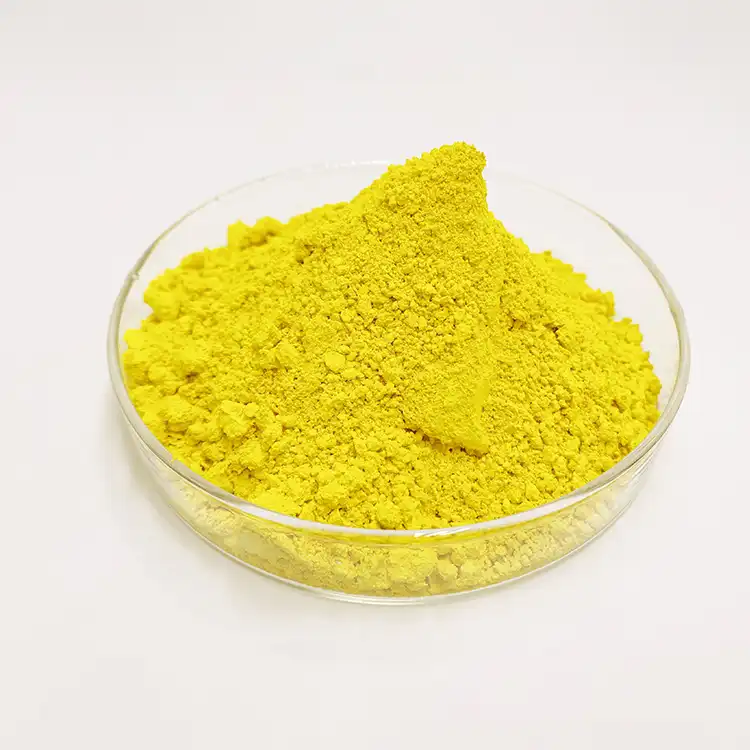
Understanding Liposomal Berberine Powder
What Makes Liposomal Technology Different
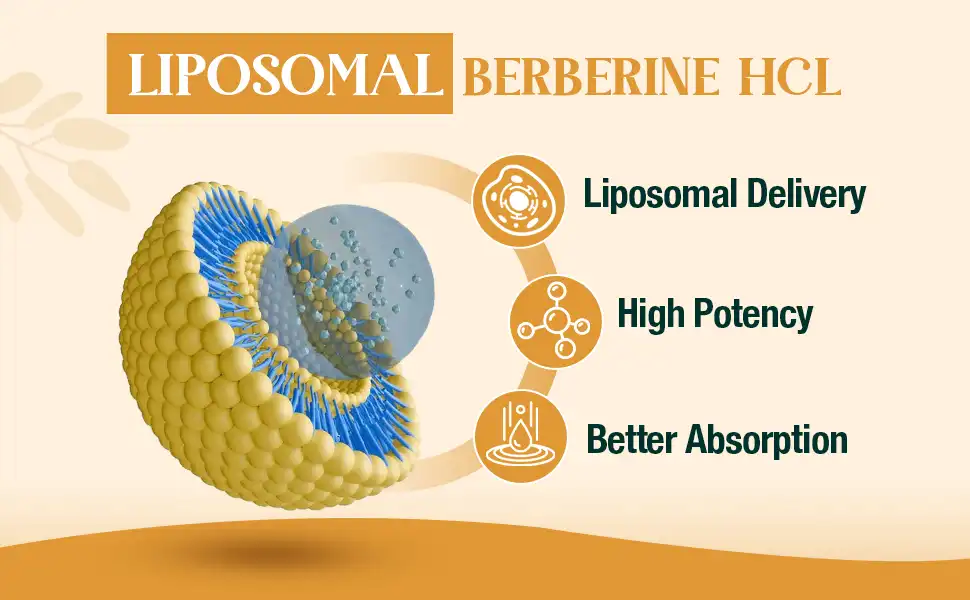
Biomimetic Packaging technology is what makes Liposomal Berberine Powder so new and useful. We've seen that standard Berberine hydrochloride has a lot of problems with how it moves through the body. Because the alkaloid doesn't dissolve well in water and is broken down quickly in the first pass, oral doses don't reach effective bloodstream concentrations. This equation is completely changed by liposome encapsulation.
Nanoparticles, about 100 to 400nm across, are made by Phospholipid Bilayers, which are usually obtained from non-GMO sunflower or soy lecithin. These structures look like the walls of cells, which lets them take things in directly through endocytosis instead of passive diffusion. The lipid shell protects Berberine from strong stomach acids and enzymes that break it down, keeping the nutrient whole until it is absorbed by cells. Independent tests show that the packaging process works more than 85% of the time, which means that the vast majority of the active chemical gets into the systemic circulation without any problems.
Clinical Relevance for Product Development
When procurement workers look at active ingredients, they need success metrics that can be measured. Comparative pharmacokinetic studies show that Liposomal Berberine Powder formulations reach their highest levels in the blood 3–5 hours faster than standard forms. The area-under-the-curve readings show that total exposure increases by 400–800%. Because of these changes, the effective doses in finished goods are smaller.
The metabolic health uses are still very appealing. When solubility hurdles go away, Berberine's known effects on AMPK activation, glucose metabolism, and lipid regulation become useful in medicine. Now, formulators can make metabolic support items that work with 300–500 mg daily doses instead of the 1500–2000 mg needed with older types. With this lower dose, the pain and diarrhea that were stopping people from taking their medicine no longer happen.
Comparing Liposomal Berberine Powder with Other Forms
Bioavailability Across Delivery Formats
When choosing raw materials for product lines, it's important to know the changes between formats. Standard Berberine pills can't be absorbed by the gut because they are solid and don't like water. Regular Berberine that is put into capsules is just this badly absorbed material in a different package. It doesn't fix the problems that cause it.
Spray-drying or freeze-drying of liquid Liposomal solutions is one of the advanced processing methods used to make Liposomal Berberine Powder. This makes stable, fluid powders that get re-hydrated when they come into contact with water in the digestive system. The result is an easy-to-handle powder that absorbs better than other materials. Dynamic light scattering analysis shows that the particle size distribution stays ideal after regeneration, staying in the 100–400nm range that cells need to absorb efficiently.
Production and Supply Chain Advantages
When it comes to buying, powder forms are clearly better than liquid liposomes or pre-filled capsules. When it comes to preparation, bulk powder ingredients give you the most options. They can be mixed with other active ingredients to make custom blends, put into different dosage forms, or added to functional drinks and food matrices. Keeping powders stable for 24 months in controlled settings is easier than keeping liquids stable, as long as they are properly packed.
There are problems with covering up the strong bitter taste of Berberine, but good Liposomal Berberine Powder dissolves easily in water. The Phospholipid coating successfully protects taste receptors from direct alkaloid contact, which makes it possible to make tasty goods without using a lot of flavoring. This benefit is especially useful for functional drinks, where consumers are more likely to buy them if they like the taste.
Market Drivers Behind Growing AdoptionSolving Industry Pain Points
The nutraceutical industry has known for a long time that Berberine has healing promise, but it has been hard to formulate. Industry studies show that 30–40% of people who take regular Berberine supplements stop taking them within the first month because they are hard on their stomachs. Brands that want to compete in the metabolic health area have to pay a lot of money for product returns and bad reviews.
These problems are directly fixed by Liposomal Berberine Powder delivery technology. Clinical feedback from brands that use Liposomal Berberine Powder forms shows a big drop in comments about bad effects. When effective amounts are lowered and tolerability is improved, consumers have good experiences, which leads to higher brand loyalty and a better image. As customers become more educated and understand bioavailability concepts, marketing claims like "advanced absorption" and "gentle on digestion" become more appealing.
Regulatory Environment and Quality Standards
Tougher government control in big markets makes people want delivery methods that have been proven scientifically. As the US Food and Drug Administration (FDA) looks more closely at claims made about dietary supplements, companies that make them are forced to use ingredients that have strong scientific support. Liposomal technology is backed by a lot of peer-reviewed study that shows improved pharmacokinetics and backs up promises about structure-function.
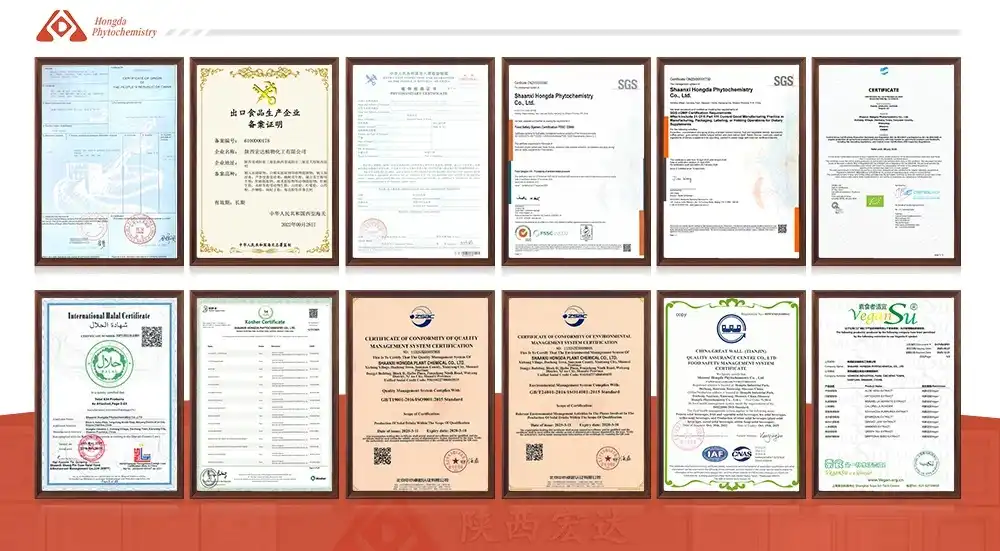
When choosing liposomal berberine manufacturers, international standards like cGMP, ISO 22000, FSSC 22000, and organic Certifications become very important. These standards make sure that the manufacturing processes are always the same, that the analysis methods are always correct using HPLC assay verification, and that there are strict quality control measures in place. Third-party laboratory proof through SGS or similar testing facilities gives extra confidence that the particle size, active content, and effectiveness of packaging meet requirements.
Expanding Application Opportunities
Demand for ingredients is growing because the market is becoming more diverse beyond standard vitamin capsules. Functional food and drink companies are looking for natural metabolic health ingredients that work with more and more patterns. Liposomal Berberine Powder that dissolves easily in water can be added to nutrition bars, health shots, protein shakes, and powdered drink mixes without changing their safety or effectiveness.
Pharmaceutical companies are interested in Berberine as an extra treatment for metabolic syndrome and diabetes, which opens new market niches. Pharmaceutical-grade products that have been tested for purity and strength are needed to make medical foods that target specific diseases. Because Liposomal Berberine Powder forms can give therapeutic amounts of Berberine without the side effects of prescription drugs, they are a good choice for doctors who are looking for natural ways to help patients.
Procurement and Sourcing ConsiderationsEssential Supplier Qualifications
Thoroughly evaluating suppliers is the first step to successful buying. Manufacturing sites should keep their Good Manufacturing Practice approval up to date to show that they follow the standards for making pharmaceuticals. On-site quality control labs with HPLC analysis, dynamic light scattering for measuring particle size, and encapsulation efficiency tests make sure that stability from batch to batch is maintained.
The ability to produce is also very important. Suppliers with specialized extraction lines, buildings that are 20,000 square meters or more, and purification workshops that can handle 100,000-level orders can handle large orders without lowering the quality standards. Technical skills, such as having in-house research and development teams made up of experienced phytochemistry pros, allow for the creation of unique formulations that meet the needs of each product.
In addition to basic GMP, certification packages should include standards that are known and accepted around the world. Certifications like HALAL and KOSHER make it easier for a wider range of consumers to get products. Organic approval lets marketers make claims about "organic" products that deserve higher prices. BRC and FSSC 22000 approvals show that food safety management systems meet the needs of stores around the world. FDA registration proves that the importer is following US rules.
Strategic Sourcing Parameters
Minimum order amounts starting at 1 kg can be used for both small-scale testing of new products and full-scale production. Flexible specifications, ranging from 10 to 90% Berberine content, and processing choices that can be changed to fit different formulation methods are supported. Suppliers who give expert help during the development of a product add value beyond just providing raw materials.
Lead times for normal specifications are usually between 2 and 4 weeks, but they can be longer for special formulations that need more research and development. When thinking about logistics, one thing to think about is how to access foreign warehouse networks that make shipping to North American and European markets more efficient. Full paperwork, like Certificates of Analysis, allergy statements, and regulatory support papers, makes the process of importing goods and checking that they comply with regulations easier.
The price structures of Liposomal Berberine Powder processes easily show how complicated the technology is. Even though it costs more than regular Berberine, the cost study should take into account the lower dosage in final goods. A mixture with 400 mg of Liposomal Berberine Powder might work as well as or better than one with 1500 mg of normal Berberine. This would make the cost of the product the same while giving customers a better experience and lowering the risk of returns.
Usage, Safety, and Practical ImplementationOptimal Dosing Strategies
According to technical research and clinical experience, the daily dose of Liposomal Berberine Powder that works best is between 300 and 600 mg from a liposomal berberine manufacturer. This is a lot less than the 1500 to 2000 mg that is needed for regular forms. This drop is directly caused by better bioavailability, which lets effective plasma amounts happen at low intake levels. To keep plasma levels steady throughout the day, formulators should think about split dosing plans that involve taking 200 mg two to three times a day.
With the better pharmacokinetic profile, impacts can be seen and measured in less time. Based on feedback from customers, the effects can be seen after two to three weeks of regular use, whereas it usually takes four to six weeks for regular Berberine to work. This faster start makes customers happier and lowers the number of people who stop taking metabolic health vitamins too soon.
Safety Profile and Contraindications
Berberine has been used safely for many years in traditional medicine and in current clinical studies. The Liposomal Berberine Powder delivery method doesn't change the safety profile; instead, it improves the speed of delivery. Common safety measures still apply: people who take glucose-lowering drugs should talk to their doctors because they might have extra effects on controlling blood sugar. In the same way, people who take blood pressure medicines should also get professional help.
Significantly fewer stomach side effects are occurring, which is a major safety benefit. When Berberine is in Liposomal Berberine Powder form, it doesn't cause as many stomach problems or cramps as regular Berberine. When residual stomach effects do happen, they are usually weak and short-lived. This change in safety means that Berberine supplements can now be used by people who previously couldn't handle them.
Real-World Performance Validation
When B2B clients use Liposomal Berberine Powder, they report gains that can be seen in several performance measures. Compared to traditional Berberine formulations, product return rates drop by a large amount. This lowers guarantee costs and protects the brand's image. As customer happiness levels rise, good reviews appear that back premium pricing strategies and help with organic marketing.
Manufacturing partners like how flexible the material is in terms of how it can be used. The powder works well with automatic packaging equipment and doesn't cause flow problems like some specialty ingredients do. Compatibility with different excipients lets you improve the way tablets collapse or the stability of a liquid solution. The lack of a strong sour taste cuts down on the cost of developing new flavors, which speeds up the time it takes for new products to hit the market.
Conclusion
Liposomal Berberine Powder is gaining popularity in the market, which shows that it is a real product that solves long-standing problems in the business. Better solubility, better tolerance, and a range of formulation options make strong value propositions in the pharmaceutical, nutraceutical, and functional food industries. Professionals in procurement who want to stand out from the competition can use technology that has been proven scientifically, backed by strong quality systems and foreign certifications. Liposomal Berberine Powder is a key ingredient for forward-thinking brands because it combines the need for effective natural metabolic health solutions with the latest advances in delivery science. Product development and market performance are both guaranteed by carefully choosing suppliers based on their manufacturing skills, licensing portfolios, and expert support capabilities.
FAQ1. Is liposomal berberine safe for long-term use?
Long-term use of Berberine, including Liposomal Berberine Powder types, is safe in several month-long clinical tests. The better bioavailability makes the drug safer by allowing therapeutic benefits to be achieved at lower amounts, which lowers the total alkaloid load. People who have long-term health problems or who take prescription drugs should keep in touch with their doctors while taking supplements.
2. How quickly can results be expected?
Liposomal Berberine Powder release speeds up the start compared to other forms because it absorbs more quickly. Most people who use it every day say they start to feel better within two to three weeks, and the best results happen after six to eight weeks. The way each person responds depends on their metabolic state, food, habits, and any other treatments they are receiving at the same time.
3. What factors influence absorption rates?
The 100–400nm range is very important because particle size distribution affects cellular uptake rate directly. How much of the active ingredient makes it through digestion intact depends on how well the capsule is sealed. Membrane fusion and cell transport are affected by the quality of Phospholipids. Controlling the manufacturing process makes sure that these factors stay the same across output batches. This makes choosing a provider very important.
Partner with Hongda for Premium Liposomal Berberine Supply
Shaanxi Hongda Phytochemistry has been developing natural plant extracts for more than twenty years and brings that experience to the Liposomal Berberine Powder market. Our 20,000-square-meter plant is cGMP-certified and has specialized production lines that consistently encapsulate more than 85% of the product. This was confirmed by an SGS-certified laboratory analysis. We have many foreign certifications, such as FDA registration, ISO 9001, ISO 22000, FSSC 22000, HALAL, KOSHER, BRC, and ORGANIC standards. These badges make it easier to follow the rules in all global markets.
As a well-known provider of Liposomal Berberine Powder, we can meet your needs with specs ranging from 10 to 90% Berberine content and a low minimum order quantity of 1 kg. This means that we can help with both R&D sampling and commercial-scale production. Our skilled technical team helps with formulation all the way through product development. They use our collection of over 400 natural ingredients to make synergistic mixes that work best for your needs. Get in touch with our purchasing experts at duke@hongdaherb.com to talk about unique orders, bulk prices, and how our cutting-edge Liposomal technology can make your metabolic health products stand out.
References
1. Chen, W., Miao, Y.Q., Fan, D.J., Yang, S.S., Lin, X., Meng, L.K., & Tang, X. (2011). Bioavailability study of berberine and the enhancing effects of TPGS on intestinal absorption in rats. AAPS PharmSciTech, 12(2), 705-711.
2. Liu, Y.T., Hao, H.P., Xie, H.G., Lai, L., Wang, Q., Liu, C.X., & Wang, G.J. (2010). Extensive intestinal first-pass elimination and predominant hepatic distribution of berberine explain its low plasma levels in rats. Life Sciences, 87(15-16), 453-458.
3. Feng, X., Sureda, A., Jafari, S., Memariani, Z., Tewari, D., Annunziata, G., Barrea, L., Hassan, S.T.S., Smejkal, K., Malanik, M., Sychrova, A., Barreca, D., Ziberna, L., Mahomoodally, M.F., Zengin, G., Xu, S., Nabavi, S.M., & Nabavi, S.F. (2019). Berberine in cardiovascular and metabolic diseases: From mechanisms to therapeutics. Theranostics, 9(7), 1923-1951.
4. Kumar, A., Ekavali, Chopra, K., Mukherjee, M., Pottabathini, R., & Dhull, D.K. (2015). Current knowledge and pharmacological profile of berberine: An update. European Journal of Pharmacology, 761, 288-297.
5. Yin, J., Xing, H., & Ye, J. (2008). Efficacy of berberine in patients with type 2 diabetes mellitus. Metabolism: Clinical and Experimental, 57(5), 712-717.
6. Salehi, B., Berkay Yılmaz, Y., Antika, G., Boyunegmez Tumer, T., Fawzi Mahomoodally, M., Lobine, D., Akram, M., Riaz, M., Capanoglu, E., Sharopov, F., Martins, N., Cho, W.C., & Sharifi-Rad, J. (2019). Insights on the use of α-lipoic acid for therapeutic purposes. Biomolecules, 9(8), 356.





YOU MAY LIKE