What to Look for When Buying Liposomal Curcumin Powder Bulk Supply?
2026-06-24 16:10:33
When sourcing liposomal curcumin powder in bulk, procurement professionals must prioritise encapsulation efficiency, particle size consistency, comprehensive Certifications, and supplier manufacturing capabilities. The ideal supplier offers products with encapsulation rates over 80% for food-grade applications (90% for pharmaceutical), keeps particle sizes between 100 and 200 nm, has internationally recognised certifications like ISO, HALAL, KOSHER, and FSSC, and provides customisation services supported by strong R&D infrastructure. Quality verification through third-party testing, transparent supply chains, and reliable logistics support represent non-negotiable elements that determine long-term partnership success.
Understanding Liposomal Curcumin Powder and Its Benefits
Advanced Encapsulation Technology
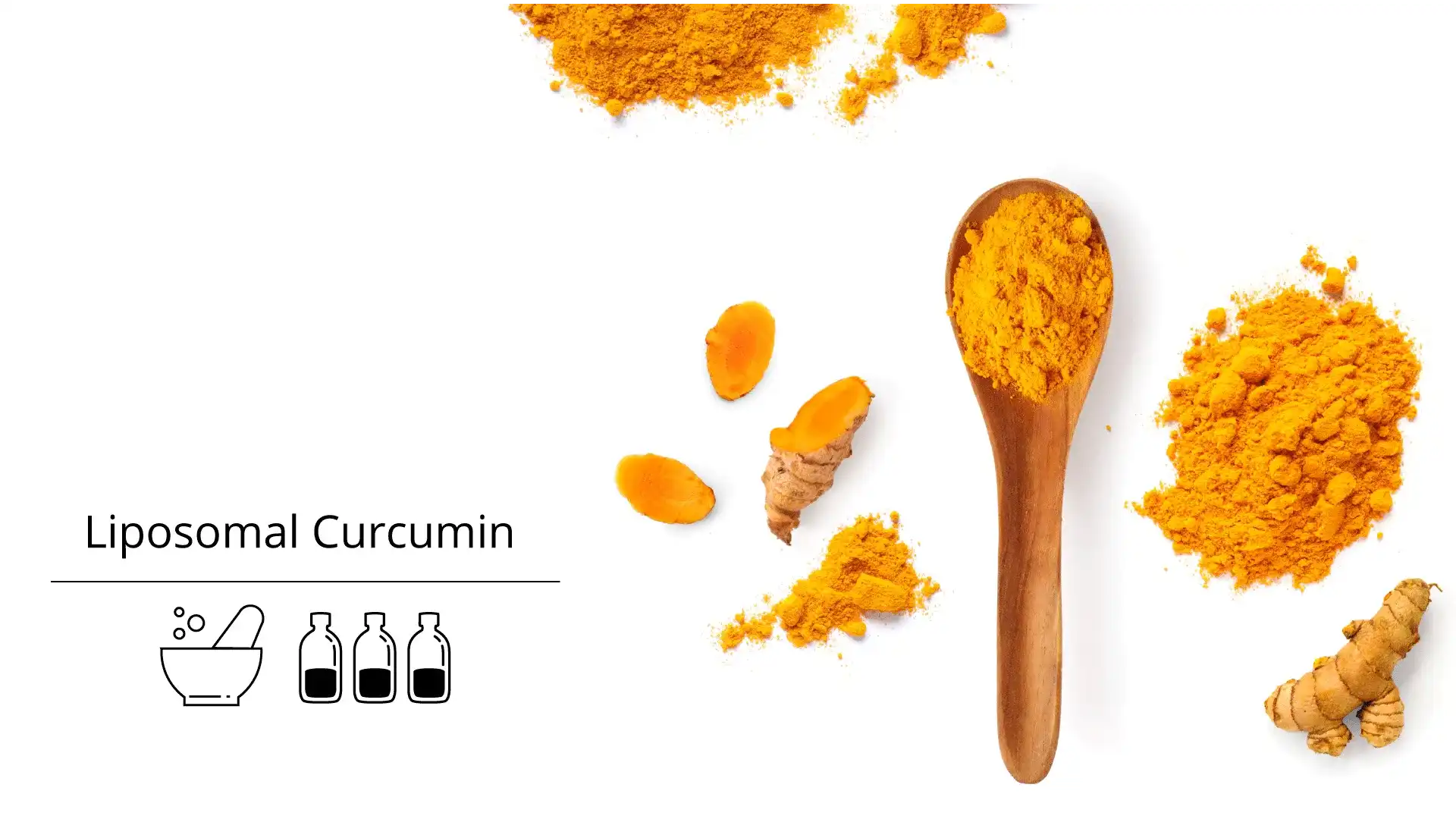
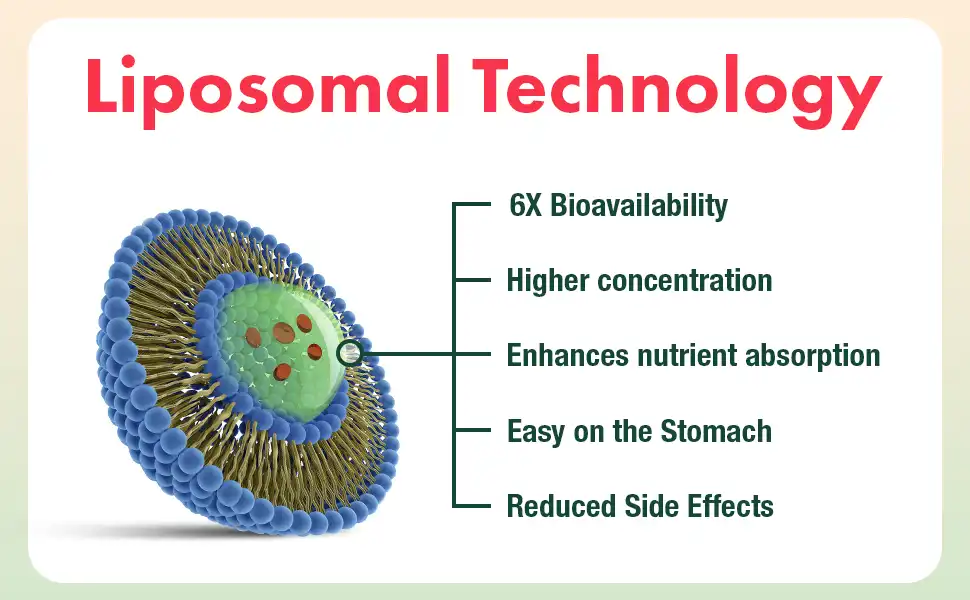
Liposomal curcumin powder is a big step forward in the way that nutrients are delivered. The mixture uses phospholipid particles, which are usually made from non-GMO sunflower lecithin, to protect curcuminoids that come from Curcuma longa. These very small carriers, which are about 100 to 200nm across, help cells take them in through membrane fusion instead of passive diffusion. This changes curcumin from a compound that isn't easily absorbed into an active ingredient that is easily taken up and can be used for medicinal purposes.
The first step in making it is extracting curcuminoids that are standardised to 95% pure and contain the three main chemicals: curcumin, demethoxycurcumin, and bisdemethoxycurcumin. Using advanced blending methods, uniform lipid bilayers are made that hold these chemicals inside water-filled cores. Spray-drying technology then turns the liquid mixture into a powder that can be poured. This keeps the structure intact while making it easier to handle and giving you more options for how to make the product. For food-grade applications, quality goods achieve encapsulation efficiencies of more than 80%, and for pharmaceutical-grade uses, they reach 90%.
Clinical Benefits Across Industry Applications
The higher bioavailability of liposomal products directly leads to stronger medicinal benefits. Researchers have found that encapsulated curcumin keeps plasma amounts high for longer periods of time, avoiding the fast metabolism in the liver that breaks down regular curcumin within hours. At doses that can be used, anti-inflammatory qualities become practically useful, which supports their use in joint health formulations, sports nutrition products, and supplements for managing inflammatory conditions. The antioxidant properties of curcuminoids are especially useful in cosmetics, where they protect skin cells from oxidative stress and help make collagen.
Pharmaceutical companies like the fact that better absorption can sometimes mean lower doses. Products that need 2,000 mg of standard curcumin may work just as well with 400 mg of liposomal versions. This makes it easier for patients to take their medicine and lowers the cost of making the product. Liposomal curcumin powder is particularly effective for cosmetic formulators because it dissolves easily in water and works well in serums, creams, and clear drinking systems without causing the turmeric colour to settle on top as other extracts do. Functional food makers use the bland taste profile and improved stability to make tasty goods for consumers without adding any chemicals.
Critical Quality Factors to Assess When Buying Bulk Liposomal Curcumin Powder?
Certification Requirements and Compliance Standards
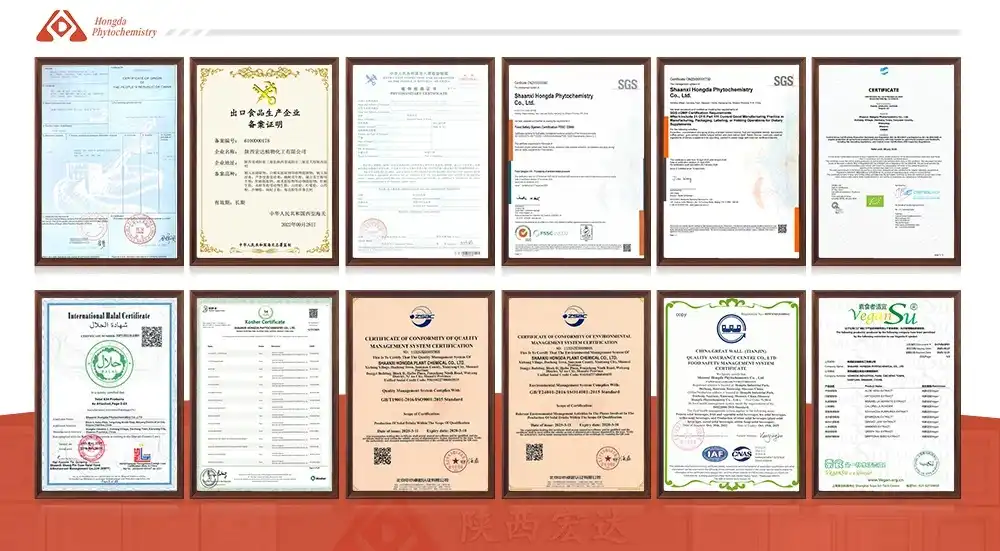
Before choices about procurement can be made, full certification checking must be done. International quality standards are what make sure that the supply chain works well and that all target markets follow the rules. Systematic quality management practices are shown by ISO 9001 approval. ISO 22000 and FSSC 22000, on the other hand, deal with food safety management systems that are important for nutraceutical and functional food uses. Facilities that make food supplements must follow cGMP (current good manufacturing practice) guidelines to make sure that the quality of their work is always the same and that they don't get contaminated.
Religious licenses make it much easier to get into new markets. With HALAL approval, you can sell your products in Muslim-majority markets in the Middle East, Southeast Asia, and other places. These markets bring in billions of dollars in sales. In the same way, KOSHER certification opens doors for religious Jewish customers and organisations that need proof from a priest. Organic approval from the USDA, the EU, or a similar organisation gets higher prices and meets the growing demand from customers for products that are sustainable and don't use pesticides. These qualifications also show that the seller is committed to documentation standards and systems that make it easier to submit regulatory documents in more than one state.
Technical Specifications and Performance Metrics
The spread of particle sizes has a direct effect on how well a product works and how well the recipe works. Dynamic Light Scattering research should show that the particle sizes are all the same, falling in the 100–200 nm range. Polydispersity Index values below 0.3 mean that the vesicle populations are all the same. If these factors aren't kept the same, it can affect the rate of absorption and the consistency of the product across production runs. Zeta potential measurements show how stable something is; numbers above ±30 mV show that there is enough electrostatic repulsion to keep particles from sticking together during storage.
The percentage of curcuminoids that are successfully trapped within liposomal structures compared to the amount of free molecules in solution is called encapsulation efficiency. Food-grade goods that meet efficiency standards of 80% or higher provide useful benefits, while medicinal uses needing 90% or higher ensure consistent pharmacokinetic profiles. Suppliers should show HPLC (High-Performance Liquid Chromatography) certificates that prove the curcuminoid content, which is usually set at 20% total curcuminoids in the powder form. For extra peace of mind about the quality of the product, stability testing data showing that it stays effective for 24 months under certain storage conditions (2-25°C, sealed, dark storage) is also provided.
|
No.
|
TEST ITEM
|
SPECIFICATION
|
RESULT
|
|||
|
1
|
Description
|
Yellow Powder
|
Conform
|
|||
|
2
|
Particle size (20 mesh)
|
≥90%
|
Conform
|
|||
|
3
|
Loss on drying
|
≤5.0%
|
2.33%
|
|||
|
4
|
Bulk Density
|
Measured value
|
368g/L
|
|||
|
5
|
Tapped Bulk Density
|
Measured value
|
721g/L
|
|||
|
6
|
Heavy Metals
|
Arsenic (As)
|
≤2.0ppm
|
Conform
|
||
|
Lead (Pb)
|
≤0.5ppm
|
Conform
|
||||
|
Mercury (Hg)
|
≤0.3ppm
|
Conform
|
||||
|
Cadmium (Cd)
|
≤0.3ppm
|
Conform
|
||||
|
7
|
Microbiological
|
Total plate count
|
≤10000cfu/g
|
10cu/g
|
||
|
Total molds and yeasts
|
≤1000cfu/g
|
10cfu/g
|
||||
|
Coliforms
|
≤10MPN/g
|
≤0.3MPN/g
|
||||
|
E.Coli
|
Negative/25g
|
Negative
|
||||
|
Salmonella
|
Negative/25g
|
Negative
|
||||
|
Staphylococcvs
|
Negative/25g
|
Negative
|
||||
|
8
|
Assay
|
Curcumin
|
70.0%±5%
|
71.6%
|
||
|
Phospholipids (NON-GMO)
|
15.0%±5%
|
12.9%
|
||||
|
Fatty Acids
|
15.0%±5%
|
13.8%
|
||||
|
Conclusion
|
Meet the in house standard.
|
|||||
Raw Material Sourcing and Production Environment
Curcuminoid raw materials are the building blocks of good liposomal products. Premium sellers get their turmeric from areas that are approved as organic. They test the turmeric for heavy metals (like lead, arsenic, cadmium, and mercury), pesticide leftovers, and mycotoxin poisoning. Each package should come with a Certificate of Analysis document that lists these safety factors and confirms the identity of the goods using spectroscopic methods. The fact that both the curcumin extract and the phospholipid sources are non-GMO meets the needs of the market and keeps things simple in places where labelling is important.
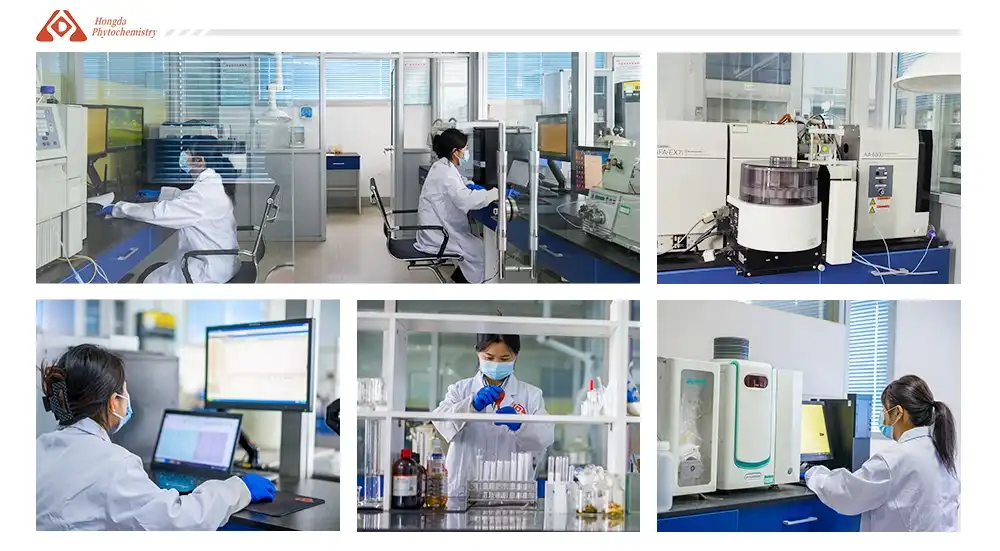
Product purity and stability are closely linked to the standards of the production site. Class 100,000 cleanrooms keep particles from getting into production processes as little as possible. Curcuminoid stability is maintained through temperature-controlled processes, which stops thermal decay that lowers effectiveness. The lab's SGS-certified equipment lets quality be checked in real time during production stages, finding problems before the batch is finished. Suppliers who invest in advanced extraction tools and testing instruments show a level of commitment to quality that goes beyond words.
Comparing Bulk Liposomal Curcumin Powder Suppliers: What to ConsiderSupplier Background and Market Reputation
Checking how long a provider has been in business can tell you a lot about their working stability and industry knowledge. Companies that have been making plant extracts for decades, like those that have been around since 2001, have learned how to deal with changing market conditions, new rules, and better manufacturing processes by always trying to do things better. National high-tech business titles, especially from competitive markets, show that a company is known for its ability to innovate and its investment in research and development. Being a public foreign warehouse shows that you are committed to international business and know how complicated cross-border operations can be.
Customer reviews from well-known beauty, pharmaceutical, and nutraceutical brands show that the seller can do more than what they say on their marketing materials. Partnerships that work well with companies that need strict quality controls and help with unique formulations show that you are good at technology and can depend on your service. Finding out if a provider works with Fortune 500 companies or top area makers can help you decide if they are a good fit for your procurement needs. Being clear about production capacity (in metric tons per year or number of production lines) helps you figure out if your sources can grow with your business without lowering quality.
Cost-Effectiveness Analysis Beyond Unit Pricing
A full cost analysis looks at more than just the price per kilogram. It also looks at the total landing costs and the value delivered. Depending on the size of the order, volume discount structures usually kick in at 100 kg, 500 kg, and 1,000 kg. Prices drop by 5 to 20 per cent. When comparing encapsulation effectiveness scores, which show how well curcuminoid is delivered, it is more accurate to use cost-per-dose instead of cost-per-unit weight to find the true economic value. Products with 90% encapsulation that cost more may have a better cost-per-therapeutic-dose than products with 80% efficiency that seem to be cheaper.
Minimum order amounts have a big effect on managing supplies and cash flow. Suppliers with flexible MOQs that range from 1 kg samples to 25 kg commercial sizes can work with businesses at all stages, from developing a new product to expanding into new markets. Lead times of 7 to 21 days affect when to start production and how much backup stock to keep on hand. When figuring out the total landed cost, you have to include shipping costs, which can be very different depending on where the seller is located, what freight forwarding partnerships are in place, and whether there is warehouse infrastructure in the target market. Tariff classes, import taxes, and customs clearance fees make things even more complicated, so suppliers need to be able to communicate clearly with you.
Value-Added Services and Partnership Potential
Strategic suppliers give services that speed up product creation and market entry, in addition to commodity supply ties. Custom formulation lets you create your own blends by changing the amount of curcumin, adding chemicals that work well together, or changing the size of the particles to fit different delivery methods. Private labelling services make it easier to build a brand by giving you compliant packages with marketing images, nutritional panels, and regulatory text. Certification support, in which sellers help prepare paperwork for regulatory submissions, makes compliance easier for buying teams that don't have a lot of specialised knowledge.
Premium sellers are different from transactional vendors because they offer technical advice services. Having access to R&D teams made up of pharmaceutical scientists and formulation experts makes it easier to solve problems, improve processes, and come up with new ideas. Suppliers with more than 400 plant extracts in their product lines offer cross-category buying, which makes it easier to buy ingredients from a lot of different types. Responsive customer service that works across time zones makes sure that communication problems are solved quickly, which is very important when there are production emergencies or problems in the supply chain that threaten to throw off plans.
How to Evaluate the Effectiveness and Authenticity of Liposomal Curcumin Powder?
Analytical Testing and Documentation Requirements
To prove that a product is real, it needs to come with a lot of analytical paperwork with every package. The three main curcuminoids should be shown on the HPLC chromatograms, and the integration values should back up the claims of uniformity. UV-Vis spectroscopy gives us more proof of identity because it picks up unique absorption spots in the 425 nm range. Third-party testing by independent labs like SGS, Eurofins, or NSF International gets rid of any possible conflicts of interest that come with suppliers testing their own products. This provides objective quality proof that meets legal requirements and internal quality assurance standards.
Bioavailability testing is the best way to judge how well liposomal products work. In vivo pharmacokinetic studies are still too expensive for regular batch testing, but in vitro dissolution testing that mimics conditions in the gut can compare release rates. Suppliers should show that their curcumin extracts release more curcuminoids into artificial intestine juice than other extracts. During accelerated aging studies, stability-indicating methods track degradation products. This way, scientifically thorough techniques are used to prove shelf-life promises instead of random expiration dates.
Supply Chain Transparency and Traceability
Modern buying needs to be clear from the time the food is grown until it is packaged. Blockchain-based tracking systems are still new, but they are already the gold standard for supply chain paperwork because they create permanent records of where materials go and when they are checked for quality. Usually, sellers should give batch-specific paperwork that connects finished goods to lots of raw materials, production dates, quality control results, and records of shipping. This paperwork is very important during regulatory checks, product recalls, or when customers ask about where ingredients come from.
If a supplier is ready to help with facility audits, whether they happen in person or online, it shows that they trust business standards and want to be open with their partners. Watching work areas, talking to technical staff, and reading standard operating procedures are all better ways to build confidence than just reading documents. When suppliers refuse to be audited or put unreasonable limits on what they can do, it raises concerns that should be carefully thought through before agreeing to long-term relationships or exclusive supply deals that make it harder to make purchases.
Procurement Tips: How to Secure the Best Bulk Deal on Liposomal Curcumin Powder?
Market Timing and Negotiation Strategies
The seasonally changing prices of curcumin are linked to the harvest cycles of turmeric in India, which produces about 75% of the world's curcumin. Prices are usually best after the harvest, from February to May, when supply is at its highest. Before the harvest, in the months before, when supplies are low, prices may be 10-15% higher. By keeping an eye on product market indices and building relationships with multiple sellers, you can make purchases that are strategically timed to take advantage of good market conditions instead of buying things quickly when supplies are tight.
A good deal goes beyond talking about prices and includes talking about the terms of the contract in a way that maximises the total value delivered. Negotiating payment terms could lead to 30–60-day terms instead of prepayment requirements, which would make managing cash flow easier. Setting up framework agreements with agreed-upon yearly volumes can often open volume prices without requiring a minimum order size. This gives you more options while taking advantage of cost savings. Including terms for "force majeure," "quality dispute resolution," and "delivery performance penalties" in contracts protects the buyer's interests and shows that the seller is professional.
Regulatory Compliance and Import Logistics
Buying things from other countries comes with extra rules that are different for each target market. Imports into the United States must follow FDA rules for registered facilities and ingredients. Dietary supplement ingredients may need to be marked as GRAS (Generally Recognised As Safe) or new dietary ingredients based on their history in the market. For some uses, the European Union markets require that Novel Food rules and REACH chemical registration be followed. When suppliers know what the target market needs, it makes compliance much easier. For example, they might be able to help with making documents, writing legal text, and making sure specifications are in line with regional standards.
Cost-effectiveness, delivery predictability, and product quality are all things that logistics optimisation tries to balance. Ocean freight is the most cost-effective way to ship big amounts of goods, but it takes longer to get to you. On the other hand, air freight is faster but costs more. Understanding Incoterms, especially the FOB, CIF, and DDP choices, makes it clear to both the buyer and the seller who is responsible for shipping costs, insurance, and clearing customs. Suppliers who already work with specialised freight forwarders who know how to ship temperature-sensitive plant extracts reduce the risks of travel that could affect the quality of the product. Warehouse relationships in target markets, especially foreign warehouse programs, cut down on the time it takes to deliver the last few items and make it possible to send smaller shipments more often, which is better for managing inventory.
Conclusion
To obtain large liposomal curcumin powder, you need to carefully look at the technical details, the supplier's skills, how well they follow the rules, and the price. Quality goods always show encapsulation efficiency above 80%, keep particle sizes between 100nm and 200nm, and come with a wide range of foreign licenses that prove they meet manufacturing standards. Comparing prices isn't the only thing that goes into choosing a supplier. Technical help, the ability to make changes, and the chance to work together to support product development goals are also important. Third-party testing, openness in the supply chain, and the chance to do site audits all help to make sure that marketing claims are in line with what actually happens. Using market time, negotiation skills, and transportation optimisation in your strategic buying practices can help you get the most value for your money while reducing the risks that come with getting ingredients from other countries. These thorough evaluation models help procurement professionals build trustworthy supply relationships that help businesses succeed in the competitive cosmetics, nutraceuticals, and pharmaceutical markets.
FAQWhat certifications are essential when purchasing liposomal curcumin powder in bulk?
For example, ISO 9001 is needed for quality management, ISO 22000 or FSSC 22000 is needed for food safety systems, and cGMP approval is needed for pharmaceutical-grade uses. Certifications like HALAL and KOSHER make it easier to get into new markets, and certifications like USDA Organic or EU Organic meet the growing demand from customers for pesticide-free, eco-friendly foods. For entry to the U.S. market, FDA facility registration is necessary, and third-party verification through SGS or similar labs adds to the quality guarantee.
How does liposomal curcumin powder compare cost-effectively to capsules or liquid forms?
Manufacturers of finished drug forms can save a lot of money by buying powder in bulk. Powder forms offer formulation freedom, allowing for custom encapsulation, pill pressing, or preparation of liquid suspensions based on brand requirements. The cost per dose is usually 30–50% less than buying goods that are already encapsulated, but you have to buy extra tools for secondary processing. When stored properly, the 24-month shelf life lowers the risk of goods going out of date compared to liquid forms that need to be refrigerated and have shorter stability windows.
What particle size specifications should procurement teams verify?
Dynamic light scattering research indicates that the target particle sizes are between 100 and 200 nm in diameter. Smaller particles help with absorption by having a bigger surface area and better cell uptake processes. On the other hand, bioavailability benefits may be lost if the particles are too big. When the Polydispersity Index is less than 0.3, it means that the particle populations are regular, which stops performance from being different from batch to batch. Suppliers should include particle size distribution reports with every batch. This shows that the production process is controlled consistently, which is important for following the rules and making sure that the product works the same way every time.
Partner with Hongda for Premium Liposomal Curcumin Powder Supply
Since 2001, Shaanxi Hongda Phytochemistry Co., Ltd. has been producing and developing natural plant extracts. It has become a national high-tech enterprise and has received many international certifications, such as those from SGS, cGMP, HALAL, KOSHER, BRC, FDA, ISO9001, ISO22000, ORGANIC, and FSSC. In our 20,000-square-meter facility, we use advanced liposomal encapsulation technology to produce pharmaceutical-grade products with particle sizes between 100 and 200 nm and curcuminoid standardisation to 95% purity using non-GMO sunflower lecithin. As a well-known company that makes Liposomal Curcumin Powder, we offer over 400 different product formulas. Our dedicated research and development team of 20+ professors and SGS-certified lab facilities help us do this. Our status as a public overseas warehouse makes sure that shipping to North American markets goes smoothly, and our customisation services can handle unique formulas in sizes ranging from 1 kg samples to 25 kg drums in bulk. Email our technical team at duke@hongdaherb.com to talk about your unique procurement needs and ask for analytical evidence that shows our dedication to quality excellence.
References
1. Cuomo, J., Appendino, G., Dern, A.S., Schneider, E., McKinnon, T.P., Brown, M.J., Togni, S., & Dixon, B.M. (2011). "Comparative Absorption of a Standardised Curcuminoid Mixture and Its Lecithin Formulation." Journal of Natural Products, 74(4), 664-669.
2. Schiborr, C., Kocher, A., Behnam, D., Jandasek, J., Toelstede, S., & Frank, J. (2014). "The Oral Bioavailability of Curcumin from Micronised Powder and Liquid Micelles is Significantly Increased in Healthy Humans and Differs Between Sexes." Molecular Nutrition & Food Research, 58(3), 516-527.
3. Prasad, S., Gupta, S.C., Tyagi, A.K., & Aggarwal, B.B. (2014). "Curcumin, a Component of Golden Spice: From Bedside to Bench and Back." Biotechnology Advances, 32(6), 1053-1064.
4. Hewlings, S.J., & Kalman, D.S. (2017). "Curcumin: A Review of Its Effects on Human Health." Foods, 6(10), 92-108.
5. Anand, P., Kunnumakkara, A.B., Newman, R.A., & Aggarwal, B.B. (2007). "Bioavailability of Curcumin: Problems and Promises." Molecular Pharmaceutics, 4(6), 807-818.
6. Schiborr, C., Eckert, G.P., Weissenberger, J., Müller, W.E., Schwamm, T., Grune, T., Rimbach, G., & Frank, J. (2010). "A Validated Method for the Quantification of Curcumin in Plasma and Brain Tissue by Fast Narrow-Bore High-Performance Liquid Chromatography with Fluorescence Detection." Analytical and Bioanalytical Chemistry, 397(5), 1917-1925.





_1764835077059.jpg "Luteolin Extract")