What Makes Liposomal Silymarin Powder the Gold Standard for Liver OEM?
2026-07-13 15:20:04
Liposomal Silymarin Powder has become the best way to make liver health products because it solves the important bioavailability problem that has been a problem with older silymarin extracts for a long time. This new formula improves absorption rates 400–600% compared to regular extracts by encapsulating silymarin, the active flavonoid complex from milk thistle, in phospholipid bilayers. We've seen this technology change the way nutraceutical companies make liver support formulas by giving consistent potency, better stability, and better clinical outcomes that meet the strict needs of global B2B procurement specialists and pharmaceutical formulators.
Understanding Liposomal Silymarin Powder: A Breakthrough in Liver Health Solutions
An ongoing problem has been plaguing the nutraceutical industry: silymarin, despite being known to protect the liver, is in the BCS Class IV group, which means it doesn't dissolve well in water and can't pass through the intestines easily. We've seen a lot of manufacturers have trouble with formulations that looked great on paper but didn't work well in clinical settings when it came to plasma concentrations.
The Science Behind Liposomal Encapsulation Technology
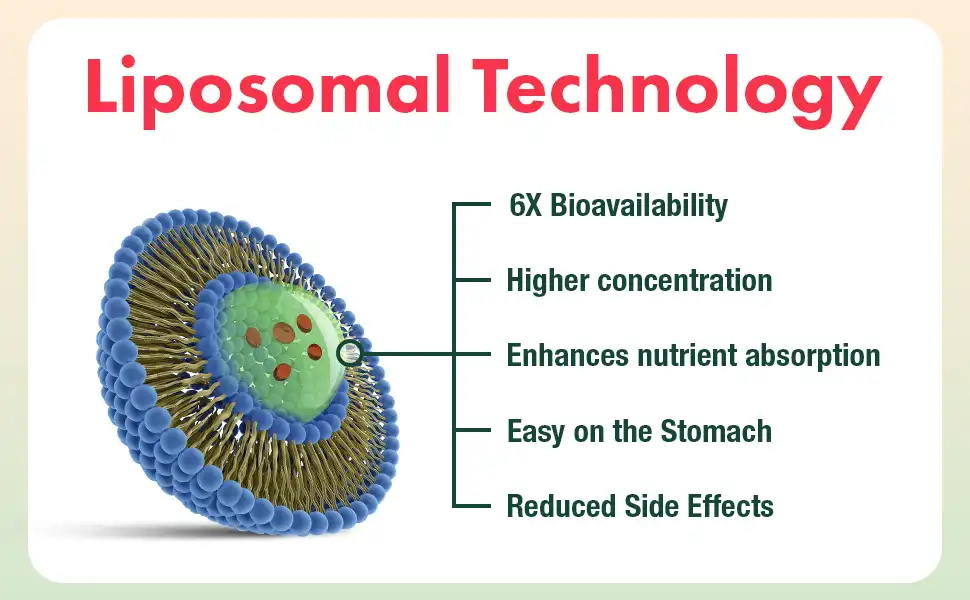
Liposomal delivery systems make microscopic spheres out of phospholipid bilayers that protect and carry active compounds. These spheres have the same structure as human cell membranes. When silymarin is enclosed in these lipid structures and turned into a powder using spray-drying or freeze-drying methods, the result is a stable ingredient that keeps its structure while being stored and made, and greatly improves cellular uptake when it is used.
Hongda's production process starts with high-pressure homogenisation and then uses advanced spray-drying technology to make stable liposomal structures that encapsulate more than 85% of the substance. This makes sure that the active ingredient stays as fresh as possible throughout the supply chain. The phospholipid carriers we use, mostly non-GMO sunflower lecithin, add extra nutritional value through their phosphatidylcholine content, which works with silymarin's protective benefits to support liver function.
Key Technical Parameters That Define Quality
The process of judging quality goes far beyond the usual steps for testing plants. Some important factors are the particle size distribution, which can be found using Dynamic Light Scattering (DLS). Upon reconstitution, the particle size distribution is usually between 100 and 300 nm, which ensures the best absorption by cells. Centrifugal ultrafiltration must be used to check how well encapsulation works, and the best grades get rates above 90%. We use HPLC-DAD quantification to accurately measure the amounts of Silybin A and B, and Transmission Electron Microscopy (TEM) to make sure that the liposome structures form correctly in every production batch.
Checking the phospholipid makeup with NMR or HPLC-ELSD makes sure that the carrier matrix is consistent, which has a direct effect on absorption. Our SGS-approved lab uses ICP-MS to check for heavy metals like lead, arsenic, cadmium, and mercury, and GC-MS to check for leftover liquids. This makes sure that we follow USP and European Pharmacopoeia guidelines. This thorough quality framework handles the primary concerns of pharmaceutical-grade procurement experts who require recorded batch-to-batch uniformity.
Comparative Analysis: Liposomal Silymarin Powder vs. Conventional Alternatives
There are different ways to deliver silymarin on the market, but there are big differences in how well each one works, which has big effects on how well the product works and how well it does in the market. Knowing these differences helps you make smart purchasing choices that combine performance needs with cost concerns.
Bioavailability: The Critical Performance Metric
Standard silymarin extracts break down right away in the acidic environment of the stomach, and only about 30% of the dose given is usually absorbed. Traditional capsules and tablets are convenient for consumers, but they can't get around the fact that silymarin is lipophilic and doesn't dissolve well in water. We looked at comparative pharmacokinetic studies that show liposomal formulations reach peak plasma concentrations that are 4–6 times higher than other options. They also have sustained release profiles that keep therapeutic levels for longer periods of time.
Because liposomal structures are amphiphilic, they can interact with both watery stomach fluids and lipid-rich cell walls at the same time. This dual solubility property solves a formulation puzzle that has been bothering R&D departments: making a stable ingredient that dissolves in water from a molecule that doesn't dissolve in water naturally. The phospholipid bilayer works as a molecular bridge, making it easier for particles to pass through intestine epithelial walls that would normally reject regular silymarin particles.
Stability Considerations for Long-Term Product Development
Another very important benefit is chemical stability. Light, oxygen, and mild temperatures quickly oxidise conventional silymarin, which makes it less effective and makes it harder to ensure a shelf life. Liposomal products have a protective lipid envelope that blocks external factors physically. When stored properly, our stability testing protocols show that properly made Liposomal Silymarin Powder keeps more than 95% of its potency for 24 months. This is compared to standard extracts, which only keep 70–80% of their potency.
From a formulation versatility standpoint, powder liposomes are clearly better than liquid liposomes when it comes to manufacturing. When it comes to solid dosage forms, they can be mixed into capsules, tablets, sachets, and functional food matrices without having to deal with the problems that come with cold-chain storage or short expiration dates that come with liquid formulations. This gives OEM partners who manage multiple product lines more options for planning production and lowers the risk of running out of stock.
Cost-Effectiveness Across the Product Lifecycle
At first, procurement specialists are often worried about the higher prices compared to common silymarin extracts. Lifecycle cost analysis, on the other hand, shows a different picture. High bioavailability means that smaller amounts of the active chemical are needed for successful dosing to have therapeutic effects. Using 200 mg of liposomal silymarin in a formulation can match or beat the clinical performance of 800 mg of a conventional extract. This cuts the amount of raw materials needed by 75% while still giving better results to customers.
This speed translates to smaller capsule sizes, reduced shipping weights, and improved profit margins on finished products. The total cost of ownership is better for makers who put their goods in higher-end markets when they use advanced liposomal technology. This is because customers are less likely to complain about how well the product works and are more likely to buy it again after seeing results.
Why Liposomal Silymarin Powder is Ideal for OEM and B2B Procurement
Global OEM partnerships need more than just high-quality ingredients. They also need suppliers who know how to deal with the complicated rules and regulations that apply to different countries, as well as suppliers who can keep the supply chain running smoothly and offer technical help during the product creation process.
Certification Framework and Regulatory Compliance
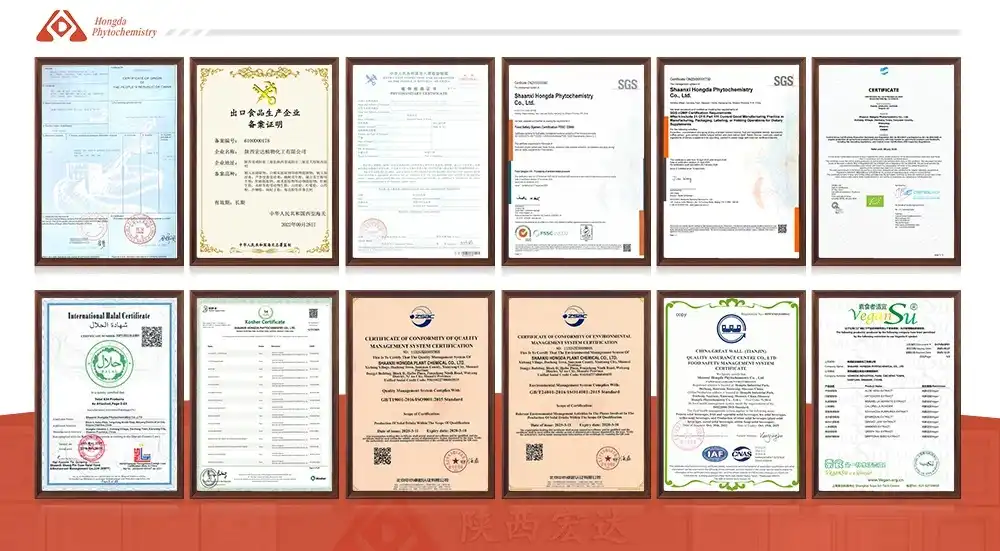
We keep up-to-date Certifications that cover all of the different regulatory standards in the big markets. Our cGMP-certified manufacturing facility is regularly checked to make sure it meets the standards for pharmaceutical-grade production. Certifications like HALAL and KOSHER make it easier to reach customers from a wide range of cultures, and organic certification appeals to the growing clean-label market. Getting FDA registration and BRC certification shows that you are serious about food safety management systems, which is something that international distributors need to get approval to import food.
These certificates aren't just bookkeeping boxes to be checked; they're part of our operations as a whole and are used for quality management. ISO9001 and ISO22000 standards make sure that everything can be tracked, from where the raw materials come from to how they are packaged at the end. FSSC22000 compliance deals with risks to food safety by putting in place preventative measures that lower the chances of contamination. This system for certification gives procurement teams the paperwork they need to meet due diligence standards and speed up regulatory applications in target markets.
Scalable Production Capabilities
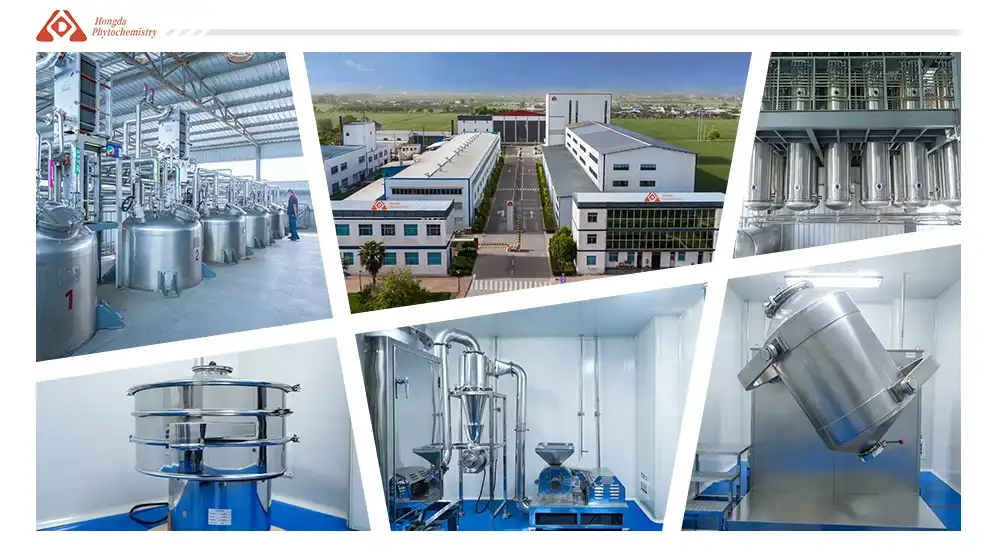
Ten production lines for natural plant extracts are housed in our 20,000-square-meter factory. These lines are equipped with the latest technology for extraction and Packaging. The 100,000-level cleaning workshops keep the environments under tight control so that microbes and particles don't get into the products while they're being processed. Our minimum order number is only 1 kg, so this infrastructure can handle production volumes ranging from small test batches of a few kilograms to large business runs of several tonnes without affecting the quality.
Batch-to-batch uniformity stems from automatic process controls and real-time monitoring systems that keep an eye on key parameters during production. Using statistical process control methods, we can find variable trends before they change product specifications. This way, we can make sure that customers get the same performance characteristics whether they order R&D samples or full-scale commercial numbers. This dependability gets rid of reformulation shocks that can throw off plans for launching a product and bringing it to market.
Private Label Customisation and Technical Partnership
Our research and development team, which is made up of more than 20 professors from well-known universities, works directly with formulation scientists from clients to come up with proprietary specs that are specific to each product's selling strategy. Customisation options go beyond simple changes to the composition. They also include optimising particle size for different delivery formats, masking flavours for functional beverage uses, and improving stability in difficult storage conditions. We see our relationships with clients as technical partnerships, not just as business deals with suppliers.
This collaborative model includes complete sets of technical documents that help with regulatory filings, patent applications, and proving marketing claims. We give you all the scientific data you need, such as HPLC chromatograms, particle size distribution charts, capsule efficiency reports, and stability study results that show how well the product works under ICH-guideline stress conditions. By answering likely regulatory questions before they are sent in, these detailed technical dossiers shorten the time it takes to get a product to market.
Application and Dosage Guidelines for Liposomal Silymarin Powder in Product Development
To make a good product, you have to find a balance between clinical evidence of effectiveness, practical formulation limitations, and regulatory compliance issues. Our experience helping hundreds of great product launches gives us a good idea of the best ways to do things.
Evidence-Based Dosage Recommendations
Liposomal Silymarin Powder clinical studies usually use doses of 140 to 280 mg of silymarin equivalent per day, spread out over one or two administrations. Because liposomal delivery makes the drugs more bioavailable, these doses reach plasma concentrations that are about the same as 600–1200 mg of regular extracts. We've seen the best results with formulations that give 200 mg of silymarin equivalent through 250–400 mg of our liposomal powder that is standardised to 50–80% purity. These formulations help protect the liver from alcohol-induced oxidative stress or support the metabolic syndrome.
Safety profiles demonstrate excellent tolerability even at high intake levels. In contrast to regular high-dose silymarin formulations, which can cause mild stomach discomfort because they don't dissolve well, liposomal variants have almost no side effects. The better comfort is due to the better dissolution profile and less buildup of undissolved particles in the digestive system. Generally Recognised as Safe (GRAS) for food uses in major markets for silymarin. This makes the approval process easier for useful food and drink categories.
Formulation Compatibility Considerations
To keep the structure of liposomes intact during the manufacturing process, it is important to pay attention to how ingredients interact with each other and how the process is run. Highly acidic ingredients can make phospholipid bilayers less stable, so multi-ingredient formulations need to either buffer the pH or separate the ingredients into different compartments. During blending, high-shear mixing should be kept to a minimum so that liposomal structures are not mechanically damaged. For direct compression tablets, we suggest gentle tumble blending. For two-piece hard capsules, we suggest low-temperature encapsulation.
Compatibility with common excipients like magnesium stearate, microcrystalline cellulose, and hydroxypropyl methylcellulose has been validated through extensive testing. The powder's great flow and compressibility make it easy to use with standard tableting equipment without any special changes. For use in liquid suspensions, the powder mixes easily with water to make stable colloidal suspensions with particles that are 100–250nm in size on average, as shown by Dynamic Light Scattering analysis. This water-dispersible nature makes it perfect for functional beverage uses, stick pack forms, and effervescent pill systems where other silymarin extracts would separate or precipitate.
Stability Optimisation Strategies
Controlling external factors is needed to keep liposomal structures safe while they are being stored. Using the right packaging barriers will keep the moisture level below 5%. For bulk ingredients, we suggest aluminium foil laminate pouches with oxygen scavengers, and for finished consumer goods, we suggest moisture-proof blisters or amber glass bottles. The best storage temperatures are between 15°C and 25°C, but our formulations can handle short trips up to 40°C without losing much of their effectiveness. This allays worries about supply chain temperature changes during foreign shipping.
Light protection is essential, as UV light speeds up the oxidation of lipids. Photodegradation can't happen with opaque or amber-colored packing materials. Additionally, complementary antioxidants like vitamin E or rosemary extract can be added to the recipe matrix of clear finished goods like drinks to help fight free radicals and make the products last longer. Accelerated stability testing under ICH Q1A conditions gives us information that can help us figure out when something will go bad. For example, our standard Liposomal Silymarin Powder stays stable for 24 months when stored the way it should be.
Future Trends and Innovation in Liposomal Silymarin Powder for Liver OEM
As encapsulation technologies improve, clinical evidence grows, and consumer tastes change, manufacturers who are willing to think ahead can take advantage of new opportunities.
Technological Advancements on the Horizon
Even better bioavailability improvements are promised by next-generation encapsulation techniques that are still being developed. Targeted delivery systems that change the surface of liposomes with specific receptor ligands could direct them preferentially to hepatic tissue, increasing the therapeutic concentration where it's needed most and decreasing its spread throughout the body. Hybrid encapsulation methods that combine liposomal structures with extra protective layers like enteric coatings or polysaccharide matrices may make it possible to program release profiles that work best with the liver's natural detoxification cycles.
New ways of processing, like supercritical fluid processing and electrospray methods, might make it possible to make particle sizes more evenly spread out with lower polydispersity indices. Tighter size control means more stable pharmacokinetic profiles and could lead to more regulatory approval for restorative uses. We are constantly reviewing these new ideas as part of our research and development (R&D) pipeline. Early adopting OEM partners will be able to gain competitive benefits as technologies develop and become commercially viable.
Market Dynamics Driving Demand Growth
Awareness about liver health has grown a lot around the world because non-alcoholic fatty liver disease is becoming more common. It affects about 25% of people around the world. This metabolic crisis, which is linked to fat and diabetes, makes more people want to take preventative nutritional steps. At the same time, people in developed markets who are getting older are looking for strategic ways to keep their livers working well and help their bodies' natural cleansing processes. According to market data, the liver health supplement category will grow by more than 7% per year until 2030, with premium parts holding a large share of the value.
Consumer sophistication continues advancing, with educated buyers increasingly scrutinising bioavailability data and clinical support instead of taking claims like "supports liver health" at face value. This trend prefers delivery methods that have been proven to work by science, such as liposomal encapsulation, for common ingredients. When companies market their goods with clear labels, third-party testing confirmation, and published clinical proof, they gain credibility. This gives them the power to charge higher prices and keep customers coming back.
Regulatory Evolution and Quality Standards
Regulatory frameworks around the world are gradually raising the quality standards for nutraceutical ingredients. The process for notifying the FDA of a new dietary ingredient requires a lot of safety information and details about the identity of new delivery formats. The Food Supplements Directive in the European Union sets rules for maximum residue limits and contaminant screening that require highly advanced analytical skills. As requirements get stricter, proactive manufacturers who work with suppliers who go above and beyond current standards will be in a better position.
Emerging regulations increasingly focus on bioavailability claims and comparing absorption statements. To back up marketing wording, strong pharmacokinetic data is needed. Putting money into comparative bioavailability studies and clinical validation studies helps back claims and sets goods apart in crowded markets. We keep up-to-date clinical partnership programs that produce publishable data that backs up claims of effectiveness. This gives OEM partners a solid basis for their marketing stories.
Conclusion
Liposomal Silymarin Powder is a huge step forward in liver health ingredient science because it solves the basic bioavailability problems that have limited previous silymarin formulas. This technology is the best choice for OEM manufacturers who want to reach high-end customers because it has 400–600% better absorption, better chemical stability, and a lot of different ways to make formulations. As government rules get stricter and consumers get smarter, it becomes more important to work with certified makers who offer complete quality systems, scalable output, and technical cooperation. When better encapsulation science, more clinical evidence, and rising market demand all come together, they create great chances for early adopting brands to become market leaders in the quickly growing liver health category.
FAQ1. What is the typical lead time for custom liposomal silymarin powder orders?
Once a buy order is confirmed, standard production wait times are between two and three weeks for standard specifications. Depending on the testing needs, custom recipe development that needs to make changes to specifications or confirm stability may add 3–4 weeks to the time frame. We keep a safety stock of our most common specifications so that we can quickly meet urgent needs. For projects that need to be done quickly, we offer express production options at a higher cost.
2. How does encapsulation efficiency impact final product performance?
The amount of silymarin that is protected inside liposomal structures is directly related to how well the compounds are encapsulated. Our standard goes above and beyond 85% encapsulation efficiency, which means that the vast majority of active ingredients benefit from better bioavailability and stability protection. If the encapsulation rate is less than 70%, the performance benefits are greatly reduced. This basically leads to mixtures of liposomal and regular silymarin with uncertain absorption patterns that don't produce consistent clinical results.
3. Can liposomal silymarin powder be combined with other liver support ingredients?
Formulation development projects have shown that it works well with other hepatoprotective compounds, such as N-acetylcysteine, alpha-lipoic acid, and different B vitamins. Combinations that work well together often make the overall effect stronger by affecting more than one pathway involved in liver function and oxidative stress management. Our technical team helps with compatibility and stability tests to make sure that multi-ingredient formulations keep their performance traits throughout their shelf life. This keeps the medicinal benefits high while keeping the business viable.
Partner with Hongda: Your Trusted Liposomal Silymarin Powder Manufacturer
Hongda has been a specialist in advanced plant extract manufacturing for more than 23 years. They use pharmaceutical-grade production standards and can make changes to meet the specific needs of OEMs. Our qualifications as a Liposomal Silymarin Powder supplier include a wide range of foreign certifications, such as cGMP, HALAL, KOSHER, BRC, FDA, ISO9001, ISO22000, ORGANIC, and FSSC. These give us the legal base we need to enter global markets. The 20,000-square-meter building has dedicated production lines, SGS-certified testing labs, and a 20-person research team from top universities. This makes sure that quality is always high and that new technologies are always being developed.
Whether developing initial prototypes with our 1kg minimum order quantity or scaling to commercial production volumes, our team provides comprehensive support throughout the product development lifecycle. We invite procurement specialists, R&D managers, and brand owners to talk to us about how our Liposomal Silymarin Powder for sale can help your products stand out and help them do better in the market faster. Contact our team directly at duke@hongdaherb.com to request technical specifications, samples, or consultation on your specific formulation requirements.
References
1. Yanyu, X., Yunmei, S., Zhipeng, C., & Qineng, P. (2006). The preparation of silybin-phospholipid complex and the study on its pharmacokinetics in rats. International Journal of Pharmaceutics, 307(1), 77-82.
2. Kidd, P., & Head, K. (2005). A review of the bioavailability and clinical efficacy of milk thistle phytosome: a silybin-phosphatidylcholine complex (Siliphos). Alternative Medicine Review, 10(3), 193-203.
3. Barzaghi, N., Crema, F., Gatti, G., Pifferi, G., & Perucca, E. (1990). Pharmacokinetic studies on IdB 1016, a silybin-phosphatidylcholine complex, in healthy human subjects. European Journal of Drug Metabolism and Pharmacokinetics, 15(4), 333-338.
4. Jiang, Y., Zhang, Y., Wong, K. H., Lu, J., & Chan, W. (2020). Advances in plant extract encapsulation: Liposomal systems for bioactive delivery. Food Research International, 137, 109708.
5. Federico, A., Dallio, M., & Loguercio, C. (2017). Silymarin/silybin and chronic liver disease: A marriage of many years. Molecules, 22(2), 191.
6. Woo, J. H., Liu, Y. Y., Mathur, A., & Wan, Y. J. (2016). Comparisons of pharmacokinetics and metabolism of milk thistle flavonolignans in hepatocyte-humanised and wild-type mice. Molecular Pharmaceutics, 13(2), 443-450.





_1768986697306.jpg "Citrus Aurantium Extract Powder")