



What Makes Liposomal NAD+ Powder More Effective Than Regular NAD+?
2026-06-01 15:34:37
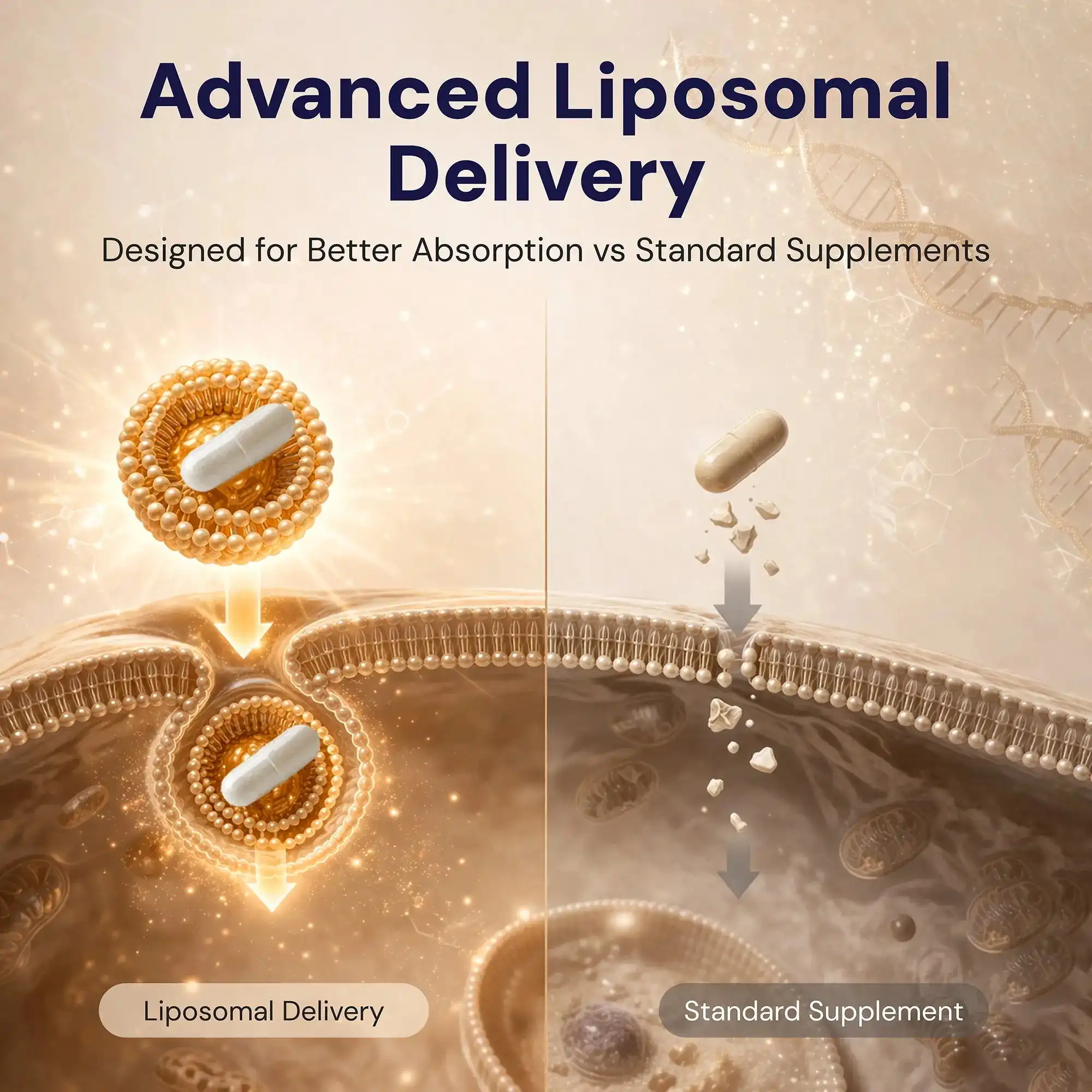
Liposomal NAD+ Powder works better than regular NAD+ vitamins because it uses advanced phospholipid capsule technology to keep the coenzyme from being broken down by stomach acid and digestive enzymes. This delivery method makes NAD+ forms 4–8 times more bioavailable than regular ones. This means that more active molecules get to their intended cells intact. The liposomal bilayer structure looks like natural cell membranes, which lets them directly fuse with intestinal cells and skip first-pass processing. This is a very important benefit that regular NAD+ pills can't match. This means that finished formulations will have measurable gains in cellular energy and anti-aging effects.
Understanding NAD+ and Its Role in Cellular Health
Nicotinamide Adenine Dinucleotide (NAD+) is an important coenzyme that is used in more than 500 chemical events in the body. This chemical is mostly found in mitochondria and helps cells make energy by making it easier for electrons to move around during cellular respiration. NAD+ also turns on sirtuins, which are proteins that fix DNA, control inflammation, and keep the metabolism running. Research shows that between the ages of 40 and 60, NAD+ levels drop by about half. This is directly linked to less efficient cells, cognitive loss, and metabolic diseases.
Getting the formulas to people has always been hard for formulators. When taken by mouth, standard NAD+ tablets face a number of problems. Before the molecule can be absorbed, it is quickly broken down by stomach acid. The intestinal epithelium is another problem because NAD+ has trouble passing through membranes. After all, its molecules are so big and have charged phosphate groups on them. Hepatic first-pass metabolism greatly lowers the amount that makes it to the systemic bloodstream, even if some molecules make it through digestion. These problems have made it hard for R&D teams to make useful NAD+-based goods.
Most pills and tablets that contain NAD+ have less than 10% absorption. The problem is made worse by the fact that the molecule is unstable in water; its hygroscopic features make it break down quickly when it comes in contact with water. This makes it hard for makers to make sure that their products stay effective throughout the marketing process and their shelf life. Even faster are liquid versions, which often need to be kept cool and stop working within weeks of being opened.
What is Liposomal NAD+ Powder and How Does It Work?
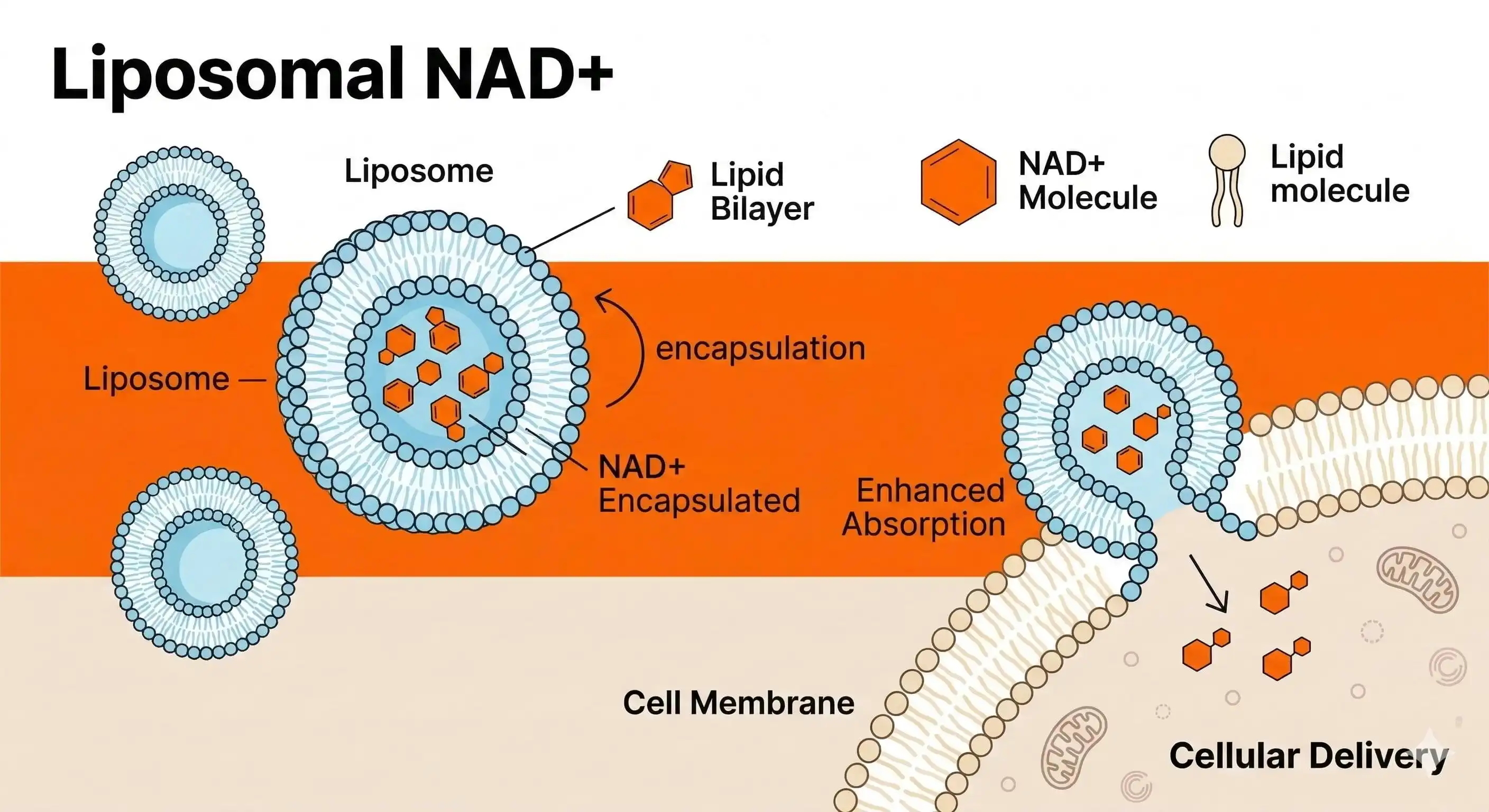
Liposomal capsule technology is a big change in the way nutrients are delivered. In this method, NAD+ molecules are contained within circular spheres made of phospholipid bilayers, which are the same stuff that makes up cell membranes. These liposomes, which are usually between 100nm and 300nm across, form a shield that protects the digestive system from enzyme attacks and changes in pH. The way it works is by copying living things. When liposomal particles come into contact with intestinal cells, their phospholipid makeup lets them join directly with cell membranes. This lets NAD+ enter the cytoplasm without the need for active transport systems. When compared to molecules that aren't protected, which have to get through cell walls in less efficient ways, this process makes absorption a lot more efficient.
Technical Specifications That Matter for Bulk Buyers
High-quality Liposomal NAD+ Powder has certain qualities that can be measured to prove that it was made well. More than 85% encapsulation effectiveness means that most of the NAD+ molecules are trapped inside liposomal structures and are not floating around as free powder. Dynamic Light Scattering (DLS) should show regularity in the particle size distribution with a Polydispersity Index below 0.3. This will make sure that the absorption is the same across runs. Zeta potential measures show that colloidal stability—values above ±20mV stop particles from sticking together while they are being stored. The powder form is better than liquid liposomal goods in several ways: it is more stable at room temperature, it is lighter and cheaper to ship, and it can be stored for 24 months without cooling. Quality liposomal powder turns into a milky mixture when mixed with water. This shows that the liposomal structure is still intact.
Dosage and Safety Considerations
End goods are usually dosed between 50 mg and 500 mg of NAD+ per serving, but this depends on the treatment goals. The powder form allows for exact customization for many types of products, from daily health supplements with lower concentrations to clinical-grade formulas that target specific metabolic conditions. The safety ratings are similar to those of regular NAD+ supplements, with few known side effects. The liposomal container itself uses phospholipids from non-GMO sources, like sunflower lecithin, that are generally thought to be safe (GRAS).
Comparing Liposomal NAD+ Powder with Other NAD+ Supplement Forms
There are several different NAD+-boosting supplements on the market, and each one has its own unique metabolic profile. By knowing these differences, you can make smart choices about what to buy that are in line with how you want to place your product and what your target market wants.
Liposomal NAD+ vs. Standard NAD+ Capsules
Performance gaps are very clear when you compare things directly. Standard NAD+ pills with exposed molecules have bioavailability rates of 5–10%, which means that a 250 mg dose only gets 12–25 mg into the bloodstream. This goes up to 40–60% bioavailability with liposomal delivery methods. This means that the same 250 mg dose provides 100–150 mg systemically, which is four to six times better. Because of this, brands can offer smaller amounts that work better, which could lower the cost of raw materials and make customers happier at the same time.
NAD+ Precursors: NMN and NR
Nicotinamide Mononucleotide (NMN) and Nicotinamide Riboside (NR) are different methods that don't involve adding NAD+ directly. After being absorbed, these precursor molecules change into NAD+ through enzyme-based processes. They are more bioavailable than untreated NAD+ (about 30% for NR), but they need to be changed in more steps, which can vary depending on the enzyme expression and metabolic state of the person. Liposomal NAD+ Powder provides the active molecule directly, so there is no need for conversion, and results are more consistent across different groups.
Evidence Supporting Superior Performance
Pharmacokinetic studies that check plasma NAD+ levels after a drug dose repeatedly show that liposomal formulations produce peak levels that are 3–4 times higher than those of non-encapsulated versions. Peer-reviewed research shows that liposomal delivery keeps NAD+ levels high for longer amounts of time, which gives cells long-lasting benefits instead of short spikes followed by quick clearing. This means that brands can really set their products apart when they tell customers how effective they are.
Procurement Considerations: Buying Liposomal NAD+ Powder in Bulk
To find pharmaceutical-grade Liposomal NAD+ Powder, you need to look at it from several technical and business points of view. To get materials that meet both formulation needs and market standards, procurement teams have to find a balance between quality assurance, regulatory compliance, cost structures, and source dependability.
Critical Quality Indicators
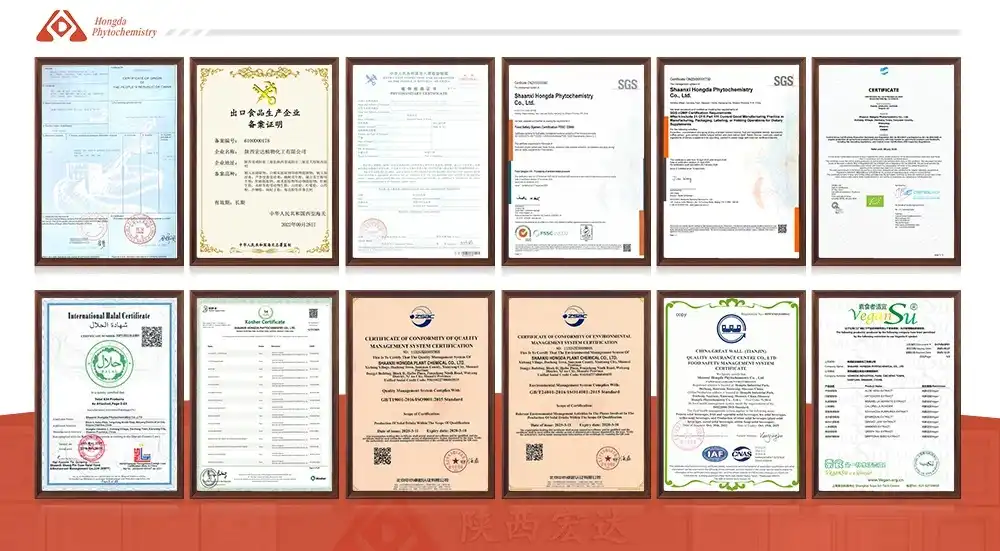
Purity standards are the basis for all decisions about buying things. The amount of NAD+ should be higher than 98%, which can be proven by HPLC analysis. This makes sure that there aren't many breakdown products or contaminants. Each batch must come with a Certificate of Analysis (COA) that shows that the microbe test results meet cGMP standards, meaning that the total plate count must be less than 1,000 CFU/g, yeast and mold must be less than 100 CFU/g, and pathogens such as E. coli and Salmonella must be absent. International approvals show that a product is made well and can be sold in other countries. Suppliers with FDA registration, ISO 9001 (quality management), ISO 22000 (food safety), and FSSC 22000 licenses show that they have a method for controlling quality. Religious Certifications like HALAL and KOSHER help businesses reach more customers, and organic approval is good for companies that want to use clean label tactics. SGS laboratory verification is a third-party proof that is done by an independent party and lowers the risk in the supply chain.
Pricing Structures and Lead Times
The production process for Liposomal NAD+ Powder is more complicated, so it usually costs more than regular NAD+. Bulk pricing generally starts at a minimum order quantity (MOQ) of 1 kg, and costs go down as you buy more—10 kg, 25 kg, and 100 kg or more. Suppliers who are open about their prices break down the costs of raw NAD+, phospholipid carriers, capsule processing, lyophilization, and quality testing in a very specific way. Lead times depend on the number of orders and the level of customization needed. Stock formulations usually ship within 7–14 business days, while special specs can take up to 45 days to make and test. Building relationships with sellers who have stores overseas in the countries where the goods will be sold, like FDA-registered facilities in the US, cuts down on shipping times and makes it easier for North American buyers to clear customs.
Customization and Private Labeling Opportunities
Differentiating products gives companies an edge in supplement markets that are already very crowded. Reliable providers can make changes to the formulation, such as changing the amount of NAD+ present, using different phospholipid sources (soy vs. sunflower), adding chemicals that work well together (resveratrol, pterostilbene, trimethylglycine), and adding taste masking systems for goods that people will be using. Private labeling services that include custom package design, bottle filling, labeling, and fulfillment let brands release goods that are ready to sell without having to spend a lot of money on building up a manufacturing infrastructure.
Vetting Suppliers and Requesting Samples
When you do your research, you can avoid problems with quality and quantity. Ask for facility audit reports, customer references from well-known names, and batch testing records that show stability between different production runs. When a sample is being evaluated, it should be put through reconstitution tests, particle size analysis (if DLS equipment is provided), and basic stability studies under accelerated conditions. Reliable sellers are happy to give samples for a small fee and answer formulation teams' technical questions.
Why Liposomal NAD+ Powder Is the Preferred Choice for Global B2B Clients
More and more, global makers and wholesalers say that Liposomal NAD+ Powder is the best active ingredient for a wide range of products. This choice is based on real business benefits, going beyond better solubility and including operating efficiency, market positioning, and keeping customers.
Product Efficacy Drives Customer Loyalty
Customers' doubts about the usefulness of China Nadh powder supplements are a constant problem for the supplement business. Liposomal delivery methods give customers benefits they can see and feel, like more energy, clearer thinking, and faster recovery times. These effects show up in days instead of weeks. This quick start of benefits cuts down on the "try and abandon" cycle that brands with poor products often experience. When customers get real results, they are more likely to buy from you again, your total customer value goes up, and good reviews spread naturally through word of mouth.
Cross-Category Application Versatility
Liposomal NAD+ Powder works well with a wide range of product types. It is added to pills, tablets, powdered drink mixes, and functional liquids by companies that make dietary supplements. Liposomal NAD+ is used in anti-aging serums, creams, and masks by the cosmetics industry because it can help skin cells grow back. Sports nutrition companies make pre-workout and rehab items that work to fix muscles and make mitochondria produce energy. Because of this, suppliers can serve more than one type of customer with the same main ingredient, which makes inventory management and relationships with suppliers more efficient.
Regulatory Compliance and Market Access
Regulatory guidelines are easier to understand for products made with pharmaceutical-grade Liposomal NAD+ Powder from approved facilities. New Dietary Ingredient (NDI) notifications in the US and Novel Food applications in European markets are backed up by a lot of information, such as confirmation of the manufacturing method, stability data, and toxicology tests. Suppliers with multiple foreign certifications make it easier for brands that do business across countries to follow the rules. This lowers legal risks and speeds up the time it takes to get new goods to market.
Long-Term Partnership Value
Because liposomal technology is so complicated, it is hard to switch suppliers. Once formulation development is done and goods are on the market, brands benefit from keeping solid relationships with their suppliers to make sure that quality stays high and supplies don't run out. Technical help for improving formulations, information on market trends, and working together to make new products all help to build relationships that help both sides grow. Suppliers with large product lines—400 or more natural extracts and active ingredients—become one-stop shops that make buying easier and lower the cost of administration.
Conclusion
Liposomal encapsulation technology has completely changed NAD+ supplements by fixing problems with absorption that plagued older versions. The phospholipid bilayer defense and biomimetic absorption processes make the NAD+ supplements 4–8 times more available in the body than regular supplements. This means better product performance, happier customers, and a way for B2B clients in the nutrition, pharmaceutical, and cosmetics industries to stand out in busy markets. When making purchases, people should look for suppliers that offer a wide range of certifications, expert help, and consistent quality that is backed by strict testing methods. More and more people are becoming interested in cellular health and anti-aging products. Liposomal NAD+ Powder is a smart ingredient investment that puts brands at the top of metabolic health innovation. This advanced delivery system is the best choice for companies that want to make sure their finished goods have measurable results because it has been shown to work, follows the rules, and can be made in a variety of ways.
FAQIs liposomal NAD+ powder safe for long-term formulation use?
Indeed, Liposomal NAD+ Powder has a very good safety rating for long-term use in market formulations. The NAD+ molecule is a native coenzyme that is found naturally in all human cells. Supplementation mostly restores amounts that have been lost instead of adding new substances. The phospholipid carriers used in good liposomal formulations come from GRAS-approved sources like sunflower or soy lecithin and have been used safely in food and medicine for decades. Microbial testing that follows cGMP guidelines ensures that goods are very pure. Clinical studies show that the suggested doses have few side effects, mostly mild digestive problems in sensitive people when taken on an empty stomach. These problems can be easily fixed by changing the formulation or the way the drug is used.
Can liposomal NAD+ powder be combined with other active ingredients?
Of course. One of the best things about working with Liposomal NAD+ Powder is that it is easy to mix with other ingredients. It works well with substances that work well with it, such as resveratrol, pterostilbene, CoQ10, B-vitamins (especially B3 forms), and different types of adaptogens. When making mixtures with more than one ingredient, keep the pH levels in the right ranges (usually 6.5 to 7.5) while mixing to protect the stability of the liposomal structure. Do not mix with strong chelating agents or large amounts of chemicals that could make phospholipid membranes less stable. Good sources can help with technical formulation and can test the stability of suggested combos to make sure that synergistic ingredients don't reduce the effectiveness of liposomal encapsulation over the course of the product's shelf life.
How does pricing compare between liposomal and standard NAD+ forms?
Because of the complicated encapsulating process, special tools are needed, and extra quality control tests, Liposomal NAD+ Powder costs 40–60% more than unencapsulated NAD+. When bioavailability is taken into account in effective dose estimates, however, the total cost of the study favors liposomal forms. A 250 mg dose of liposomal NAD+ is as bioavailable in the body as 1,000 mg or more of normal NAD+. This means that brands can get better results with smaller amounts of active ingredient per serve. Because of this, the costs of formulation are often the same or even less when they are estimated per effective amount instead of per milligram of raw material. Brands that are ready to spend more on premium ingredients will get a better return on their investment because truly effective goods make customers happier and keep them coming back.
Partner with Hongda for Superior Liposomal NAD+ Powder Supply
Since 2001, Shaanxi Hongda Phytochemistry has been a reliable maker of Liposomal NAD+ Powder, sending pharmaceutical-grade ingredients to clients around the world who use them in nutraceuticals, cosmetics, and functional foods. Our 20,000-square-meter, state-of-the-art building has advanced extraction technology and SGS-certified laboratories that make liposomal products that are more than 85% effective at encapsulation and 4x–8x more bioavailable than regular NAD+ supplements. We help you follow the rules in all foreign markets by having a lot of certifications, such as FDA registration, cGMP, ISO 9001, ISO 22000, HALAL, KOSHER, and ORGANIC. Our technical team of more than 20 Ph.D. researchers can help you with formulation, offer custom development services, and create private labeling solutions that fit the way you want to place your brand. The smallest amount you can buy is just 1 kg, and there are flexible price structures for bulk purchases. Hongda offers dependable supply chains and 24-month product stability, whether you need ready-to-market formulas or custom-made solutions that use our collection of 400+ natural extracts. You can email our team at duke@hongdaherb.com to get detailed details, sample evaluation kits, and prices for Liposomal NAD+ Powder that we sell. Let us help you come up with new products by giving you ingredients that will give your customers real, measured results.
References
1. Cantó, C., Menzies, K.J., and Auwerx, J. (2015). NAD+ Metabolism and the Control of Energy Homeostasis: A Balancing Act between Mitochondria and the Nucleus. Cell Metabolism, 22(1), 31-53.
2. Yoshino, J., Baur, J.A., and Imai, S. (2018). NAD+ Intermediates: The Biology and Therapeutic Potential of NMN and NR. Cell Metabolism, 27(3), 513-528.
3. Akbarzadeh, A., Rezaei-Sadabady, R., and Davaran, S. (2013). Liposome: Classification, Preparation, and Applications. Nanoscale Research Letters, 8(1), 102-110.
4. Rajman, L., Chwalek, K., and Sinclair, D.A. (2018). Therapeutic Potential of NAD-Boosting Molecules: The In Vivo Evidence. Cell Metabolism, 27(3), 529-547.
5. Bulbake, U., Doppalapudi, S., Kommineni, N., and Khan, W. (2017). Liposomal Formulations in Clinical Use: An Updated Review. Pharmaceutics, 9(2), 12-38.
6. Shade, C. (2016). Liposomes as Advanced Delivery Systems for Nutraceuticals. Integrative Medicine: A Clinician's Journal, 15(1), 33-36.





_1767163769662.webp "Alpha Lipoic Acid Powder")
