What Is Ursodeoxycholic Acid Used To Treat?
2025-08-13 10:55:18
Ursodeoxycholic acid (UDCA), also known as ursodiol, is a naturally occurring bile acid that has gained significant attention in the medical field due to its therapeutic properties. This compound is primarily used to treat various liver and gallbladder disorders. UDCA works by reducing the amount of cholesterol produced by the liver and absorbed by the intestines, which helps in dissolving gallstones and improving liver function.

How does UDCA powder work in the treatment of liver diseases?
UDCA Powder has emerged as a powerful therapeutic agent in the treatment of various liver diseases. Its mechanism of action is multifaceted, making it an effective treatment option for a range of hepatic disorders.
At its core, UDCA works by altering the composition of bile acids in the body. Bile acids are naturally produced by the liver and play a crucial role in digestion and the absorption of fats. However, in certain liver diseases, the balance of bile acids can become disrupted, leading to the accumulation of toxic bile acids that can damage liver cells.
UDCA helps to restore this balance by replacing toxic bile acids with its non-toxic form. This process, known as bile acid replacement therapy, helps to protect liver cells from damage and promotes their survival. Additionally, UDCA has been shown to have cytoprotective properties, meaning it can directly protect liver cells from injury caused by various factors, including inflammation and oxidative stress.
One of the primary applications of UDCA powder is in the treatment of primary biliary cholangitis (PBC), a chronic liver disease that primarily affects women. In PBC, the bile ducts in the liver become damaged, leading to the buildup of bile and eventual liver damage. UDCA has been shown to slow the progression of PBC, improve liver function tests, and potentially extend survival in patients with this condition.
UDCA is also used in the management of other liver diseases, such as primary sclerosing cholangitis (PSC), intrahepatic cholestasis of pregnancy, and certain drug-induced liver injuries. In these conditions, UDCA helps to improve bile flow, reduce inflammation, and protect liver cells from damage.
Furthermore, UDCA has shown promise in the treatment of non-alcoholic fatty liver disease (NAFLD) and its more severe form, non-alcoholic steatohepatitis (NASH). These conditions, which are becoming increasingly prevalent due to the rise in obesity and metabolic syndrome, can lead to serious liver damage if left untreated. UDCA may help to reduce liver fat accumulation and improve liver function in patients with NAFLD and NASH.
The dosage and duration of UDCA treatment can vary depending on the specific liver condition being treated. It's typically administered orally in the form of tablets or capsules, but UDCA powder can also be used to prepare liquid formulations for patients who have difficulty swallowing pills.
It's important to note that while UDCA is generally well-tolerated and has a good safety profile, it should only be used under the guidance of a healthcare professional. Regular monitoring of liver function and response to treatment is essential to ensure the best outcomes for patients using UDCA for liver diseases.
What are the potential side effects of using UDCA powder?
While UDCA powder is generally considered safe and well-tolerated, like any medication, it can cause side effects in some individuals. Understanding these potential side effects is crucial for patients and healthcare providers to make informed decisions about treatment and to monitor for any adverse reactions.
The most common side effects associated with UDCA are typically mild and gastrointestinal in nature. These can include:
1. Diarrhea: This is perhaps the most frequently reported side effect. The loose stools are usually mild and tend to improve as the body adjusts to the medication.
2. Nausea and vomiting: Some patients may experience feelings of queasiness or actual vomiting, especially when first starting the medication.
3. Abdominal pain or discomfort: This can range from mild cramping to more noticeable abdominal pain.
4. Constipation: Although less common than diarrhea, some patients may experience constipation.
5. Indigestion or heartburn: UDCA can sometimes cause acid reflux-like symptoms in some individuals.
These gastrointestinal side effects are often dose-dependent, meaning they may be more likely to occur or more severe with higher doses of UDCA. In many cases, these side effects can be managed by adjusting the dosage or taking the medication with food.
Less common but potentially more serious side effects can include:
1. Allergic reactions: Although rare, some people may develop an allergic reaction to UDCA. Symptoms can include rash, itching, swelling, severe dizziness, or difficulty breathing.
2. Liver function abnormalities: In some cases, UDCA powder may cause temporary elevations in liver enzyme levels. This is usually not a cause for concern but should be monitored by a healthcare provider.
3. Gallbladder calcification: Long-term use of UDCA for gallstone dissolution may, in rare cases, lead to calcification of the gallbladder.
4. Skin reactions: Some patients have reported itching, rashes, or other skin reactions while taking UDCA.
5. Headache: While not extremely common, some patients report experiencing headaches as a side effect of UDCA.
It's important to note that the occurrence and severity of side effects can vary from person to person. Factors such as individual physiology, dosage, and concurrent medical conditions or medications can all influence how a person responds to UDCA.
For patients with certain conditions, such as complete biliary obstruction, gallbladder disease without gallstones, or known hypersensitivity to bile acids, UDCA may be contraindicated. Additionally, pregnant women should use UDCA only if clearly needed, as its effects on fetal development are not fully understood.
Patients should always inform their healthcare provider about any side effects they experience while taking UDCA. In most cases, the benefits of UDCA treatment outweigh the potential risks, especially for patients with chronic liver diseases. However, continuous monitoring and open communication with healthcare providers are essential to ensure safe and effective use of this medication.
Can UDCA powder be used for weight loss or other off-label purposes?
The use of UDCA powder for weight loss or other off-label purposes is a topic that has garnered interest in recent years. However, it's important to approach this subject with caution and a clear understanding of the current scientific evidence.
First and foremost, it's crucial to note that UDCA is not approved by regulatory agencies such as the FDA for weight loss or any other off-label uses. Its primary and approved uses are for the treatment of certain liver and gallbladder disorders, as discussed earlier. Any use of UDCA outside of these approved indications is considered off-label and should only be done under the close supervision of a healthcare professional.
That being said, there has been some research exploring the potential effects of UDCA on weight and metabolism. Some studies have suggested that UDCA might have a role in improving insulin sensitivity and reducing fat accumulation in the liver, which are factors often associated with obesity and metabolic syndrome.
For instance, a study published in the journal "Metabolism" found that UDCA treatment improved insulin sensitivity in obese individuals with non-alcoholic fatty liver disease (NAFLD). Another study in the "World Journal of Gastroenterology" suggested that UDCA might help reduce body weight and improve metabolic parameters in patients with NAFLD.
However, it's important to interpret these findings cautiously. While these studies show promising results, they are generally small in scale and often focus on specific patient populations (such as those with NAFLD). The effects of UDCA powder on weight in healthy individuals or its efficacy as a general weight loss aid have not been thoroughly studied or established.
Moreover, the mechanisms by which UDCA might influence weight or metabolism are not fully understood. It's thought that UDCA's effects on bile acid composition and its potential to improve insulin sensitivity might play a role, but more research is needed to confirm these hypotheses and understand their clinical significance.
As for other off-label uses, UDCA has been studied for various conditions beyond its approved indications. Some areas of research include:
1. Colorectal cancer prevention: Some studies have suggested that UDCA might have a protective effect against colorectal cancer, particularly in patients with ulcerative colitis who are at higher risk.
2. Cystic fibrosis-associated liver disease: UDCA has shown potential in improving liver function tests in patients with cystic fibrosis-related liver disease.
3. Neurological disorders: There is ongoing research into the potential neuroprotective effects of UDCA in conditions such as Parkinson's disease and Alzheimer's disease.
4. Eye disorders: Some studies have explored the use of UDCA in treating certain eye conditions, such as retinitis pigmentosa.
While these areas of research are intriguing, it's important to emphasize that these are experimental uses of UDCA. The evidence for these applications is often preliminary, and more extensive clinical trials are needed to establish efficacy and safety.
It's also worth noting that using medications for off-label purposes can carry risks. The safety profile of UDCA when used for its approved indications is well-established, but its effects when used for other purposes or in different patient populations may not be fully understood.
In conclusion, while there is some preliminary evidence suggesting potential benefits of UDCA in weight management and other off-label uses, these applications are not currently approved or recommended. The use of UDCA powder or any form of UDCA for weight loss or other off-label purposes should only be considered under the guidance of a healthcare professional, taking into account the individual's overall health status, potential risks, and the current state of scientific evidence.
As with any medical treatment, it's crucial to prioritize evidence-based approaches and to make decisions in consultation with qualified healthcare providers. Future research may provide more insights into the potential broader applications of UDCA, but for now, its primary role remains in the treatment of specific liver and gallbladder disorders.
Hongda Phytochemistry Co., Ltd. is a reputable company with several competitive advantages in the industry. With six advanced production lines operating simultaneously, the factory has an impressive daily output of ten tons and an annual output of several thousand tons. This highlights our capability to meet substantial production demands. The company employs approximately 300 individuals across various departments, including production, Packaging, purchasing, storage and transportation, quality inspection, sales, operations, and finance. Each department plays a crucial role in ensuring efficient operations and maintaining high-quality standards. Adhering to ISO and GMP standards, Hongda Phytochemistry strictly selects raw materials and implements stringent production and management processes. Only after passing thorough inspections do our products enter storage. This emphasizes our commitment to delivering safe and reliable products to customers.
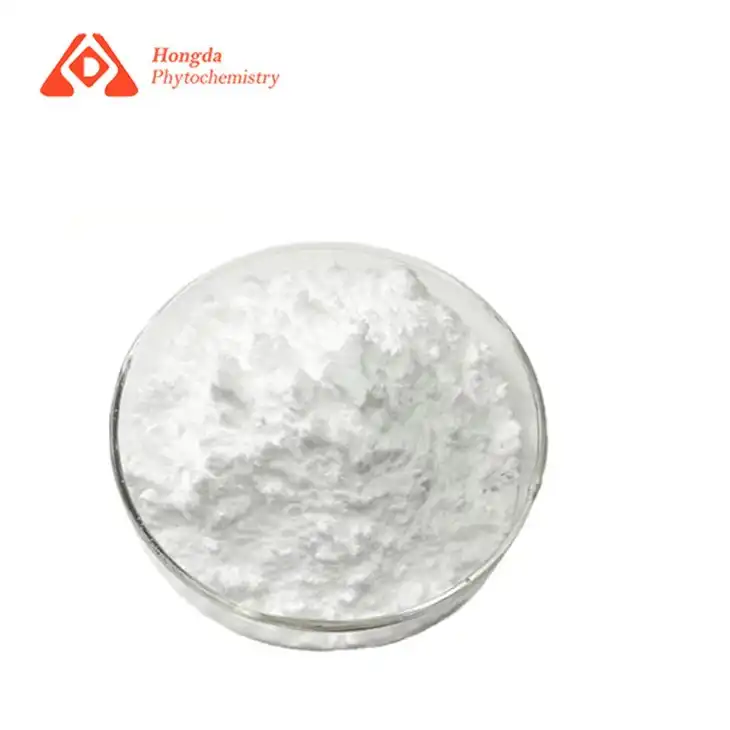
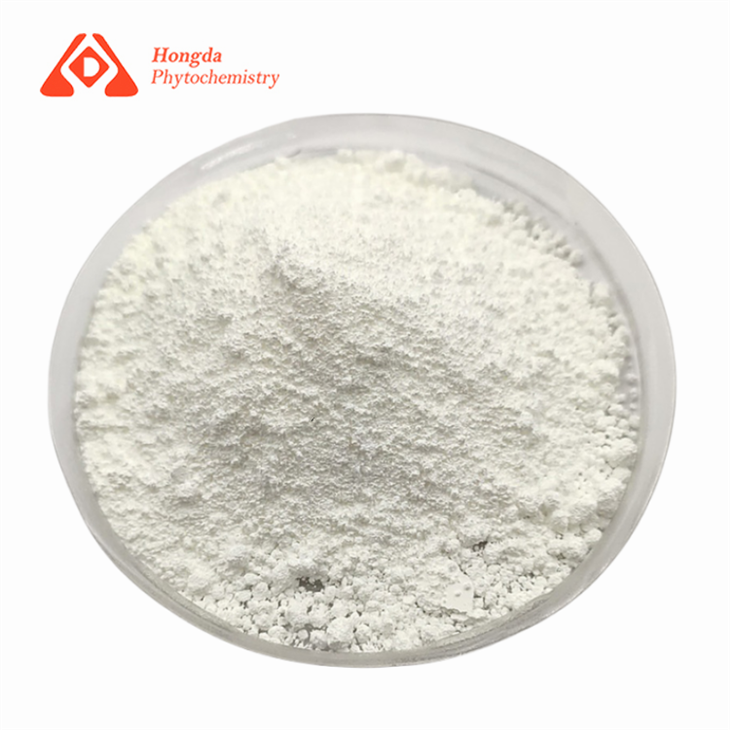
One of our highly acclaimed products is Ursodeoxycholic Acid Powder, recognized for its exceptional quality. Customers have consistently praised this product, establishing it as a trusted option in the market. For further information on this product or any other inquiries, please contact duke@hongdaherb.com. Hongda Phytochemistry Co., Ltd. is dedicated to providing top-quality products and excellent customer service. We are well-equipped to meet customer needs and are eager to assist with any product-related requirements.
References:
1. Poupon, R. (2012). Ursodeoxycholic acid and bile-acid mimetics as therapeutic agents for cholestatic liver diseases: An overview of their mechanisms of action. Clinics and Research in Hepatology and Gastroenterology, 36, S3-S12.
2. Lindor, K. D., et al. (2009). Primary biliary cirrhosis. Hepatology, 50(1), 291-308.
3. Ratziu, V., et al. (2011). A randomized controlled trial of high-dose ursodesoxycholic acid for nonalcoholic steatohepatitis. Journal of Hepatology, 54(5), 1011-1019.
4. Lazaridis, K. N., et al. (2001). Ursodeoxycholic acid 'mechanisms of action and clinical use in hepatobiliary disorders'. Journal of Hepatology, 35(1), 134-146.
5. Mueller, M., et al. (2015). Ursodeoxycholic acid exerts farnesoid X receptor-antagonistic effects on bile acid and lipid metabolism in morbid obesity. Journal of Hepatology, 62(6), 1398-1404.
6. Paumgartner, G., & Beuers, U. (2002). Ursodeoxycholic acid in cholestatic liver disease: mechanisms of action and therapeutic use revisited. Hepatology, 36(3), 525-531.
7. Hofmann, A. F. (1994). Pharmacology of ursodeoxycholic acid, an enterohepatic drug. Scandinavian Journal of Gastroenterology, 29(sup204), 1-15.
8. Roma, M. G., et al. (2011). Ursodeoxycholic acid in cholestasis: linking action mechanisms to therapeutic applications. Clinical Science, 121(12), 523-544.
9. Beuers, U., et al. (2015). New paradigms in the treatment of hepatic cholestasis: from UDCA to FXR, PXR and beyond. Journal of Hepatology, 62(1), S25-S37.
10. Fickert, P., et al. (2017). Ursodeoxycholic acid: mechanism of action and novel clinical applications. Current Pharmaceutical Design, 23(1), 187-195.