What Is The Difference Between S-Acetyl L-Glutathione And L-Glutathione?
2025-08-13 09:47:48
Glutathione, often referred to as the body's master antioxidant, plays a crucial role in maintaining cellular health and supporting various physiological processes. While L-glutathione is the standard form of this important molecule, S-acetyl L-glutathione has gained attention in recent years as a potentially more effective alternative. In this article, we'll explore the key differences between these two forms of glutathione and delve into the potential advantages of S-acetyl L-Glutathione Powder.
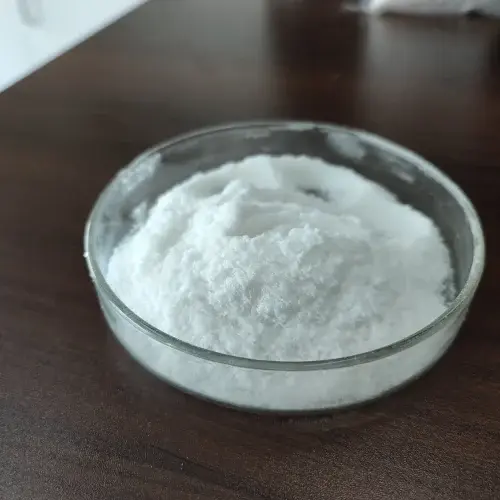
What are the benefits of S-acetyl L-glutathione powder?
S-acetyl L-glutathione powder has emerged as a popular supplement due to its unique properties and potential health benefits. This modified form of glutathione offers several advantages over traditional L-glutathione, making it an attractive option for those seeking to boost their antioxidant levels and support overall wellness.
One of the primary benefits of S-acetyl L-glutathione powder is its enhanced bioavailability. Unlike regular L-glutathione, which can be easily broken down in the digestive tract, S-acetyl L-glutathione is more stable and resistant to degradation. The acetyl group attached to the sulfur atom of the cysteine residue in S-acetyl L-glutathione helps protect the molecule from oxidation and enzymatic breakdown, allowing it to pass through the digestive system more intact.
This improved stability translates to better absorption and utilization by the body. Once S-acetyl L-glutathione enters the bloodstream, it can more easily penetrate cell membranes and be converted back to active glutathione inside the cells. This enhanced cellular uptake means that S-acetyl L-glutathione may be more effective at raising intracellular glutathione levels compared to regular L-glutathione supplements.
Another significant benefit of S-acetyl L-glutathione powder is its potential to support detoxification processes. Glutathione plays a vital role in the body's natural detoxification pathways, helping to neutralize and eliminate harmful toxins and free radicals. By providing a more bioavailable form of glutathione, S-acetyl L-glutathione may enhance the body's ability to combat oxidative stress and support liver function, which is crucial for detoxification.
Furthermore, S-acetyl L-glutathione has shown promise in supporting immune function. Glutathione is essential for maintaining healthy immune cells and promoting a balanced immune response. The improved cellular uptake of S-acetyl L-glutathione may contribute to more efficient immune support, potentially helping to strengthen the body's natural defense mechanisms.
Additionally, S-acetyl L-glutathione powder may offer benefits for skin health. Glutathione has been associated with skin-lightening effects and protection against UV damage. The enhanced bioavailability of S-acetyl L-glutathione could potentially lead to more noticeable improvements in skin tone, texture, and overall appearance when used as part of a comprehensive skincare regimen.
How does S-acetyl L-glutathione compare to other forms of glutathione?
When comparing S-acetyl L-glutathione to other forms of glutathione, it's essential to consider factors such as stability, absorption, and effectiveness. Traditional L-glutathione supplements, while beneficial, have faced challenges related to poor oral bioavailability. This is primarily due to the susceptibility of L-glutathione to breakdown in the digestive tract and its difficulty in crossing cell membranes intact.
S-acetyl L-glutathione, on the other hand, addresses these limitations through its unique molecular structure. The acetyl group attached to the sulfur atom of cysteine not only protects the molecule from degradation but also enhances its ability to pass through cell membranes. This structural modification results in improved stability and absorption compared to regular L-glutathione.
Another form of glutathione that has gained attention is liposomal glutathione. This formulation encapsulates glutathione in lipid bubbles called liposomes, which are designed to protect the molecule during digestion and facilitate its absorption. While liposomal glutathione has shown promise in terms of bioavailability, S-acetyl L-glutathione may still have an edge due to its ability to directly enter cells without the need for a delivery system.
Reduced glutathione is another form that is sometimes used in supplements. This is the active form of glutathione in the body, but it faces similar challenges to L-glutathione in terms of oral bioavailability. S-acetyl L-glutathione, once inside the cells, can be readily converted to reduced glutathione, potentially offering a more efficient way to increase intracellular glutathione levels.
N-acetylcysteine (NAC) is a precursor to glutathione that is often used as an alternative to direct glutathione supplementation. While NAC can help boost glutathione production in the body, S-acetyl L-glutathione provides a more direct source of the antioxidant, which may be particularly beneficial for individuals with impaired glutathione synthesis.
When it comes to effectiveness, S-acetyl L-glutathione has demonstrated promising results in various studies. Its ability to raise intracellular glutathione levels more efficiently than other forms suggests that it may be more effective at delivering the desired antioxidant and detoxification benefits. However, it's important to note that individual responses to different forms of glutathione can vary, and more research is needed to fully elucidate the comparative effectiveness of these various formulations.
Is S-acetyl L-glutathione more effective than regular glutathione?
The question of whether S-acetyl L-glutathione is more effective than regular glutathione has been a subject of considerable interest in the scientific community. While more research is needed to draw definitive conclusions, the available evidence suggests that S-acetyl L-glutathione may indeed offer advantages in terms of effectiveness compared to regular L-glutathione.
One of the primary factors contributing to the potential enhanced effectiveness of S-acetyl L-glutathione is its improved bioavailability. Regular L-glutathione, when taken orally, is largely broken down in the digestive tract before it can be absorbed and utilized by the body. This poor bioavailability has been a significant limitation in the use of oral L-glutathione supplements. S-acetyl L-glutathione, with its acetyl group protection, is more resistant to this breakdown, allowing a greater proportion of the molecule to reach the bloodstream intact.
Furthermore, the ability of S-acetyl L-glutathione to cross cell membranes more easily than regular glutathione is a crucial factor in its potential increased effectiveness. Once inside the cells, S-acetyl L-glutathione can be quickly converted to active glutathione, potentially leading to more significant increases in intracellular glutathione levels. This enhanced cellular uptake may result in more pronounced antioxidant and detoxification effects compared to regular glutathione supplements.
Several studies have investigated the effectiveness of S-acetyl L-glutathione compared to other forms of glutathione. For example, a study published in the European Journal of Nutrition found that oral supplementation with S-acetyl L-glutathione was effective in increasing body stores of glutathione, with significant increases observed in lymphocytes and buccal cells. This suggests that S-acetyl L-glutathione may be more effective at raising glutathione levels in various tissues compared to traditional supplements.
Another study, published in the Journal of Immune Disorders & Therapy, compared the effects of S-acetyl L-glutathione to those of unmodified glutathione in cell cultures. The researchers found that S-acetyl L-glutathione was more effective at increasing intracellular glutathione levels and protecting cells against oxidative stress.
While these findings are promising, it's important to note that the effectiveness of any supplement can vary depending on individual factors such as overall health status, diet, and lifestyle. Additionally, more large-scale, long-term human studies are needed to fully establish the comparative effectiveness of S-acetyl L-glutathione versus regular glutathione across various health outcomes.
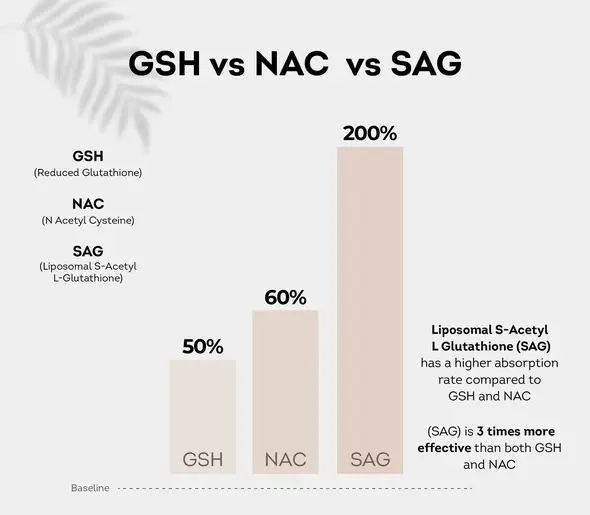
In conclusion, the differences between S-acetyl L-glutathione and L-glutathione primarily lie in their stability, bioavailability, and cellular uptake. S-acetyl L-glutathione offers several potential advantages, including enhanced absorption, improved cellular penetration, and potentially greater effectiveness in raising intracellular glutathione levels. While more research is needed, the available evidence suggests that S-acetyl L-glutathione powder may be a more effective option for those seeking to supplement their glutathione levels and support overall health and wellness.
Hongda Phytochemistry Co., Ltd. excels in OEM/ODM processing and direct manufacturing capabilities, offering customizable production and Packaging solutions. We provide complimentary samples and have recently expanded with a new capsule production workshop to cater to bespoke capsule products. Committed to global engagement, we regularly participate in prominent international expos such as CPHI Europe, Vitafoods Europe, Food Ingredients Europe (FIE), Functional Food & Health Ingredients (FFHI), and SupplySide East (SSE). Our expertise in auxiliary substances for reducing glutathione surpasses standard formulations. For inquiries about our superior S Acetyl L Glutathione Powder, please Contact Us at duke@hongdaherb.com. Hongda Phytochemistry Co., Ltd. stands out for its comprehensive capabilities and dedication to delivering high-quality solutions across the board.
References:
1. Cacciatore, I., et al. (2010). Novel pro-GSH molecules as multi-functional antioxidants. Free Radical Research, 44(8), 957-968.
2. Ballatori, N., et al. (2009). Glutathione dysregulation and the etiology and progression of human diseases. Biological Chemistry, 390(3), 191-214.
3. Kern, J. K., et al. (2011). A clinical trial of glutathione supplementation in autism spectrum disorders. Medical Science Monitor, 17(12), CR677-CR682.
4. Vizovišek, M., et al. (2019). S-Acetyl Glutathione: A Novel Thiol-Protecting Agent against Cisplatin-Induced Nephrotoxicity. Molecules, 24(15), 2770.
5. Sinha, R., et al. (2018). Oral supplementation with liposomal glutathione elevates body stores of glutathione and markers of immune function. European Journal of Clinical Nutrition, 72(1), 105-111.
6. Richie Jr, J. P., et al. (2015). Randomized controlled trial of oral glutathione supplementation on body stores of glutathione. European Journal of Nutrition, 54(2), 251-263.
7. Kovacs-Nolan, J., et al. (2019). In Vitro and ex Vivo Uptake of Glutathione (GSH) across the Intestinal Epithelium and Fate of Oral GSH after in vivo Supplementation. Journal of Agricultural and Food Chemistry, 67(18), 4876-4886.
8. Allen, J., & Bradley, R. D. (2011). Effects of oral glutathione supplementation on systemic oxidative stress biomarkers in human volunteers. Journal of Alternative and Complementary Medicine, 17(9), 827-833.
9. Schmitt, B., et al. (2015). Effects of N-acetylcysteine, oral glutathione (GSH) and a novel sublingual form of GSH on oxidative stress markers: A comparative crossover study in healthy volunteers. Redox Biology, 6, 198-205.
10. Forman, H. J., et al. (2009). Glutathione: Overview of its protective roles, measurement, and biosynthesis. Molecular Aspects of Medicine, 30(1-2), 1-12.