What Is Creatine Monohydrate Powder?
2025-08-15 14:16:21
Walk into any gym or health food store, and you’re likely to see creatine supplements prominently displayed. This popular sports supplement is widely used by athletes and fitness enthusiasts to enhance performance and gain muscle mass. But what exactly is creatine monohydrate powder and how does it work? Keep reading to learn the science behind creatine, its proven performance benefits, proper usage, and potential side effects.
What is Creatine Monohydrate Powder?
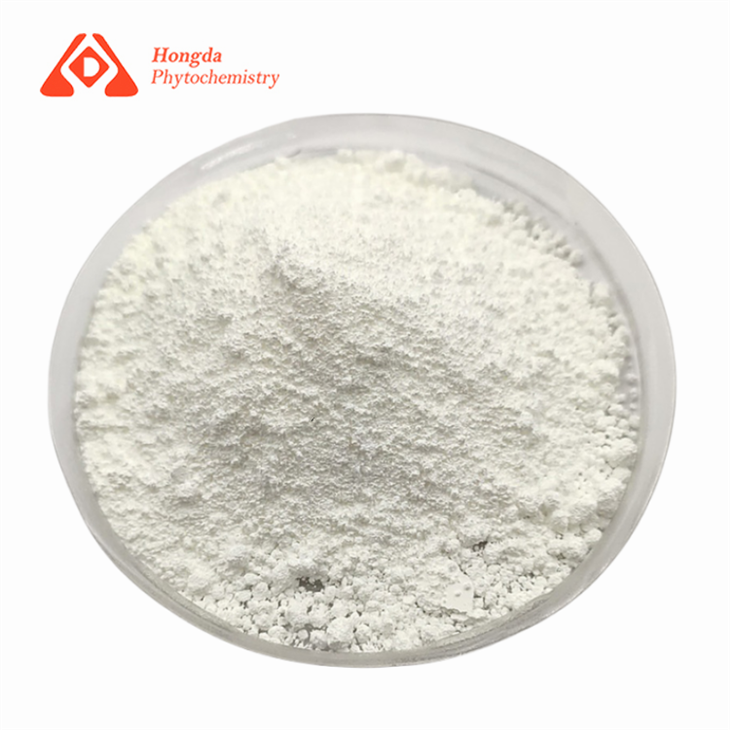
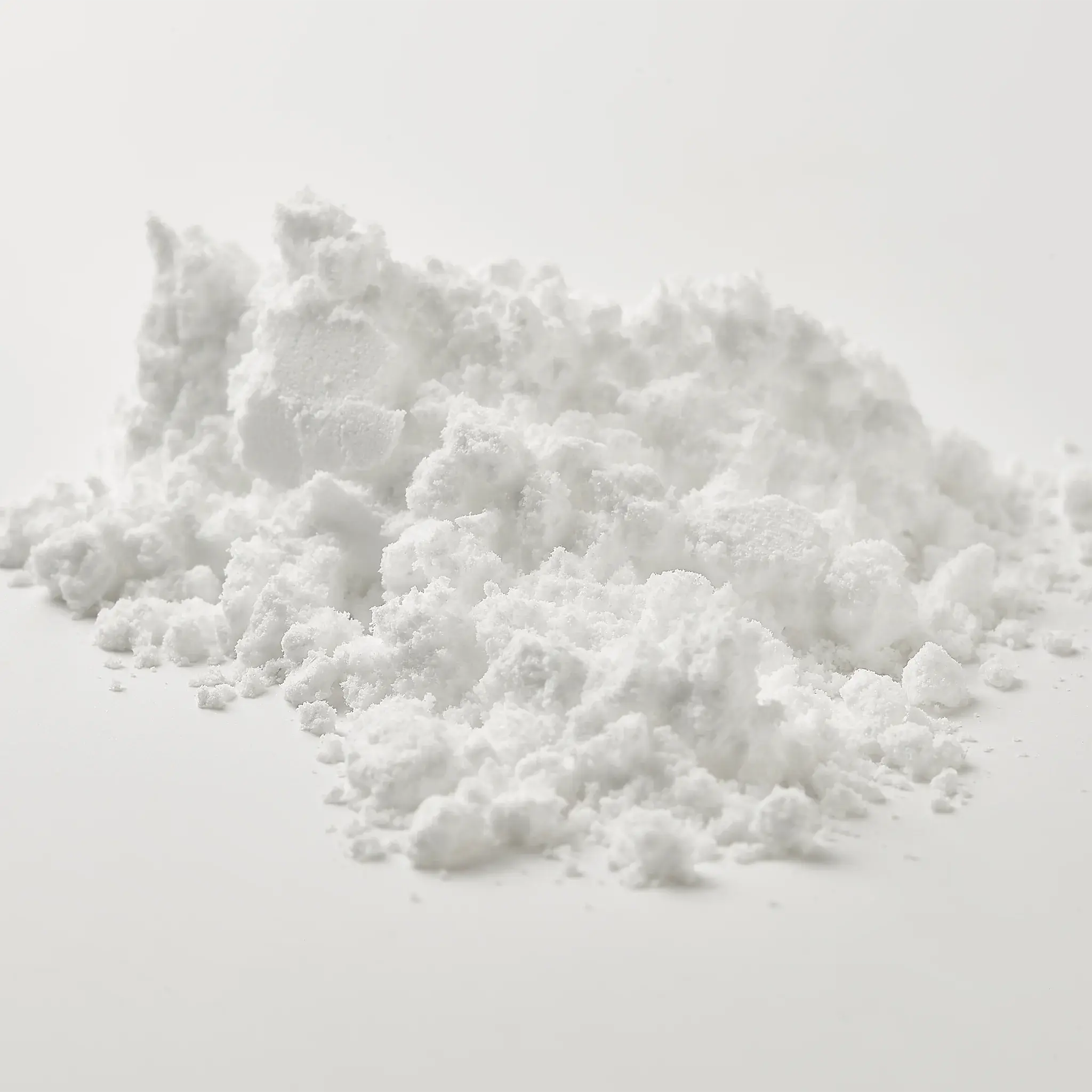
Creatine monohydrate powder is a common supplemental form of creatine, an organic acid naturally produced in the human body. Creatine plays a key role in providing energy for muscle contraction and is found in highest concentrations in skeletal muscle tissue.
Chemically speaking, creatine monohydrate is creatine bound to a water molecule. It contains about 90% creatine by weight. When taken as a powdered supplement, creatine monohydrate dissociates into free creatine and is absorbed by muscle tissue. There, it helps regenerate ATP, the key energy molecule used for explosive movements.
By increasing stores of creatine in the muscles, creatine monohydrate powder is thought to enhance anaerobic power and capacity during high-intensity activities like sprinting, weightlifting, and team sports. The effects kick in as creatine levels become saturated after several days of dosing.
What are the Benefits of Creatine Monohydrate?
Decades of scientific research show that creatine monohydrate supplementation can provide several performance and physique enhancing effects:
- Improved strength and power output – Multiple studies confirm creatine supplementation increases bench press, squat, and total weight lifting strength when combined with training. Power output also sees significant improvements.
- Increased lean muscle mass – By enabling more intensive training, creatine aids muscle growth and the addition of lean mass, especially when combined with resistance training.
- Boosted anaerobic performance – Activities like sprinting, rowing and sports relying on 30 second or less bursts of speed and strength see benefits from increased muscular creatine stores.
- Enhanced cognitive performance – Some evidence indicates creatine may improve cognition by supporting brain energy metabolism, especially during demanding tasks.
- Accelerated post-workout recovery – By boosting regeneration of muscular ATP, creatine aids workout recovery so athletes can return to training sooner.
- Reduced fatigue and injury risk – Creatine supplementation appears to reduce musculoskeletal injuries and combat both physical and mental fatigue.
The effects are most pronounced for athletes participating in short-duration, high-intensity sports and workouts. Power and strength athletes tend to see the greatest performance improvements from creatine supplementation.
What is Creatine Monohydrate Powder Used For?
Here are some of the most common uses of Creatine Monohydrate Powder among athletes and recreational fitness enthusiasts:
- Weight lifting – Increased muscular power helps lift more weight during training for greater strength and muscle gains.
- Sprinting & running – Improved repeated sprint performance and accelerated recovery between intervals or events.
- Team sports – Enhanced ability to repeat high-intensity bouts of activity during games and practices.
- Swimming – Supports faster swim times for sprints and maintains low stroke times during endurance swims.
- MMA & boxing – Allows fighters to train harder and recover faster between bouts or rounds.
- HIIT workouts – Boosts performance during “all-out” intervals and prevents fatigue during sessions.
- Cognitive function – Some students and professionals take it to enhance energy, focus and productivity during mentally demanding tasks.
Creatine is especially useful for sports relying on strength and anaerobic power. It provides less benefit for purely aerobic endurance activities like marathons. But it may still enhance interval training for any athlete.
Potential Side Effects
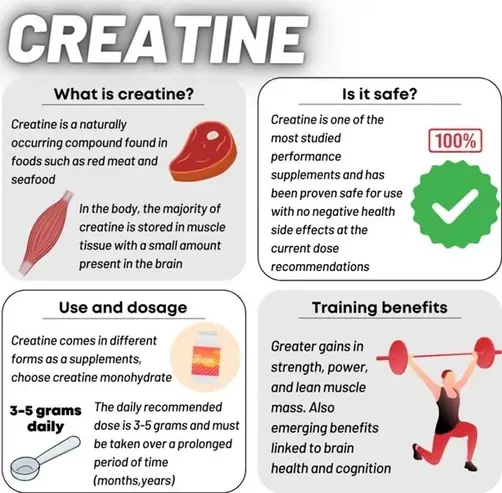
For most people, creatine is considered very safe when taken at recommended dosages. The most common side effects are:
- Weight gain – Creatine causes muscles to hold more water weight, so gain of 2-5 lbs is common initially. This is just water retention within the muscles and not body fat.
- Dehydration – The water pulled into the muscles can decrease overall body water levels. Proper hydration is important when supplementing with creatine.
- Muscle cramps and strains – Dehydration from creatine may increase risk of painful muscle cramps and injury.
- Upset stomach – Some users report mild nausea, diarrhea, or stomach upset when starting creatine.
To avoid side effects, ensure proper hydration by drinking extra fluids and electrolytes while supplementing with creatine. Lower doses (2-5g/day) are often better tolerated long-term than higher loading doses. Those with existing kidney conditions should avoid creatine or consult their doctor first.
Is Creatine Monohydrate Good or Bad for You?
For healthy individuals looking to increase exercise performance and lean muscle mass, creatine is considered safe and effective when used properly. It has been extensively studied since the 1990s with no serious adverse events reported in clinical studies.
However, there are some caveats to keep in mind:
- Dehydration risk – Extra fluid intake is vital to counter water drawn into muscles to avoid effects like cramping.
- Weight gain – The initial water weight gain may be undesirable for athletes looking to stay within a weight class or for aesthetic goals.
- False safety perception – Creatine cannot compensate for proper resistance training, skill practice, reasonable goals, and injury prevention.
- Banned in sports – Creatine remains banned in some competitive sports. Athletes subject to drug testing should verify policies first.
While relatively low-risk, creatine isn’t essential or “good” for everyone. Recreational lifters taking proper rest days may see limited benefits. But for competitive athletes using intense training to drive adaptation, creatine can be an effective supplement.
Is it Safe to Take Creatine Monohydrate Everyday?
Yes, it is generally safe for most people to take Creatine Monohydrate Powder on a daily, ongoing basis. After the initial loading phase of higher dosing to saturate the muscles, a lower daily maintenance dose of 2-5 grams is commonly recommended.
Cycling on and off creatine is no longer considered necessary. Studies evaluating effects of long-term creatine supplementation for up to 4 years observe no severe adverse effects compared to placebo groups.
However, some considerations for extended daily supplementation include:
- Kidney function – Those with pre-existing renal disease or dysfunction may want to avoid creatine or consult a doctor first.
- Hydration – Maintaining proper hydration is key to avoiding side effects like cramps. But high fluid intake is advisable for all athletes anyway.
- Breaks – Taking breaks from creatine occasionally (e.g. during off-season) gives the body a rest and may enhance effectiveness when resuming.
Daily creatine supplementation appears safe for most, but each individual should tailor dosage and scheduling to their needs and tolerance.
Should Beginners Take Creatine?
Creatine Monohydrate Powder can offer benefits for athletes at any level. But some key factors determine whether it’s appropriate for beginners to add supplementation:
- Goals – If aiming to build strength and muscle in the gym, creatine can help beginners progress faster just starting out.
- Safety – Proper form, controlling loads, and avoiding injury should remain top priorities. Don’t view creatine as “shortcutting” foundational skills.
- Expectations – New lifters often gain strength rapidly as neurological adaptations occur. Creatine further boosts this for enhanced motivation.
- Nutrition – Adequate protein intake is key for building new muscle. Creatine works best when nutrition supports growth and recovery.
- Access to carbs – Carb intake enhances creatine uptake and utilization via insulin secretion. Beginners may see lesser effects on lower carb diets.
- Tolerance – Some report GI issues when beginning creatine. Starting with a conservative dose and ramping up slowly can improve tolerance.
Ultimately, if a beginner is focused on progressing rapidly, trains safely, consumes muscle-supportive nutrition, and tolerates creatine well, supplementation can offer advantages. But fundamentals should not be overlooked when getting started.
Wrapping Up
As a well-researched supplement, creatine monohydrate can be an effective and relatively safe addition to sports training programs for enhanced strength, power, muscle gains, and anaerobic performance. Key considerations when using creatine powder include maintaining hydration, starting with conservative dosing to improve tolerance, monitoring kidney function if at risk, and ensuring proper training and nutrition fundamentals are in place. Under a doctor’s supervision if necessary, creatine can benefit both beginners looking to progress faster as well as experienced athletes striving to break through plateaus.
Hongda Phytochemistry Co., Ltd. is a professional ingredients manufacturer with more than 30 years of experience in the industry. The company boasts an impressive list of Certifications, including cGMP, BRC, ORGANIC (EU), ORGANIC (NOP), ISO22000, ISO9001, FDA, HALAL, KOSHER, and national certification of high-tech innovative enterprises. The factory, which covers an area of 20,000 square meters, is equipped with advanced extraction equipment and has our own SGS Certified laboratory. Hongda operates six production lines simultaneously, allowing for a daily output of ten tons and an annual output of several thousand tons. With these resources, Hongda is confident in providing high-quality Creatine Monohydrate Powder Bulk to interested parties. For further information, please contact duke@hongdaherb.com.
References:
1、Branch JD. Effect of creatine supplementation on body composition and performance: a meta-analysis. Int J Sport Nutr Exerc Metab. 2003;13(2):198-226. doi:10.1123/ijsnem.13.2.198
2、Buford TW, Kreider RB, Stout JR, et al. International Society of Sports Nutrition position stand: creatine supplementation and exercise. J Int Soc Sports Nutr. 2007;4:6. Published 2007 Aug 30. doi:10.1186/1550-2783-4-6
3、Greenhaff, P. L. (1997). The healthful organic chemistry of creatine. The Diary of sustenance, 127(5), S38-S43. https://doi.org/10.1093/jn/127.5.1008S
4、Gualano, B., Roschel, H., Lancha-Jr, A. H., Brightbill, C. E., and Rawson, E. S. (2012). In ailment and in wellbeing: the inescapable utilization of creatine supplementation. Amino acids, 43(2), 519-529. https://doi.org/10.1007/s00726-011-1132-7
5、Kreider R.B., Kalman D.S., Antonio J., Ziegenfuss T.N., Wildman R., Collins R., Candow D.G., Kleiner S.M., Almada A.L., Lopez H.L. Worldwide Society of Sports Nourishment position stand: security and adequacy of creatine supplementation in exercise, game, and medication. J. Int. Soc. Sports Nutr. 2017;14:18. doi: 10.1186/s12970-017-0173-z.
6、Lowery, R. P., Bliss, J. M., Rathmacher, J. A., Baier, S. M., Fuller, J. C., Shelley, M. C., second, Jäger, R., and Wilson, S. M. (2019). Collaboration of Beta-Hydroxy-Beta-Methylbutyrate Free Corrosive (HMB-FA) and Adenosine Triphosphate (ATP) on Bulk, Strength, and Power in Opposition Prepared People. Diary of solidarity and molding research, 33(7), 1845-1855. https://doi.org/10.1519/JSC.0000000000002231
7、Rawson, E. S., Volek, J. S. Impacts of Creatine Supplementation and Opposition Preparing on Muscle Strength and Weightlifting Execution. J Strength Cond Res. 2003;17(4):822-831. doi:10.1519/1533-4287(2003)017<0822: eocsar>2.0.co;2
8、Volek JS, Rawson ES. Logical premise and down to earth parts of creatine supplementation for competitors. Nutrition. 2004;20(7-8):609-614. doi:10.1016/j.nut.2004.04.014