What Is Alpha Lipoic Acid Useful For?
2025-08-30 13:53:17
Alpha lipoic acid, also known as ALA, has emerged in recent years as a popular dietary supplement used by many seeking to improve their health. As a powerful antioxidant, alpha lipoic acid plays numerous important roles in the body and shows promise in benefiting several conditions. But what exactly is ALA and what makes it potentially useful for health? This article will provide an overview of alpha lipoic acid and explore the scientific research on its many potential benefits.
Overview of Alpha Lipoic Acid
Alpha lipoic acid is a unique antioxidant that is made naturally in small amounts by the body. It is found in every cell and directly participates in energy production. ALA is classified as an organosulfur compound and is sometimes referred to as thioctic acid. The body produces it from fatty acids and uses it to generate energy from nutrients. It also functions as a potent scavenger of free radicals, helping to protect cells against oxidative damage.
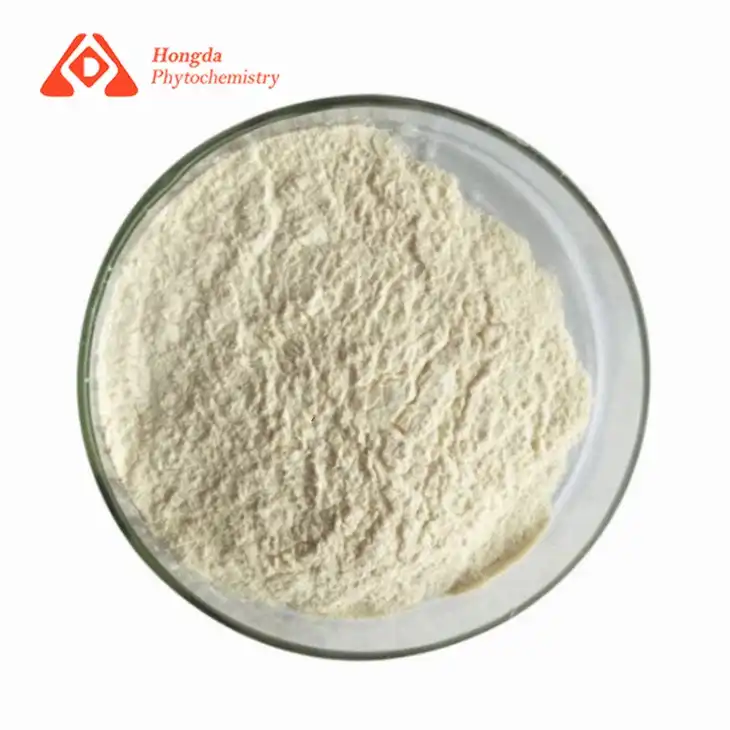
While the body makes alpha lipoic acid, supplements are available to increase levels beyond what can be obtained from food sources alone. ALA supplements are typically derived synthetically or from microbial fermentation. They are available in capsule, tablet, and liquid forms in dosages ranging from 50 to 600 milligrams. Both the R-LA "(R)" form and regular "racemic" mixtures containing both R and S forms are sold commercially.
ALA is unique in that it is both water and fat-soluble, allowing it to work in every cell and tissue in the body. It is readily absorbed when consumed orally and can cross the blood-brain barrier. This versatility enables it to provide antioxidant effects and other benefits throughout the body.

Nutritional Profile of Alpha Lipoic Acid
The key nutrient provided by alpha lipoic acid is its antioxidant effect. Antioxidants protect cells against damage from oxidative stress, which occurs when there is an imbalance between free radicals and antioxidants in the body. Free radicals are unstable molecules that can accumulate and contribute to cellular aging. ALA is a powerful antioxidant that helps neutralize free radicals.
It works synergistically with other antioxidants like vitamin C, vitamin E, and glutathione. ALA is able to scavenge 5 different types of free radicals and recycle other antioxidants. Through this recycling, it helps prolong the activity of antioxidants like vitamin C. Research indicates ALA's antioxidant capacity is equal to or greater than antioxidants like coenzyme Q10 and vitamin E.
In addition to its direct antioxidant effects, ALA helps the body produce energy and plays a role in glucose metabolism. It is a cofactor for mitochondrial enzymes that drive cellular energy production. ALA also enhances insulin sensitivity by mimicking insulin effects and supporting sugar uptake into cells. This makes it potentially useful for blood sugar control.
Potential Health Benefits of Alpha Lipoic Acid
A growing body of scientific research suggests Alpha Lipoic Acid Powder may offer certain benefits for health when used as a dietary supplement. While more studies are needed, ALA shows particular promise in the following areas:
Diabetes Management
Several studies indicate ALA may help manage diabetes through its antioxidant effects and by lowering blood sugar levels. A review of controlled clinical trials found ALA supplements improved insulin sensitivity and fasting blood glucose in patients with type 2 diabetes. The benefits were most pronounced when administered intravenously at high doses. More research is still needed to confirm ideal oral dosing.
Nerve Function
ALA is shown to help reduce symptoms of diabetic peripheral neuropathy, nerve damage that can occur with diabetes. Multiple controlled trials found daily oral doses of 600-1,800 mg improved neuropathic pain, burning, numbness, and other diabetic nerve symptoms. These benefits are attributed to ALA's antioxidant effects and ability to improve mitochondrial function in nerve cells.
Brain Health
Some research shows ALA may support brain health as we age. Studies have found ALA can help preserve cognitive function in older adults. It's suggested this is due to ALA decreasing oxidative damage and inflammation in the brain. More research is still needed, but ALA shows promise for supporting long-term brain health.
Skin Health
Applied topically, ALA appears to rejuvenate skin cells, reduce wrinkles, and improve skin elasticity. This is thought to result from ALA suppressing collagen degradation and inflammation in skin tissues. Creams with ALA may also help reduce related skin conditions like rosacea. Overall the research is still limited, but shows some dermatological benefits.
While these findings show promise, larger and longer controlled studies are still needed. ALA supplements appear safe for short-term use at recommended dosages, though mild side effects like rash or upset stomach may occur. As with any supplement, it's best to consult a doctor before use.

How to Use Alpha Lipoic Acid
Those wanting to use ALA supplements should follow dosage recommendations carefully. The most commonly used range is 600-1,200 mg per day. Lower doses of 50-200 mg may also offer benefits. It's best to start with a lower dosage and work up slowly. ALA is best taken 30-60 minutes before meals on an empty stomach for optimal absorption.
Because ALA is quickly metabolized, it's often suggested to "stagger" the dosage throughout the day. For example, taking 200 mg in the morning, afternoon, and evening. Cycling the supplement by taking it every other day or in 5-10 day intervals may also help maintain effectiveness.
Pairing ALA with other antioxidants like vitamin C, vitamin E, and selenium can further boost its effects. ALA is considered safe to use with other supplements, though it's wise to introduce one new supplement at a time to assess effects. Those on diabetes medications should monitor blood sugar closely when first using ALA.
Side effects are uncommon but may include digestive upset, headache, insomnia, and skin rash. Very high IV doses above 1,800 mg daily can sometimes result in adverse effects. Overall, research supports ALA as safe when taken correctly in oral supplement form. But discontinue use if any worrisome reactions occur.
Traditional Uses and Cultural Significance of Alpha Lipoic Acid
In addition to its modern use as a supplement, alpha lipoic acid has a long history in traditional healing practices. ALA naturally occurs in small amounts organ meats, spinach, broccoli, peas, brussel sprouts and other plant and animal sources. While not obtained directly, ALA-rich foods have been prized in various cultures for purported healing properties.
For instance, traditional Chinese medicine used organ meats like liver and kidney for conditions like nerve damage, vision problems, and skin disorders. In India, spinach and broccoli were believed to promote vitality and healthy blood sugar. Various traditions have viewed nuts, seeds, and organ meats as "brain foods" for their concentration of nutrients like ALA.
Specific rituals surrounding alpha lipoic acid are less documented, but its cultural roots as a natural healing compound run deep. ALA-rich ingredients like spinach and organ meats were often highlighted in the recipes of ancient folk healers and herbalists. Some commentators have speculated ALA may be one of the key active compounds that made these traditional remedies effective for issues like nerve disorders and metabolic problems.
In Summary
Alpha lipoic acid is a potent antioxidant that serves critical functions in energy metabolism and glucose utilization. ALA shows promise in benefiting diabetes, nerve disorders, brain health, skin rejuvenation, and general wellness. While more research is still underway, ALA appears safe and well-tolerated when used properly. Those interested in more natural health approaches may find ALA a useful addition for its broad spectrum antioxidant effects and ability to promote healthy cells and tissues. With the guidance of a knowledgeable practitioner, ALA can be an impactful part of an integrated wellness plan.
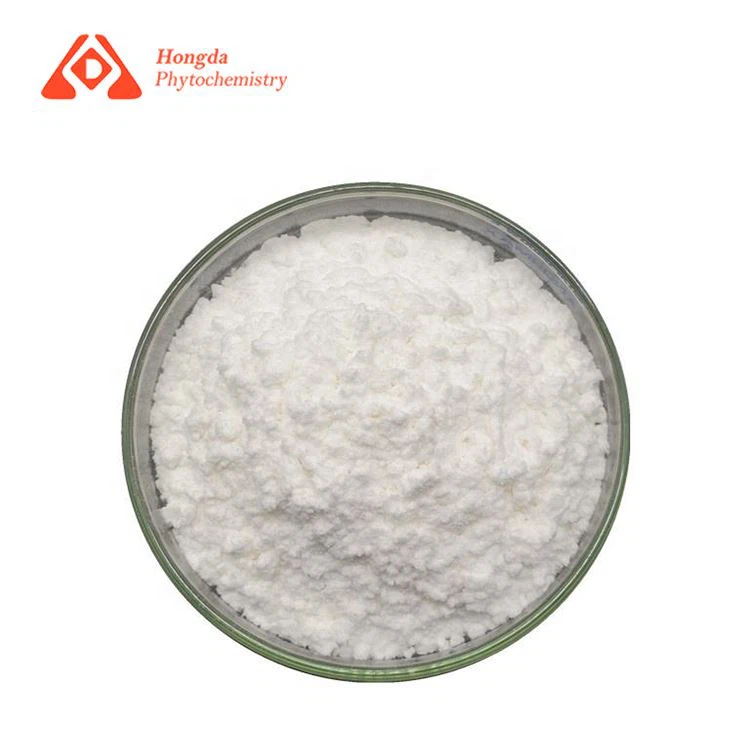
Hongda Phytochemistry Co., Ltd. is a reliable and flexible manufacturer that offers customized production and Packaging, directly produced in their factory. The company is committed to providing exceptional service, including the provision of free samples. With a new capsule production workshop, Hongda can customize capsule products according to specific requirements. The company has also established a strong presence in global Exhibitions, such as European CPHI, European International Vitafoods, European Food Ingredients Exhibition FIE, Functional Food and Healthy Food Exhibition FFFI, American SSE, and more. Hongda's dedication to quality is evident in its range of products, including the high-quality α-Lipoic Acid Powder, which is sure to impress customers. For further information, please contact duke@hongdaherb.com.
References:
1. Lv, H., Jia, Q., Lu, C., Dai, W., Yu, Y., Zou, X., ... & Liu, G. (2018). Comparative efficacy and safety of antioxidant therapies in Parkinson's disease: A network meta-analysis. Movement disorders, 33(10), 1601-1610.
2. Mijnhout, G. S., Kollen, B. J., Alkhalaf, A., Kleefstra, N., & Bilo, H. J. (2012). Alpha lipoic Acid for symptomatic peripheral neuropathy in patients with diabetes: a meta-analysis of randomized controlled trials. International journal of endocrinology, 2012.
3. Packer, L., Witt, E. H., & Tritschler, H. J. (1995). Alpha-lipoic acid as a biological antioxidant. Free radical biology and medicine, 19(2), 227-250.
4. Shay, K. P., Moreau, R. F., Smith, E. J., Smith, A. R., & Hagen, T. M. (2009). Alpha-lipoic acid as a dietary supplement: molecular mechanisms and therapeutic potential. Biochimica et Biophysica Acta (BBA)-General Subjects, 1790(10), 1149-1160.
5. Zhang, W. J., Wei, H., Hagen, T., & Frei, B. (2007). α-Lipoic acid attenuates LPS-induced inflammatory responses by activating the phosphoinositide 3-kinase/Akt signaling pathway. Proceedings of the National Academy of Sciences, 104(10), 4077-4082.
6. Ziegler, D., Hanefeld, M., Ruhnau, K. J., Meissner, H. P., Lobisch, M., Schütte, K., & Gries, F. A. (1995). Treatment of symptomatic diabetic peripheral neuropathy with the anti-oxidant alpha-lipoic acid: a 3-week multicentre randomized controlled trial (ALADIN Study). Diabetologia, 38(12), 1425-1433.