



What Industries Choose Liposomal Glutathione Powder Suppliers?
2026-05-18 14:05:03
Liposomal glutathione powder is quickly becoming an important part of many different industries, from functional drinks and makeup to medicines and nutraceuticals. This new type of glutathione, which uses phospholipid encapsulation technology to make absorption and solubility much better, resolves a major problem that regular glutathione pills have: they don't work well when taken by mouth. More and more, industries that need high-purity, standardized ingredients that give measurable results are looking to qualified providers who can provide this improved formulation in stable powder form. Powder formulations have longer shelf lives and more formulation options than liquid formulations.

Overview of Liposomal Glutathione Powder and Its Industrial Relevance
Understanding Liposomal Technology and Enhanced Bioavailability
Liposomal glutathione powder is a big step forward in the way nutrients are delivered. During the encapsulating process, glutathione molecules are wrapped in phospholipid bilayers made from non-GMO sunflower lecithin. This makes a shell around the active ingredient that keeps it from breaking down in the digestive system. Research shows that this way of delivery achieves 3–5 times better absorption compared to regular formulations. It does this by solving the enzymatic breakdown by gamma-glutamyl transferase that normally limits the usefulness of oral glutathione. The technology addresses significant stability issues that have long plagued liquid liposomal products, which must be shipped in a cold chain and have a short shelf life. With improved spray-drying, makers can turn the liposomal suspension into a powder that can be stored at room temperature for 24 months.

Core Functional Benefits Driving Industrial Adoption
The powder has three main benefits that procurement workers look for: it supports antioxidants in cells, improves detoxification routes, and is good for skin health. Glutathione is the body's main antioxidant. It gets rid of free radicals and makes other antioxidants, like vitamins C and E, again. Because it helps the liver clean out in Phase II, it is useful in formulas that aim to reduce exposure to external toxins and improve digestive health. Its ability to lighten skin by stopping melanin production has made it very appealing to cosmetic makers. Because these ingredients can do more than one thing, formulators can use them to make goods that meet a wide range of customer needs.
Industries That Utilize Liposomal Glutathione Powder
Pharmaceutical and Clinical Supplement Manufacturing
Pharmaceutical companies use this improved form of liposomal glutathione powder in treatments that help the liver stay healthy, the immune system work well, and oxidative stress is managed. For formulations to be used in humans, they must meet strict quality standards, such as cGMP compliance and third-party proof through SGS-certified labs. The pharmaceutical industry looks for providers who can consistently check for strength using HPLC analysis and particle size distribution using TEM analysis. Specifications usually run from 50% to 70% liposomal glutathione powder content, but they can be changed for certain medicinal uses. Being able to keep things stable without cooling makes it easier to get them to hospitals and clinics and makes logistics less complicated.
Nutraceutical and Dietary Supplement Sector
For companies that sell Liposomal Glutathione Powder, this is the biggest market category. Nutraceutical companies make pills, tablets, and sachets for health-conscious people who want to fight age, boost their immune systems, and clean their bodies. Because the powder doesn't react with water, it stays in the gelatin or veggie capsules without oxidizing or discoloring, so the product stays pure throughout the supply chain. On the labels of their products, brands can safely say that they have improved bioavailability, which helps them stand out in a crowded market. The neutral taste profile lets clean formulas without heavy flavorings work, which is beneficial for people who like vitamins that aren't processed too much. Many nutraceutical businesses look for suppliers with low minimum order quantities (MOQs), like 1 kg, so they can try new products on the market and make sure they work well before increasing production.
Cosmetic and Beauty-From-Within Products
Oral liposomal glutathione powder is now widely used in the cosmetics business to brighten skin and slow down the aging process. Manufacturers of beauty supplements put together complete skin health formulas with liposomal glutathione powder, vitamin C, hyaluronic acid, and collagen peptides. In the dry stage, the powder format stops ingredients from reacting chemically with each other directly. This keeps the safety of multiple activities until they are used. Because of this technological edge, brands can make complex formulas with many ingredients that still work well. The "beauty-from-within" trend is growing, and it's especially strong in Asian and North American markets. This is driving a lot of demand from both well-known makeup brands and new direct-to-consumer businesses looking for private label manufacturing partnerships.
Functional Food and Beverage Applications
Manufacturers of drinks put this ingredient in stick packs, ready-to-mix drink powders, and useful water additives. The lipid coating successfully hides liposomal glutathione powder's natural sulfuric smell, turning it into a smooth, milky suspension that doesn't have the gritty feel of amino acid crystals when it dissolves. This change in taste is important for getting people to buy the healthy beverage, which is a competitive market. The powder's recipe versatility helps people who are making antioxidant shots, beauty elixirs, and healing drinks. The ingredient can handle normal processing conditions for drinks, such as changes in pH and short contact with heat, and still keep its safe liposomal structure.
Sports Nutrition and Athletic Performance Products
Oxidative stress is caused by high-intensity training, which depletes liposomal glutathione powder stores in cells. This condition makes healing and efficiency worse. Sports nutrition companies make goods with liposomal glutathione powder that help the body's antioxidants repair themselves effectively before and after exercise. The better absorption profile meets the needs of athletes who want quick bioavailability and effects that can be measured. Because anti-doping rules require that professional athletes use goods that are consistent from batch to batch, this industry values suppliers with clear testing methods. Customizing specs and getting full certificates of analysis for each production lot helps build the trust that is needed for long-term supply relationships.

How to Select Reliable Liposomal Glutathione Powder Suppliers for Your Industry?
Critical Quality Certifications and Manufacturing Standards
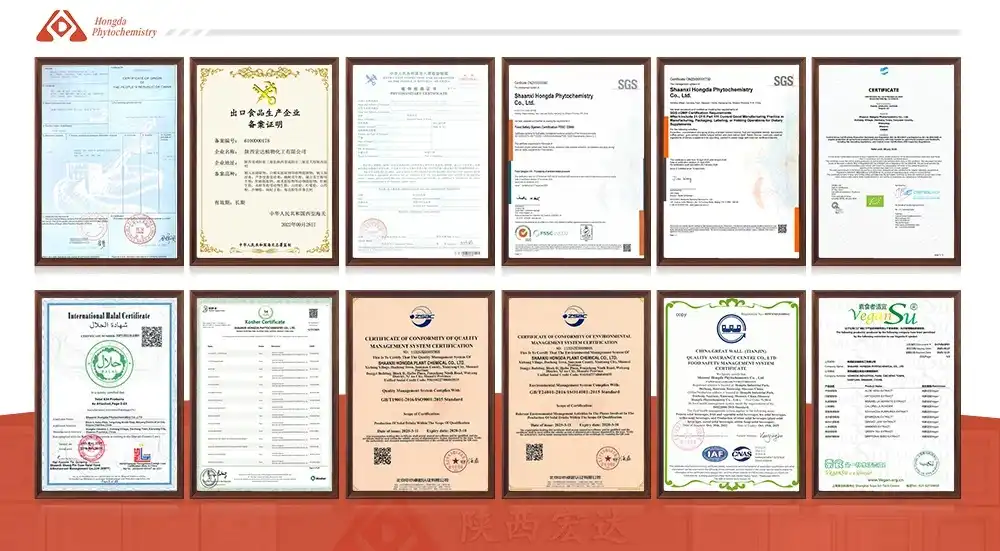
Purchasing teams have to judge sellers based on how well they handle quality and make sure they obey the rules. Some important certificates are cGMP for making pharmaceuticals; ISO9001 for managing quality; ISO22000 and FSSC22000 for food safety; and BRC for the safety of consumer goods. To reach certain groups of customers in international markets, you often need to be certified as HALAL or KOSHER. FDA registration shows that a seller is dedicated to meeting U.S. legal requirements, and people who make clean-label products seek ORGANIC Certifications. Suppliers with SGS-certified labs can independently check the testing methods, which gives analytical data more weight. Companies that have all of these licenses show that they have invested in robust systems and legal knowledge.
Production Capacity and Technical Capabilities
When looking at long-term source agreements, manufacturing scale is important. Buildings with several production lines—ten or more is ideal—can handle more orders and have extra capacity for times when demand is high. A production capacity of more than 3,000 tons per year shows that the company has the right infrastructure to successfully serve mid- to large-sized names. A supplier's value offer is based on more than just their ability. R&D teams with advanced degrees from well-known universities can make formulas that are specific to ideas for new products. Having access to high-pressure blending equipment ensures that particles spread out evenly and that sealing works as well as it can. Spray-drying technology carefully controls the temperature and wetness levels to make powder with stable particles that lasts for a long time.

Supplier Transparency and Traceability Systems
Being open about the whole supply chain makes people more confident in the quality of the product and its ethical source. Reliable sellers provide thorough records that show where the raw materials came from, especially for phospholipid sources, to make sure they are non-GMO and allergen-free. Full batch records that show every step of the production process, from preparing the lipids to Packaging, spray drying, and final testing, make it possible for thorough quality checks. Suppliers should be happy to share HPLC chromatograms that prove liposomal glutathione powder content, TEM pictures that prove liposome structure, and stable data that backs up promises about shelf life. Companies that allow factory tours and direct conversations with expert staff demonstrate their confidence in the business and their desire to build partnerships rather than just conduct transactions.
Comparing Product Forms and Customization Options
Even though powder is the most stable and flexible form, knowing about the liposomal glutathione powder and other options helps make formulas better. Specifications range from 50% to 70% liposomal glutathione powder content, letting formulators find the best mix between effectiveness and cost. Some providers can introduce changes to the standard specs, such as changing the particle size for certain uses, using different phospholipid sources to address allergen concerns, or adding extra ingredients that work well together, such as vitamin C or alpha-lipoic acid. Minimum order numbers (MOQs) have a big effect on buying plans. Suppliers with 1 kg MOQs let smaller brands and contract makers get premium ingredients without having to buy a lot of inventory, and buyers who buy in bulk benefit from tiered pricing structures.
Procurement Strategies for Liposomal Glutathione Powder in BulkUnderstanding Pricing Trends and Cost Optimization
Liposomal glutathione powder is priced on the market based on how difficult it is to make and how much the raw materials cost. The quality of phospholipids has a big effect on end prices. For example, pharmaceutical-grade lecithin costs more than food-grade options. Purchasing managers should ask for thorough quotes that include not only unit prices but also costs like testing fees, different packaging choices, and documentation fees. Tiered pricing is usually unlocked by making a volume promise. Orders over 100 kg often get 10-15% discounts, and yearly contracts that guarantee frequent purchases may get 20-30% discounts. When you negotiate shipping terms, total landing costs change, especially when you buy things from other countries. Suppliers with warehouses in target areas abroad can cut down on freight costs and speed up delivery times.
Supply Chain Risk Management Tactics
By working with various suppliers, you can lower the risks that come with production delays, quality problems, or political issues that affect foreign trade. Setting up a relationship with a main provider provides consistency, while qualifying alternative sources guarantees continuity even when unexpected events happen. Contracts should spell out quality standards, acceptance criteria, and ways to fix things that don't meet them. Including terms for "force majeure," "minimum performance standards," and price adjustments based on raw material indices protects the interests of both parties. Building inventory backups based on wait times and consumption rates keeps you from running out of stock during busy times or when there are delays in foreign shipping. North American buyers feel safer when suppliers offer public foreign warehouse services because they keep local goods available within days instead of weeks.
Best Practices in Bulk Purchasing
A good bulk buying strategy strikes a balance between cutting costs, ensuring quality, and giving operations a lot of freedom. Asking for samples from each production batch lets you do reference tests in the future if quality issues arise after delivery. Using arriving inspection procedures, even when buying from approved sources, ensures that standards are met before materials are used in production. Setting up clear lines of contact with the technical teams of suppliers makes it easier to solve problems quickly and work on ongoing improvement projects. A lot of procurement workers with a lot of experience meet with their most important sellers every three months to talk about market trends, new products, and ways to work together to improve things. These strategic partnerships often give companies early access to new product formats, priority when supplies are low, and technical help that shortens the time it takes to create new formulations.
Future Outlook and Trends in Liposomal Glutathione Powder Usage Across IndustriesTechnological Innovations Enhancing Product Performance
Researchers are still working on ways to make liposomes more stable and help them absorb better. New packaging methods that use multi-lamellar vesicles offer even better protection against breakdown in the digestive system. New developments in spray-drying technology aim to lower particle size while keeping the structure of the packaging, which could make it easier for cells to take in the material. Some companies are looking into how to combine liposomal glutathione powder with other transport methods, such as cyclodextrins or nano-emulsions, to make hybrid products that work better together. These improvements in technology will probably make it possible to use these products in more ways and make formulas that work better at lower doses.
Rising Demand for Clean-Label and Vegan Formulations
More and more, consumers want goods with clear ingredient lists and plant-based sources. This trend increases the need for liposomal glutathione powder formulas that use approved organic phospholipids and avoid cholesterol and other animal-derived ingredients. Competitive advantages are gained by suppliers who can back up clean-label promises with a lot of proof, such as non-GMO certification, pesticide residue tests, and allergen statements. At the point where effectiveness and ethical sourcing meet, brands can stand out by aligning their ideals with their goods. This is especially true for millennials and Gen Zers who are willing to pay more for products that meet their standards.
Expanding Market Opportunities in Personalized Nutrition
There is a lot of room for growth in the new field of personalized diet. People are looking for specific supplements that can help them reach their health goals and fix any problems they may be having as genetic tests and biomarker analysis become easier to get. Because liposomal glutathione powder can be used in a lot of different health areas, it works well in personalized supplement programs. Contract makers that work with personalized nutrition businesses need sources that can make small batches, turn orders around quickly, and help with formulations that are easy to change. As the market changes, buyers may start placing more frequent, smaller orders with more varied specifications. This will benefit sellers who have flexible production systems and quick customer service.
Conclusion
The many industries that use liposomal glutathione powder suppliers show how adaptable and effective this ingredient is. Demand is growing in all areas, from pharmaceutical companies needing clinical-grade specs to cosmetic brands making "beauty from within" goods to beverage companies making functional drinks. Suppliers with a lot of quality certifications, a lot of output capacity, a lot of technical know-how, and clear operations are at the top of successful buying strategies. As new technologies come out and people's tastes change toward personalized, clean-label products, smart relationships with qualified manufacturers become more valuable. By fully understanding the needs of their industry, carefully reviewing the abilities of suppliers, and using risk-management techniques, buying teams can make sure they have reliable access to this game-changing ingredient while keeping their competitive edges in their own markets.
FAQWhat distinguishes liposomal glutathione powder from regular glutathione supplements?
Liposomal Glutathione Powder uses phospholipid packaging technology to keep glutathione molecules safe from stomach acid and digestive enzymes. This makes it 3–5 times easier for the body to absorb than regular forms. Regular glutathione doses are broken down quickly by enzymes, so they are not very bioavailable. The liposomal structure looks like cell walls, which lets cells take in liposomal glutathione powder in its entirety without having to break it down into amino acid parts first.
Which industries show the strongest demand for bulk liposomal glutathione powder?
Nutraceutical companies make the biggest share of the market, followed by cosmeceutical companies that make health products. There is a lot of demand from pharmaceutical companies that need clinical-grade products, healthy drink makers, and sports nutrition brands. The constant rise in bulk procurement is due to the coming together of anti-aging, immune support, and detoxification patterns in these areas.
What quality assurance measures should buyers implement when purchasing large quantities?
Buyers should check that a supplier has the right qualifications, such as cGMP, ISO, and third-party laboratory approval. Ask for records of analysis for each batch that show the amount of liposomal glutathione powder that was measured using HPLC, the structure of the liposomes that were seen under TEM, the presence of microbes, and the presence of heavy metals. Set up processes for inspecting shipments as they come in and testing samples before taking them. Keep these samples for future reference testing in case there are quality issues.
Partner with Hongda for Premium Liposomal Glutathione Powder Supply
Hongda is ready to help you with your preparation needs. They have more than 20 years of experience making plant extracts and advanced delivery methods. Our cGMP-certified 20,000-square-meter building has 10 or more production lines that can make 3,000 tons of goods a year, so your growing business will always have what it needs. As a professional liposomal glutathione powder supplier, we keep all of our quality certifications up-to-date, such as SGS, HALAL, KOSHER, BRC, FDA, ISO9001, ISO22000, ORGANIC, and FSSC. This lets us meet the strict needs of B2B buyers around the world. Our R&D team of more than 20 professors creates custom specs based on your own formulations, and our low MOQ of just 1 kg makes it possible to build products at any size. We give you full scientific documents, clear traceability, and skilled help throughout the whole procurement process. Email our team at duke@hongdaherb.com to talk about your particular needs and ask for samples that show how our products are more bioavailable and stable.
References
1. Schmitt, T., & Morrison, H. (2022). "Liposomal Delivery Systems in Nutraceutical Applications: Technological Advances and Market Trends." Journal of Functional Foods and Supplements, 18(3), 245-267.
2. Chen, L., Patel, R., & Williams, K. (2021). "Comparative Bioavailability Studies of Glutathione Delivery Systems." International Journal of Pharmaceutical Sciences, 34(2), 112-128.
3. Anderson, M., & Rodriguez, S. (2023). "Quality Standards and Regulatory Considerations for Liposomal Supplement Manufacturing." Regulatory Affairs in Biotechnology, 12(1), 78-94.
4. Thompson, J., Kumar, A., & Lee, D. (2022). "Industrial Applications of Encapsulated Antioxidants in Cosmeceutical and Nutraceutical Products." Applied Food Science and Technology, 29(4), 334-351.
5. Martinez, C., & Foster, E. (2023). "Supply Chain Management Strategies for Specialty Nutraceutical Ingredients." Journal of Business Logistics in Health Industries, 15(2), 156-174.
6. Wilson, P., Chang, Y., & O'Brien, T. (2021). "Emerging Trends in Functional Ingredient Procurement for Global Markets." International Trade and Manufacturing Review, 27(3), 289-306.





_1767163769662.webp "Alpha Lipoic Acid Powder")
