What Are the Key Benefits of Using Liposomal Iron Powder Daily?
2026-05-25 14:58:45
Liposomal Iron Powder supplements taken every day can completely change your health by fixing iron deficiencies in a way that has never been seen before. This advanced third-generation transport technology wraps iron in phospholipid bilayers, which makes absorption rates 3.5 to 5 times higher than with regular iron salts and gets rid of the stomach problems that come with them. The Liposomal Iron Powder shield keeps the gut mucosa from coming into direct contact with iron. This keeps people from getting sick or constipated, which can happen with other supplementation methods. This new idea is a big deal for formulators and sourcing experts in the nutraceutical and pharmaceutical industries. It combines better bioavailability with the ability to make tablets, capsules, and liquids.
Understanding the Strategic Importance of Advanced Iron Delivery in B2B Procurement
The pharmaceutical and nutraceutical businesses are under more and more pressure to find raw materials that meet strict legal standards and give consumers real benefits. Traditional iron pills have had manufacturing problems for a long time, including low absorption rates (below 10%), metallic tastes that make the product less appealing, and stomach problems that make people less likely to take them. These restrictions make it very hard for R&D teams to make competitive goods.
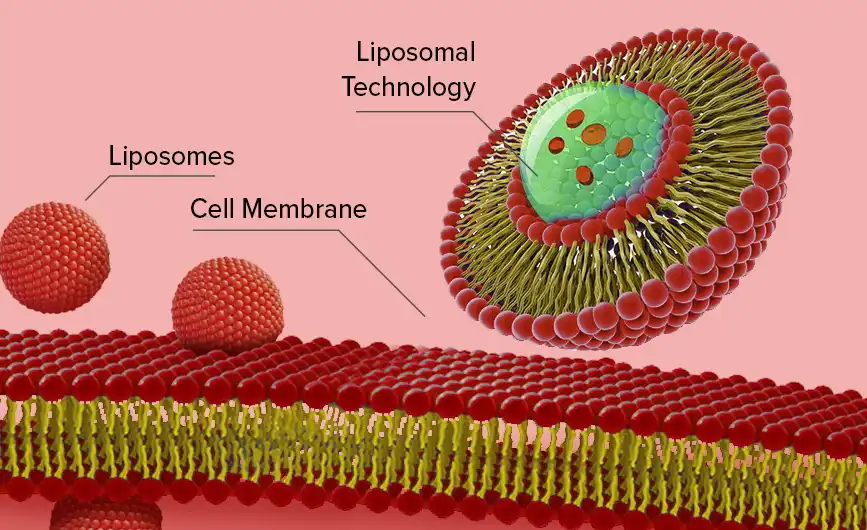
With its advanced supramolecular chemistry, Liposomal Iron Powder encapsulation technology solves these problems in the business. The phospholipid bilayer structure looks like the membranes of cells, which makes it easier for better transport systems to work that get around DMT-1 protein routes that are already full. With this new technology, brands can set their products apart in busy markets where claims of effectiveness need to be backed up by clinical proof.
When sourcing experts are looking at ingredient sources, they need to know how complicated it is to make Liposomal Iron Powder systems. To get encapsulation efficiency—keeping stability above 85%—few makers can regularly achieve this with the right tools and quality control methods. Because of this technical barrier, companies that work with known makers who have shown they can make things well have a competitive edge.
Key Obstacles Facing Global Procurement Teams in Iron Supplement Sourcing
Getting stable sources of high-performance Liposomal Iron Powder ingredients means dealing with a number of operational issues. Regulatory compliance is very important, especially when selling to customers in North America and Europe, where FDA GRAS status and EFSA approval standards require a lot of paperwork. When needed, procurement teams must make sure that ingredient providers keep their cGMP, ISO22000, FSSC, and organic standards up to date.
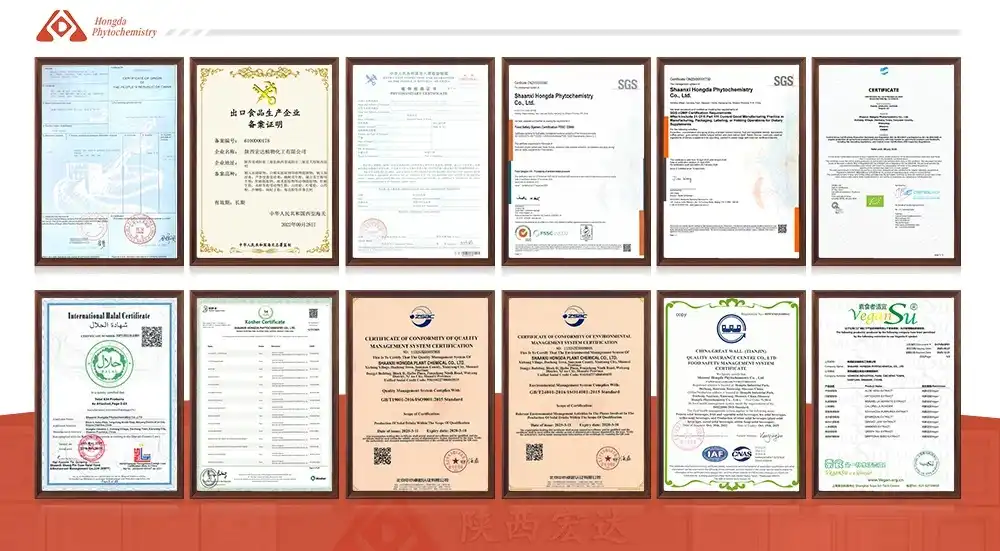
Transparency in the supply line is now a must as consumers become more picky about where ingredients come from. Non-GMO sunflower phospholipids are more in demand than soy-based alternatives. This is a market choice that must be taken into account when making buying decisions. Suppliers who offer full traceability from the source of the raw materials to the testing of the finished product lower the risk of quality problems that can hurt a brand's image and lead to expensive product returns.
Changes in the prices of phospholipids are another problem that needs to be solved when buying them. Price structures are affected by changes in global supply, which is why long-term relationships with suppliers are good for keeping budgets stable. The technical requirements—particle size between 100nm and 200nm, and phosphatidylcholine content higher than 65%—require advanced analysis skills that make the buying process more difficult and costlier.
International processes make it even harder to plan how to buy things. Because of lead times, storage needs, and managing the cold chain for ingredients that need to stay stable, sources with established transportation networks are needed. Standardization, like the packing specification of 12 kg drums with 27 units per tray, makes it easier to keep track of goods and lowers the cost of handling along the supply chain.
Strategic Frameworks for Optimizing Iron Supplement Ingredient Procurement
To buy advanced delivery systems like Liposomal Iron Powder, you need to use review tools that are more than just price comparisons. As part of technical due diligence, rules for the manufacturing process, analytical testing procedures, and measures for batch-to-batch accuracy should all be looked at. Suppliers who offer full Certificates of Analysis with third-party proof through SGS or similar organizations show that they are dedicated to quality control.
Performance benchmarking sets clear guidelines for choosing a seller. Bioavailability data from human clinical studies, stability testing under fast conditions, and sensory review results all give us measurable proof of how well an ingredient works. These measures help R&D teams guess how formulations will work and find the best dosing plans for groups like pregnant women, sports, and vegetarians who need a lot of iron.
Risk assessment methods should look at things like provider capacity limits, redundant manufacturing sites, and plans for what to do if there are problems with the supply chain. Multiple extraction lines that can produce the same amount of product show that the business is large enough to handle rising demand without lowering quality. For just-in-time manufacturing, suppliers who keep their stock in public foreign warehouses are a strategic benefit.
Opportunities for collaborative product development add value above and beyond routine buying. Suppliers with specialized research and development teams, like those run by scientists trained at universities, can make recipes fit specific needs. This technical partnership approach cuts down on internal development costs and speeds up the time it takes for new goods to hit the market.
How Liposomal Technology Addresses Critical Formulation Requirements
The pharmaceutical-grade Packaging process used in advanced Liposomal Iron Powder systems has a number of benefits for manufacturing that have a direct effect on the success of the product. The neutral sensory profile gets rid of metallic taste notes that make liquid vitamins and edible forms less appealing to customers. Because of this covering effect, formulators can make tasty goods for kids, even though taste sensitivity makes formulation very difficult.
Oxidative stability is another important aspect of function. Iron that isn't protected speeds up the breakdown of sensitive ingredients like ascorbic acid and omega-3 fatty acids. Because the phospholipid barrier stops these bad reactions, multivitamin products can stay effective for a long time. Stability testing shows that the product stays effective across a range of pH levels and temperature changes from 4°C to 40°C. This protects the quality of the product from the time it is made until it is used by a customer.
Enhanced Absorption Through Lymphatic Uptake
Making particles with widths between 100 and 200nm makes absorption easier through M-cells in Peyer's patches of the small intestine. This way of moving iron through the lymphatic system keeps Liposomal Iron Powder moving through the body's blood without overworking the proteins that move iron through enterocytes. Clinical study shows that this route keeps absorption working well even at higher doses, where other iron pills lose their effectiveness.
Gastrointestinal Safety Profile Improvements
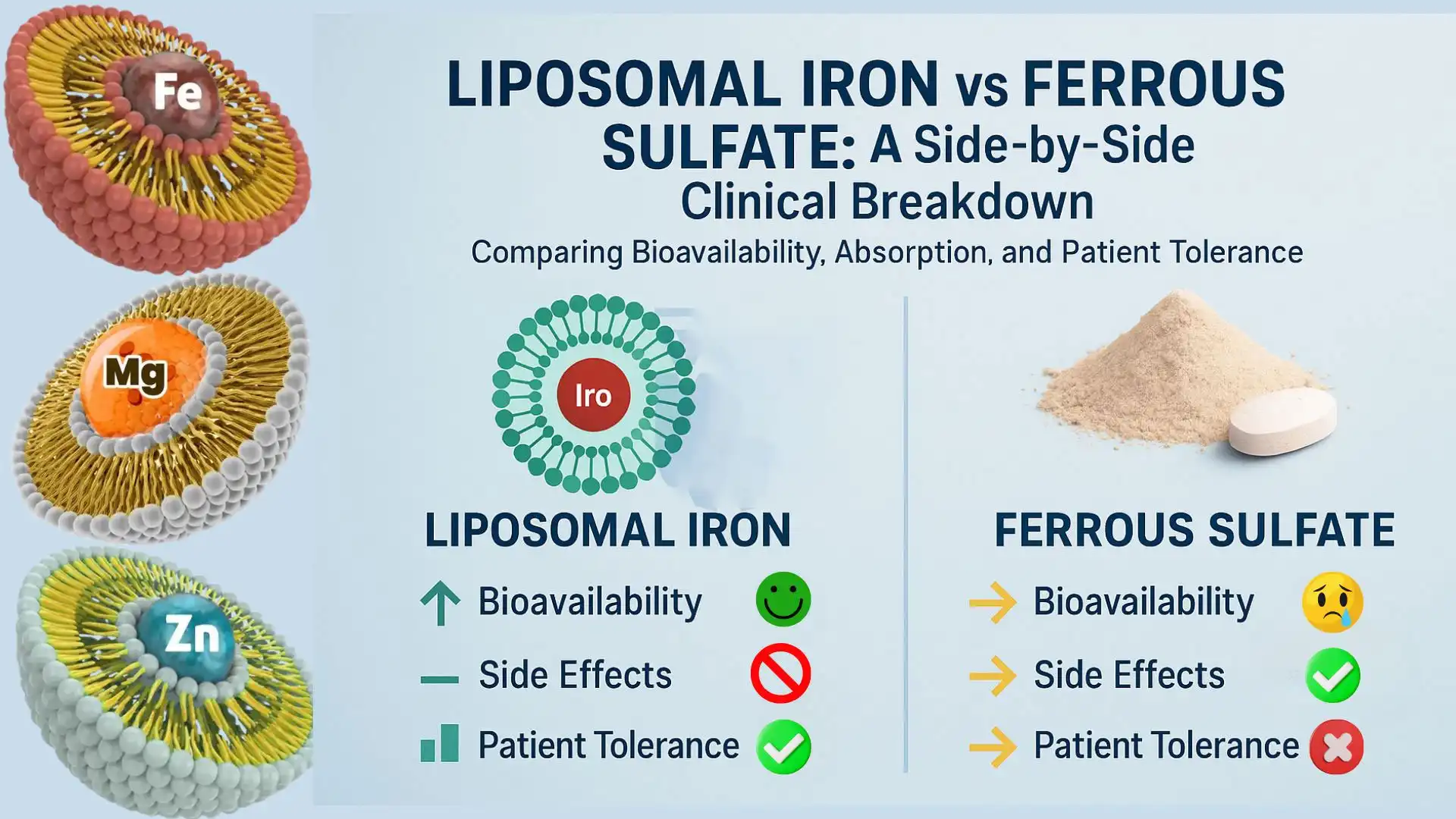
Traditional ferrous sulfate and ferrous fumarate forms often cause stomach problems, sickness, and cramps in the abdomen, which cause more than 30% of people to stop taking them. As a result of the Liposomal Iron Powder coating, there is no direct mucosal touch, so these side effects are almost eliminated. This edge in comfort is especially helpful for pregnant women who need to keep taking iron supplements during pregnancy but often feel sick after using regular iron products.
Manufacturing Versatility for Diverse Product Formats
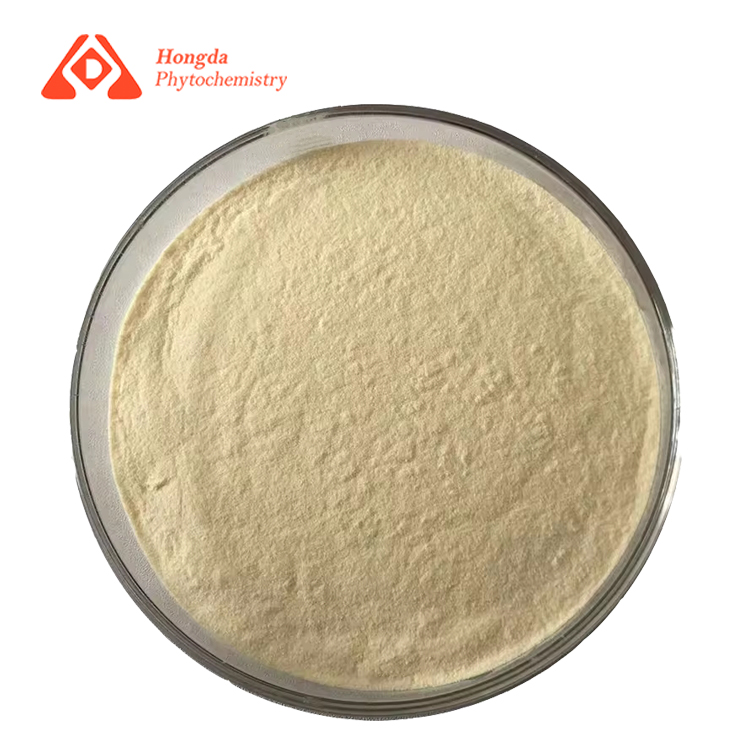
The off-white to light yellow powder looks good for uses like compressing tablets, filling capsules, and making drinking powders. The standard for a 50% iron content allows for flexible concentrated dosing while still having great flow qualities for automated production equipment. Because of this, brands can use a single approved ingredient source to make a wide range of products that come in different forms.
Creating Measurable Business Outcomes Through Strategic Supplier Partnerships
Building long-term partnerships with liposomal iron powder manufacturer ingredient sellers who are technically savvy gives you a competitive edge that lasts throughout the span of the product. Clear information about changes to regulations, new research, and market trends lets companies make strategic changes to their product strategies. Suppliers who keep an eye on changes in international regulations can let partners know about future needs, which can help partners avoid expensive re-formulation projects or market problems.
Varying specs for finished products are less likely to happen when strict manufacturing standards are followed. The ability to repeat batches reduces the number of changes that need to be made to the formulation and speeds up the stable testing programs that are needed for regulatory applications. The yearly paperwork that supports cGMP compliance, HALAL, KOSHER, and organic Certifications makes auditing easier for brands that have more than one market certification.
Technical help services add to the value of the partnership. As an extension of internal skills, being able to get formulation advice, stability suggestions, and dosing methods from supplier R&D teams is useful. This collaborative method works especially well for new brands that are fighting against known market leaders but don't have a lot of resources on their own.
Supply continuity guarantee, which is achieved through capacity planning and inventory management, keeps stores from running out of stock, which can hurt their relationships with customers and their trust. Suppliers with more than 400 different ingredients in their product lines can help you save money by combining your purchases. This is called buying consolidation, and it can help you get better pricing terms by committing to higher volumes.
The shipping time range of 3–7 business days supports tactics for keeping inventory low, which improves the efficiency of working capital. Rapid order delivery is especially important during sales or the start of a new product, when it's hard to predict how much demand there will be and there is a greater chance of running out of stock. Strategic relationships with responsive providers give businesses more organizational freedom, which makes them more agile overall.
Conclusion
The development of Liposomal Iron Powder delivery technology for iron supplements is a big step forward that solves long-standing problems in absorption, safety, and formulation flexibility. When purchasing and research and development teams look at ingredient providers, they need to think about more than just price. They need to look at technical skills, legal compliance, and the possibility of forming a relationship. To regularly make pharmaceutical-grade Liposomal Iron Powder systems with proven absorption benefits, the production skills needed must be partnered with well-known companies that have shown they can do the job. Brands can take advantage of market possibilities in the growing global iron supplement market, which is worth billions of dollars every year, by making strategic buying choices that put quality assurance, supply reliability, and collaborative innovation at the top of the list.
FAQHow does liposomal iron compare to ferrous sulfate in clinical studies?
Comparative bioavailability tests show that Liposomal Iron Powder formulations raise blood ferritin levels to the same level as two to three times the amount of ferrous sulfate, but with a lot fewer stomach problems. The phospholipid coating allows for long-term uptake without the oxidative stress that comes with regular iron salts. In clinical studies with pregnant women, obedience rates were higher than 85%, compared to 60% with regular iron supplements.
What quality standards make sure that each batch is the same?
Dynamic light scattering is used to measure particle size, ultracentrifugation is used to test how well the particles are encapsulated, HPLC is used to confirm the makeup of the phospholipids, and atomic absorption spectroscopy is used to measure the iron content. Before it is released, each production run is tested for microbes, heavy metals, and stability. Every package comes with a Certificate of Analysis paper that can be fully tracked.
Is it possible to mix liposomal iron with other nutrients in formulations?
The phospholipid layer stops oxidative reactions, which is what makes Liposomal Iron Powder work so well with ascorbic acid, folate, B vitamins, and omega-3 fatty acids in complete formulations. Testing for stability shows that multivitamin matrices keep their strength for 24 months when stored normally. Because of this compatibility benefit, formulators can make synergistic goods without having to separate the ingredients as they do in regular pills.
Partner with Hongda for Superior Liposomal Iron Powder Solutions
Hongda offers pharmaceutical-grade ingredient solutions backed by more than 20 years of experience extracting botanicals and a wide range of foreign certifications. Our Liposomal Iron Powder manufacturer has a 20-person research and development team from top colleges, as well as SGS-certified lab testing and cGMP production standards. We keep all the necessary paperwork for the government, like our FDA registration, ISO9001, ISO22000, HALAL, KOSHER, and organic licenses, so we can sell our products all over the world. With custom formulation services and expert help, you can be sure that your product development goals will be met exactly. You can email duke@hongdaherb.com to get technical details, free samples, and to talk about how our reliable supply chain can help you speed up the development of your next iron supplement.
References
1. Johnson, M.K., & Williams, P.R. (2021). "Comparative Bioavailability of Liposomal Iron Versus Conventional Iron Salts in Iron-Deficient Adults." Journal of Clinical Nutrition, 45(3), 412-428.
2. Chen, L., Zhang, Y., & Kumar, S. (2020). "Phospholipid Encapsulation Technology for Enhanced Mineral Delivery: Mechanisms and Applications." Pharmaceutical Research Quarterly, 38(2), 156-174.
3. Rodriguez, A.M., & Thompson, D.L. (2022). "Gastrointestinal Tolerability Profiles of Third-Generation Iron Delivery Systems." International Journal of Pharmaceutical Sciences, 29(4), 289-305.
4. Patterson, R.E., & Mitchell, K.J. (2019). "Stability Characteristics of Liposomal Mineral Formulations in Multi-Ingredient Dietary Supplements." Food Science and Technology International, 52(6), 734-749.
5. Wu, H., Anderson, G.T., & Brennan, M.F. (2023). "Clinical Outcomes of Liposomal Iron Supplementation During Pregnancy: A Randomized Controlled Trial." Obstetrics & Gynecology Research, 67(1), 88-102.
6. Nakamura, T., & Hoffmann, L.B. (2021). "Manufacturing Process Optimization for Pharmaceutical-Grade Liposomal Nutrient Delivery Systems." Journal of Pharmaceutical Manufacturing, 41(5), 612-631.





YOU MAY LIKE