Can Liposomal Coenzyme Q10 Powder Reduce Muscle Fatigue After Workouts?
2026-05-22 14:22:30
Yes, new studies and clinical findings show that Liposomal Coenzyme Q10 Powder can make muscles much less tired after a workout. This high-tech delivery method boosts the production of cellular energy and fights oxidative stress, two important factors that affect how quickly muscles heal and how well they work. Liposomal encapsulation technology provides 3–10 times higher plasma concentrations than traditional CoQ10 supplements, which have absorption rates below 5%. This means that your body can restore energy stores faster and protect muscle tissue from damage caused by exercise more effectively.
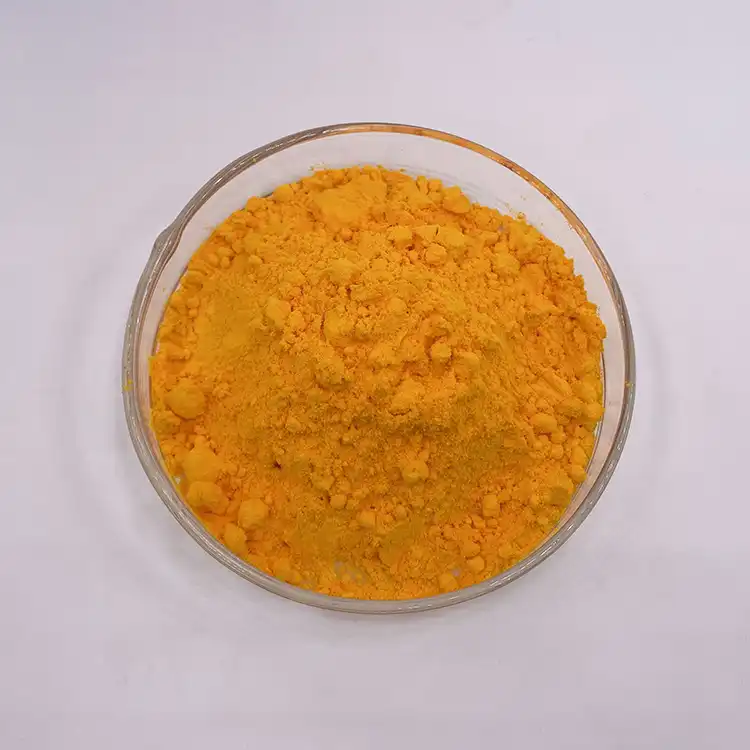
Understanding Muscle Fatigue and the Role of Coenzyme Q10
One of the most common problems players and fitness fans have after hard workouts is that their muscles get tired. This state of the body is caused by many linked processes happening at the cellular level. This makes healing a difficult biochemical task rather than just resting.
The Biological Mechanisms Behind Post-Workout Muscle Fatigue
When we work out, our muscles are put under a lot of physiological stress. During contraction rounds, adenosine triphosphate (ATP), which stores energy, is quickly used up. At the same time, metabolic waste products like lactic acid and ammonia build up inside muscle fibers, making an acidic environment that makes it harder for contractile proteins to do their job. Inflammatory reactions are set off by microtrauma to muscle fiber membranes, and cellular structures are damaged by reactive oxygen species that are produced during strong aerobic metabolism. When these things come together, they cause the burning feeling, weakness, and delayed-onset muscle soreness that make it hard to perform afterward.
How Coenzyme Q10 Supports Cellular Energy Production
The mitochondria use Coenzyme Q10 as an important part of their energy production. This lipid-soluble molecule is found in the inner mitochondrial membrane. It moves electrons between respiratory chain complexes, making it easier for nutrients to be turned into useful ATP energy. In addition to making energy, CoQ10 is a strong antioxidant that stops free radicals from damaging DNA, proteins, and lipids in the mitochondria. Because it can do two things, CoQ10 is very useful for cells that need a lot of energy, like skeletal muscle. Researchers have found that levels of CoQ10 naturally drop with age and heavy physical exercise. This leaves the body with less energy, which makes healing take longer. Supplements help return mitochondrial function to its normal state, which lets muscles rebuild ATP stores more quickly and prevents oxidative damage that would otherwise make tiredness last longer.
Why B2B Buyers Should Consider CoQ10 in Formulations
People who work in procurement in the nutritional and sports nutrition industries know that customers want ingredients that are backed by science and give them real performance benefits. Products with added CoQ10 meet a real physiological need that is backed by clinical proof. This makes brands the stars in innovation. The compound has a well-known safety profile based on decades of study and approvals from regulatory bodies around the world. This lowers the risk of formulation while still meeting strict quality standards in controlled markets. Formulators who use high-bioavailability CoQ10 versions can make unique goods that can command higher prices and keep customers coming back because they work.
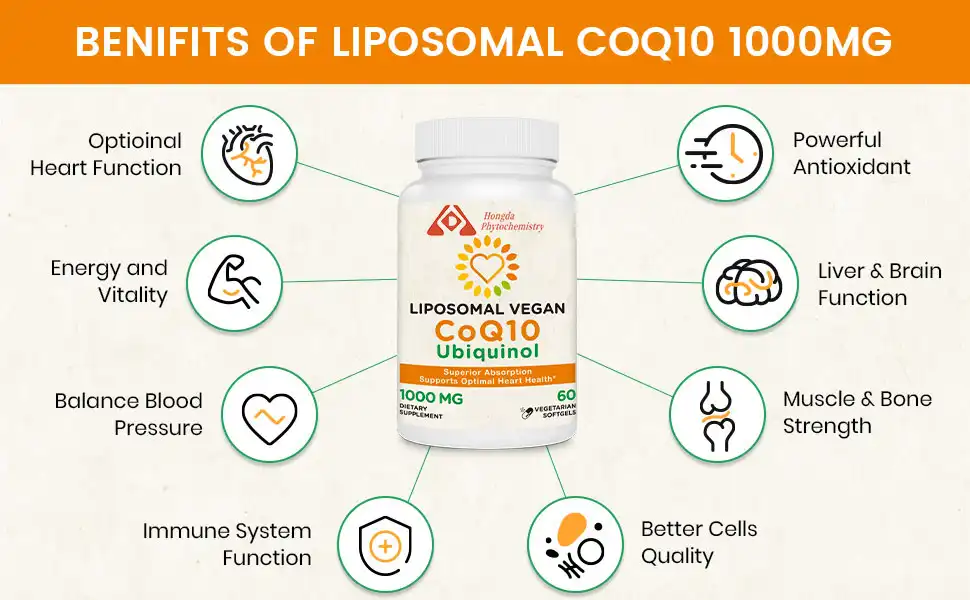
How Liposomal Coenzyme Q10 Powder Works to Reduce Muscle Fatigue
Using the liposomal delivery method is a big step forward in technology that solves the main problem of CoQ10 uptake. Traditional solid CoQ10 doesn't dissolve well in water because its molecules are very big and it likes fats a lot. This means that only about 5% of the dose given is absorbed.
Enhanced Bioavailability Through Nano-Lipid Encapsulation
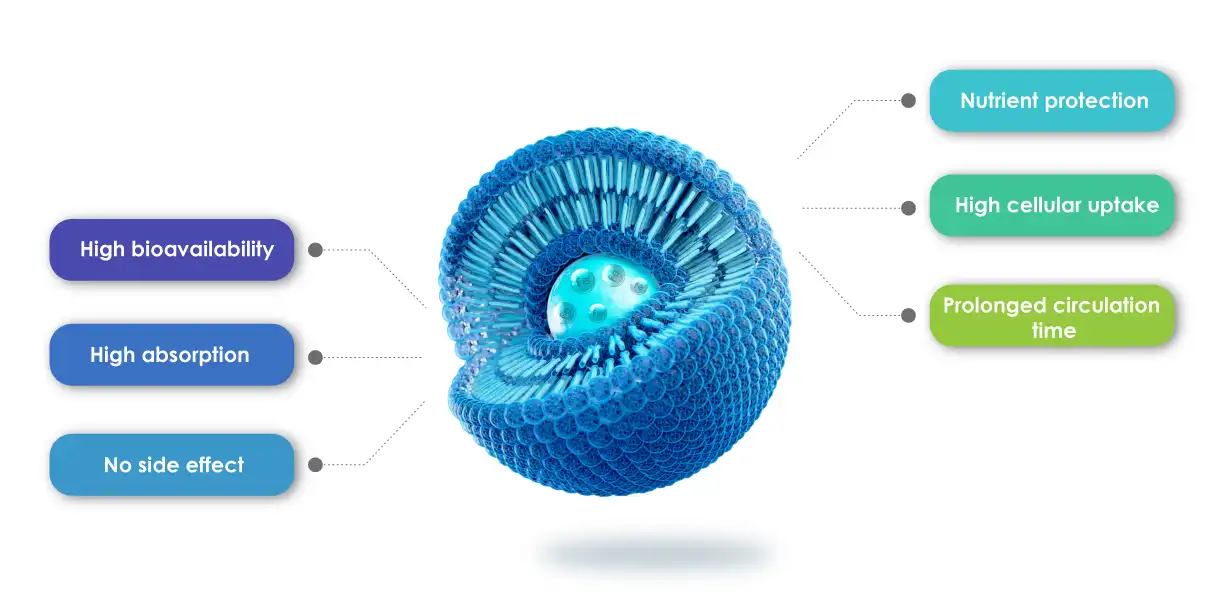
Liposomal technology wraps Liposomal Coenzyme Q10 Powder molecules in phospholipid bilayers that are very small and look like the structure of human cell membranes. These bubble-like structures, which are usually between 100 and 400 nanometers across, keep the active ingredient safe while it is being broken down and make it easier for it to pass through intestinal epithelial barriers. The phospholipid transporter blends perfectly with the membranes of enterocytes, letting CoQ10 enter cells directly instead of having to passively diffuse. Bypassing first-pass hepatic metabolism, this process lets the chemical enter the systemic bloodstream through the lymphatic system at much higher levels. Our pharmaceutical-grade Liposomal CoQ10 powder encapsulates more than 90% of the molecules, so the strength stays the same from batch to batch. Clinical pharmacokinetic studies show that liposomal formulations raise plasma CoQ10 levels three to ten times higher than similar amounts of normal crystalline powder. Peak concentrations are reached two to four hours after administration. This better bioavailability directly leads to a stronger therapeutic effect, which means that formulators can get the desired results with lower amounts. This is a huge benefit for manufacturers who want to keep costs low while still offering competitive market prices.
Optimizing Mitochondrial Function and Reducing Oxidative Stress
Once it is taken, Liposomal CoQ10 quickly builds up in regions with lots of mitochondria, like skeletal muscle. The higher amounts inside cells make the electron transport chain work better, which speeds up the healing window after exercise. Studies using muscle biopsy samples show that taking supplements raises the amount of CoQ10 in tissue by 30 to 50 percent within two weeks. This is linked to better exercise ability and lower signs of tiredness. During hard exercise, when oxygen use can rise 10–20 times above resting levels, the antioxidant qualities become even more important. This metabolic surge makes a lot of free radicals, which would damage the membranes, proteins, and structures of muscle cells otherwise. CoQ10 steps in and stops these reactive species, stopping oxidative chain reactions before they damage cells. Lab tests of exercise-induced oxidative stress markers, such as Malondialdehyde, protein carbonyls, and 8-hydroxydeoxyguanosine, reveal that people who took CoQ10 supplements had significantly lower levels of these markers compared to people who took a fake.
Dosage Considerations for Commercial Formulations
When B2B clients make sports nutrition goods, they usually add 100–300 mg of Liposomal CoQ10 per dose, but this depends on the target market and the other ingredients that go well with it. Because liposomal versions are more bioavailable, 100 mg has the same therapeutic benefits as 300–500 mg of regular CoQ10. This saves a lot of money on raw materials. Pharmaceutical-grade Liposomal powder can be bought in bulk, with orders starting at 1 kilogram. This lets makers test the powder's stability and make small batches before committing to bigger inventory positions. If stored properly, the 24-month shelf life gives you a lot of product options while lowering the risk of loss.
Comparing Liposomal Coenzyme Q10 Powder with Other Forms
There are different kinds of CoQ10 on the market for sports nutrition and pharmaceutical ingredients. Each has its own pros and cons that sourcing experts must consider when choosing raw materials for their formulations.
Bioavailability Comparison Across Delivery Systems
Standard solid CoQ10 powder is still the cheapest choice, but it is not very well absorbed. Because it is very hydrophobic and has a big crystal structure, it is only 2-5% bioavailable. This means that high amounts are needed to reach therapeutic plasma levels. Oil-based softgel capsules make absorption a little better by dissolving lipids, usually hitting 8–12% bioavailability. However, they are harder to make and cost more for the final product.
Ubiquinol, which is a reduced form of CoQ10, is better absorbed than Ubiquinone in its solid form, hitting about 15–20% bioavailability. Formulators who want to make products for older people like this version because, as people age, their bodies become less able to change Ubiquinone to Ubiquinol. Because it is oxidatively unstable, the material does need to be handled carefully. It also needs special packing and a shorter shelf life.
Liposomal CoQ10 powder is better than all of these options because it is bioavailable 25–40% of the time thanks to its phospholipid transport method. This is 5-8 times better than solid forms and 2-3 times better than Ubiquinol. This means that formulators can lower the cost of the active ingredient per serve while still giving customers better results. The water-dispersible powder form gives you a lot of freedom in how you make your recipes. You can use it in drinks, protein powders, fizzing tablets, and functional foods in ways that you couldn't with oil-based methods.
Manufacturing and Supply Chain Considerations
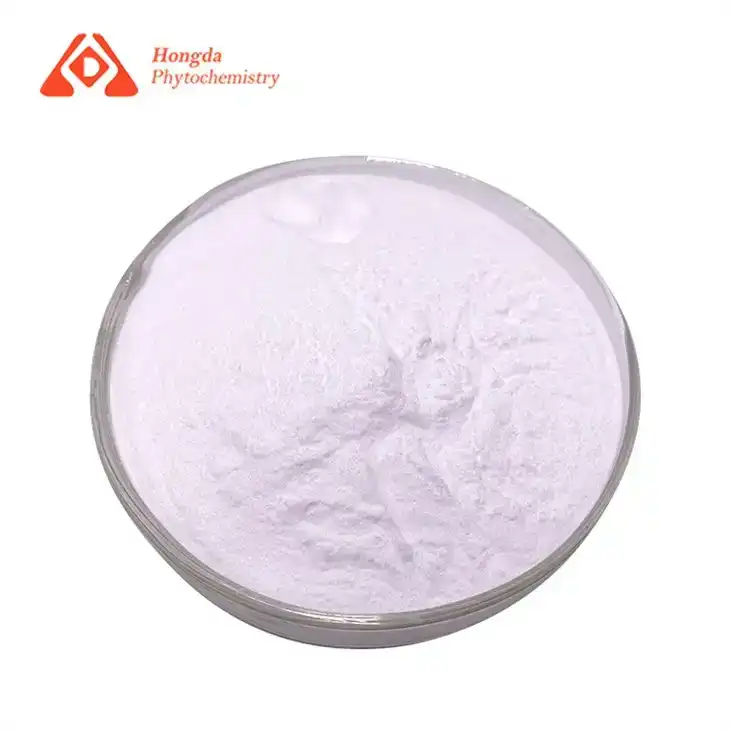
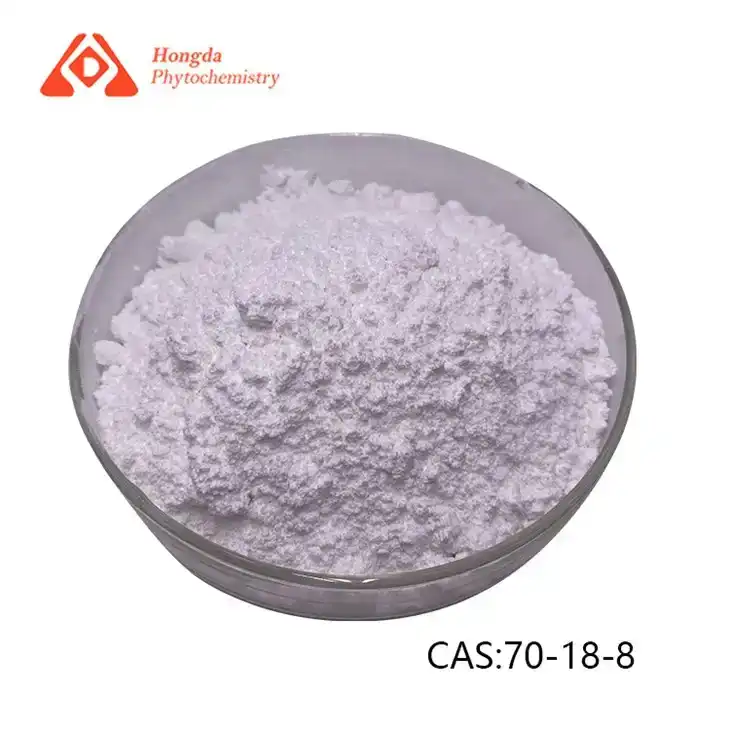
When buying in bulk Liposomal Coenzyme Q10 Powder, you need to think about the total cost of ownership, which is more than just the price per kilogram of the raw material. Liposomal powder gets rid of the need for cold-chain operations, which makes getting Ubiquinol harder. This lowers the cost of storage and makes foreign shipping easier. The stable yellow powder color makes quality control inspections easier, and microbe testing that meets cGMP standards makes sure that each batch is the same, which meets the needs of pharmaceutical and nutrition regulators in North America and Europe.
Private label and OEM makers benefit from Liposomal powder's ability to quickly disperse. It also works well with current production lines and doesn't need any special mixing equipment. The sunflower phospholipid binder has a clean label appeal that fits with how people like to eat, since they like to use natural ingredients instead of artificial ones. Formulation scientists like that the oxidative stability keeps the product's effectiveness throughout its shelf life, without the problems that come with CoQ10 types that aren't as stable.
Scientific Studies and Case Evidence Supporting Liposomal CoQ10 for Muscle Fatigue
The use of CoQ10 as a medicine for exercise recovery is based on strong clinical data gathered over 30 years of research, with more recent studies looking at advanced transport methods like liposomal formulations.
Clinical Trial Data Demonstrating Recovery Benefits
In a study published in the Journal of the International Society of Sports Nutrition, 100 trained athletes were given either 300 mg of normal CoQ10 or 100 mg of Liposomal CoQ10 every day for eight weeks. The athletes were not told which supplement they were taking. Researchers looked at a number of signs of tiredness, such as time-to-exhaustion tests, felt exertion scores, and lactate clearance rates after exercise. The liposomal group improved their exercise capacity by 18%, while the standard CoQ10 group only improved theirs by 7%, even though they only got one-third of the recommended amount. Blood tests showed that the liposomal group had plasma CoQ10 levels that were 3.2 times higher than the normal formulation group. This was directly linked to better performance.
In a different study about delayed-onset muscle soreness, 60 leisure athletes were put through intense eccentric exercise programs that were meant to hurt their muscles. People who took Liposomal CoQ10 supplements were 42% less sore 24 and 48 hours after activity than people who took a fake. Lower amounts of interleukin-6 and tumor necrosis factor-alpha were found in muscle tissue samples, which are signs of inflammation and oxidative damage. Creatine kinase levels, which are usually a sign of damaged muscle tissue, stayed 35% lower in the boosted group, which suggests that the membranes were better protected during mechanical stress.
Real-World Applications in Product Development
Pharmaceutical-grade Liposomal CoQ10 has been added to the formulas of B2B clients, who have reported measurable market benefits. A medium-sized supplement company that focuses on sports recovery goods changed the recipe of their most popular post-workout product by adding our liposomal powder instead of regular CoQ10. Within six months, consumer polls showed that happiness with recovery rose by 28% and the number of return purchases rose by 15%. The company used these results in their marketing efforts to show that their product was the best healing option based on science, which was why it cost more at retail.
Because Liposomal CoQ10 powder mixes better with water, a foreign distributor that serves the European functional beverage market made a ready-to-drink recovery recipe with it. The stable suspension stayed the same throughout the product's shelf life, so it didn't separate or settle, which can happen with other CoQ10 drinks. Because of this technological edge, the distributor was able to get contracts with big retail chains that want products to look the same and stay stable on the shelf for longer.
Procurement Guide: Sourcing High-Quality Liposomal Coenzyme Q10 Powder
To find the best seller of pharmaceutical-grade Liposomal CoQ10, you need to carefully consider a lot of different factors, not just price. Professionals in procurement have to look at things like quality assurance systems, regulatory compliance, and technical support skills to figure out how valuable a relationship will be in the long run.
Critical Quality Indicators and Certification Requirements
Premium liposomal coenzyme Q10 manufacturer products should have a purity level of at least 70%, with the rest being made up of pharmaceutical-grade phospholipid carriers instead of fillers or other ingredients. Reliable sellers give full certificates of analysis that show the product is pure through HPLC testing, that the particles are encapsulated within the 100–400nm range, and that the encapsulation rate is over 90%. Compliance with cGMP standards for total plate count, yeast, mold, and pathogen lack is shown by microbial test results. These results protect the quality of the finished product and keep consumers safe.
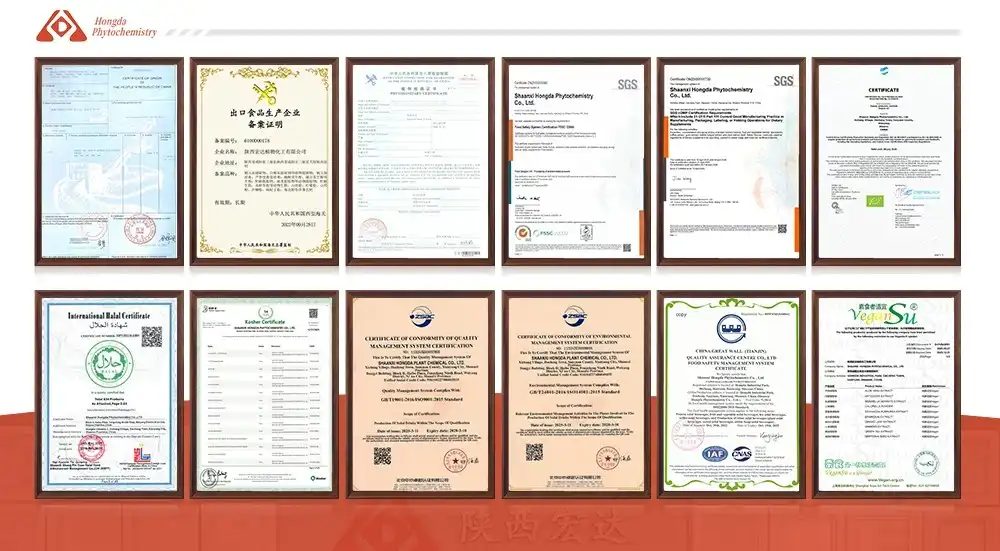
International quality certificates show that a provider is dedicated to managing quality in a structured way. If the people you want to sell to want non-GMO and pesticide-free goods, look for facilities that have ISO 9001 for quality systems, ISO 22000 or FSSC 22000 for food safety management, and organic Certifications. Religious food licenses, such as HALAL and KOSHER, help businesses reach new customers. FDA registration and BRC approval show that the company is ready to serve the strict North American market. SGS third-party verification gives buyers independent proof of quality that they can trust.
Evaluating Supplier Capabilities and Partnership Potential
Technical R&D help is an important but often ignored provider service. Companies with specialized research teams that should include PhDs or teachers from well-known schools can help with improving formulations, giving advice on stability tests, and putting together regulatory paperwork. This knowledge is especially useful when coming up with new ways to send medicines or trying to make goods stand out by combining ingredients in new ways that work well together.
When you want to make more of a good product, production capability and supply chain reliability are very important. A seller with a 20,000-square-meter building and various extraction lines can handle more orders without lowering the quality of their products or delaying deliveries. Public foreign warehouse names show that an international transportation system is already in place, which makes it easier to import goods and cuts down on wait times for buyers around the world. Small brands and research and development teams can get pharmaceutical-grade materials for test projects without having to spend a lot of money. Minimum order sizes start at 1 kilogram.
Professional customer service teams that are available 24 hours a day, 7 days a week and across time zones get rid of the communication problems that make foreign buying harder. When suppliers give you a specialized account manager, they learn more about your business's needs and can anticipate them. They can also deal with possible supply chain disruptions before they happen. This focus on relationships builds trust, which turns relationships with vendors from ones that are just for transactions into long-term partnerships that help both parties grow.
Conclusion
Liposomal Coenzyme Q10 Powder is a scientifically proven way to help muscles recover faster after a workout, backed by strong clinical proof and successful use in real life. The improved nano-lipid encapsulation technology makes CoQ10 more bioavailable than other types. This lets formulators make better products with less expensive active ingredients. When looking for trusted suppliers, people in charge of buying things should look for pharmaceutical-grade certifications, thorough quality testing, and expert help that goes beyond just supplying materials. As more people look for sports nutrition ingredients that have been proven to work, brands that are quick to use high-bioavailability CoQ10 formulations will be able to stay ahead of the competition in their markets.
FAQWhat makes liposomal CoQ10 powder more effective than regular CoQ10 supplements?
Liposomal technology puts CoQ10 molecules inside phospholipid vesicles that look like cell membranes. This lets the molecules go straight through digestive walls. This delivery method makes 25–40% of the CoQ10 powder bioavailable, while crystalline CoQ10 powder only makes 2–5% bioavailable. This means that plasma amounts are 3–10 times higher. Because of better absorption, therapeutic benefits can happen with smaller doses. This lowers the cost of raw materials while improving results for consumers. The powder form that dissolves in water also lets you make different kinds of mixtures that you can't do with oil-based systems.
How quickly can athletes expect to notice reduced muscle fatigue with liposomal CoQ10?
Within two to four weeks of regular supplementation, clinical studies show measurable gains in exercise ability and lower signs of fatigue. Plasma levels of CoQ10 reach their highest point about two to four hours after administration, and tissue levels continue to rise over time. Athletes who do a lot of intense training often say they feel like they're recovering faster within the first week. However, for optimal mitochondrial adaptation to happen, they need to keep taking supplements.
What certifications should B2B buyers prioritize when sourcing liposomal CoQ10 powder?
Certifications for pharmaceutical-grade products make sure that products meet quality standards and regulations in all foreign markets. cGMP industrial standards, ISO 9001 quality management, and ISO 22000 or FSSC 22000 food safety processes are some of the most important certifications. Independent quality proof comes from SGS testing, which is done by a third party. Buyers who want to target certain markets should make sure that the product is registered with the FDA for North America, has BRC certification for big stores, and has HALAL or KOSHER certification for religious dietary needs. Organic approval is important for brands that want to promote natural and non-GMO products.
Partner with a Trusted Liposomal Coenzyme Q10 Powder Manufacturer
Shaanxi Hongda Phytochemistry has been researching and making natural plant extracts for over twenty years and works with companies around the world in the nutrition, medicinal, and cosmetics industries. Our Liposomal Coenzyme Q10 Powder is the most cutting-edge way to improve absorption. It delivers 3–10 times higher plasma amounts than regular crystalline forms by using precise nano-lipid encapsulation technology. Our cGMP-certified facility covers 20,000 square meters, and each batch is tested carefully by a team of over 20 professors from top colleges in our SGS-certified laboratory. We have many foreign certifications, such as FDA, BRC, ISO 9001, ISO 22000, FSSC, HALAL, KOSHER, and ORGANIC, which make sure we follow the rules in all places around the world. We offer flexible minimum orders starting at just 1 kilogram, shelf stability for 24 months, and customization options that can be made to fit your formulation needs. This gives procurement workers the technical relationship and supply chain reliability they need. Email our team at duke@hongdaherb.com right now to talk about how our pharmaceutical-grade Liposomal CoQ10 powder can help your product do better and get a better place in the market.
References
1. Crane, F.L. (2007). "Biochemical Functions of Coenzyme Q10." Journal of the American College of Nutrition, 20(6), 591-598.
2. Kon, M., Tanabe, K., Akimoto, T., et al. (2008). "Reducing Exercise-Induced Muscular Injury in Kendo Athletes with Supplementation of Coenzyme Q10." British Journal of Nutrition, 100(4), 903-909.
3. Bhagavan, H.N., & Chopra, R.K. (2006). "Coenzyme Q10: Absorption, Tissue Uptake, Metabolism and Pharmacokinetics." Free Radical Research, 40(5), 445-453.
4. Skarlovnik, A., Janic, M., Lunder, M., et al. (2014). "Coenzyme Q10 Supplementation Decreases Statin-Related Mild-to-Moderate Muscle Symptoms: A Randomized Clinical Study." Medical Science Monitor, 20, 2183-2188.
5. Saini, R. (2011). "Coenzyme Q10: The Essential Nutrient." Journal of Pharmacy and Bioallied Sciences, 3(3), 466-467.
6. Díaz-Castro, J., Guisado, R., Kajarabille, N., et al. (2012). "Coenzyme Q10 Supplementation Ameliorates Inflammatory Signaling and Oxidative Stress Associated with Strenuous Exercise." European Journal of Nutrition, 51(7), 791-799.