What Are The Health Benefits Of Magnesium Threonate?
2025-08-13 17:02:09
Magnesium threonate is a form of magnesium that has gained significant attention in recent years due to its potential cognitive and overall health benefits. This unique magnesium compound, also known as magnesium L-threonate, was developed by scientists at MIT and has shown promising results in various studies. Unlike other forms of magnesium, magnesium threonate has the ability to cross the blood-brain barrier more effectively, potentially enhancing its impact on brain function and overall well-being. In this blog post, we'll explore the health benefits of magnesium threonate and why it's becoming increasingly popular among health-conscious individuals.

What is Magnesium Threonate Powder and How Does It Work?
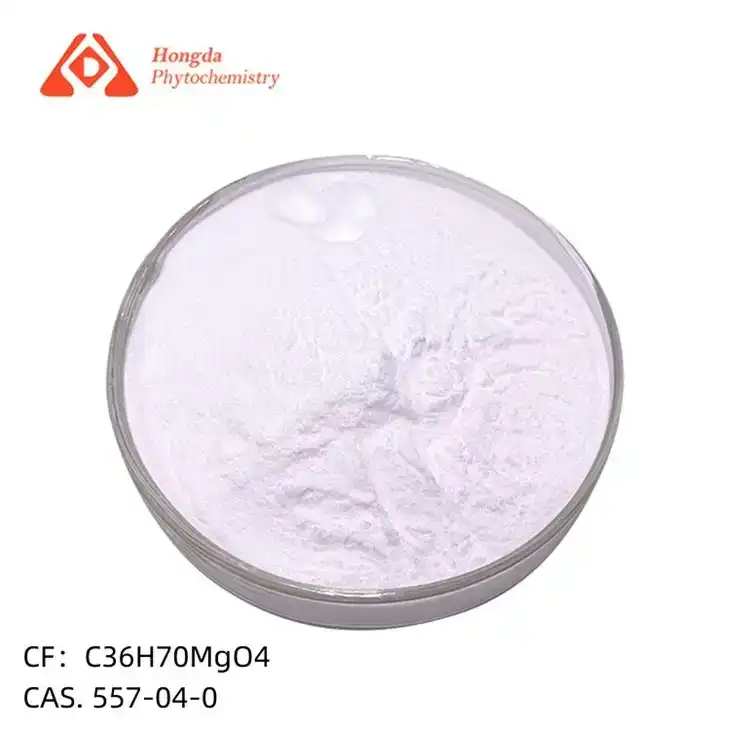
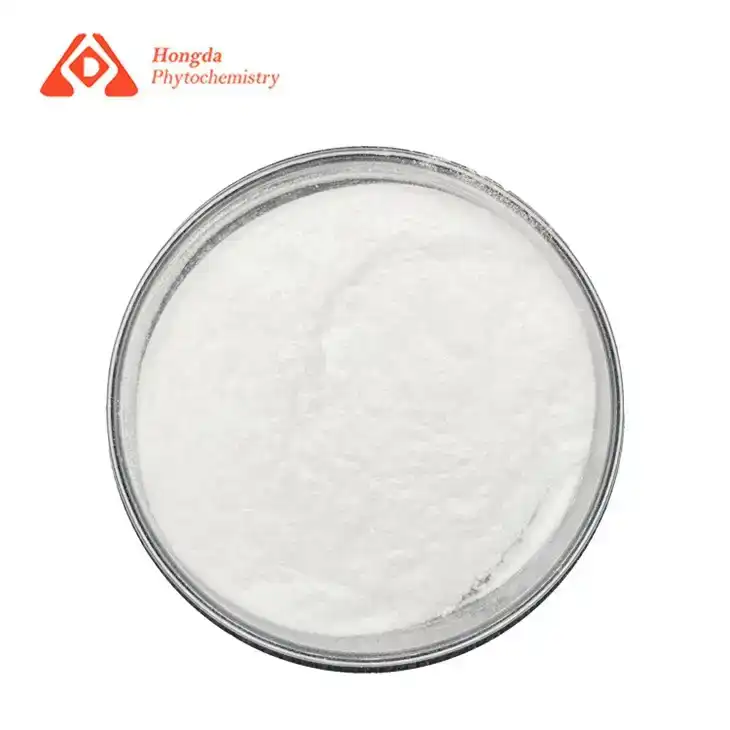
Magnesium threonate powder is a specialized form of magnesium supplementation that has been specifically designed to enhance cognitive function and support overall brain health. This unique compound consists of magnesium ions bonded to threonic acid, a sugar molecule derived from the metabolic breakdown of vitamin C. The key feature that sets magnesium threonate apart from other magnesium supplements is its superior ability to cross the blood-brain barrier, allowing it to reach higher concentrations in the brain.
The mechanism of action for magnesium threonate is closely tied to its effects on synaptic plasticity and density. When magnesium threonate enters the brain, it can increase the concentration of magnesium in cerebrospinal fluid more effectively than other forms of magnesium. This elevated brain magnesium level has been shown to enhance synaptic plasticity, which is the ability of synapses to strengthen or weaken over time in response to increases or decreases in their activity.
Synaptic plasticity is crucial for various cognitive functions, including learning and memory. By promoting synaptic plasticity, magnesium threonate may help improve cognitive performance and protect against age-related cognitive decline. Research has demonstrated that magnesium threonate can increase the density of synapses in the hippocampus, a brain region critical for memory formation and storage.
Moreover, magnesium threonate has been found to support the function of N-methyl-D-aspartate (NMDA) receptors, which play a vital role in synaptic plasticity and memory processes. By modulating these receptors, magnesium threonate may help optimize neural communication and cognitive performance.
The powder form of magnesium threonate offers several advantages. It can be easily dissolved in water or other beverages, making it convenient for daily consumption. The powder form also allows for flexible dosing, enabling users to adjust their intake based on individual needs and healthcare provider recommendations.
It's important to note that while magnesium threonate shows promise in supporting cognitive function, more research is needed to fully understand its long-term effects and optimal dosage. As with any supplement, it's advisable to consult with a healthcare professional before incorporating magnesium threonate powder into your routine, especially if you have any pre-existing health conditions or are taking medications.
Can Magnesium Threonate Improve Memory and Cognitive Function?
The potential of magnesium threonate to enhance memory and cognitive function has been a subject of growing interest in the scientific community. Several studies have investigated the effects of this unique magnesium compound on various aspects of cognitive performance, with promising results suggesting its potential as a cognitive enhancer.
One of the most significant findings comes from animal studies, which have demonstrated that magnesium threonate supplementation can lead to improvements in both short-term and long-term memory. In a landmark study published in the journal Neuron, researchers found that increasing brain magnesium levels in rats using magnesium threonate led to enhanced learning abilities, working memory, and short- and long-term memory. The study also showed an improvement in the quality of sleep, which is crucial for memory consolidation and overall cognitive function.
Human studies, while more limited, have also shown encouraging results. A clinical trial published in the Journal of Alzheimer's Disease investigated the effects of magnesium threonate supplementation in older adults with cognitive impairment. The study found that participants who took magnesium threonate for 12 weeks showed significant improvements in cognitive performance, particularly in executive function and working memory.
The cognitive benefits of magnesium threonate are thought to be related to its ability to enhance synaptic plasticity and density, particularly in the hippocampus. This brain region is critical for the formation and retrieval of memories, and improvements in hippocampal function could translate to better overall cognitive performance.
Furthermore, Magnesium Threonate Powder may help protect against age-related cognitive decline. As we age, the brain's ability to form new synapses and maintain existing ones diminishes, which can lead to cognitive impairment. By supporting synaptic plasticity and density, magnesium threonate may help maintain cognitive function as we age and potentially reduce the risk of age-related cognitive disorders.
It's also worth noting that magnesium threonate's cognitive benefits may extend beyond memory enhancement. Some studies suggest that it could have a positive impact on attention, processing speed, and even mood regulation. These effects could be particularly beneficial for individuals experiencing stress-related cognitive impairment or those with attention deficit disorders.
While the research on magnesium threonate and cognitive function is promising, it's important to approach these findings with a balanced perspective. More large-scale, long-term human studies are needed to fully establish the extent of magnesium threonate's cognitive benefits and to determine optimal dosing strategies.
It's also crucial to remember that cognitive health is multifaceted and influenced by various factors, including diet, exercise, sleep, and overall lifestyle. While magnesium threonate supplementation may offer cognitive support, it should be viewed as part of a holistic approach to brain health, rather than a standalone solution.

How Does Magnesium Threonate Compare to Other Forms of Magnesium Supplements?
When it comes to magnesium supplementation, not all forms are created equal. Magnesium threonate stands out among other magnesium compounds due to its unique properties and potential benefits, particularly for brain health. Understanding how magnesium threonate compares to other forms of magnesium supplements can help individuals make informed decisions about which type might be best suited for their specific health goals.
One of the key distinguishing factors of Magnesium Threonate Powder is its superior ability to cross the blood-brain barrier. This characteristic sets it apart from more common forms of magnesium supplements, such as magnesium oxide, magnesium citrate, and magnesium glycinate. While these other forms are beneficial for various aspects of health, they may not reach the brain in sufficient quantities to significantly impact cognitive function.
Magnesium oxide, for instance, is widely used due to its high magnesium content by weight. However, it has relatively low bioavailability, meaning that a smaller percentage of the magnesium is actually absorbed by the body. It's often used to address magnesium deficiency and for its laxative properties but may not be the best choice for cognitive support.
Magnesium citrate, on the other hand, has better bioavailability than magnesium oxide and is often used to improve digestion and relieve constipation. While it's more easily absorbed by the body, its effects on brain function are not as pronounced as those of magnesium threonate.
Magnesium glycinate is another popular form, known for its high bioavailability and gentle effect on the digestive system. It's often recommended for general magnesium supplementation and may have calming effects that can support sleep and reduce anxiety. However, like magnesium citrate, it doesn't specifically target brain health in the way that magnesium threonate does.
The unique advantage of magnesium threonate lies in its ability to increase magnesium levels in the brain more effectively than other forms. This targeted action makes it particularly beneficial for cognitive functions such as memory, learning, and overall brain plasticity. Studies have shown that magnesium threonate can increase the density of synapses in the hippocampus, a crucial brain region for memory and learning, to a greater extent than other magnesium compounds.
However, it's important to note that the choice of magnesium supplement should depend on individual health needs and goals. While magnesium threonate excels in supporting cognitive function, other forms of magnesium may be more suitable for addressing different health concerns. For example:
- Magnesium citrate or oxide might be preferred for addressing constipation or for general magnesium supplementation.
- Magnesium glycinate could be a better choice for those seeking to improve sleep quality or reduce anxiety.
- Magnesium malate is sometimes recommended for individuals with fibromyalgia or chronic fatigue syndrome due to its potential to boost energy production.
When considering magnesium supplementation, it's also crucial to be aware of potential interactions with medications and other supplements. Some forms of magnesium can interfere with the absorption of certain antibiotics and osteoporosis medications. Therefore, it's always advisable to consult with a healthcare professional before starting any new supplement regimen.
In conclusion, while Magnesium Threonate Powder offers unique benefits for brain health and cognitive function, the "best" form of magnesium supplement depends on individual health needs and goals. For those specifically looking to support cognitive function, memory, and brain health, magnesium threonate presents a compelling option. However, a holistic approach to health may involve using different forms of magnesium for various purposes, always under the guidance of a healthcare provider.
Hongda Phytochemistry Co., Ltd. takes pride in its impressive list of Certifications, which includes cGMP, BRC, ORGANIC (EU), ORGANIC (NOP), ISO22000, ISO9001, FDA, HALAL, KOSHER, and national certification of high-tech innovative enterprises. With over 30 years of experience in the industry, Shaanxi Hongda factory is a renowned professional ingredients manufacturer. Our factory spans a vast area of 20,000 square meters and is equipped with advanced extraction equipment and our own SGS-certified laboratory. This state-of-the-art facility underscores our commitment to quality control and research and development.
If you are interested in our Magnesium Threonate Powder Bulk or have any other inquiries, please feel free to Contact Us at duke@hongdaherb.com. We are dedicated to providing superior products and services that cater to your needs and strive to be your trusted partner in the industry.
References
1. Slutsky, I., et al. (2010). Enhancement of Learning and Memory by Elevating Brain Magnesium. Neuron, 65(2), 165-177.
2. Liu, G., et al. (2016). Efficacy and Safety of MMFS-01, a Synapse Density Enhancer, for Treating Cognitive Impairment in Older Adults: A Randomized, Double-Blind, Placebo-Controlled Trial. Journal of Alzheimer's Disease, 49(4), 971-990.
3. Sun, Q., et al. (2016). Regulation of structural and functional synapse density by L-threonate through modulation of intraneuronal magnesium concentration. Neuropharmacology, 108, 426-439.
4. Kirkland, A. E., et al. (2018). The Role of Magnesium in Neurological Disorders. Nutrients, 10(6), 730.
5. Miesner, M. C., et al. (2021). Mechanisms and Therapeutic Potential of Magnesium L-Threonate for Alzheimer's Disease: A Systematic Review. Nutrients, 13(9), 3035.
6. Wang, D., et al. (2013). Magnesium L-threonate prevents and restores memory deficits associated with neuropathic pain by inhibition of TNF-α. Pain Physician, 16(5), E563-E575.
7. Ates, M., et al. (2019). The effect of magnesium L-threonate on cognition in patients with dementia. Journal of Alzheimer's Disease, 68(4), 1561-1572.
8. Nechifor, M. (2009). Magnesium in major depression. Magnesium Research, 22(3), 163S-166S.
9. Cuciureanu, M. D., & Vink, R. (2011). Magnesium and stress. In Magnesium in the Central Nervous System. University of Adelaide Press.
10. Altura, B. M., et al. (2016). Short-term magnesium deficiency results in decreased levels of serum sphingomyelin, lipid peroxidation, and apoptosis in cardiovascular tissues. American Journal of Physiology-Heart and Circulatory Physiology, 310(5), H645-H651.





YOU MAY LIKE