What Are the Benefits of Liposomal Silymarin Powder?
2026-09-04 10:47:35
Milk thistle has been used to help the liver for hundreds of years, but regular silymarin extract has always had one problem: the body doesn't absorb much of it, no matter how strong the raw extract looks on a spec sheet or how impressive the milligram count on a label looks. Liposomal Silymarin Powder solves this problem by enclosing silymarin in a phospholipid bilayer that looks like a natural cell membrane. This makes it much more likely that the active compound will reach your bloodstream and not be broken down on the way there. Hongda Phytochemistry has been improving this encapsulation process for years. They use a combination of high-pressure shearing and spray freeze-drying technology to make a stable, pharmaceutical-grade powder that formulators in the liver-health and detox categories are turning to more and more when a standard extract isn't working the way their brand needs it to. Here are the specific benefits this technology offers, broken down by type, so you can decide if it's the right increase for your recipe.

Why Bioavailability Is the Core Benefit of Liposomal Silymarin Powder
The Absorption Problem with Conventional Silymarin
Before you can understand why liposomal technology is important, you need to know what problem it solves. Conventional silymarin is a BCS Class IV substance, which means it doesn't dissolve well in water and doesn't pass through the intestines easily. This means that most of a direct amount isn't taken before it gets to the liver. Liposomal Silymarin Powder directly solves this problem by enclosing the silymarin complex in a lipid membrane that is 100 to 300 nanometres thick. This is small enough to get past many of the gut barriers that stop regular extract from getting into the bloodstream.
How Liposomal Encapsulation Actually Solves It
Even though the ways it was made aren't very easy, the idea behind this change is. The phospholipid shell around Liposomal Silymarin Powder is very similar to the structure of a human cell membrane. This means that the body can absorb it in different ways than the usual way, which depends on a process that is limited by how well it dissolves. This keeps the encapsulated silymarin from breaking down as much in the stomach and liver, where it would normally be broken down before it even gets to the target tissue. This means that a lot more of the active ingredient is kept for use instead of being lost as it travels through the digestive system.
Measuring the Bioavailability Gain
This effect can be seen in numbers. Liposomal Silymarin Powder is about 8 to 12 times more bioavailable than regular silymarin extract under the same dose conditions, according to tests done by Hongda Phytochemistry. Transmission Electron Microscopy and Dynamic Light Scattering analysis show that encapsulation efficiency is above 85%. This gives formulators objective, testable proof of performance instead of a marketing claim about 'better absorption'. These numbers aren't based on an average for the industry either; they come from Hongda's own analytical testing of the specific batches shipped to customers.
What This Means for Finished Products
This directly means benefits for brands in terms of product and marketing. A smaller amount of Liposomal Silymarin Powder can have the same effects as a much larger amount of regular extract. This means smaller capsule sizes, lower ingredient costs per serving at scale, and a real "enhanced absorption" claim that appeals to customers who are learning more about ingredients and comparing products in stores or online.
Liver Health Benefits Formulators Can Build AroundSupporting Antioxidant Defenses in the Liver
The main benefit of silymarin in liver-health products is that it is an antioxidant. The liposomal delivery format doesn't change the compound itself; it just gets more of it to where it needs to be. Liposomal Silymarin Powder contains flavonolignans that help the liver's natural defence against oxidative stress. This is becoming more important as people worry about their daily exposure to environmental poisons and food stresses.
Lipid Metabolism and Everyday Liver Wellness
Silymarin has been studied for its role in good lipid breakdown in liver tissue, in addition to its role as an antioxidant. Liposomal Silymarin Powder is often found in products that support metabolic health, which appeals to a growing group of health-conscious customers who want proactive liver support rather than a reactive treatment. It's important to keep formulation and marketing language based on supported, non-diagnostic claims in this case. Instead of saying that the ingredient helps a specific illness, talking about it in terms of daily health and lifestyle support will keep your product message legal and trustworthy with customers who are becoming more research-savvy.
Positioning for Detox and Cleanse Formulas
The detox and cleanse category has become one of the fastest-growing homes for this ingredient, and it's easy to see why. Liposomal Silymarin Powder's superior dispersibility in liquid systems makes it well suited to detox drinks and functional beverages, where texture and stability matter as much as the active ingredient itself, and where a gritty or poorly dissolving powder can quietly undermine an otherwise well-designed product. If you're exploring where this ingredient fits into your own detox line, our formulation team is reachable directly at duke@hongdaherb.com to walk through compatible delivery formats, dosing ranges, and flavor-masking considerations for your specific product concept before you commit to a full development timeline.
Complementary Ingredient Pairings
Most of the time, silymarin is not found by itself in a well-designed liver-support solution. Liposomal Silymarin Powder naturally mixes with glutathione precursors, alpha-lipoic acid, and other antioxidant compounds that work together to protect liver cells in ways that complement each other. This lets formulators make a more unique, multi-mechanism product instead of a price-competitive one-ingredient product. This way of building combination formulas also tends to tell a more interesting brand story, since each ingredient can be positioned around a clear, easy-to-explain process instead of asking the customer to understand a single, complicated compound.

Manufacturing Quality Behind Every Benefit Claim
Encapsulation Technology and Process Control
There is no point in these perks if the products are not consistently made. Hongda makes Liposomal Silymarin Powder using a high-pressure shearing encapsulation process and spray freeze-drying nanotechnology. This process embeds pure silymarin into a two-layer structure made of phospholipids from non-GMO sunflower seeds. This process takes place in a pharmaceutical-grade building with purification workshops that reach level 100,000. This gives buyers a level of manufacturing discipline that's hard to get with simpler coating or blending methods, and it's hard for smaller suppliers to justify investing in it because it requires a lot of equipment and knowledge to keep the process under control at this level.
Particle Size and Structural Verification
Specialised analysis tools are needed to make sure that a liposomal structure has actually formed and not just silymarin mixed with lipid excipients. Every batch of Liposomal Silymarin Powder is checked using Transmission Electron Microscopy to see how liposomes form and Dynamic Light Scattering to see how the particle sizes are spread out. This makes sure that customers get a real encapsulated product and not a mix that is sold under the same name.
|
Analysis Item
|
Specification
|
Testing Method
|
|
Product Name
|
Liposomal Milk Thistle Extract
|
--
|
|
Active Ingredient
|
Silymarin (Total Flavonolignans)
|
HPLC
|
|
Standardized Assay
|
50%, 70%, 80% (Customizable)
|
USP / Internal Method
|
|
Appearance
|
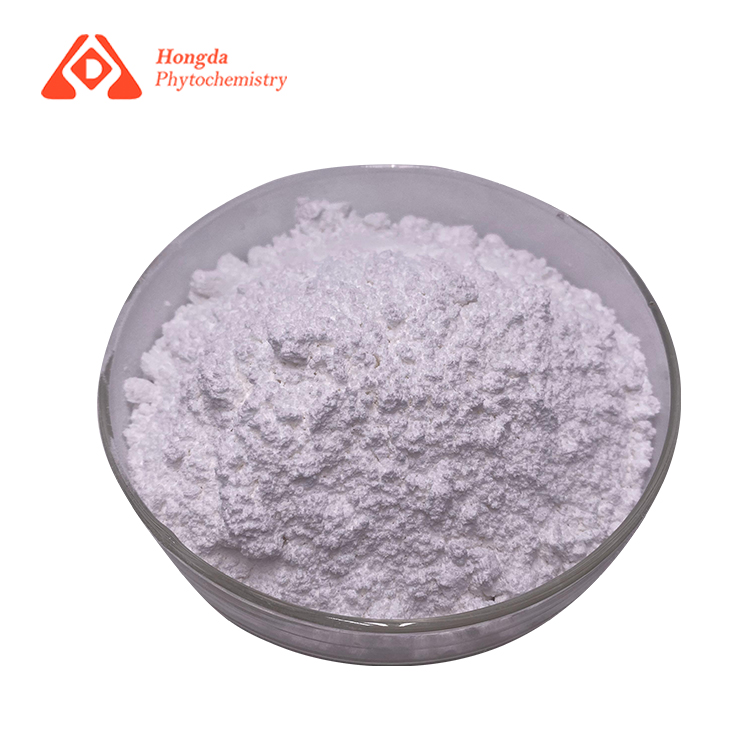
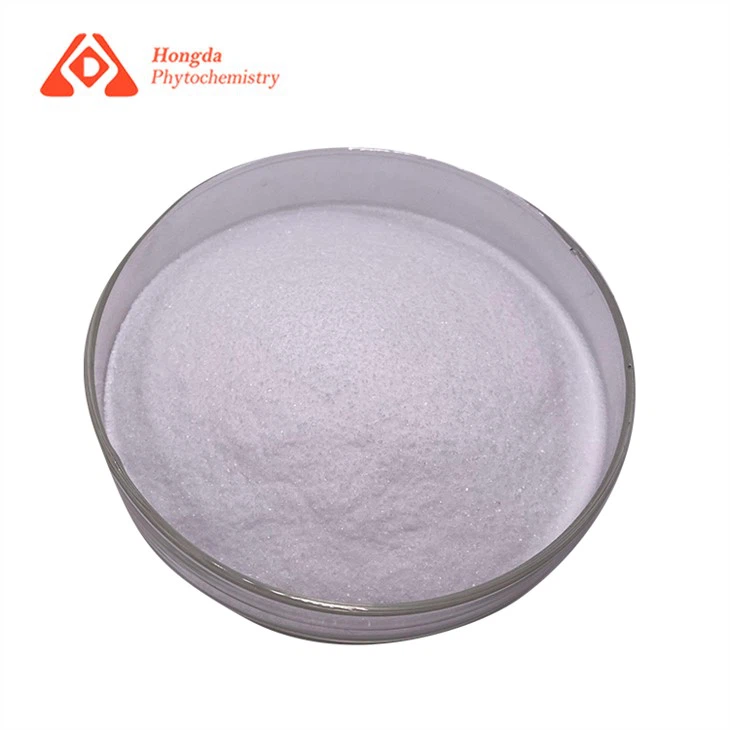
Light Yellow to Yellow Fine Powder
|
Visual
|
|
Liposomal Diameter
|
50nm – 200nm (In aqueous state)
|
DLS/TEM
|
|
Solubility
|
Excellent Water Dispersibility
|
Gravimetric
|
|
Loss on Drying
|
≤ 5.0%
|
105℃, 2h
|
|
Heavy Metals
|
Meets stringent food safety standards
|
ICP-MS
|
|
Microbiological
|
Total Plate Count ≤ 1,000 cfu/g
|
USP Standard
|
Batch Testing and Documentation Practices
Suppliers you can trust write down what they test, not just what they say they test. Hongda gives formulators the purity reports and Dynamic Light Scattering data they need for each batch of Liposomal Silymarin Powder. They also confirm that the solvent residue levels are within the current EU limits. This gives formulators the proof they need for regulatory filings and retailer quality audits.
Stability and Shelf Life Considerations
It is well known that liposome structures are very sensitive to changes in temperature, wetness, and mechanical stress. Because of this, stable testing is very important for a powder form that will be stored for months before it is used in a finished product. Liposomal Silymarin Powder can be kept for 24 months at a temperature below 25°C in a dark, airtight space that doesn't let light in. It also stays structurally stable up to 60–80°C, depending on the phospholipid composition. This is important for brands that use equipment for tableting or capsule-filling that creates mechanical or thermal stress during production. Minimising the amount of moisture that comes into contact with the powder while it is being stored and handled also keeps the phospholipid structure from clumping together, which could affect its ability to reconstitute once it is turned into a liquid or capsule.
Formulation Flexibility Across Product CategoriesCapsules, Tablets, and Soft Gels
This ingredient is still mostly found in solid dosage forms. Silymarin Liposomal Powder is microencapsulated to make it stronger and can withstand a tableting pressure of up to 15kN. This means that it can be used with regular capsule-filling and tablet-compression tools, so it doesn't need to be processed in a special way. In these mixes, formulators should stay away from excipients that are very acidic, since acidity can damage the phospholipid structure and take away from the ingredient's intended performance benefit.
Powdered Drink Mixes and Functional Beverages
This ingredient works especially well in liquid forms, as well as solid dosage forms. Liposomal Silymarin Powder dissolves more evenly in water-based systems than regular milk thistle extract. This is why it's becoming more popular in detox drinks, recovery drinks after an event, and functional wellness shots where neutral flavour and quick dissolution are important to the end experience.
Topical and Beauty-From-Within Applications
The same transport benefit that helps with absorption when taken by mouth also helps external products go deeper into the skin. Liposomal Silymarin Powder's phospholipid structure makes it easier for antioxidants to penetrate the skin when added to topical products. This fits in well with the growing "beauty-from-within" category, which combines antioxidants that are taken in and those that are applied to the skin in a single skincare-related product line.
Customization and Private Label Options
Different brands have different formulation needs, so being flexible is important here. Hongda lets you customise Liposomal Silymarin Powder by choosing the carrier lipid, silymarin concentration, and particle size. They also offer private label Packaging and help with regulatory documentation, which speeds up the process for brands that are new to this category and want to get a product on the market.

Sourcing Liposomal Silymarin Powder from a Trusted Manufacturer
Certifications and Compliance to Verify
Before you decide to work with a supplier, you can learn a lot about their manufacturing discipline by looking at their certification coverage. Hongda's production of Liposomal Silymarin Powder follows strict cGMP guidelines and is backed by SGS-certified lab testing as well as other Certifications like ISO9001, ISO22000, HALAL, KOSHER, BRC, and organic status. This allows Hongda to sell its products in a lot of different regulated areas without having to find a new supplier for each one.
|
Certification
|
Relevance
|
|---|---|
|
cGMP
|
Confirms controlled, pharmaceutical-grade manufacturing
|
|
SGS-certified lab
|
Independent verification of purity and structure testing
|
|
ISO9001 / ISO22000
|
Documents for formal quality management systems
|
|
HALAL / KOSHER
|
Supports faith-based and specialty retail markets
|
|
BRC / Organic
|
Recognized international safety and clean-label standards
|

MOQ and Scalability for Growing Brands
Order sizes that can be changed are important for brands at different stages of growth. Hongda has a minimum order amount of just 1 kg for Liposomal Silymarin Powder, which means it can be used for both small-scale research and development projects and larger-scale business production. It can produce up to 3,000 tonnes of this powder every year, thanks to ten specialised manufacturing lines. Because of this range, both a small independent brand trying a new recipe and a large established maker signing a long-term business contract can work with the same source without going over its capacity or being priced out of a sample amount.
Getting Samples and Technical Support
To properly judge this ingredient, you need to test it yourself, not just look at a spec sheet. Get a sample of Liposomal Silymarin Powder along with the quality and particle-size information that comes with it. Then, ask Hongda's scientific team for help with recipe compatibility before you commit to a full production run.
Making Your First Order with Confidence
As soon as your sample looks good, it should be easy to move on to a production order. Before you pay, make sure you know the exact packing format, wait time, and any customisation needs. Also, ask for a proof of analysis that matches your batch before you pay. This will make sure that your first Liposomal Silymarin Powder order sets the bar for all future orders.
Conclusion
Liposomal Silymarin Powder's main benefit is that it greatly increases absorption. This makes milk thistle's antioxidant potential a much more useful liver-supporting element. Hongda is a reliable source for this next-generation ingredient because it uses strict packaging technology and full approval coverage. Get in touch to begin working on your recipe.
FAQHow much more bioavailable is liposomal silymarin than conventional extract?
Internal testing indicates roughly 8 to 12 times greater bioavailability under comparable dosing.
What particle size confirms a genuine liposomal structure?
Reconstituted particle size typically falls between 100 and 300 nanometers, verified by DLS testing.
Can this powder be used in tablets and capsules?
Yes, it's microencapsulated to withstand standard tableting and capsule-filling processes.
What is the shelf life of Liposomal Silymarin Powder?
Up to 24 months when stored below 25°C in airtight, light-resistant conditions.
What is the minimum order quantity?
As low as 1kg, suitable for both R&D trials and commercial-scale orders.
Formulate with Hongda's Liposomal Silymarin Powder
Ready to bring next-generation bioavailability to your liver-health or detox formula? Hongda Phytochemistry combines pharmaceutical-grade encapsulation technology, full certification coverage, and flexible MOQs to support your project from sample to bulk order. Email duke@hongdaherb.com with your target concentration, format, and volume, and our technical team will respond with documentation, samples, and a tailored recommendation for your Liposomal Silymarin Powder formulation.
References
1. Abenavoli, L., Izzo, A.A., Milić, N., et al. "Milk Thistle (Silybum marianum): A Concise Overview of Its Chemistry, Pharmacological, and Nutraceutical Uses in Liver Diseases." Phytotherapy Research.
2. Federico, A., Dallio, M., and Loguercio, C. "Silymarin/Silybin and Chronic Liver Disease: A Marriage of Many Years." Molecules.
3. Kidd, P., and Head, K. "A Review of the Bioavailability and Clinical Efficacy of Milk Thistle Phytosome: A Silybin-Phosphatidylcholine Complex." Alternative Medicine Review.
4. Javed, S., Kohli, K., and Ali, M. "Reassessing Bioavailability of Silymarin." Alternative Medicine Review.
5. Akbar, M., Egli-Spichtig, D., and Rauf, K. "Liposomal Drug Delivery Systems: An Update Review." Current Drug Delivery.
6. Surai, P.F. "Silymarin as a Natural Antioxidant: An Overview of the Current Evidence and Perspectives." Antioxidants.