Polygonum Cuspidatum Extract Resveratrol Buying Guide
2026-09-04 11:00:52
If you're looking for Polygonum Cuspidatum Extract Resveratrol for a vitamin, makeup, or drug, you may have noticed that the quality and standards change a lot from one seller to the next, and sometimes even from one batch of the same company to the next. If you want to buy this ingredient, this guide tells you exactly what to look for and why Shaanxi Hongda Phytochemistry's version always stands out in terms of quality, paperwork, and supply stability. Thanks to more than 20 years of experience with extraction, Hongda knows which specifications really lead to a good final product and which ones are just marketing fluff. If buyers know what makes a good extract different from a bad one, they will have fewer surprises when developing the product, fewer failed retailer audits later on, and a much smoother path from raw material to finished product ready for the shelf. Let's go through it properly, section by section.

Understanding Polygonum Cuspidatum Extract Resveratrol Before You Buy
What Makes This Extract Different from Other Resveratrol Sources
Resveratrol can be found in grape skins, peanuts, and mulberries, but Polygonum cuspidatum, or Japanese knotweed, is still the most important source for business because its roots naturally have a much higher concentration of the chemical. Polygonum Cuspidatum Extract: Resveratrol from this root is more concentrated and cheaper than options made from grapes. This is one reason why it is so popular with companies that make bulk ingredients for cosmetics and nutraceuticals. When buyers compare different sources of resveratrol, they shouldn't just look at price per kilogram, but also at cost-per-milligram. This is because some sources have higher concentrations.
The Active Compounds: Resveratrol, Piceid, and Emodin
There are more than one molecule of resveratrol in a good Polygonum Cuspidatum Extract. Resveratrol, piceid (a similar glycoside), and emodin (an anthraquinone chemical also found in the plant) are all naturally found in the root. Reputable manufacturers usually break down polydatin into free resveratrol during processing to increase overall yield and potency. They also keep a close eye on emodin levels because some buyers ask for "emodin-free" or low-emodin grades depending on their needs. When you look at supplier paperwork side by side, you can ask better questions if you know about this compound profile.
Common Industry Applications Worth Knowing
Before you buy something, it's helpful to know where this item usually ends up. Resveratrol from Polygonum Cuspidatum Extract is used in many products, including dietary supplements that claim to help fight free radicals, cosmetics that are popular for their ability to do this, and studies that look into heart and metabolic health. Because it has been used for a long time in traditional Chinese herbal medicines, it has a long history of practical use, which is something that many brands find useful when they are writing about ingredients for their own products. Knowing what you want to use the product for helps you choose the right purity level and package type for your project.
Why Sourcing Origin and Cultivation Matter
There are different ways to grow and process Polygonum cuspidatum roots, which can have a bigger impact on the final extract than buyers may think. If roots are picked before they are fully grown or dried in different ways, the amount of resveratrol they contain may be smaller and less stable. If someone buys Polygonum Cuspidatum Extract Resveratrol from a business that has direct control over farming partnerships and in-house extraction, rather than a dealing company that sells untested material, they can be sure that each batch will be the same.
Key Specifications to Check When Buying Polygonum Cuspidatum Extract ResveratrolReading a Certificate of Analysis Correctly
A certificate of analysis (COA) should be included with any major buy, and it's just as important to know how to read one as it is to ask for one. A correct COA for Polygonum Cuspidatum Extract Resveratrol will show the amount of resveratrol that has been HPLC-verified, as well as the levels of heavy metals, microbes, and, if necessary, leftover solvents. One of the most common (and easy to miss) red flags when buying bulk ingredients is a COA that doesn't match the shipment that was received. Buyers should compare the COA's tested batch number to the shipment that was received.
Purity Grades and Standardization Percentages
People who are buying usually look at the specification percentage first, and for good reason: it has a direct effect on your formulation maths. Polygonum Cuspidatum Extract Resveratrol usually comes with 98% resveratrol for pharmaceutical-grade uses, but there are lower standards for supplement recipes that need to save money. Always check to see if the number given is for trans-resveratrol. The trans-isomer is medically active and more economically valuable than the cis-isomer, which is less stable.
Appearance, Solubility, and Particle Size
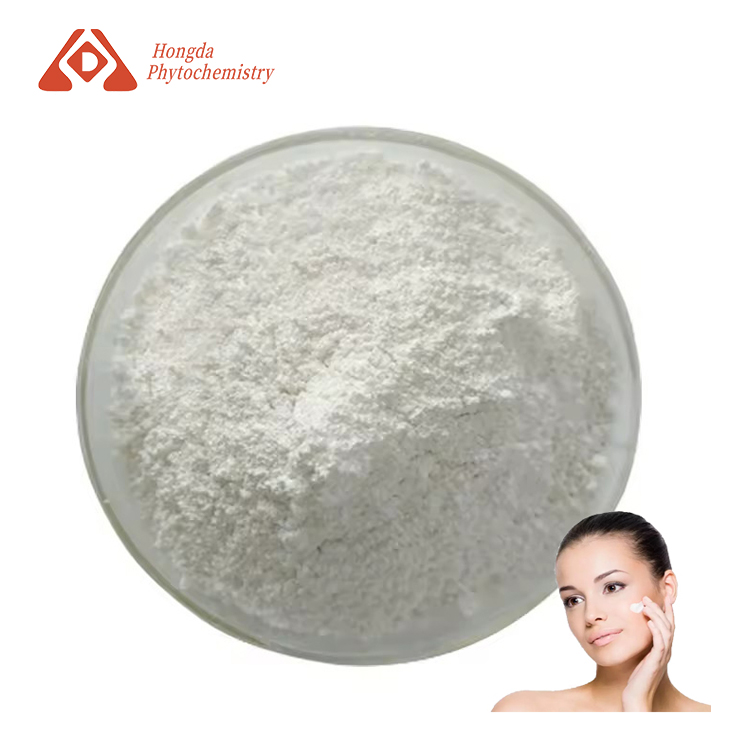
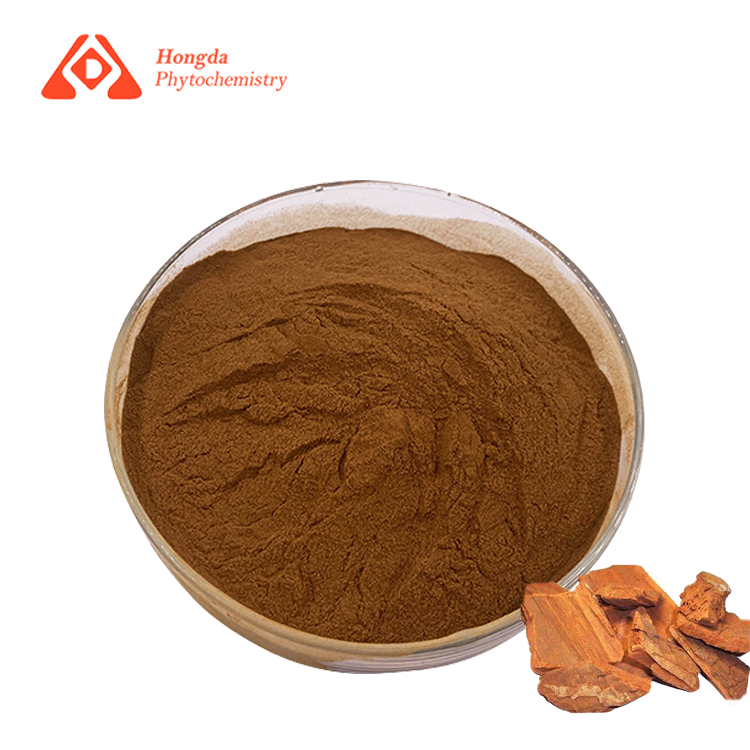
In addition to the purity number, the way something looks can tell you a lot about how well it was processed. A well-made Polygonum Cuspidatum Extract Resveratrol should be a fine, off-white powder that doesn't stick together or change colour. This is usually a sign that the powder was dried and stored correctly earlier on. Resveratrol doesn't dissolve well in water, so if your recipe needs better dispersion, ask your provider about micronised particle sizes or complexed forms that are made to make absorption better in liquid or emulsion-based goods.
Botanical Labeling and Grade Terminology
Labels on seller lists can get hard to understand quickly, so it's a good idea to ask for help before you commit. "Pharmaceutical grade," "food grade," and "cosmetic grade" Polygonum Cuspidatum Extract Resveratrol may all have the same basic requirements, but they may be different in how much information they provide, how often they are tested, and how they help with regulatory filings. Before assuming a cheaper grade will meet their compliance needs, buyers formulating for regulated categories like pharmaceuticals should make sure which grade comes with full DMF (Drug Master File) support or equivalent regulatory documentation.
|
Products name
|
Resveratrol Extract
|
Use part
|
Root
|
|
ITEMS
|
SPECIFICATION
|
RESULT
|
METHOD
|
|
Assay(Resveratrol)
|
NLT 98%
|
98.35%
|
HPLC
|
|
Appearance
|
White or off-white powder
|
Conform
|
Visual
|
|
PHYSICAL CHARACTERISTICS
|
|||
|
Loss on Drying
|
NMT 1%
|
0.49%
|
GB5009.3
|
|
Sulphated
|
NMT 0.5%
|
0.25%
|
GB5009.4
|
|
CHEMICAL CHARACTERISTICS
|
|||
|
Heavy Metals(as Pb)
|
NMT 10ppm
|
Conform
|
GB5009.74
|
|
Arsenic (As)
|
NMT 2ppm
|
Conform
|
GB5009.11
|
|
Cadmium(Cd)
|
NMT 1ppm
|
Conform
|
GB5009.17
|
|
Mercury(Hg)
|
NMT 0.1ppm
|
Conform
|
GB5009.12
|
|
MICROBIOLOGICAL CHARACTERISTICS
|
|||
|
Total Plate Count
|
NMT 1000cfu/g
|
Conform
|
GB4789.2
|
|
Total Yeast & Mold
|
NMT 100cfu/g
|
Conform
|
GB4789.15
|
|
E.Coli
|
Not Detected
|
Not Detected
|
GB4789.3
|
|
Salmonella
|
Not Detected
|
Not Detected
|
GB4789.4
|
|
Staphylococcus
|
Not Detected
|
Not Detected
|
GB4789.10
|
|
Conclusion |
Qualified. |
||
Evaluating Suppliers of Polygonum Cuspidatum Extract ResveratrolManufacturing Standards and Certifications to Look For
Supplier vetting should go well beyond a single spec sheet. Shaanxi Hongda Phytochemistry manufactures Polygonum Cuspidatum Extract Resveratrol within a cGMP-compliant facility holding ISO9001, ISO22000, FDA, HALAL, KOSHER, BRC, and organic certifications — a certification stack that lets buyers sell into multiple regulated markets without requalifying a new supplier for each region. If you're weighing multiple quotes and want a second opinion on which certifications actually matter for your target market, our team is reachable directly at duke@hongdaherb.com for a straightforward conversation about compliance requirements before you commit to an order.
Testing and Quality Assurance Practices in Practice
A supplier's strict internal testing process can often tell the difference between safe and dangerous partners. Ask the manufacturer how often batches of Polygonum Cuspidatum Extract Resveratrol are tested using HPLC, if third-party lab verification is available upon request, and what they do when a batch doesn't meet their own standards. Every production batch that Hongda releases is tested in-house by a research team of more than twenty specialists. This gives buyers written assurance rather than a general quality promise.
|
Certification
|
Why It Matters
|
|---|---|
|
cGMP
|
Confirms a controlled, quality-assured manufacturing process
|
|
ISO9001 / ISO22000
|
Documents formal quality and safety management systems
|
|
FDA
|
Supports registration pathways for U.S. buyers
|
|
HALAL / KOSHER
|
Required for faith-based and specialty retail markets
|
|
BRC
|
Recognized global safety and quality benchmark
|
|
Organic (EU/NOP)
|
Enables clean-label and organic product positioning
|

Customization and Private Label Capability
People who want to scale up a named product usually need more than just a generic powder. Hongda can change the amount of Polygonum Cuspidatum Extract Resveratrol, the size of the particles, and the way it is packaged. They can also help brands that need private label support to make sure the ingredient fits their exact recipe and legal needs. This adaptability is most important when you go from a small test batch to a clear commercial specification that you'll need to repeat consistently on a large scale.

Pricing, MOQ, and Lead Time Considerations
If you don't compare prices and wait times evenly, price studies can only give you part of the story. Once an order is approved, standard-specification Polygonum Cuspidatum Extract Resveratrol usually ships within a few days. However, if you want a different dosage or Packaging, that time frame may be longer. Buyers should ask for pricing tiers across different order volumes right away, since the cost per kilogram often drops significantly at bulk levels. If you only ask for one quote at your initial trial quantity, you might miss this information.
How to Buy Polygonum Cuspidatum Extract Resveratrol the Right Way
Requesting Samples Before Committing to Bulk
A real sample is still the most accurate way to check, no matter how good a supplier's paperwork looks on paper. Before approving a full production order, ask for a sample of Polygonum Cuspidatum Extract Resveratrol along with its certificate of analysis (COA). Then, do your own incoming quality checks, including looking at the product's appearance, how it dissolves, and, if possible, independent HPLC verification. Manufacturers you can trust usually don't mind sending samples right away. If they do, it's usually a red flag that you should pay attention to.
Comparing Quotes Without Sacrificing Quality
It's tempting to go with the lowest price, but that strategy often backfires when problems with formulation or regulation come up later. When looking at different quotes for Polygonum Cuspidatum Extract Resveratrol, it's better to compare prices based on the same specs, such as the same purity percentage, testing method, and certification coverage, than on numbers that look the same but actually mean different levels of quality. In the long run, it's usually cheaper to pay a little more per kilogram from a supplier with a good track record than to change the formula after a failed retailer audit.
Scaling from Trial Order to Bulk Purchase
Once your sample and trial batch work well, it should be easy to switch to regular large sales if you're working with the right provider. Hongda has ten specialised extraction lines that allow larger orders of Polygonum Cuspidatum Extract Resveratrol to be made without the specification drift that smaller makers sometimes have trouble avoiding when they make more of it. By writing down the agreed-upon specs in a contract before growing, both parties can avoid mistakes as the order size grows.
Building a Reliable Long-Term Supply Relationship
The best sourcing outcomes come from treating this as an ongoing relationship rather than a one-time transaction. A dedicated customer service team, transparent batch documentation, and consistent lead times matter more over a multi-year partnership than the lowest possible price on a single order. Buyers who prioritize this kind of stability with their Polygonum Cuspidatum Extract Resveratrol supplier tend to avoid the costly disruptions that come from switching sources mid-production cycle.
Common Buying Mistakes to AvoidOverlooking Certificate Verification
One of the most frequent mistakes buyers make is accepting a COA at face value without checking that batch numbers and testing dates actually match the shipment received. This oversight can lead to formulating with material that doesn't meet the specification you paid for, sometimes without discovering the discrepancy until a retailer or regulatory audit flags it later.
Choosing Price Over Documented Purity
Bulk ingredient markets are competitive, and it's easy to default to whichever quote looks cheapest. But unverified or under-documented Polygonum Cuspidatum Extract Resveratrol can end up costing far more in reformulation, recalls, or lost retailer trust than the initial savings were ever worth. Documentation depth should weigh as heavily in your decision as the headline price.
Ignoring Supply Consistency and Capacity
A supplier that can deliver a great sample but struggles with recurring bulk supply creates real risk for a growing brand. Ask directly about production capacity, typical lead times at scale, and how the manufacturer handles seasonal raw material availability before committing to them as a primary source.
Skipping Sample Testing Before Bulk Commitment
Finally, skipping independent verification on a sample — even when a supplier's paperwork looks complete — remains one of the costliest shortcuts buyers take. A quick internal or third-party test on your Polygonum Cuspidatum Extract Resveratrol sample before placing a bulk order is inexpensive insurance against a much larger problem down the line.
Conclusion
Buying Polygonum Cuspidatum Extract Resveratrol well comes down to verifying specifications, certifications, and supply consistency before committing to bulk. Hongda's twenty-plus years of extraction expertise, full certification coverage, and flexible customization give buyers a dependable foundation for this decision. Reach out to start a conversation about your specific sourcing needs today.
FAQWhat resveratrol percentage does Hongda's extract typically ship at?
Standard pharmaceutical-grade material ships at 98% resveratrol, with other potencies available on request.
Is this extract emodin-free?
Low-emodin and emodin-free grades can be produced depending on your formulation requirements.
What certifications should I check before buying in bulk?
Look for cGMP, ISO9001, ISO22000, FDA, HALAL, KOSHER, BRC, and organic certifications.
Can I request a sample before placing a bulk order?
Yes, samples with accompanying certificates of analysis are available on request.
What packaging and lead times are typical for bulk orders?
Standard packaging is 25kg drums, with lead times of a few days for standard specifications.
Source Your Polygonum Cuspidatum Extract Resveratrol from Hongda
Ready to buy with confidence? Hongda Phytochemistry brings over 20 years of extraction expertise, full certification coverage, and transparent documentation to every order of Polygonum Cuspidatum Extract Resveratrol, from small trial samples to large recurring bulk contracts. Email duke@hongdaherb.com with your target specification, volume, and timeline, and our technical team will respond with a certificate of analysis, sample availability, and a quote tailored to your project.
References
1. Guo, Y., Wan, S., Gu, Y., et al. "Optimization of Extraction and Antioxidant Activities of Resveratrol from Polygonum cuspidatum by Ultrasound-Assisted Natural Deep Eutectic Solvent Method." Molecules, 2026.
2. Fan, W., Wu, J., Gao, M., et al. "Preparation of Solid Dispersion of Polygonum Cuspidatum Extract by Hot Melt Extrusion to Enhance Oral Bioavailability of Resveratrol." Molecules, 2023.
3. Zhao, R.Z., Liu, S., and Zhou, L.L. "Rapid Quantitative HPTLC Analysis, on One Plate, of Emodin, Resveratrol, and Polydatin in the Chinese Herb Polygonum cuspidatum." Chromatographia, 2005.
4. Wang, D.G., Liu, W.Y., and Chen, G.T. "A Simple Method for the Isolation and Purification of Resveratrol from Polygonum cuspidatum." Journal of Pharmaceutical Analysis, 2013.
5. National Center for Complementary and Integrative Health. "Resveratrol Fact Sheet for Health Professionals." U.S. Department of Health and Human Services.
6. Baur, J.A., and Sinclair, D.A. "Therapeutic Potential of Resveratrol: The In Vivo Evidence." Nature Reviews Drug Discovery.





YOU MAY LIKE