Storage Precautions: Why Does Cyanocobalamin Vitamin B12 Powder Degrade?
2026-08-11 16:06:43
Cyanocobalamin Vitamin B12 Powder sent with full potency might lose a lot of power before it ever gets to a manufacturing line, only on how it was kept along the way. And knowing why this is the case is just as important as sourcing a high-quality raw material in the first place, and Shaanxi Hongda Phytochemistry caters to both sides of that equation – manufacturing Cyanocobalamin Vitamin B12 Powder to a consistent 98% specification and advising customers on the storage practices needed to protect that potency after delivery. In this post, we outline what causes deterioration, how to identify it before it impacts a formulation, and the storage techniques that maintain the stability of Cyanocobalamin Vitamin B12 Powder, from the time it leaves Hongda’s plant until final manufacture. For firms that depend on accurate label claims, this knowledge is not optional background reading; it’s the difference between whether the completed product on a shop shelf still provides the potency stated on its package.
What Happens When Cyanocobalamin Vitamin B12 Powder Is Exposed to Poor Storage Conditions?
Before discussing prevention, it helps to understand the specific environmental factors that cause this ingredient to lose strength over time.
How Light Exposure Breaks Down Cyanocobalamin Vitamin B12 Powder
Vitamin B12 Cyanocobalamin Powder is light-sensitive, and extended exposure to light (especially direct sunlight or bright fluorescent lighting) may cause the cobalt-centered molecular framework to chemically break down. This photodegradation process progressively lowers the efficacy of the active chemical; hence, the dark-red crystalline powder should never be kept in clear, exposed containers under strong warehouse or laboratory illumination. Formulators should aim to minimise the exposure of Cyanocobalamin Vitamin B12 Powder to intense light while weighing or mixing. Even brief cumulative exposure over several manufacturing runs may significantly affect potency during the shelf life of a product. This cumulative impact is particularly important for production facilities that operate open weighing stations under intense overhead illumination. Simple measures like covering open containers between weighing stages may significantly minimise unwanted exposure.
Why Heat and Humidity Accelerate Degradation
Elevated temperatures accelerate the chemical processes that lead to Cyanocobalamin Vitamin B12 Powder degradation, making heat one of the primary risks to its long-term stability in storage and transit. This difficulty is compounded by humidity. The powder may absorb moisture and change its crystalline structure, and also provide the conditions for hydrolysis. In warehouses without climate control, especially in tropical or coastal areas with high ambient humidity, unpackaged Cyanocobalamin Vitamin B12 Powder, if not stored according to manufacturer guidelines, can be a serious threat, sometimes reducing potency well before the labelled expiration date. Special attention must be paid to seasonal temperature variations, as a facility which maintains proper temperatures most of the year may nonetheless expose stored inventory to hazardous heat surges during a short time of summer if cooling systems are not constantly monitored.
The Role of Oxygen and Air Exposure
Cyanocobalamin Vitamin B12 Powder is subject to oxidative stress from repeated exposure to air, especially after a sealed drum has been opened and partly utilised. Each time a container is opened for sampling or partial dispensing, a small amount of oxidative damage is accumulated. This is why correct resealing methods are as important as the original package quality. Facilities that regularly open partial containers of Cyanocobalamin Vitamin B12 Powder should decant working amounts into smaller, firmly closed containers instead of exposing the whole bulk supply to ambient air repeatedly.
How Can You Recognize Degraded Cyanocobalamin Vitamin B12 Powder Before It Affects Your Product?
Catching degradation early prevents a compromised raw material from making its way into finished products and undermining label claims.
Visual and Color Changes to Watch For
Fresh Cyanocobalamin Vitamin B12 Powder is a uniform dark-red crystalline powder, and any significant change to a duller, browner, or unevenly discoloured look may be an indication of the onset of deterioration. Although visual inspection alone cannot accurately determine potency loss, quality control teams working with Cyanocobalamin Vitamin B12 Powder should treat unexpected colour changes as an immediate trigger for laboratory testing, rather than assuming the material is still fully potent just because it looks like previous batches on casual inspection.
Potency Testing and Batch Verification
The only method to really tell whether Cyanocobalamin Vitamin B12 Powder still matches its labelled standard is laboratory potency testing, usually by high-performance liquid chromatography, to determine the actual quantity of active ingredient left. They should incorporate periodic re-testing into their quality protocols, especially for inventory that has been stored for extended periods or shipped through regions with unreliable climate conditions, to ensure that the Cyanocobalamin Vitamin B12 Powder going into production still provides the potency indicated on its certificate of analysis. Instead of relying just on the original certificate of analysis for older stock, quality teams may now establish a regular re-testing interval, providing an objective checkpoint before potentially committing deteriorated material to a costly production run.
Shelf Life Expectations Under Proper Conditions
Cyanocobalamin Vitamin B12 Powder generally has a shelf life of around 2 years from the date of manufacture when kept properly in a cool, dry place away from direct sunlight. This shelf life implies the original Packaging stays intact and undisturbed. Once opened, the countdown to serious deterioration sometimes increases, especially if the container is not immediately and securely resealed after each use. Vitamin B12 Powder (Cyanocobalamin) Formulators should consider their production schedule while ordering and refrain from over-ordering beyond the practical window of full potency for the material. Formulators unsure whether their current storage setup meets the standards needed to protect Cyanocobalamin Vitamin B12 Powder can reach Hongda's technical support team directly. Email duke@hongdaherb.com for storage guidance, updated certificates of analysis, or a fresh sample shipment matched to your production schedule.
What Storage Practices Protect Cyanocobalamin Vitamin B12 Powder Quality?
With the causes of degradation established, the practical question becomes what specific storage practices actually prevent potency loss.
Temperature and Humidity Control Guidelines
Cyanocobalamin Vitamin B12 Powder should be stored in a cold, dry place, away from moisture. Preferably, the storage should be below room temperature since chemical reactions are greatly reduced by lower temperatures. The general environment of the warehouse is not sufficient to ensure the safety of the bulk storage. The bulk storage facilities must monitor the ambient temperature and relative humidity continuously. Even short-term fluctuations during seasonal changes or due to equipment fault may cause harm over time. Investing in simple climate monitoring equipment is a minor price to pay to preserve a full drum of Cyanocobalamin Vitamin B12 Powder from premature loss of potency.
|
Storage Factor
|
Recommended Condition
|
|---|---|
|
Temperature
|
Cool room temperature, avoid heat exposure
|
|
Humidity
|
Low humidity, dry environment
|
|
Light Exposure
|
Away from direct sunlight and strong lighting
|
|
Container Seal
|
Fully resealed after each use
|
|
Shelf Life
|
Approximately 2 years from production, unopened
|
Packaging Materials That Preserve Potency
The original packaging offered with Cyanocobalamin Vitamin B12 Powder, usually opaque, moisture-resistant barrels, is meant to minimise light and humidity exposure during storage and shipping. When the powder is transferred to transparent glass jars or thin plastic bags for convenience, these defences are greatly compromised. Light and air may penetrate the substance much more easily than via the original packing. For internal distribution to manufacturing lines, facilities repackaging Cyanocobalamin Vitamin B12 Powder should use opaque, well-sealed containers that mimic the protective characteristics of the original manufacturer’s packaging as nearly as feasible.
Warehouse and Inventory Rotation Best Practices
A first-in, first-out rotation mechanism is utilised to make sure that the older stock of Cyanocobalamin Vitamin B12 Powder is consumed before future shipments, minimising the chance that any particular drum remains in storage much longer than needed. Clear labelling of receipt date and expiry window means warehouse workers can make rapid, precise judgements about which inventory to retrieve first, especially crucial in facilities handling several raw materials with varying stability profiles. Such discipline in inventory management is the perfect complement to effective temperature and packaging controls. When combined, they provide a holistic approach to maintaining Cyanocobalamin Vitamin B12 Powder quality throughout the whole supply chain. Even facilities with great temperature controls might become counterproductive if they do not have regular stock monitoring. For instance, a forgotten drum moved to the back of a storage shelf can easily exceed its ideal use window before anybody finds it during a normal stock check.
How Does Hongda Ensure Cyanocobalamin Vitamin B12 Powder Stays Stable from Factory to Formulation?
Storage responsibility does not begin and end with the buyer; a quality supplier builds stability protections into every stage before the product ever ships.
cGMP Manufacturing and Quality Assurance
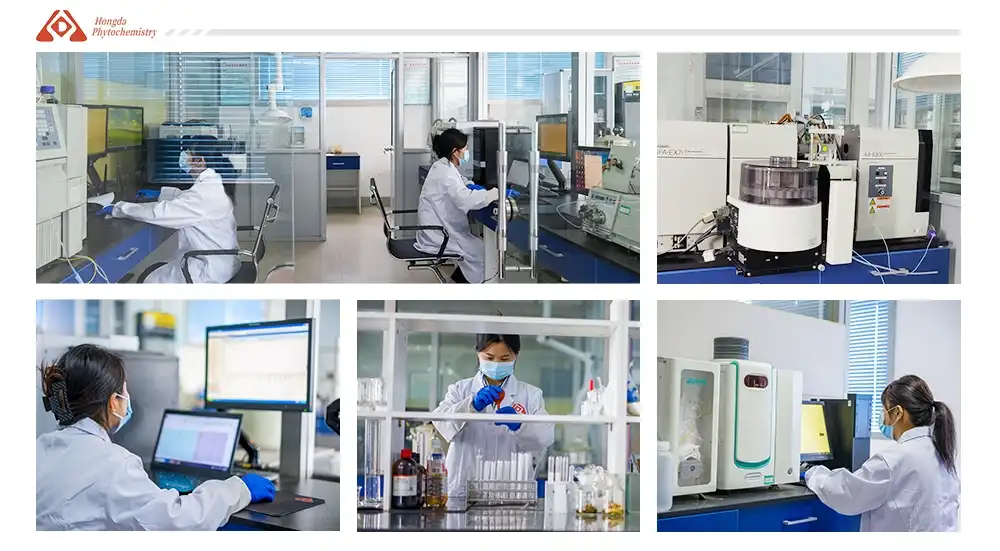
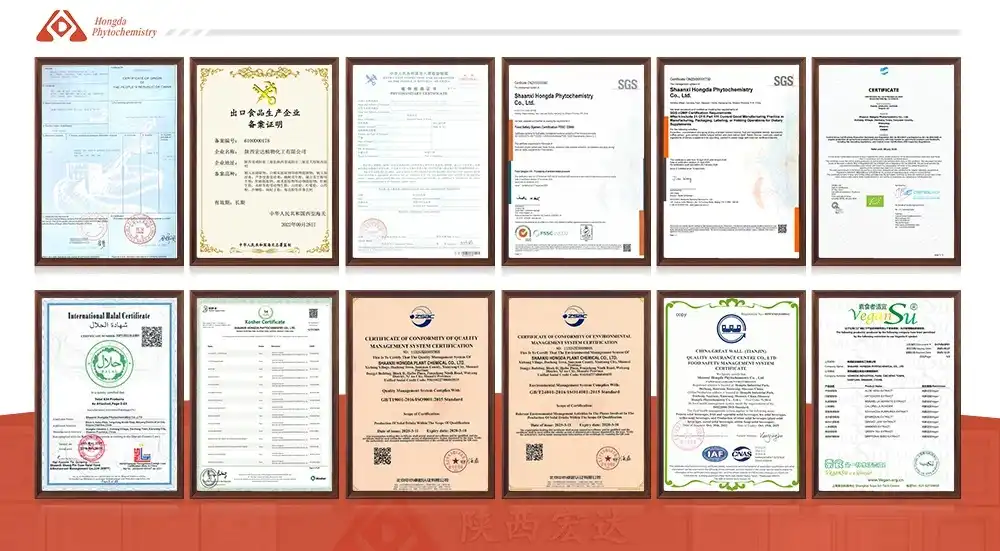
Hongda manufactures Cyanocobalamin Vitamin B12 Powder in a cGMP facility that controls environmental conditions throughout production, packing, and warehousing to help maintain potency before the product leaves the plant. Cyanocobalamin Vitamin B12 Powder is tested in an SGS-certified laboratory and personally inspected by the company’s research professors to ensure each lot meets standard before packing and distribution. This upstream quality control ensures that consumers start with a raw material that has not previously been degraded by poor handling at manufacturing, providing downstream storage operations a really solid base on which to grow.
Packaging Specifications for Long-Distance Shipping
Hongda knows that Cyanocobalamin Vitamin B12 Powder regularly travels great distances to reach overseas consumers. Hongda packs the product in conventional 25kg drums, with 27 drums per tray, built to endure the temperature and handling fluctuations characteristic of ocean and air freight. This packaging approach is based on the understanding that stability protection cannot end at the factory gate; it must continue through the entire shipping journey to markets in Europe, North America and Asia where transit times and customs processing can introduce additional storage variables outside the manufacturer’s direct control.
Documentation and Certificates of Analysis
All Cyanocobalamin Vitamin B12 Powder shipments from Hongda are sent with a certificate of analysis showing tested potency, purity, and other important criteria of the batch at the time of manufacturing. This documentation provides a solid baseline against which future incoming quality testing by the buyer (if any) may be compared to assist in differentiating true storage deterioration from any pre-existing variation. The maintenance of this paper trail assists regulatory compliance efforts, since many markets need recorded evidence of raw material requirements prior to a final product being lawfully marketed. Buyers who save certificates of analysis segregated by batch number and date received also have a helpful point of reference if a customer or regulator ever concerns the potency of a completed product months or years after the initial Cyanocobalamin Vitamin B12 Powder shipment arrived.
Conclusion
Cyanocobalamin Vitamin B12 Powder is affected by light, heat, humidity, and oxygen, and may be significantly degraded as a consequence. With more than 20 years of cGMP-certified production experience and an SGS-certified laboratory, Shaanxi Hongda Phytochemistry has included quality assurance into every batch before shipping, offering clients a solid starting point for their own storage policies. Cyanocobalamin Vitamin B12 Powder should be expected to retain its labelled potency throughout final formulation, if properly handled at both ends of the supply chain.
FAQQ1: Why does light exposure degrade Cyanocobalamin Vitamin B12 Powder?
A: Its cobalt-centered molecular structure is photosensitive, and prolonged light exposure triggers chemical breakdown that reduces potency over time.
Q2: How long does Cyanocobalamin Vitamin B12 Powder typically last when stored correctly?
A: Under proper cool, dry, sealed conditions, it generally maintains potency for approximately two years from its production date.
Q3: What is the best way to confirm if a batch has degraded?
A: Laboratory potency testing, typically via high-performance liquid chromatography, provides the most reliable confirmation of remaining strength.
Q4: Should Cyanocobalamin Vitamin B12 Powder be repackaged into smaller containers?
A: Yes, using opaque, well-sealed containers for working quantities helps limit repeated air and light exposure to the bulk supply.
Q5: Does Hongda provide documentation confirming product potency at shipment?
A: Yes, every batch ships with a certificate of analysis documenting tested potency, purity, and specifications at the time of production.
Order Reliably Stable Cyanocobalamin Vitamin B12 Powder from Hongda
Looking for a supplier that safeguards potency from production through final delivery? Hongda's cGMP-certified facility and SGS-tested quality process ensure every batch of Cyanocobalamin Vitamin B12 Powder leaves the plant at full specification, supported by packaging built for long-distance shipping and a customer service team available around the clock. Whether you need storage guidance, a fresh certificate of analysis, or a new bulk order, our specialists are ready to help protect your formulation's integrity. Contact Us today at duke@hongdaherb.com to discuss your requirements and keep your supply chain running smoothly.
References
1. United States Pharmacopeia. USP Monograph: Cyanocobalamin. United States Pharmacopeial Convention.
2. Carmel, R. (2011). Biomarkers of Cobalamin (Vitamin B-12) Status in the Epidemiologic Setting. The American Journal of Clinical Nutrition.
3. Institute of Medicine, Food and Nutrition Board. (1998). Dietary Reference Intakes for Thiamin, Riboflavin, Niacin, Vitamin B6, Folate, Vitamin B12, Pantothenic Acid, Biotin, and Choline. National Academies Press.
4. World Health Organization. Vitamin and Mineral Requirements in Human Nutrition, Chapter on Vitamin B12. WHO/FAO.
5. Farrer, K. T. H. (1955). The Stability of Vitamins B1, B2, B6, and B12 During Heat Processing. Journal of the Science of Food and Agriculture.
6. Green, R., Allen, L. H., Bjørke-Monsen, A. L., et al. (2017). Vitamin B12 Deficiency. Nature Reviews Disease Primers.