Phosphatidylserine Bulk Powder vs Capsules for OEM Products
2026-10-28 15:43:45
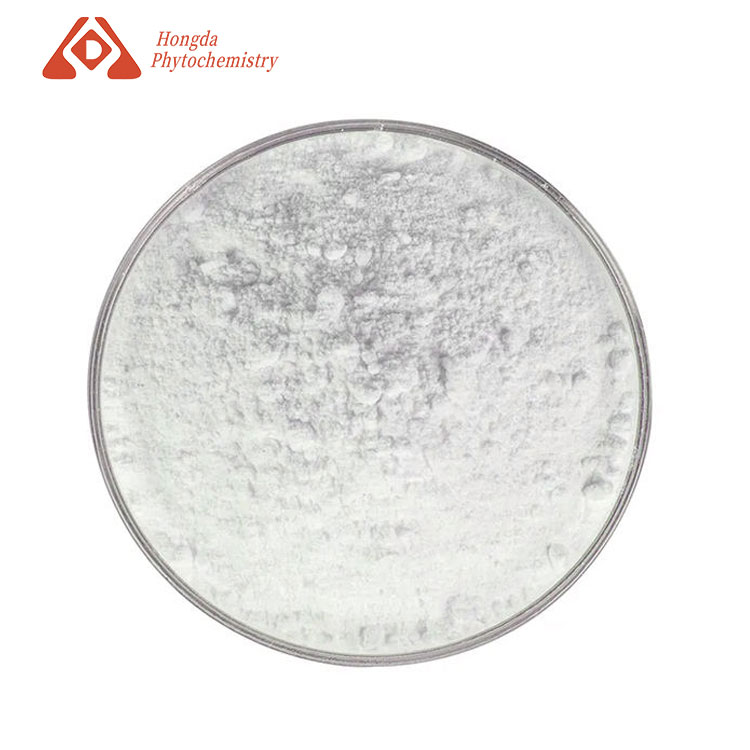
If you are planning a brain-health line, one of the first decisions is also one of the most expensive to reverse: do you build around Phosphatidylserine Bulk Powder, or buy finished capsules? The answer shapes your margins, your formulation freedom, your lead times, and how fast you can launch a second or third SKU. Phosphatidylserine, or PS, is a phospholipid found in cell membranes, and it has earned a loyal following in memory, focus, and healthy-aging products. This guide compares both routes from an OEM buyer’s point of view, so you can pick the format that fits your brand.
The Quick Answer: Which Format Fits Your OEM Brand?
A Side-by-Side Look at Powder and Capsules
The majority of purchasers begin by inquiring about which alternative is more cost-effective; nonetheless, the most pertinent inquiry is which one is suitable for the organization that you are actually constructing. When compared to capsules, which arrive as a finished dosage form with limited space for adjustment, phosphatidylserine bulk powder provides you with raw material that you can mold into whatever format that your consumers need. The following table provides a summary of the trade-offs that are most frequently discussed in interactions with OEMs.
|
Factor
|
Phosphatidylserine Bulk Powder
|
Finished Capsules
|
|---|---|---|
|
Format flexibility
|
Capsules, tablets, sticks, gummies, drink mixes
|
Capsule only
|
|
Dose control
|
Set your own mg per serving
|
Fixed by supplier
|
|
Cost per serving
|
Usually lower at volume
|
Usually higher
|
|
Launch speed
|
Requires formulation and filling
|
Fastest to market
|
|
Branding freedom
|
Full control of excipients and claims
|
Limited
|
Summary reflects common OEM sourcing practice; confirm details with your supplier’s current specification.
When does bulk powder give you more room to build?
Since it can be used to power multiple goods, phosphatidylserine bulk powder is the product of choice for brands that are looking to expand. Begin with a capsule that has 100 milligrams, then add a stick pack for those who are traveling, and finally, add a gummy for children, all of which are made from the same ingredients. You will be able to answer queries from the merchant regarding excipients, allergies, and sources when you buy in bulk because you will be able to see what goes into each serving. It is not necessary for your formulators to wait for a fresh recipe in order to make adjustments to flow agents, flavors, and companion additions. When it comes to setting up labor, businesses that make their own goods or use a reliable contract filler frequently place a higher priority on independence.
When Ready-Made Capsules Win on Speed?
If you prioritize quickness over flexibility, finished capsules are your best bet. The formulation and filling process may be circumvented in certain circumstances, such as when the startup is testing its first product, when the distributor is entering a new market, or when the retailer requires a private-label item in a hurry. The capsule is delivered to the provider, who assumes the risk of manufacture and ensures that it is suitable for Packaging and labeling. Downsides include a lower level of personalization and increased costs associated with service. An increasing number of brands are switching from capsules to phosphatidylserine bulk powder in order to increase demand during periods in which higher margin monitoring is required. According to this point of view, the two choices provide complementary product lifecycle options rather than competing choices.
What Goes Into the Powder: Grades, Sources, and Specs?Soy and Sunflower Origins
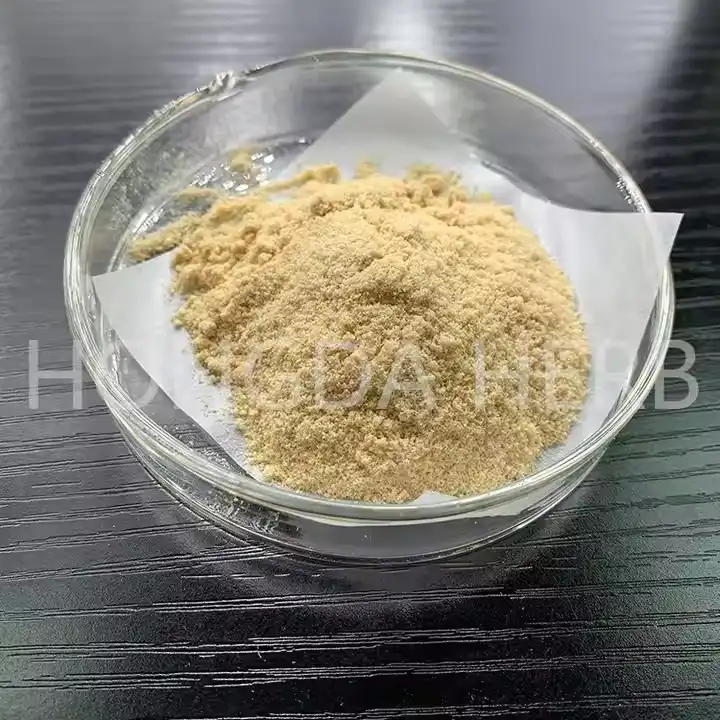
Soy and sunflower lecithin are the main plant sources of PS powder. Personally, I prefer one. Sunflower-derived phosphatidylserine bulk powder is good for brands that want to avoid soy or have a cleaner label. Soy-derived material has the longest study history, including clinical trials with soybean-sourced PS in older adults. When choosing a source, consider your audience, allergy policy, and marketing plan. Request origin and conversion documentation from your supplier to publish non-GMO or allergy declarations. Clear records save time and effort when retailers investigate your supplier chain.
Choosing a PS Percentage
The proportion you choose determines the cost and formulation size of the phosphatidylserine bulk powder, which is supplied in different strengths. A greater grade of PS can be packed into a smaller capsule or stick, whereas a lower grade is easier to combine into bigger servings. Buyers' typical considerations of the option are displayed in the table.
|
Typical Grade
|
Best Suited For
|
Formulation Note
|
|---|---|---|
|
20% PS
|
Drink mixes, larger-volume servings
|
Larger fill weight per dose
|
|
50% PS
|
Capsules and tablets
|
Balanced strength and handling
|
|
70% PS
|
Compact capsules, premium blends
|
Smaller fill, higher ingredient cost
|
Grades are a reflection of the capabilities that are often offered in the market; nevertheless, actual availability and specifications differ from provider to supplier and should be confirmed in writing.
If your product requires a certain strength, you can discuss it with the sales staff at Hongda rather than altering your recipe around a catalog grade. This is because Hongda enables customization.
Flow, Dispersion, and Handling
The behavior of powder is just as important as the label, as anyone who has ever used a capsule-filling machine know. In the presence of moisture, the flow of phosphatidylserine bulk powder can be altered depending on the particle size and the carrier. Reliable vendors will briefly describe the product's look, bulk density, and storage conditions before offering assistance with formula alterations for your machinery. PS powder patents highlight screening and particle-size control as ways to improve dispersion and reduce sedimentation in liquid products. " Do a basic dispersion test in your base and obtain a pilot sample before placing an order for a pallet of drink mixes or sticks that are already prepared for mixing. It only takes a few hours of testing to avert production problems that could last for weeks.
Formulating Beyond the Capsule
Gummies, Sticks, Drink Mixes, and Tablets
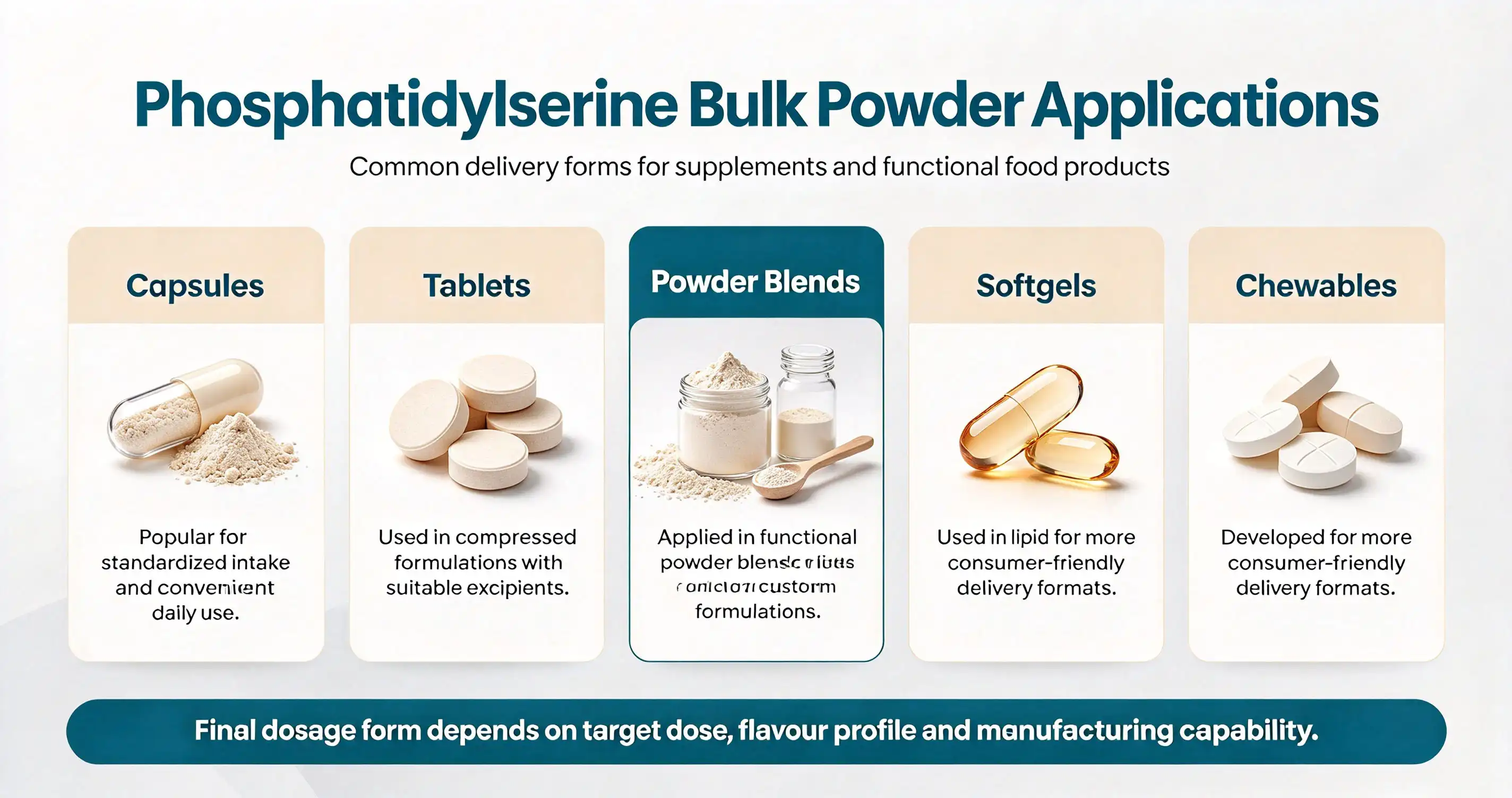
As a result of its adaptability, phosphatidylserine bulk powder is the most suitable option for product support. Mixologists who place a premium on speed and convenience are likely to find stick packets appealing. Tablets are an option for brands that choose a smaller dose that is more familiar to them. When it comes to the healthy-aging industry, gummies and chewables have the potential to reach a surprisingly big audience of people who dislike capsules. You should involve your formulator before beginning the manufacturing process because each format has its own set of technical challenges, such as flavor masking and heat stability. It is possible that you may be able to determine which product is the best fit for your brand by validating a large number of prototypes with an experienced partner and comparing them based on flavor, texture, and shelf behavior. It is not practical to conduct such studies using capsules with a predefined format.
Stacking PS with Complementary Ingredients
The bulk powder of phosphatidylserine is a supplement that works well with other components of brain health products. For the purpose of gaining a deeper comprehension of its effects on concentration, relaxation, and memory, several companies incorporate theanine, green tea extract, GABA, magnesium L-threonate, or glutamate. Because Hongda makes some of these components, you can order the entire stack from a single vendor and have it shipped to you. The reduction of freight expenses, the streamlining of quality paperwork, and the shortening of procurement checklists are all benefits of consolidating vendors. It is much simpler for the technical team to maintain batch uniformity when they are familiar with all of the ingredients. Consider the market claims, the daily intake, and the compatibility of the ingredients before stacking.
Dose Planning and Label Claims
Dose planning begins with the research. Clinical studies of PS in older adults have commonly used around 300 mg per day, often divided across the day, and many commercial products offer 100 mg to 300 mg per serving. Your target dose determines how much phosphatidylserine bulk powder goes into each unit and, therefore, the grade, fill weight, and price. Claims need equal care: the U.S. FDA has allowed only qualified health claims about PS and cognitive function, with wording that reflects limited evidence, and other regions regulate differently. Build your labels around structure-function language that your regulatory adviser approves for each country. If you would like a second pair of eyes on your draft formula, email duke@hongdaherb.com with your target dose and market, and the Hongda team will suggest suitable grades and samples.
Cost, Compliance, and Supply Chain
Cost per Serving and Order Size
Because the price is stated per bottle, finished capsules appear straightforward on paper. The processes of filling, encapsulating, and packaging are necessary in order to provide the impression that phosphatidylserine bulk powder is more complicated. When it comes to the cost per serving, powder is often the most cost-effective option, especially when dealing with moderate to large volumes. This is due to the fact that you are only paying for the fundamental components, rather than paying for the profit that someone else generated from each additional stage. Bulk PS is often packaged in either 25 kg drums or 1 kg foil bags, making it appropriate for both pilot runs and larger production runs. The conventional packaging for bulk PS is either size. When evaluating offers, it is important to take into account the entire landed cost per finished serving. This includes the cost of freight, testing, packaging, and any waste during filling. When it comes to brands that are honest about their business practices, the bulk choice typically frees up more capital for marketing or competitive pricing.
Compliance and Documentation
Whichever route you choose, paperwork is part of the product. Retailers, distributors, and regulators will ask for evidence, and a prepared supplier makes those conversations easy. The table lists the documents OEM buyers typically request alongside phosphatidylserine bulk powder.
|
Document
|
Purpose
|
|---|---|
|
Certificate of analysis
|
Confirms assay and quality of each batch
|
|
Specification sheet
|
Defines grade, appearance, and limits
|
|
Allergen and source statement
|
Supports soy or sunflower label claims
|
|
Heavy metal and microbial report
|
Demonstrates safety testing
|
|
Quality system certificates (cGMP, ISO)
|
Shows controlled manufacturing
|
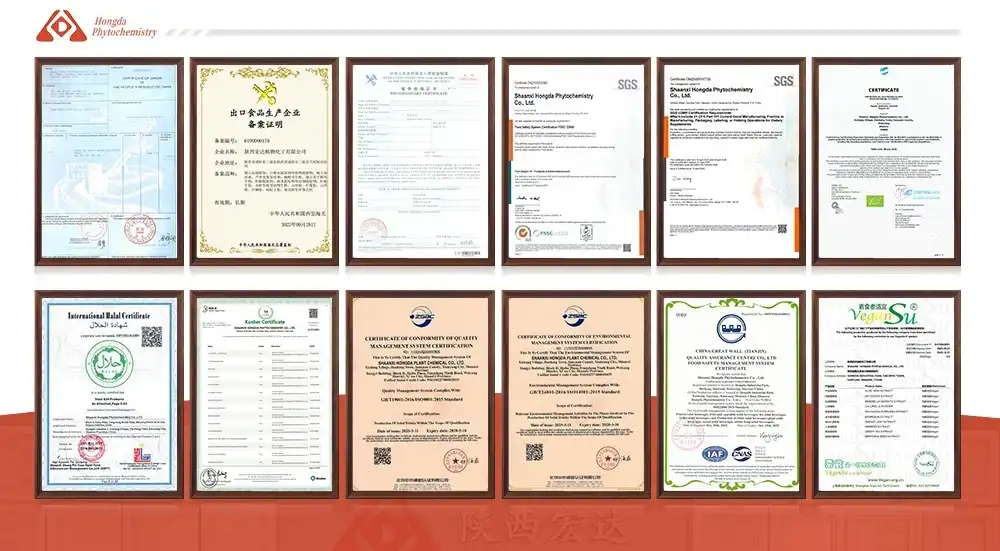
Hongda’s credentials include cGMP, SGS, ISO 9001, ISO 22000, FDA, BRC, FSSC, HALAL, KOSHER, and organic Certifications, so most of these requests can be answered from a single source.
Packaging, Storage, and Shelf Stability
Phospholipids are delicate, which is why it is essential to have proper packaging. Phosphatidylserine bulk powder should be stored in an atmosphere that is somewhat cool, dry, free of light and humidity, and either in a sealed foil bag or in a drum that has been lined. In order to uphold both flow and potency, it is necessary to have adequate storage in order to keep inventory between manufacturing runs. In order to minimize overstocking, you should inquire with your supplier about the recommended shelf life under different conditions and make purchases based on actual consumption. The professionals at Hongda should be consulted regarding box sizes, labeling, and overseas warehousing in order to expedite the local shipment process for customers. The production months are smooth, whereas the anxiety months are a source of worry because of these ubiquitous features.
Customization and Service from Hongda
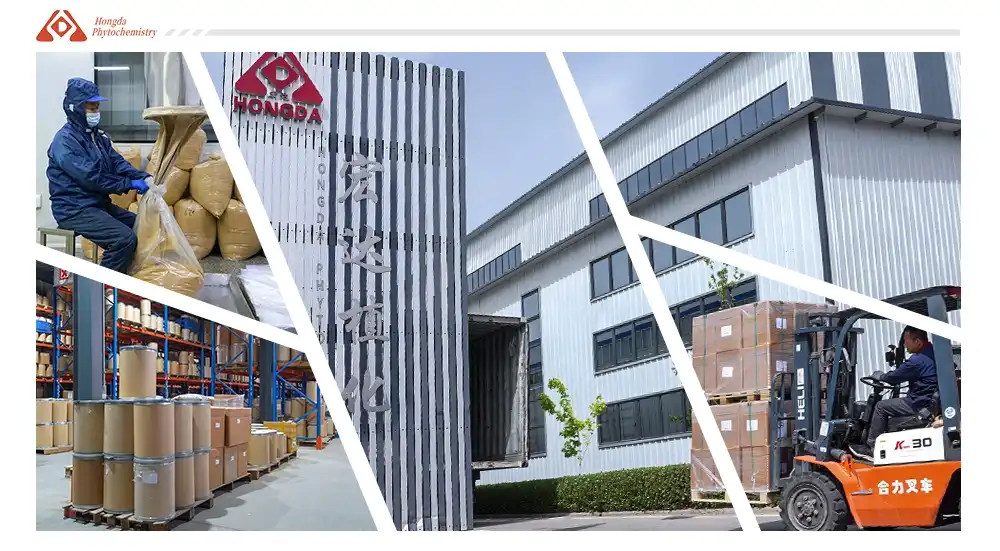
Since 2001, Shaanxi Hongda Phytochemistry has been able to supply its plant extract and nutritious raw material manufacturing with the assistance of a building that spans 20,000 square meters, a laboratory that is certified by the SGS, and more than twenty academics. The OEM brands benefit the most from speed. Customization makes it possible to create grades, standards, and packaging that are customized to a project. When your launch plan includes multiple time zones, you need a sales and customer service team that is available around the clock to address inquiries about the product, the packaging, and the logistics. You can make requests for samples, combine elements that are connected to one another, and cultivate relationships as your catalog grows to include more than 400 products, one of which is phosphatidylserine bulk powder.
Conclusion
Depending on your objectives and current state of development, you should decide whether to take phosphatidylserine capsules or bulk powder. While capsules are convenient, bulk powder provides more creative freedom, better unit economics, and the opportunity to launch multiple formats from a single ingredient. Bulk powder also offers better unit economics. Prior to making a commitment, it is important to double-check the supplier, grade, dose, paperwork, and storage conditions using a sample. Beginning in the year 2001, international brands have placed their faith in Shaanxi Hongda's cGMP production, SGS testing, and customization services. With the help of defining your target product and comparing real landed pricing, you will be able to transform your idea into a brain-health line that is ready to be sold on shelves.
FAQIs phosphatidylserine bulk powder cheaper than capsules?
At moderate to high volumes, usually yes, because you avoid paying for finished-goods margins.
Which source should I choose, soy or sunflower?
Choose based on your market, allergen policy, and branding; both are widely used.
What PS strength is common for capsules?
Many brands use around 50% PS powder, though 20% and 70% grades also exist.
Can the powder be used in gummies and sticks?
Yes, with formulation testing for taste, dispersion, and stability.
Does Hongda accept custom requirements?
Yes. Grade, specification, and packaging can be discussed for your project.
Build Your Brain-Health Line with Hongda: Request a Sample Today
Whether you are launching your first PS product or expanding an established range, Shaanxi Hongda is ready to help. Our cGMP factory, SGS-certified laboratory, and professor-led R&D team stand behind every shipment of phosphatidylserine bulk powder, and our service team answers questions around the clock. Tell us your target dose, preferred source, order volume, and destination market, and we will recommend suitable grades, share documentation, and arrange samples. If you cannot find the ingredient you need on our website, ask us, because our portfolio extends beyond 400 products. Contact Us today at duke@hongdaherb.com and take the first step toward a stronger product line.
References
1. Kim, H. Y., Huang, B. X., and Spector, A. A. “Phosphatidylserine in the Brain: Metabolism and Function.” Progress in Lipid Research, 2014.
2. Glade, M. J., and Smith, K. “Phosphatidylserine and the Human Brain.” Nutrition, 2015.
3. Kato-Kataoka, A. et al. “Soybean-Derived Phosphatidylserine Improves Memory Function of the Elderly Japanese Subjects with Memory Complaints.” Journal of Clinical Biochemistry and Nutrition, 2010.
4. Jorissen, B. L., et al. “The Influence of Soy-Derived Phosphatidylserine on Cognition in Age-Associated Memory Impairment.” Nutritional Neuroscience, 2001.
5. Cenacchi, T., et al. “Cognitive Decline in the Elderly: A Double-Blind, Placebo-Controlled Multicenter Study on Efficacy of Phosphatidylserine Administration.” Aging Clinical and Experimental Research, 1993.
6. U.S. Food and Drug Administration. Qualified Health Claim: Phosphatidylserine and Cognitive Dysfunction and Dementia. Letter of Enforcement Discretion, 2004.





YOU MAY LIKE