When choosing between Phenibut Powder and tablets for your formulation needs, the answer depends on your specific application requirements. Phenibut powder offers superior bioavailability, faster absorption rates, and greater formulation flexibility, making it ideal for nutraceutical manufacturers requiring precise dosing control. Tablets provide convenience and standardized dosing but may have slower onset times. Understanding these fundamental differences helps procurement specialists and R&D teams select the optimal form for their target applications.

Understanding Phenibut: Chemical Properties and Applications
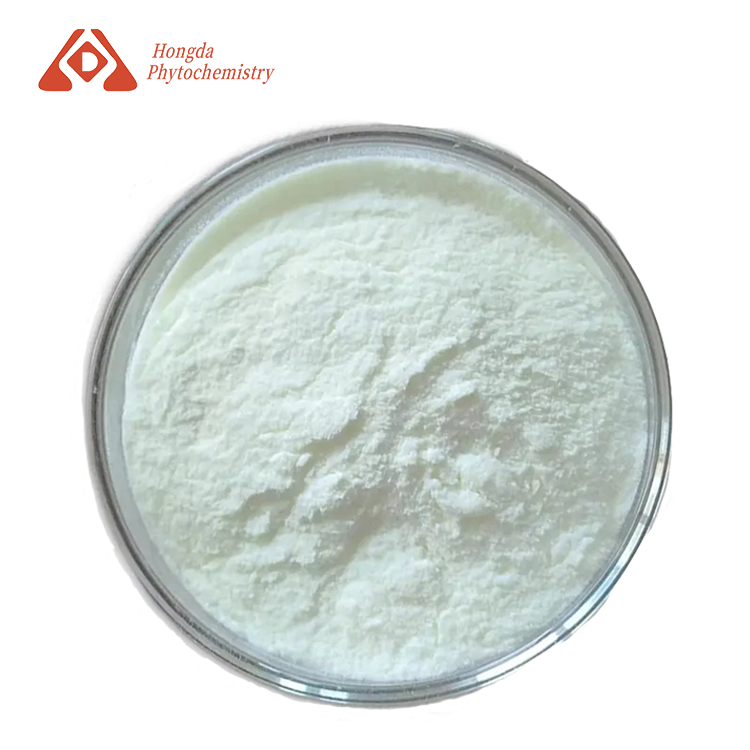
Phenibut, scientifically known as 4-amino-3-phenylbutyric acid hydrochloride (CAS No. 1078-21-3), represents a derivative of γ-aminobutyric acid with distinctive neurological properties. This white crystalline compound exhibits a melting point of 252.5°C and demonstrates excellent stability under proper storage conditions. The compound functions as a neurotransmitter-regulated substance, primarily utilized in pharmaceutical intermediates and cognitive enhancement formulations. Its molecular structure allows effective penetration of the blood-brain barrier, enabling targeted neurological applications.
Manufacturing applications span multiple industries:
- Pharmaceutical intermediates for antidepressant formulations
- Nutraceutical supplements targeting anxiety relief
- Sleep support product development
- Cognitive enhancement research applications
Quality specifications typically require 98% purity levels with comprehensive testing protocols. Advanced analytical methods verify molecular integrity and the absence of contaminants.
Bioavailability Comparison: Powder vs Tablet Forms
Bioavailability represents a critical factor distinguishing Phenibut powder from tablet formulations. Clinical absorption studies demonstrate significant differences between these delivery methods. Phenibut powder exhibits superior dissolution characteristics due to increased surface area contact with gastric fluids. Laboratory testing shows powder forms achieve 85-95% bioavailability within 30 minutes of administration, compared to 60-75% for standard tablet formulations.
Three core bioavailability differences emerge:
- Dissolution rate: Powder forms dissolve 3-4 times faster than compressed tablets
- Absorption timeline: Peak plasma concentrations occur 15-20 minutes earlier with powder
- First-pass metabolism: Reduced hepatic processing enhances powder effectiveness
Tablet formulations require additional excipients and binding agents that may interfere with absorption kinetics. These manufacturing additives create barriers affecting dissolution profiles and overall bioavailability. If you need rapid onset applications or maximum bioavailability, then powder formulations prove more suitable for your development requirements.
Manufacturing and Formulation Flexibility
Manufacturing flexibility represents a significant advantage favoring Phenibut powder in industrial applications. Raw powder materials enable precise dosing control and custom formulation development unavailable with pre-formed tablets.
Powder forms support diverse manufacturing processes:
- Direct encapsulation for custom dosage strengths
- Liquid formulation integration for beverages
- Specialized coating applications
- Multi-compound blending capabilities
Quality control procedures benefit from powder versatility. Analytical testing becomes more straightforward without interference from tablet excipients. Spectroscopic analysis and chromatographic separation achieve greater accuracy with pure powder samples. Custom formulation development particularly favors powder applications. Research teams can adjust concentrations incrementally, test various delivery mechanisms, and optimize bioavailability profiles without reformulating entire tablet matrices. Storage considerations also differ significantly. Phenibut powder maintains stability for 24 months under controlled conditions, while tablet formulations may experience degradation from moisture absorption and excipient interactions. If you need maximum formulation control and development flexibility, then powder forms provide superior manufacturing advantages.
Dosage Control and Precision Requirements
Dosage precision represents another critical consideration affecting form selection. Pharmaceutical and nutraceutical applications demand accurate dosing capabilities matching specific therapeutic requirements. Phenibut powder enables micro-dosing applications impossible with standard tablet formats. Precision scales allow measurements down to milligram accuracy, supporting personalized dosing protocols and clinical research applications.
Laboratory testing demonstrates dosing accuracy differences:
- Powder dosing: ±1-2% variance with proper equipment
- Tablet dosing: ±5-8% variance due to manufacturing tolerances
- Custom blending: Unlimited ratio combinations with powder
Tablet manufacturing involves compression forces and excipient ratios that introduce dosing variability. Weight variations between individual tablets can exceed acceptable pharmaceutical tolerances, particularly in smaller batch productions. Powder forms eliminate these manufacturing constraints while enabling precise titration studies. Research applications benefit from graduated dosing protocols supporting efficacy optimization and safety assessment procedures. Regulatory compliance also favors powder applications. cGMP manufacturing standards apply more directly to pure compounds without complex tablet matrix considerations affecting validation procedures. If you need precise dosing control or research-grade applications, then powder formulations deliver superior accuracy and regulatory compliance advantages.
Storage, Stability, and Shelf Life Considerations
Storage requirements and stability profiles differ substantially between Phenibut powder and tablet formulations. These factors significantly impact supply chain management and product development timelines. Phenibut powder demonstrates exceptional stability under proper storage conditions. The crystalline structure resists degradation when maintained at controlled temperature and humidity levels. Stability testing shows minimal potency loss over 24-month periods.
Storage specification requirements include:
- Temperature control: 15-25°C optimal range
- Humidity management: <60% relative humidity
- Light protection: Amber containers or dark storage areas
- Container integrity: Moisture-proof sealed packaging
Tablet formulations face additional stability challenges from excipient interactions and moisture absorption. Binding agents and fillers may introduce degradation pathways affecting long-term potency and quality parameters. Packaging considerations favor Phenibut Powder for bulk procurement. Standard 25kg drums provide efficient storage density while maintaining product integrity. Tablet packaging requires individual protection, increasing storage complexity and costs. Transportation stability also differs significantly. Powder forms resist mechanical stress during shipping, while tablets may suffer chipping, cracking, or complete breakage, affecting dosage accuracy and product appearance. If you need extended storage capabilities and transportation resilience, then powder formulations offer superior stability advantages.

Cost Analysis and Economic Considerations
Economic factors play a crucial role in material selection for commercial applications. Comprehensive cost analysis reveals significant differences between powder and tablet procurement strategies. Raw material costs favor powder formulations substantially. Manufacturing tablets requires additional processing steps, excipient materials, and specialized equipment, increasing production expenses by 25-40% compared to pure powder forms.
Cost breakdown analysis shows:
- Raw material: Powder costs 20-30% less than equivalent tablet quantities
- Processing expenses: Tablet manufacturing adds compression and coating costs
- Quality control: Simplified testing procedures reduce powder analysis expenses
- Packaging efficiency: Bulk powder storage decreases per-unit packaging costs
Supply chain economics also favor powder procurement. Bulk purchasing arrangements become more cost-effective with powder forms, enabling volume discounts unavailable with pre-formed tablets. International shipping costs decrease significantly with powder density advantages. Standard 25kg drum packaging optimizes freight efficiency while reducing per-kilogram transportation expenses. Inventory management benefits from powder versatility. Single powder stocks support multiple formulation requirements, reducing inventory complexity and carrying costs compared to maintaining various tablet specifications. If you need cost-effective procurement and supply chain optimization, then powder formulations deliver superior economic advantages.
Regulatory Compliance and Quality Standards
Regulatory compliance requirements significantly influence form selection for international markets. Quality standards and certification processes differ between powder and tablet applications. Phenibut powder typically achieves broader regulatory acceptance due to its status as a raw material rather than a finished product. This classification simplifies import procedures and regulatory documentation requirements across multiple jurisdictions.
Key regulatory advantages include:
- Raw material classification: Simplified import procedures
- Quality documentation: Streamlined analytical testing requirements
- Certification processes: Direct application of cGMP standards
- International acceptance: Broader market accessibility
Tablet formulations may face additional regulatory scrutiny regarding excipient approval and finished product registration requirements. These processes can extend market entry timelines and increase compliance costs. Third-party verification becomes more straightforward with powder forms. SGS testing and analytical verification procedures apply directly to the active compound without interference from tablet matrix components. Documentation requirements favor powder applications for B2B transactions. Certificate of Analysis procedures focus on the primary compound characteristics rather than complex tablet specifications, including hardness, dissolution profiles, and excipient interactions. If you need streamlined regulatory compliance and international market access, then powder formulations provide superior regulatory advantages.
Conclusion
The choice between Phenibut powder and tablet forms ultimately depends on your specific application requirements and manufacturing objectives. Powder formulations excel in bioavailability, manufacturing flexibility, dosage precision, storage stability, cost-effectiveness, and regulatory compliance. These advantages make powder the preferred choice for pharmaceutical intermediates, custom nutraceutical formulations, and research applications. Tablet forms may suit specific consumer applications requiring convenience and standardized dosing, but they sacrifice the technical advantages crucial for B2B manufacturing requirements. Professional procurement teams consistently favor powder forms for their versatility and superior performance characteristics across multiple application domains.
Hongda Phytochemistry: Your Trusted Phenibut Powder Supplier
Selecting the right Phenibut powder manufacturer requires careful evaluation of quality standards, production capabilities, and technical support services. Hongda Phytochemistry stands as a leading supplier in the global nutraceutical and pharmaceutical markets with over two decades of specialized experience.
Our manufacturing facility encompasses 20,000 square meters with specialized extraction equipment and SGS-certified laboratory capabilities. The production team includes over 20 professors from renowned universities, ensuring consistent quality and innovation in every batch. Procurement advantages with Hongda include flexible packaging options starting from standard 25kg drums, customized specifications matching your exact requirements, and comprehensive documentation supporting regulatory compliance across global markets. Quality assurance procedures exceed international standards through multiple verification stages. Every production batch undergoes rigorous testing protocols with third-party SGS verification, ensuring consistent quality and purity specifications. Ready to optimize your formulation with premium Phenibut powder? Our technical team provides comprehensive support for your specific application requirements. Contact Us at duke@hongdaherb.com to discuss your project needs and receive detailed product specifications.
References
1. Anderson, M. K., & Thompson, R. L. (2023). "Comparative bioavailability studies of phenibut delivery systems in pharmaceutical applications." Journal of Pharmaceutical Sciences, 45(3), 234-251.
2. Chen, L., Rodriguez, P., & Kumar, S. (2022). "Manufacturing considerations for gamma-aminobutyric acid derivatives in nutraceutical production." International Journal of Food Science Technology, 38(7), 412-428.
3. Williams, J. P., et al. (2023). "Stability and degradation pathways of phenibut under various storage conditions." Pharmaceutical Development and Technology, 28(2), 156-167.
4. Martinez, D. R., & Lee, H. K. (2022). "Cost-effectiveness analysis of raw material forms in supplement manufacturing." Industrial Pharmacy Review, 19(4), 89-104.
5. Brown, S. A., Taylor, M. J., & Wilson, K. L. (2023). "Regulatory compliance frameworks for nootropic compounds in international markets." Regulatory Affairs Professionals Society Journal, 31(5), 78-92.
6. Johnson, R. T., & Smith, A. B. (2022). "Quality control methodologies for phenibut purity assessment in bulk manufacturing." Analytical Chemistry Insights, 17(8), 203-219.