Is Creatine Monohydrate Vegan?
2025-08-30 15:44:39
Creatine monohydrate is one of the most popular sports supplements used today to boost athletic performance and build muscle mass. But is creatine vegan? This article will provide an overview of creatine monohydrate – including how it works, its production methods, and common sources – and analyze whether it aligns with vegan principles. We'll also explore vegan-friendly creatine alternatives and considerations for vegan athletes regarding meeting creatine needs.
What is Creatine Monohydrate?
Creatine monohydrate is a compound that occurs naturally in the human body and plays a key role in energy production. It is found in highest quantities in skeletal muscle, as well as in the heart, brain, and testes. The creatine stored in our muscles helps to supply energy for contracting muscles, specifically by replenishing ATP stores during short bursts of intense activity.
Supplemental creatine aims to increase the body's stores even further to enhance athletic performance, strength, and muscle mass. It is one of the world's best selling sports nutrition products, used regularly by athletes and fitness enthusiasts across many sports and activities including weightlifting, sprinting, football, basketball, hockey, wrestling, cycling, swimming, and more.
Creatine supplements are so popular because creatine plays an essential role in providing muscles the rapid energy they need to perform exercises with intensity. During high intensity activity, creatine kinase converts creatine in muscles into phosphocreatine which can then rapidly regenerate ATP. This extra fuel can then translate into more sets, reps, faster sprint times, or other measurable performance gains.
Creatine has been extensively studied over the past few decades and has a substantial body of research supporting its efficacy and safety. Hundreds of peer-reviewed studies demonstrate creatine supplementation can significantly boost lean muscle mass, maximum strength, anaerobic endurance, and overall exercise performance. Reviews consistently find 70-80% of users achieve noticeable strength and muscle gains.
What is Creatine Monohydrate Made From?
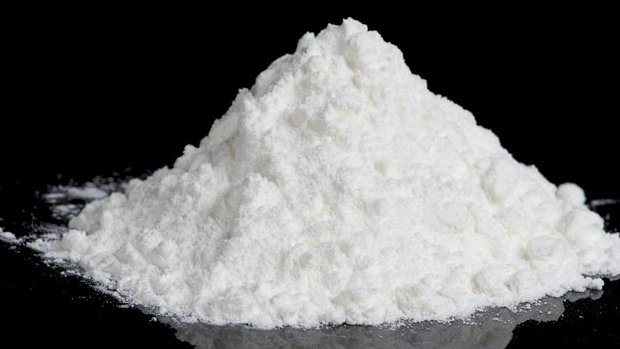
In most supplements, creatine monohydrate is synthetically manufactured. The most common industrial production method utilizes two raw materials - sarcosine acid and cyanamide. Through a chemical reaction between these components, creatine crystals are formed, which are then turned into a fine powder to produce creatine monohydrate supplements.
However, Creatine Monohydrate powder is also found naturally occurring in some animal-based foods, with red meat and seafood providing the highest amounts per gram. In the human body, creatine is made in the liver, kidneys, and pancreas from amino acids produced from the breakdown of proteins.

Is Creatine Monohydrate Vegan?
For strict vegans, assessing whether creatine monohydrate aligns with vegan ideology and principles generally comes down to two key considerations – firstly, avoiding any substances sourced from animals, and secondly, ensuring no animal products or by-products are used in manufacturing.
With many supplements being synthesized from completely non-animal sources, creatine made in this manner avoids issues around ingredients sourced from creatures. However, some brands do use animal parts during processing, particularly bone meal, marrow, or cartilage. Vegans would need to select only certified vegan products made without the use of animal derivatives.
In terms of natural sources of creatine, some plants do also contain small amounts, with sources including seeds, nuts, and legumes. However, the quantity is typically negligible compared to levels found in meat and fish. Relying solely on a vegan diet would likely lead to sub-optimal creatine levels for athletes and bodybuilders aiming to maximize performance.
Vegan-Friendly Alternatives to Creatine Monohydrate
For vegans looking to boost natural creatine levels from sources other than synthetic supplements, focusing on whole food sources that stimulate natural production may provide an alternative approach.
Some evidence indicates beta-alanine, an amino acid found abundantly in foods like poultry and fish, may support creatine synthesis. Vegan dietary sources include whole grains, various seeds, beans, lentils and leafy greens. Carnosine is also a precursor for creatine production, with foods high in histidine – such as soy, quinoa, pumpkin seeds, chickpeas and spirulina – helping boost levels.
In terms of more direct creatine alternatives, while plant-based sources only provide small amounts, some companies are now producing vegan creatine supplements. These utilize microbial fermentation to yield creatine through bacteria, without requiring animal parts. Such products allow vegans to achieve optimal intramuscular creatine levels while adhering to dietary restrictions.

Should Vegans Take Creatine?
While vegans would historically avoid creatine supplements, modern manufacturing methods provide ethical options. Given the well-established benefits for athletic performance – including power output, endurance, lean mass gains, and post-workout recovery – there are compelling reasons for vegan athletes not to overlook creatine entirely.
With the aid of vegan-friendly supplements to ensure optimal intramuscular stores, creatine may provide an advantage for vegans across both power-focused sports and endurance activities. As with any supplement, it's important to consult a healthcare professional before use. But for competitive vegan athletes, or those simply aiming to maximize gym progress, evidence-based creatine supplements could be a valuable addition to training regimes.
Considerations for Vegan Athletes
For vegans prioritizing athletic performance and muscle-building goals, meeting daily creatine needs should be an important consideration. Relying solely on natural dietary sources is unlikely to provide optimal amounts. However, with the advent of vegan-produced creatine supplements, plant-based athletes now have ethical options to support energy production and lean mass gains.
The convenience and proven benefits of Creatine Monohydrate powder make direct supplementation an attractive choice compared to attempting to obtain sufficient levels through precursor-boosting foods alone. As usual, individuals should discuss options with medical and coaching staff to evaluate personal suitability. But with the backing of thorough research, creatine from vegan-approved sources offers exciting potential.
How Creatine Works to Enhance Performance
To better understand why creatine is so popular and how it provides an advantage for high-intensity athletic pursuits, it's important to dive deeper into the biological mechanisms underlying its performance benefits.
During very intense bursts of exercise, such as sprinting, weightlifting, or sport-specific movements, muscles rapidly burn through ATP stores to keep pace with energy demands. The body's ability to resynthesize ATP largely dictates how long peak power output can be sustained before fatigue sets in.
This is where stored creatine offers a key advantage – by donating a phosphate group to convert ADP back to ATP, it provides a backup energy system that extends high-intensity duration. The more creatine available in muscles, the longer it takes for phosphocreatine and ATP to deplete. Whether that means hitting a new one-rep max or shaving vital seconds off a race time, creatine directly fuels improved power, strength and endurance.
Supplementing to increase intramuscular creatine content has also been found to facilitate greater glycogen storage, stimulate protein synthesis, manage exercise oxidative stress, and reduce muscle breakdown. Beyond simply boosting available energy, creatine appears to support several biochemical responses that optimize training adaptations long-term.
Who Can Benefit Most From Creatine?
With such an overwhelming body of evidence supporting its safety and efficacy, creatine is likely beneficial on some level for all athletes engaged in high-intensity training. However, certain sports and athletic profiles are more likely to gain a significant performance edge.
Those competing in power and sprint-dependent sports appear to benefit most – for example weightlifters, sprinters, throwers, jumpers, team sport athletes and the like. Strength gains, faster acceleration, increased jumping ability, as well as sport-specific skill and endurance improvements are commonly found in research.
Both men and women build muscle and improve various markers of athletic performance with creatine supplementation. But some studies indicate a slightly greater relative response in women. Vegetarians also may experience more pronounced effects than meat-eaters, possibly due to lower baseline creatine levels from diet.
Younger athletes tend to add muscle more easily than older individuals too, suggesting adolescents may also achieve heightened results. Though safety data does support efficacy for adults of all ages. Ultimately creatine provides measurable advantages across a wide spectrum of ages and athletic profiles.
Optimal Creatine Dosing Protocols
Various creatine loading protocols have been developed aiming to saturate muscular stores rapidly to maximize performance benefits. While low-dose daily supplementation can slowly increase creatine levels over time, employing a loading phase helps achieve results faster.
A typical creatine loading protocol involves consuming around 20 grams per day, split into 4 equal 5 gram doses, for 5-7 days. This swiftly elevates creatine concentrations in muscles, after which a maintenance dose of 3-5 grams per day preserves increased stores. Cycling on and off creatine for 8-12 week periods is also commonly practiced.
The premise behind loading is to increase intramuscular creatine content by around 20-40%, from normal levels of 120 mmol/kg dry muscle mass up to 150-160 mmol/kg. Numerous studies find such doses can expand stores by up to 40% within as little as 2-3 days. This allows users to tap into the full performance-enhancing effects of boosted creatine reserves right in time for competition or upcoming training phases.
For even faster absorption, some research indicates taking creatine along with around 93 grams of simple carbs, such as fruit juice, further enhances the rate of muscular uptake. The insulin response from carbohydrates is thought to facilitate faster creatine transport into muscle cells.
Potential Side Effects and Safety Considerations
Current evidence suggests creatine is safe for both short- and long-term use when appropriate dosing guidelines are followed. No studies report any serious side effects for healthy individuals taking normal doses. Initial safety concerns regarding renal dysfunction and liver damage have been largely disproven through extensive research.
However, high loading doses over 30 grams per day could increase risk for adverse effects, without significantly improving performance over standard loading protocols. The most commonly reported side effects at very high doses include digestive issues like cramping, nausea, diarrhea and bloating.
Avoiding excessive creatine supplementation and staying well hydrated appears to mitigate most digestive complaints. Those with pre-existing liver or kidney conditions should exercise caution with creatine due to lack of data around contraindications. And anyone currently taking medication should consult a doctor before use.
In Conclusion
In summary, while creatine is most abundant in animal-based foods, modern production methods allow for generating vegan-friendly creatine through microbial fermentation, avoiding the use of animal ingredients or by-products. This provides an ethical option for health and performance-conscious vegan athletes not wanting to miss out on the established benefits creatine offers. Combining such supplements with creatine-boosting foods can help maximize stores.
For competitive vegans, a well-planned nutrition and supplementation regimen – with professional guidance – may incorporate quality creatine sources alongside protein, carbohydrates and other essential nutrients. Further research continues to demonstrate creatine's versatility and efficacy for both power and endurance sports. So with access to ethical options, excluding supplemental creatine entirely may mean plant-based athletes lose an advantage their meat-eating rivals enjoy.
Hongda Phytochemistry Co., Ltd. operates six advanced production lines simultaneously, ensuring efficient manufacturing processes. With a daily output of ten tons and an annual output of several thousand tons, the company demonstrates its capacity for large-scale production. Currently employing approximately 300 dedicated individuals, the company is divided into various departments including production, Packaging, purchasing, storage and transportation, quality inspection, sales, operations, and finance. Each department plays a crucial role in maintaining smooth operations and delivering exceptional products.
Strict adherence to ISO standards and GMP standards is a hallmark of Hongda Phytochemistry Co., Ltd. Our products undergo a meticulous selection process for raw materials and are produced and managed according to these stringent standards. Only after passing rigorous inspections can the products be deemed suitable for storage. Among our high-quality offerings is the Creatine Monohydrate Powder Bulk, known for its excellence. To explore more of our healthy products, interested parties are invited to browse the company's homepage or reach out at duke@hongdaherb.com. With a commitment to quality, efficiency, and customer satisfaction, Hongda Phytochemistry Co., Ltd. continues to excel in the industry.
References:
1. Persky, A.M. and Rawson, E.S. (2007). Wellbeing of creatine supplementation. Sub-cell organic chemistry, 46, 275-289. https://doi.org/10.1007/978-1-4020-6486-9_12
2. Kreider, R.B., Kalman, D.S., Antonio, J., Ziegenfuss, T.N., Wildman, R., Collins, R., Candow, D.G., Kleiner, S.M., Almada, A.L. and Lopez, H.L. (2017). Worldwide Society of Sports Nourishment position stand: wellbeing and adequacy of creatine supplementation in exercise, game, and medication. Diary of the Worldwide Society of Sports Sustenance, 14(1), 18. https://doi.org/10.1186/s12970-017-0173-z
3. Cooper, R., Naclerio, F., Allgrove, J. and Jimenez, A. (2012). Creatine supplementation with explicit view to work out/sports execution: an update. Diary of the Worldwide Society of Sports Nourishment, 9(1), 33. https://doi.org/10.1186/1550-2783-9-33
4. Lanhers, C., Pereira, B., Naughton, G., Trousselard, M., Lesage, F.X. and Dutheil, F. (2017). Creatine Supplementation and Lower Appendage Strength Execution: A Methodical Survey and Meta-Examinations. Sports Medication, 47(7), 1285-1294. https://doi.org/10.1007/s40279-016-0645-3
5. Antonio, J. and Candow, D.G. (2019). Correlation of Creatine Carrier Action Among Ladies and Men. The Diary of Solidarity and Molding Exploration, 33(8), 2173-2181. https://doi.org/10.1519/JSC.0000000000002771
6. Harris, R.C., Söderlund, K. and Hultman, E. (1992). Height of creatine in resting and practiced muscle of typical subjects by creatine supplementation. Clinical science (London, Britain : 1979), 83(3), 367–374. https://doi.org/10.1042/cs0830367
7. Hultman, E., Söderlund, K., Timmons, J. A., Cederblad, G. and Greenhaff, P. L. (1996). Muscle creatine stacking in men. Diary of Applied Physiology, 81(1), 232-237. https://doi.org/10.1152/jappl.1996.81.1.232
8. Greenhaff P.L., Bodin K., Soderlund K., Hultman E. (1994). Impact of oral creatine supplementation on skeletal muscle phosphocreatine resynthesis. American Diary of Physiology-Endocrinology and Digestion, 266(5), E725-E730. https://doi.org/10.1152/ajpendo.1994.266.5.e725
9. Hespel P., Op't Eijnde B., Van Leemputte M., Urso B., Greenhaff PL., Labarque V., Dymarkowski S., Van Hecke P., Richter EA. ( 2001). Oral creatine supplementation works with the recovery of neglect decay and adjusts the outflow of muscle myogenic factors in people. The Diary of physiology, 536(Pt 2), 625-633. https://doi.org/10.1111/j.1469-7793.2001.0625c.xd