Is Chlorella Powder Or Tablets Better?
2025-08-22 15:41:11
Chlorella, a type of green algae, has become a popular supplement due to its high nutrient content and potential health benefits. Chlorella can be taken in either powder or tablet form, but is one better than the other? This article provides an in-depth comparison of chlorella powder versus tablets.
Chlorella is a single-celled, green freshwater algae that contains a high concentration of proteins, vitamins, minerals, and antioxidants. There are over 30 different species of chlorella, but two types-Chlorella vulgaris and Chlorella pyrenoidosa-are most commonly used in supplements.
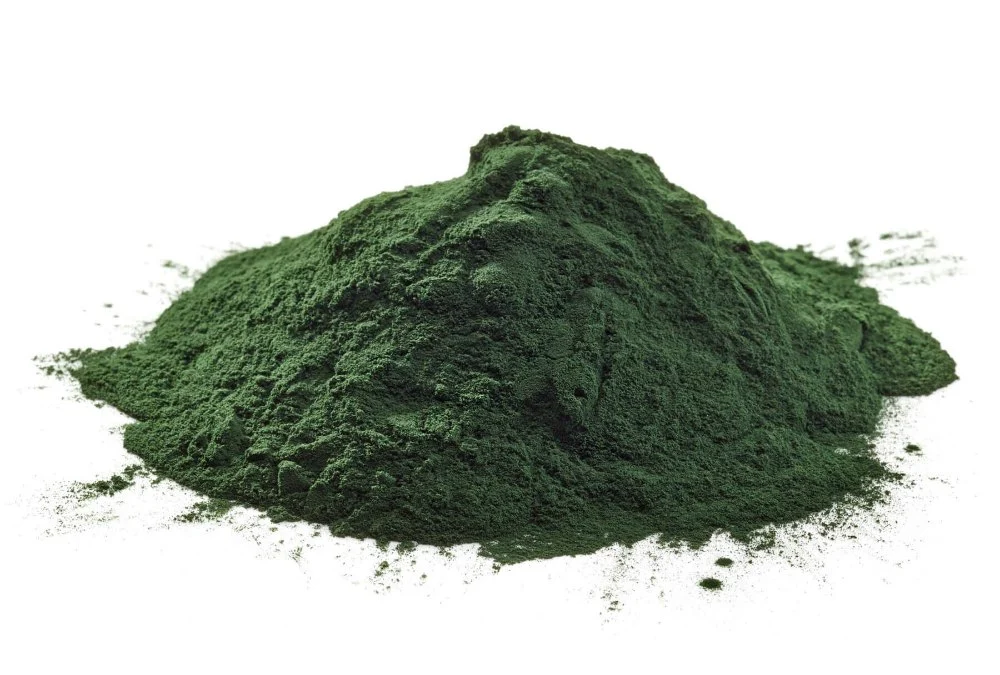
Chlorella has been used for centuries as a food source in some Asian countries, but has recently gained popularity in the Western world as a dietary supplement and superfood. Its nutrient density and unique phytonutrients are believed to support immune function, reduce inflammation, aid detoxification, and improve digestion. However, there is limited clinical evidence to support many of these purported benefits.
As a supplement, chlorella can be taken as either a powder or in tablet form. The powder is made by first drying the algae and then grinding it into a fine powder. Tablets contain the dried, pulverized chlorella along with other ingredients and binders compressed into tablet form. But is one form better than the other? Let's take a closer look at how they differ.
Comparison of Chlorella Powder and Tablets
Processing Methods
To produce chlorella powder, the algae undergoes drying and pulverization. The most common drying methods are spray drying and freeze drying. Tablet production involves additional steps like binding ingredients and compressing the powder into tablet form.
Spray drying is quick and cost-effective, but can degrade heat-sensitive nutrients. Freeze drying better preserves nutrients, but is more expensive. Tablets also require more processing with the addition of fillers and binders.
Potential Advantages and Disadvantages
Powders offer versatility, as they can be easily added to smoothies, juices, yogurt, oatmeal, etc. However, dosing powder consistently can be tricky. Tablets provide standardized dosing and convenience, though may contain more additives.
Some find tablets easier to take due to their smaller size and portable nature. However, tablets could release higher levels of nutrients at once, while powders may allow for more gradual nutrient absorption.
Overall, powders retain more of chlorella's natural state with less processing, but tablets offer consistency and convenience. Neither form is inherently better or worse.
Studies Comparing Bioavailability
Limited research has directly compared chlorella powders and tablets. One study tested chlorella lutein bioavailability from tablets versus two different powders in 20 participants. Plasma lutein levels increased more significantly from powders compared to tablets, suggesting powders may have better bioavailability.
However, this single study had a very small sample size. More research is needed comparing absorption rates of nutrients from chlorella powders versus tablets to determine if one offers better bioavailability.
Nutritional Profile of Chlorella
Chlorella contains a unique nutritional profile, including:
Protein and Amino Acids
Dried chlorella is around 50% protein by weight, comparable to soy. It's a complete protein containing all essential amino acids needed for human health. The protein quality is considered comparable or superior to eggs and soy.
Vitamins and Minerals
Chlorella provides a variety of B-vitamins, vitamin C, iron, magnesium, zinc and copper. Notably, it's very high in B12, a nutrient many vegetarians and vegans lack from dietary sources. It also contains vitamin K, folate, and vitamins C, D, and E.
Antioxidants
Chlorella contains chlorophyll, carotenoids, lutein, and alpha and beta-carotene, all antioxidants that combat free radicals and oxidative stress. These antioxidants support immune function and heart health.
Chlorella's Nutrient Density
Gram for gram, chlorella contains more omega-3s than salmon, more iron than spinach, and more vitamin A than carrots. It surpasses many other algae and superfoods in protein content, vitamin B12, and essential amino acids.
Potential Health Benefits of Chlorella
While early research is promising, more human clinical trials are needed to substantiate many of chlorella's proposed benefits:
Immune Support
Chlorella activates immune cells and heightens activity of lymphocytes, possibly enhancing immune response. An animal study showed chlorella increased antibody production. More research is needed to confirm effects in humans.
Reduced Inflammation
The antioxidants in chlorella, like lutein and chlorophyll, may reduce inflammation and oxidative stress associated with chronic diseases. But current research is limited to animal and lab studies.
Detoxification
Chlorella may support detoxification in two ways-first by binding to heavy metals and toxins in the digestive tract to prevent absorption, and second by enhancing the excretion of toxins. Clinical evidence is still preliminary.
Improved Digestion
Chlorella has shown potential to support digestive health and treat ulcers, but human studies are lacking. Anecdotally, some report improvement in symptoms like bloating or regularity when taking chlorella.
While preliminary research on chlorella is intriguing, much more clinical evidence in humans is still needed. Some marketing claims surrounding chlorella lack scientific support and clinical trials. Consumers should be wary of any products making unsupported health claims.

Safety and Considerations When Taking Chlorella
Generally Recognized as Safe
Chlorella powders have GRAS (Generally Recognized as Safe) status in the United States. Both powder and tablets are considered safe for consumption when manufacturers follow proper purity and processing protocols.
Potential Precautions and Side Effects
Chlorella is likely safe for most people at suggested dosages, but less studied at high doses. Some potential side effects include nausea, vomiting, diarrhea, flatulence, headaches, insomnia, and increased bowel movements.
Due to its natural iodine content, chlorella could negatively interact with thyroid medications. Those with an iodine allergy should avoid chlorella. As with any new supplement, consult your doctor before starting chlorella.
Dosage Recommendations
Typical dosing ranges from 2-8 grams per day. Start with a low dose and slowly increase over several weeks, splitting into smaller doses throughout the day. Pay close attention to serving sizes since tablet quantities differ.
Look for reputable third-party testing to ensure purity and quality. Discuss appropriate dosage and usage with your healthcare provider before starting chlorella.
Interactions with Medications and Supplements
Chlorella's detoxification properties could potentially bind to some prescription medications like antidepressants or sedatives, making them less effective. Those taking any medications should consult their doctor prior to using chlorella.
Since chlorella is high in iron and iodine, interact cautiously with supplements containing iron and iodine as well. Stop taking chlorella at least 2 weeks before any scheduled surgery since it may increase bleeding risk.
In Conclusion
Chlorella shows promise as a nutrient-dense superfood that may offer antioxidant protection, immune support, and aid detoxification. Chlorella powder and tablets each have their own advantages and disadvantages related to processing methods, consistency, convenience, and additives.
Neither form is conclusively better in terms of bioavailability according to limited available evidence. For most people, powder offers a way to easily add chlorella to foods and drinks for versatility, while tablets provide standardized dosing and portability.
Keep in mind that many of chlorella's purported benefits remain unproven in human clinical trials. Rely on reputable, science-based sources for any health claims. As with any supplement, consult your healthcare provider before starting chlorella powder or tablets.
Hongda Phytochemistry Co., Ltd. is a trusted manufacturer of high-quality Organic Chlorella Powder. Our company offers customized production and Packaging services that are directly produced by the factory. In addition, we provide free samples to our customers. Our new capsule production workshop also offers customization options for capsule products. We have participated in various global Exhibitions such as European CPHI, European International Vitafoods, European Food Ingredients Exhibition FIE, Functional Food and Healthy Food Exhibition FFFI, American SSE, and more. As one of our popular products, our Organic Chlorella Powder undergoes strict product control to ensure its quality. For those interested in this product or any of our services, please do not hesitate to Contact Us at duke@hongdaherb.com.
References:
[1] Merchant, R.E. and Andre, C.A., 2001. A review of recent clinical trials of the nutritional supplement Chlorella pyrenoidosa in the treatment of fibromyalgia, hypertension, and ulcerative colitis. Alternative therapies in health and medicine, 7(3), p.79.
[2] Ursu, A.V., Marcati, A., Sayd, T., Sante-Lhoutellier, V., Djelveh, G. and Michaud, P., 2014. Extraction, fractionation and functional properties of proteins from the microalgae Chlorella vulgaris. Bioresource technology, 157, pp.134-139.
[3] Wells, M.L., Potin, P., Craigie, J.S., Raven, J.A., Merchant, S.S., Helliwell, K.E., Smith, A.G., Camire, M.E. and Brawley, S.H., 2017. Algae as nutritional and functional food sources: revisiting our understanding. Journal of Applied Phycology, 29(2), pp.949-982.
[4] Merchant, R.E., Phillips, T.W. and Udani, J., 2015. Nutritional supplementation with Chlorella pyrenoidosa for patients with fibromyalgia syndrome: a pilot study. Phytotherapy Research, 29(5), pp.667-673.
[5] Ursu, A.V., Marcati, A., Sayd, T., Sante-Lhoutellier, V., Djelveh, G. and Michaud, P., 2014. Extraction, fractionation and functional properties of proteins from the microalgae Chlorella vulgaris. Bioresource technology, 157, pp.134-139.
[6] Safi, C., Zebib, B., Merah, O., Pontalier, P.Y. and Vaca-Garcia, C., 2014. Morphology, composition, production, processing and applications of Chlorella vulgaris: A review. Renewable and Sustainable Energy Reviews, 35, pp.265-278.
[7] Merchant, R.E., Andre, C.A. and Wise, C.M., 2001. A review of the nutritional and pharmacological properties of chlorella. The Journal of Medicinal Food, 4(1), pp.1-7.
[8] Kapoor, P. and Metz, J.G., 2004. Process engineering of size reduction equipment for the processing of microalgal biomass.Transactions-American society of agricultural engineers, 47(1), p.247.
[9] Wells, M.L., Potin, P., Craigie, J.S., Raven, J.A., Merchant, S.S., Helliwell, K.E., Smith, A.G., Camire, M.E. and Brawley, S.H., 2017. Algae as nutritional and functional food sources: revisiting our understanding. Journal of Applied Phycology, 29(2), pp.949-982.
[10] Kwak, J.H., Baek, S.H., Woo, Y., Han, J.K., Kim, B.G., Kim, O.Y. and Lee, J.H., 2012. Beneficial immunostimulatory effect of short-term Chlorella supplementation: enhancement of natural killer cell activity and early inflammatory response (Randomized, double-blinded, placebo-controlled trial). Nutrition journal, 11(1), pp.1-8.





YOU MAY LIKE