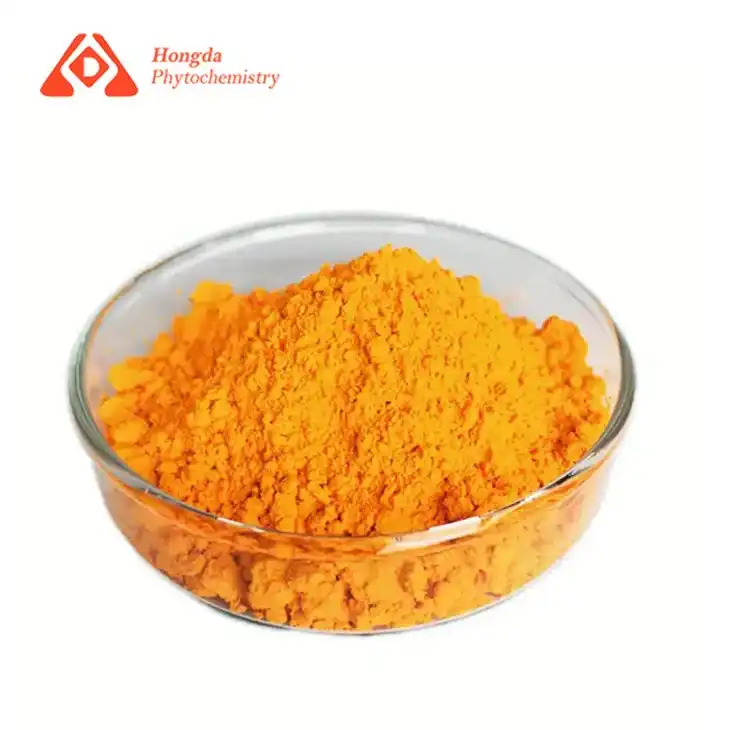
What Is Quercetin Powder?
2025-08-22 15:30:03
Quercetin Powder is a dietary supplement derived from a naturally occurring flavonoid compound found in various plants and foods. This powerful antioxidant has gained significant attention in recent years for its potential health benefits and ability to support overall wellness. In this comprehensive article, we will explore the definition, properties, and natural sources of quercetin, as well as delve into its numerous uses, advantages, and potential side effects.
What is Quercetin?
Quercetin is a flavonoid compound that belongs to a class of plant pigments known as polyphenols. It is widely distributed in the plant kingdom and found in various fruits, vegetables, grains, and herbs. Quercetin has a unique chemical structure that contributes to its potent antioxidant and anti-inflammatory properties. As a dietary supplement, quercetin powder offers a concentrated form of this beneficial compound, allowing individuals to incorporate it into their daily routines to support overall health and well-being.

Sources of Quercetin
Quercetin can be obtained from a variety of natural sources in our diet. Some of the richest sources include onions, apples, berries (such as blueberries, raspberries, and cranberries), green leafy vegetables (like spinach and kale), citrus fruits, and herbs (such as parsley and sage). However, the quercetin content in these foods can vary greatly depending on factors such as ripeness, growing conditions, and processing methods.
While it is possible to obtain quercetin from a balanced and varied diet, the convenience and potency of quercetin supplements make them an attractive option for many individuals seeking to increase their intake of this powerful compound.

Health Benefits of Quercetin
Quercetin powder has been associated with numerous potential health benefits, thanks to its unique properties and biological activities. Here are some of the most notable benefits supported by scientific research:
Anti-inflammatory Properties
One of the primary benefits of quercetin is its ability to reduce inflammation in the body. Chronic inflammation has been linked to various health conditions, including arthritis, cardiovascular disease, and certain cancers. Quercetin has been shown to inhibit the production of inflammatory enzymes and molecules, thereby helping to alleviate inflammation and its associated symptoms.
Antioxidant Activity
Quercetin is a potent antioxidant, capable of neutralizing harmful free radicals and protecting cells from oxidative stress. Free radicals are unstable molecules that can damage cellular components, contributing to the development of chronic diseases and accelerating the aging process. By scavenging these free radicals, quercetin may help reduce the risk of age-related diseases and support overall longevity.
Cardiovascular Health
Several studies have investigated the potential benefits of quercetin for cardiovascular health. Quercetin may help lower blood pressure, improve cholesterol levels, and reduce the risk of atherosclerosis (hardening of the arteries). It may also have a protective effect on the endothelial cells that line blood vessels,
Allergy Relief
promoting healthy circulation and reducing the risk of heart disease.
Quercetin has been studied for its ability to alleviate allergy symptoms and respiratory conditions. It may help inhibit the release of histamine and other inflammatory mediators involved in allergic reactions. Some research suggests that quercetin supplements could provide relief for individuals suffering from seasonal allergies or asthma.
Exercise Performance
Interestingly, quercetin has also been explored for its potential to enhance exercise performance and support recovery. Some studies indicate that quercetin supplementation may improve endurance, reduce muscle fatigue, and aid in post-exercise recovery by reducing inflammation and oxidative stress associated with intense physical activity.
Potential Side Effects and Precautions
While quercetin powder is generally considered safe when consumed in moderation, there are some potential side effects and precautions to be aware of:
- Gastrointestinal discomfort: Some individuals may experience mild stomach discomfort, nausea, or diarrhea when taking quercetin supplements, especially at higher doses.
- Kidney problems: Quercetin may not be suitable for individuals with kidney disease or those taking certain medications that affect kidney function.
- Interactions with medications: Quercetin may interact with certain medications, such as antibiotics, chemotherapy drugs, and blood thinners. It's essential to consult with a healthcare professional before taking quercetin supplements if you are on any medications.
- Pregnancy and breastfeeding: The safety of quercetin during pregnancy and breastfeeding has not been fully established, and caution is advised.
It's important to follow the recommended dosages on the supplement label and consult with a healthcare professional before starting any new supplement regimen, especially if you have a pre-existing medical condition or are taking other medications.
Quercetin Supplements
Quercetin supplements are available in various forms, including capsules, tablets, and powders. The powder form is particularly popular among those who prefer to mix the supplement into beverages or incorporate it into their own recipes.
When choosing a quercetin supplement, it's important to consider factors such as purity, bioavailability, and the presence of additional ingredients or excipients. Look for reputable brands that provide third-party testing and quality assurance.
The recommended dosage of quercetin powder can vary depending on the intended use and individual circumstances. Generally, dosages ranging from 500 mg to 1,000 mg per day are commonly used for general health purposes. However, it's always best to consult with a healthcare professional to determine the appropriate dosage and duration of use based on your specific needs and health status.
Conclusion
Quercetin powder is a powerful dietary supplement derived from a naturally occurring flavonoid compound found in various plants and foods. With its potent antioxidant and anti-inflammatory properties, quercetin has been studied for its potential benefits in supporting cardiovascular health, alleviating allergy symptoms, enhancing exercise performance, and promoting overall well-being.
While quercetin can be obtained from a balanced diet rich in fruits, vegetables, and herbs, supplementation with quercetin powder offers a convenient and concentrated way to increase your intake of this beneficial compound. However, it's important to consult with a healthcare professional before starting any new supplement regimen, and to follow recommended dosages and usage guidelines.
By incorporating quercetin powder into your wellness routine and maintaining a healthy lifestyle, you may be able to harness the power of this remarkable plant-based compound and support your overall health and longevity.
Our factory offers customized production and Packaging directly, and we are pleased to provide free samples. Additionally, we have a new capsule production workshop that can tailor products to specific requirements. With a consistent presence in global Exhibitions such as the European CPHI, European International Vitafoods, European Food Ingredients Exhibition FIE, Functional Food and Healthy Food Exhibition FFFI, American SSE, and more, we remain actively engaged in showcasing our offerings. If you are interested in our quercetin bulk powder or require further product information, please do not hesitate to Contact Us at duke@hongdaherb.com at any time.
References
1. Anand David, A. V., Arulmoli, R., & Parasuraman, S. (2016). Overviews of Biological Importance of Quercetin: A Bioactive Flavonoid. Pharmacognosy Reviews, 10(20), 84–89.
2. Boots, A. W., Haenen, G. R., & Bast, A. (2008). Health effects of quercetin: from antioxidant to nutraceutical. European Journal of Pharmacology, 585(2-3), 325–337.
3. Chirumbolo, S. (2020). Quercetin as a Potential Anti-Allergic Drug: Is it Really Effective? Inflammation & Allergy - Drug Targets, 19(2), 104–116.
4. Daneshvar, P., Hajirahimi, M., Maghsoudi, N., Norouzy, A., & Karimiani, E. H. (2021). The Effects of Quercetin on Blood Pressure: A Systematic Review and Meta-Analysis of Randomized Controlled Trials. Nutrients, 13(3), 851.
5. Davis, J. M., Murphy, E. A., Curcio, M. D., Wong, C., Costa, N. P., & Graves, B. S. (2010). Effects of a quercetin-containing supplementation on markers of muscle damage and inflammation after eccentric exercise. International Journal of Sport Nutrition and Exercise Metabolism, 20(6), 430–442.
6. Formica, J. V., & Regelson, W. (1995). Review of the biology of Quercetin and related bioflavonoids. Food and Chemical Toxicology, 33(12), 1061–1080.